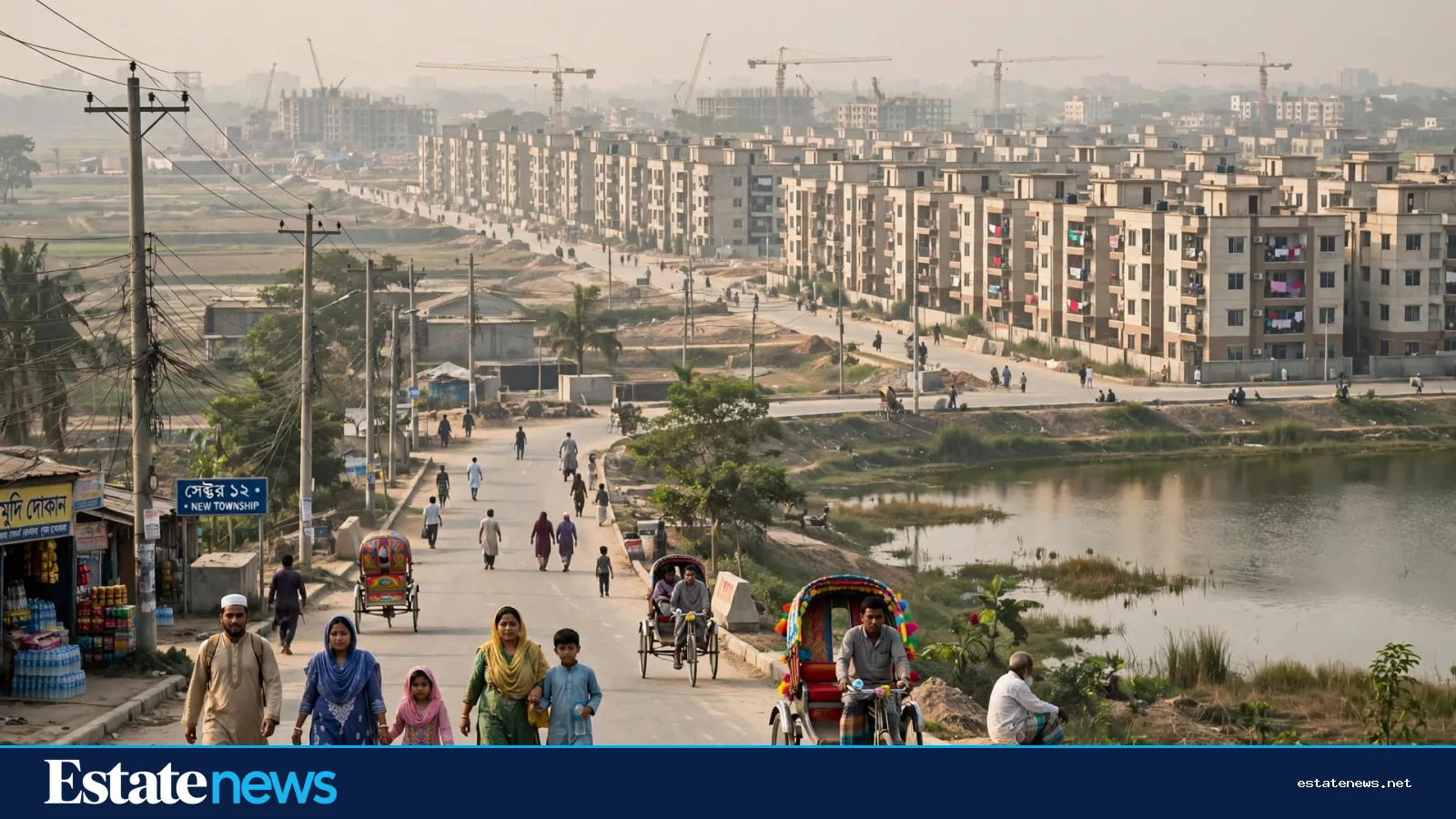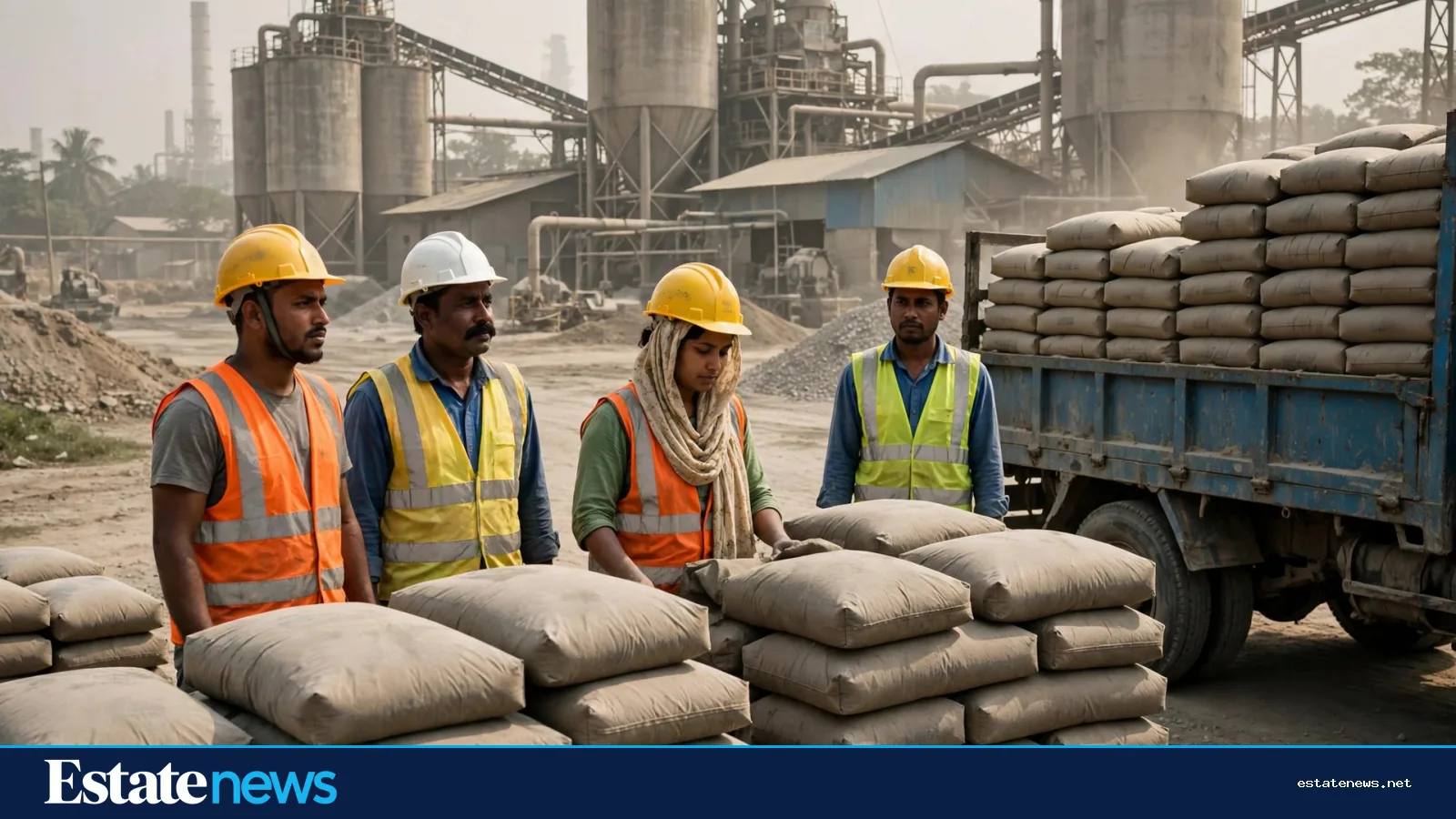
Crown Cement's latest quarter tells a story that will sound familiar to anyone building a house in Bangladesh right now. The company sold more cement and took in more money, yet it kept less of it. Net profit fell 25 percent to Tk 5.02 crore in July to September 2026, the first quarter of the 2026-27 financial year, down from Tk 6.67 crore in the same quarter a year earlier, according to a Dhaka Stock Exchange disclosure reported by TBS on 7 November.
Revenue moved the other way. It rose 12 percent to Tk 856 crore from Tk 766 crore a year earlier, and sales volume grew 13.39 percent. More bags left the factory gates, and more money came back through them. The problem sat in between, in the cost of making each bag. Earnings per share fell to Tk 0.34 from Tk 0.45.
The squeeze came from several directions at once. Raw material costs rose. Electricity and diesel, the two fuels that keep a cement plant running, cost more. Freight charges climbed as tensions in the Middle East pushed shipping costs up. Each of those costs is small on its own. Together, they took the extra revenue and left the company with less profit than the year before.

What the numbers say about building costs
Cement is one of the two materials that set the cost of building in Bangladesh, and the other is steel rod. When a cement maker sells more yet earns less, it is a sign that the cost of producing building materials is rising faster than the price the market will pay for them. That pressure does not stay inside the factory. It travels, in time, to the price of a bag at a Dhaka retail shop and to the cost of the concrete in a new building.
The published price range for a 50 kg bag of cement in Dhaka sits at Tk 540 to Tk 580, with a midpoint of Tk 560, according to The Financial Express on 10 October 2026. That figure is indicative, not a fixed rate, and it describes the retail market a month ago rather than today. Crown Cement's results suggest the pressure behind that price has not eased since. A buyer planning a build should treat the range as a starting point and check the current retail price before fixing a budget.
Steel tells a similar story. Higher-quality rod was selling at Tk 92,500 to Tk 94,500 a tonne, with a midpoint of Tk 93,500, in the same Financial Express report. Rod and cement move together in a construction budget, and when both are under cost pressure, the total cost of a building rises even if no single item jumps sharply.
A company under pressure, not in trouble


It would be wrong to read one quarter as a verdict on the company. Crown Cement's net asset value per share stands at Tk 66.08, and its annual general meeting is scheduled for 12 December, with a record date of 17 November. Sales are growing, which means demand for cement is still there. The question for the company is whether it can pass higher costs on to buyers without losing volume, or find savings in its own operations.
That question is the same one every builder in Bangladesh is asking. November construction costs: what the latest published ranges say, and what they do not set out the published ranges for materials, and the warning in that piece still holds. A range is not a promise. Prices move with fuel, freight, the exchange rate and the price of clinker abroad, and a budget built on last month's price can be wrong by the time the first truck arrives.
What a builder or buyer should do
For a family planning to build, the lesson of Crown Cement's quarter is to budget for movement, not for a single fixed price. Get quotes from more than one supplier. Ask how long a quoted price holds. Buy in stages where the site allows it, rather than committing the whole materials budget on one day's price. And keep a reserve for the items that move fastest, because a 25 percent fall in a cement maker's profit is a signal that the cost side of the market is moving.
For a flat buyer, the signal is quieter but still worth hearing. Construction costs feed into flat prices with a lag, and a developer whose margins are squeezed will look for savings somewhere. What it really costs to build a house in Bangladesh breaks down where that money goes, and the materials bill is the largest single block. A buyer who understands that breakdown is better placed to ask a developer what is included in the price, and what is not.
Crown Cement sold more cement than a year ago, and still earned less. That is the shape of the construction market this autumn, more activity, thinner margins, and costs that keep climbing. The next quarter will show whether the company can push its prices up, cut its costs down, or keep absorbing the squeeze.
This article is informational only and is not investment advice. Crown Cement is listed on the Dhaka Stock Exchange, and its share price can move for reasons beyond its quarterly results.