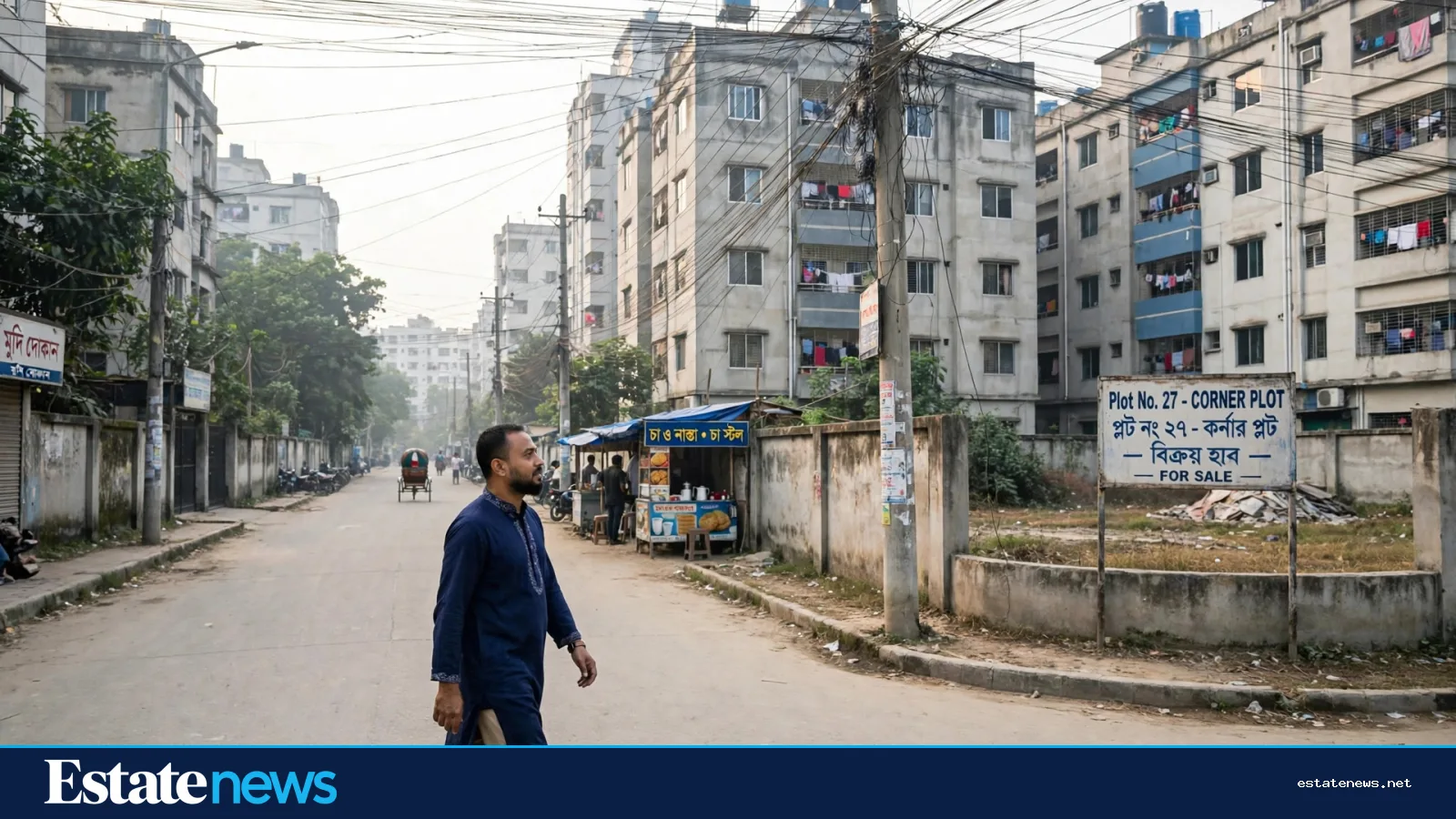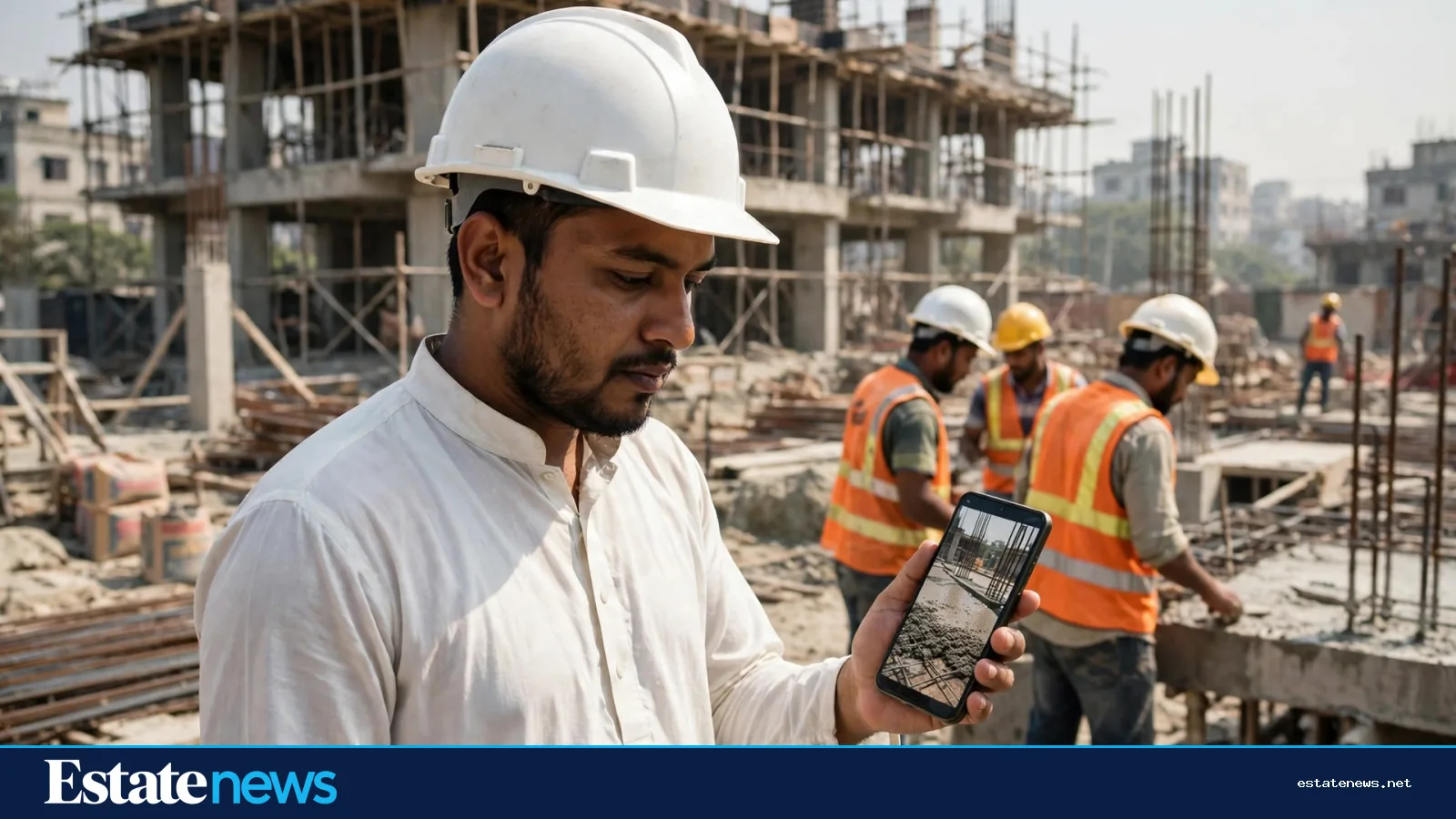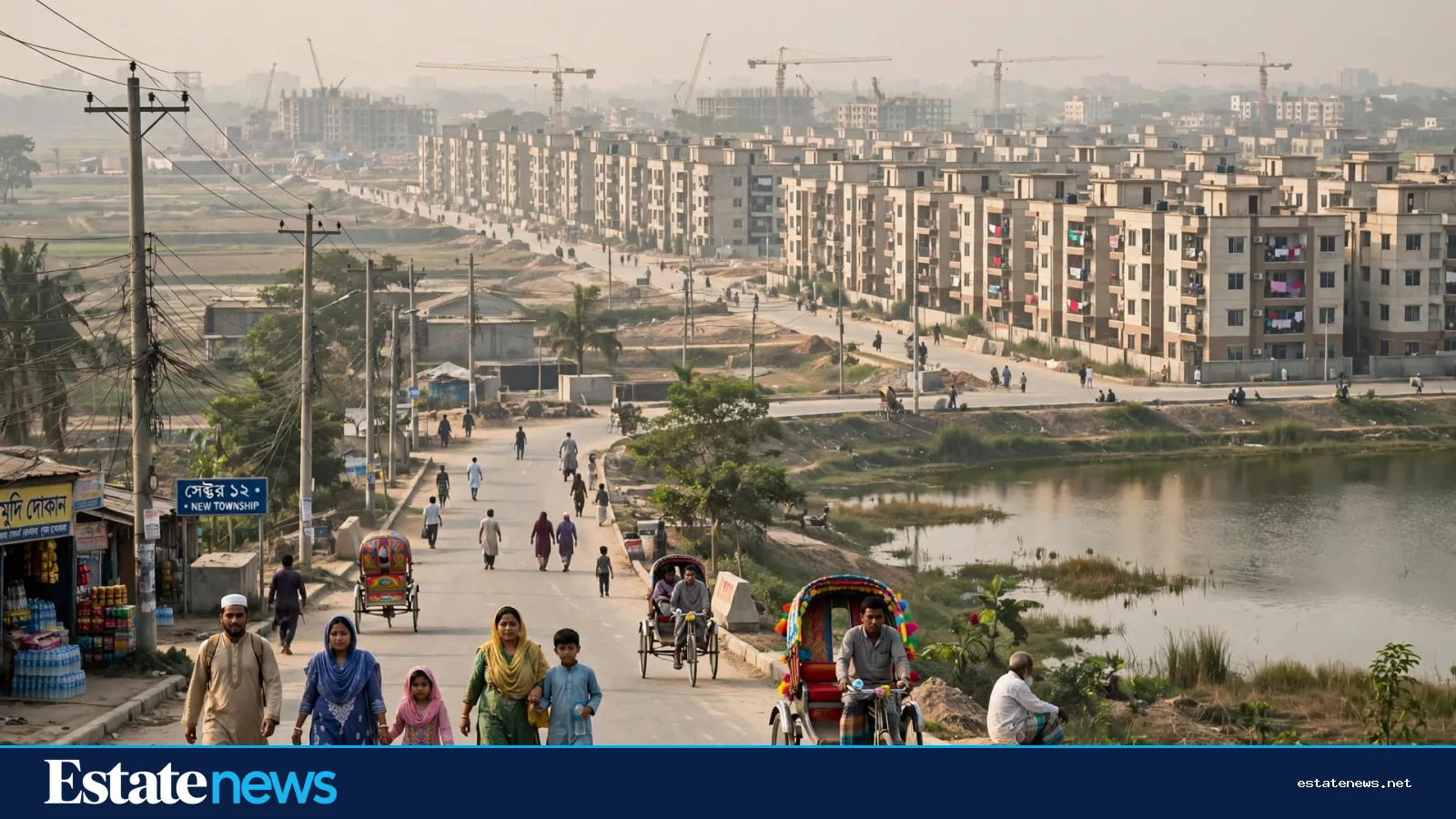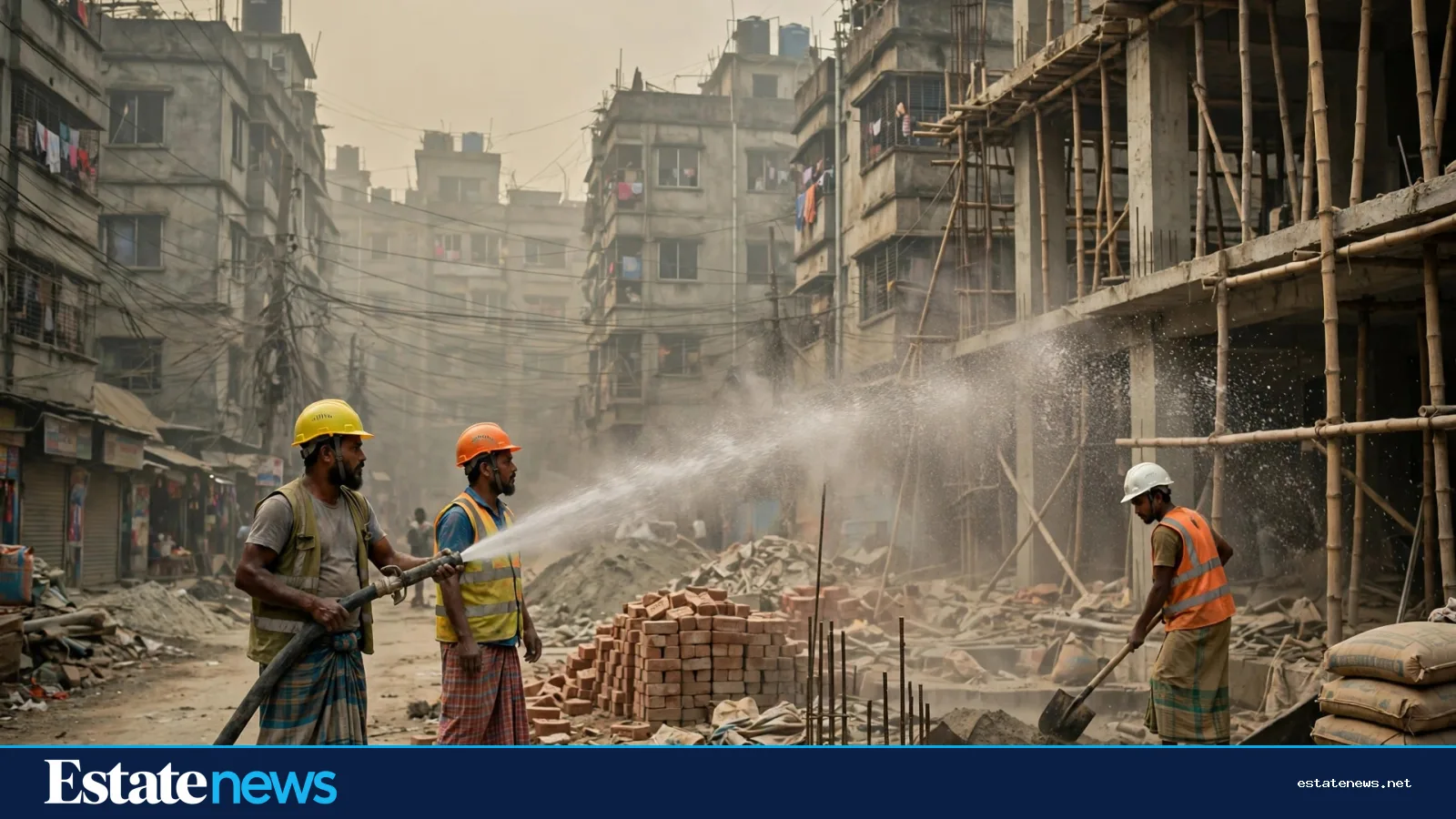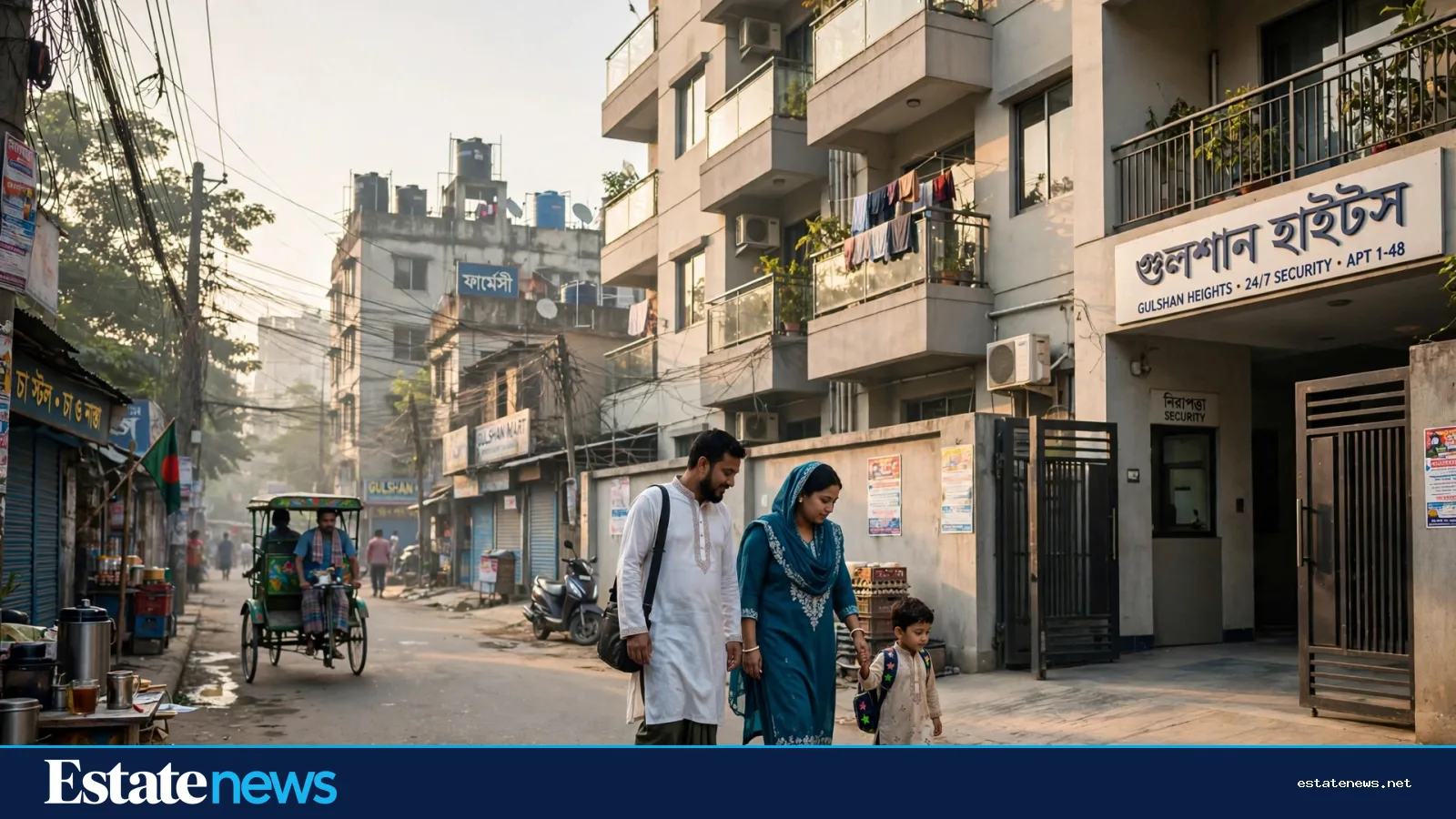
The gate opens a little after seven in the morning, and the street outside is already busy. A rickshaw passes with a schoolbag on its seat. A caretaker waters the plants by the entrance. Inside, the lift hums, a door closes somewhere above, and a family starts its day in a flat that looks out over a road they have known for years. In Dhaka, a home is not only a purchase. It is the place where the same routine repeats, day after day, and the building either makes that routine easier or it does not.
The company behind a large number of those routines is bti, Building Technology and Ideas Ltd. Its thesis is simple: Dhaka does not need one kind of flat, it needs several kinds, built by the same hands, for buyers at very different stages of life. That is why its projects are grouped into collections, Classic, Luxury and Wellness Communities. A young couple buying a first home, a family moving up to a larger address in Gulshan, and a household looking for a gated community with room to walk are not buying the same thing. The question for each of them is whether the collection they choose matches the life they actually live.
Four decades in the same trade

bti began in 1984, according to the company's own history and several independent guides to the sector. In 1984 there were only a handful of private developers in the country. The company grew with the trade itself, and it is a founding member of REHAB, the Real Estate and Housing Association of Bangladesh. Deshiz, in its 2026 guide to the country's developers, places bti first among ten established names and describes it as best for a long, proven track record in Dhaka and Chattogram. REHAB now has around 930 member companies, according to the same guide, so a founding place marks a firm that was present when the rules of the trade were still being written.
The company also says it was the first real estate firm in Bangladesh to receive ISO 9001 certification for quality in design and construction. Its head office stands in Gulshan-2, with a branch office in Chattogram. Many large Dhaka developers work only in the capital, so building in both cities means learning two land markets and two sets of buyer expectations. Its website says it has delivered homes to more than 7,000 customers, and independent guides put its completed projects at more than 400 across Dhaka and Chattogram. Those are company figures, and a careful buyer still checks the individual project before paying.
Classic: the everyday flat, done properly
The Classic Collection is where most buyers meet the company. These are flats for middle and upper-middle income families, in sizes that fit a household rather than impress a guest. In Bashundhara Residential Area, The Sunrise, a Classic project on Block D, offers a south-facing apartment of 2,480 sq ft. In South Khulshi, Chattogram, Ispahani Regal offers apartments from 1,593 to 1,908 sq ft on a corner plot. In Mirpur DOHS, Cosmopolis ranges from 1,042 to 2,229 sq ft. The figures differ, but the idea stays the same: a flat sized for daily life, in a neighbourhood where schools, shops and transport already exist.
That spread across the map is part of the Classic idea. Deshiz lists the company's current Dhaka projects across Gulshan, Bashundhara, Uttara, Mirpur, Mohakhali, Aftabnagar and Moghbazar. A buyer who cannot afford Gulshan can still look at the same builder in Mirpur or Uttara. Bashundhara Residential Area, a planned neighbourhood learning to live like a small city shows how that part of the city has grown around its residents. For a first-time buyer, that choice matters more than any brochure line, because the decision is not only about the flat, but about the commute and the school run.
Luxury: what Gulshan asks for
At the other end of the range sits the Luxury Collection, and in Dhaka that word has a specific address. Gulshan-2, with its lake, its clubs and its embassies, has long been the city's most expensive residential patch. The asking price for Gulshan flats in a recent sample of listings stood at Tk 20,000 per sq ft, according to the Estate News area-price tracker, which records asking prices from listings rather than completed sales. A buyer paying at that level is not only buying floor space. The buyer is buying quiet, light, security and a view that cannot be built over in a hurry.


One project shows what that means in practice. THREE, a bti project on Kemal Ataturk Avenue in North Gulshan, was described by The Financial Express as a building of 14 apartments, each more than 7,000 sq ft, facing Gulshan Lake, with Gulshan Club across the street. The company's brochure places it in the Platinum Collection, its top tier, and notes smart-home features and home automation. It was set for handover in June 2022, with most units already sold by then. Fourteen homes in one building is a different kind of business from a tower of a hundred flats, and the service charge, security and upkeep all work differently. Gulshan versus Banani, what premium buyers pay for an address sets out how those two premium neighbourhoods compare.
Wellness Communities: a gated answer to crowded Dhaka
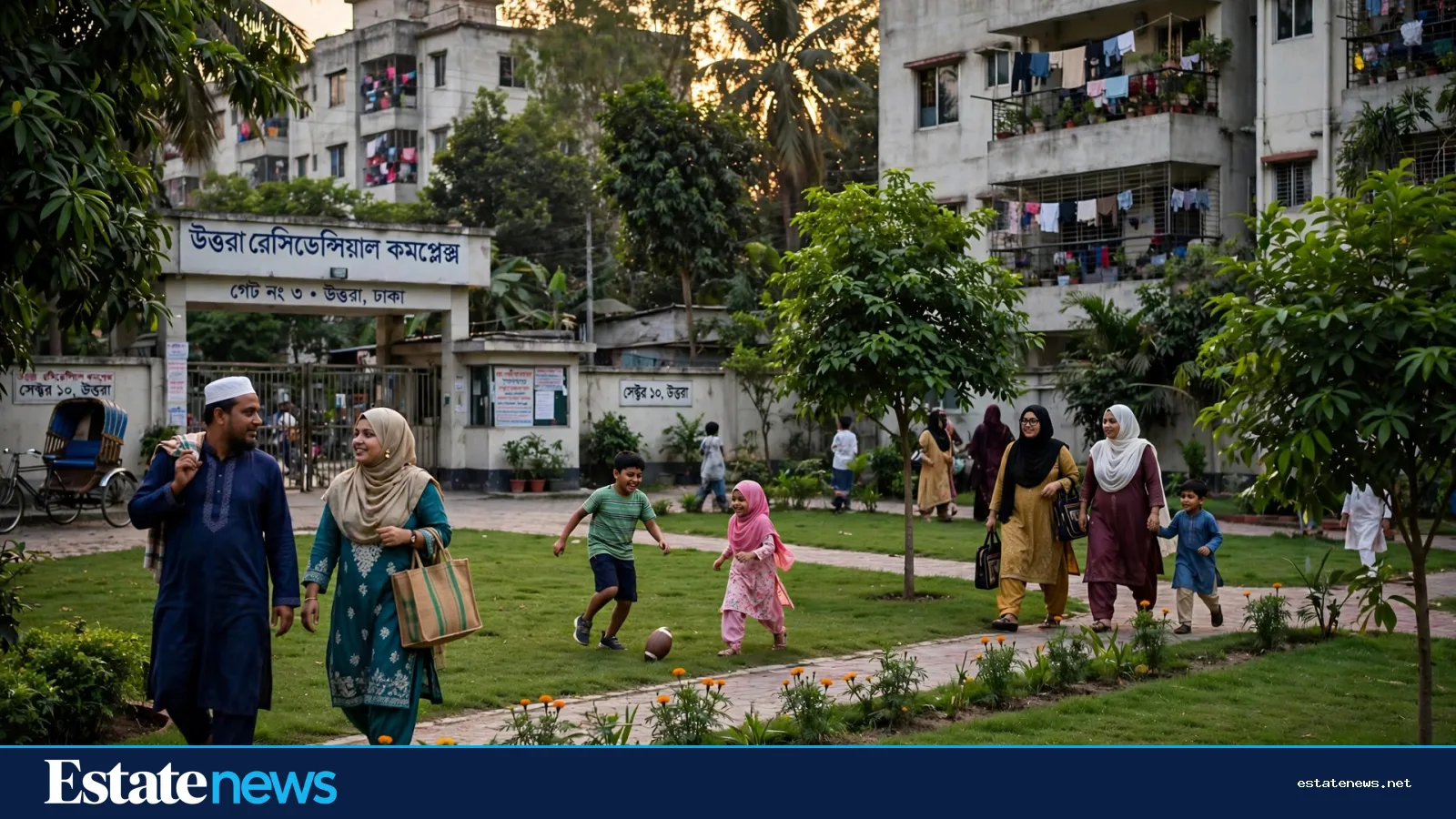
The third collection is the newest idea, and the one that says most about how Dhaka living is changing. Wellness Communities are gated communities built around open space, greenery, privacy and shared facilities for health and fitness. bti says it was the first developer in Bangladesh to build such communities, and its newsletter from March 2021 reported five such projects in Dhaka and one in Chattogram at that time. In a city where a family can live for years without a park nearby, a community with its own green space, walking paths and a place for children to play has a clear pull.
Two projects from that newsletter show the shape of it. The Madison, in Diabari, Uttara, stands on 63.23 kathas of land, according to the company's own publication, with a secluded feel despite its access to Uttara's shops and services. It was described as the first Wellness Community with a safe daycare space, where parents could leave a child while they went about their day. The Millenial, on the 100 ft Road near Gulshan, was built as three towers sharing amenities designed around fitness and health. Each project tries to give residents, inside one boundary wall, some of the things Dhaka's streets no longer give easily: space to walk, air, a place for children, and a measure of quiet.
That idea will not suit every buyer: the commute is longer and the service charge higher, so a family should visit on a weekday evening before deciding.
What a long record does, and does not, prove
A record of more than 400 projects and more than 7,000 customers is a strong starting point, but it does not remove the need for checks. The company says it has carried out research on earthquake-resistant buildings since 2016, in collaboration with the University of Asia Pacific and led by the late national professor Jamilur Reza Chowdhury, and that the results are used in all its residential and commercial projects. It also says it won the Super Samakal Award in 2021 for earthquake preparedness, the only private real estate company to do so. Those are company claims, and a buyer can still check the approved plan and fire safety measures.
The same care applies to the paperwork. A buyer should ask for the RAJUK or Chattogram Development Authority approval, the deed, the mutation record and the draft deed of agreement, and should have a lawyer read them before paying booking money. Membership of REHAB is one check among several, not a substitute for reading the documents. A long-established builder makes those checks easier, because there are past buyers to ask and completed buildings to walk through. It does not make them unnecessary.
Dhaka's housing market rewards builders who stay in one place and learn it well. A developer that began in 1984 has lived through several cycles of that growth. Its task now is the same as at the start: to hand over a flat that works on an ordinary morning, when the gate opens and a family starts its day.