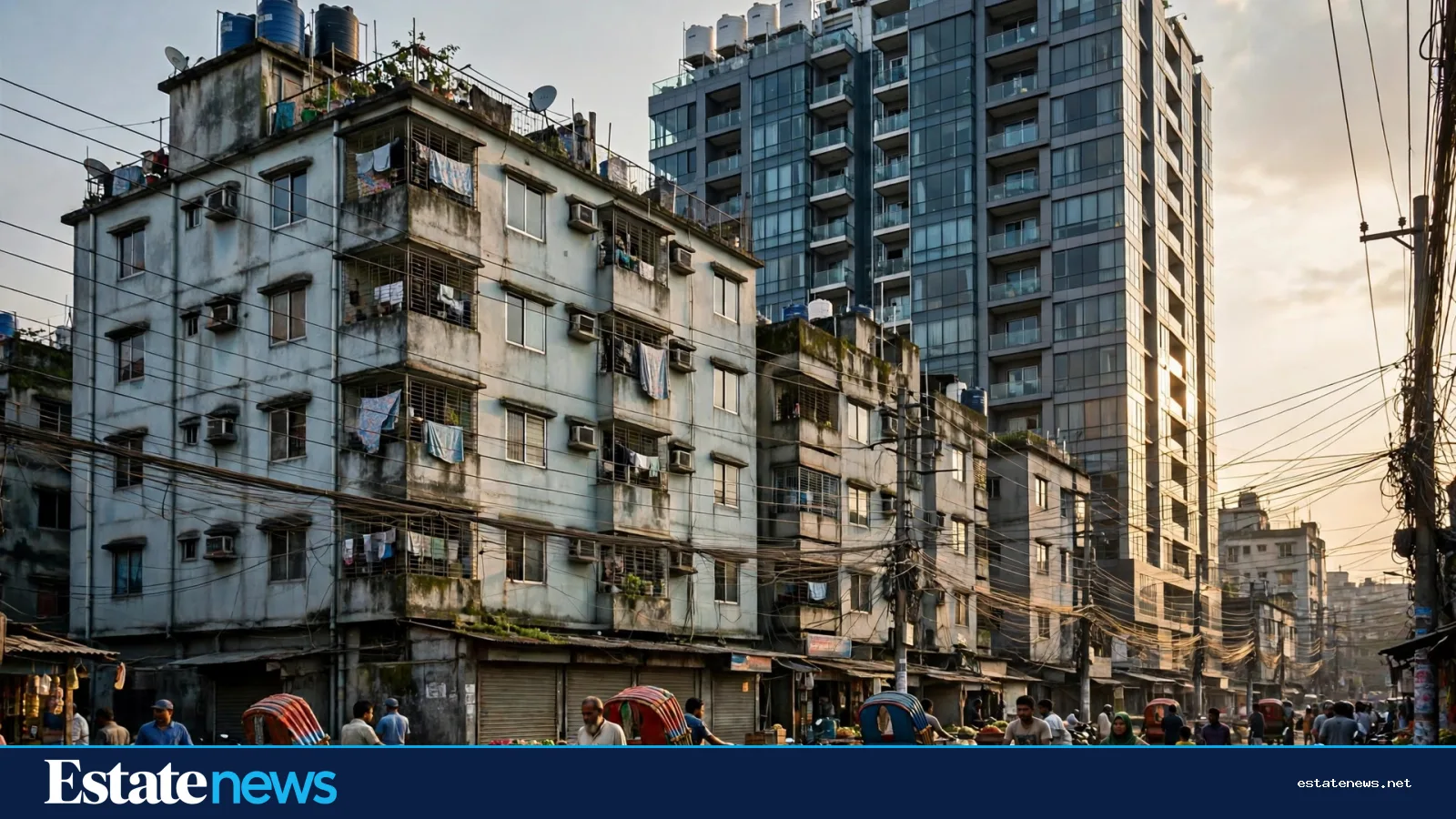
The sky over Agargaon turned the colour of weak tea on Saturday evening. Across the road from the Bangladesh Institute of Development Studies, the air quality monitor showed 186. That is deep into the unhealthy range, and it was the worst reading in the city that evening. Dhaka as a whole ranked third among the world's most polluted cities, according to IQAir, with an index of 164.
The surprise was not that the air was bad. The surprise was where it was bad. Baridhara Park Road recorded 168. Pragati Sarani in Badda and Becharam Deuri recorded 167 each. Baridhara Lakeside and Dhanmondi recorded 161 each. Gulshan Lake Park recorded 160. Eastern Housing in Banani recorded 156. These are the addresses buyers pay a premium for, and the air there was barely better than the city average.
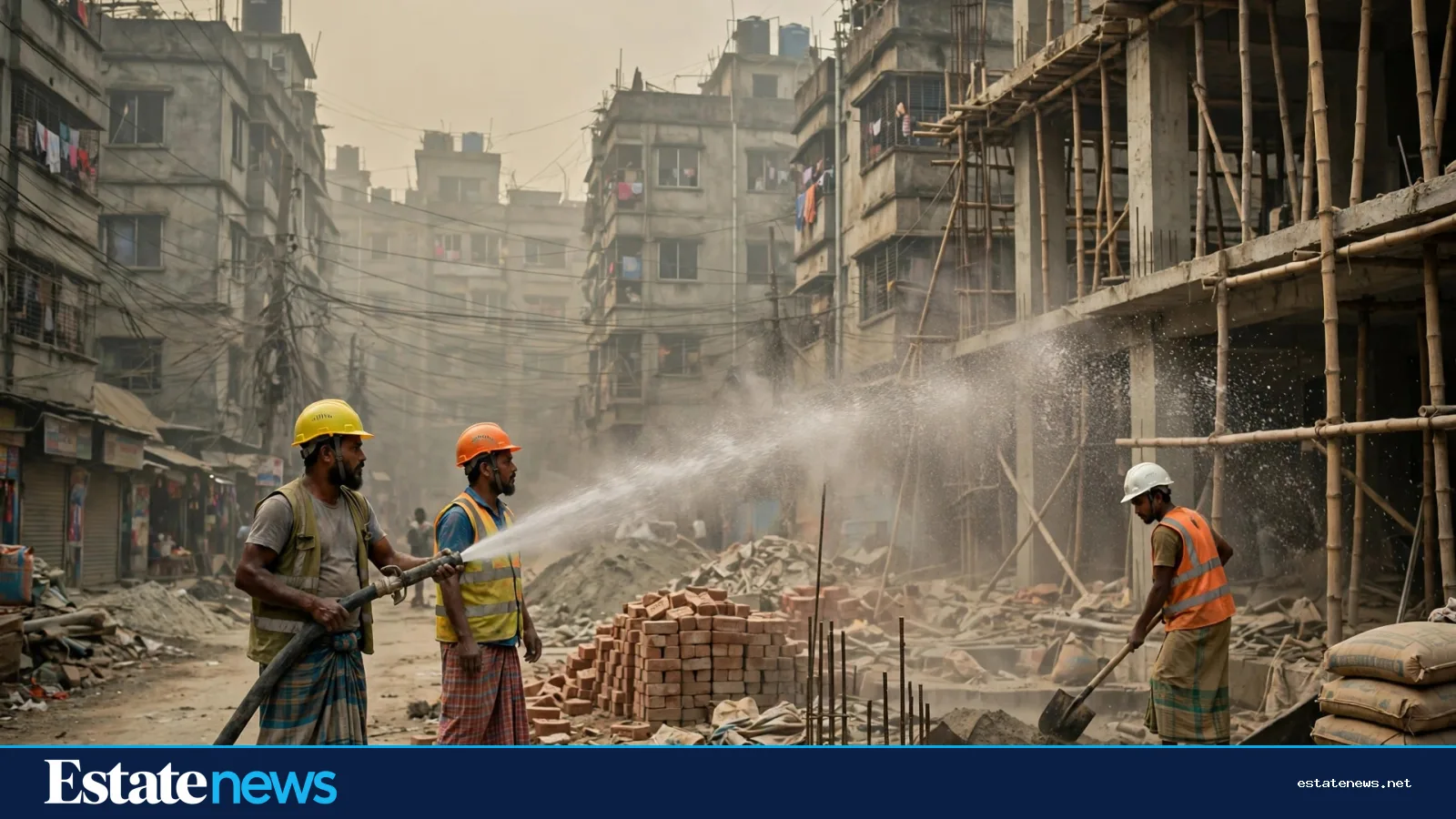
Construction dust and vehicle emissions were blamed for the readings, according to the report carried by the Daily Sun from Bonik Barta on 8 November. Construction sites often fail to adopt dust-control measures, and the dust from one site drifts across the whole lane. A building going up next door can fill a finished flat with fine dust through windows that were never designed to keep it out.

The courts have been watching this for years. The High Court directed the authorities on 2 November to report within two weeks on its nine-point directives from 2020 to curb air pollution. The next hearing is on 16 November. The directives cover the familiar ground: dust from construction, smoke from brick kilns, emissions from old vehicles, open burning of waste. What the court asked for this month is a progress report, and the readings from Saturday evening show how much ground remains to be covered.
What the numbers mean for a flat
An air quality index of 164 sits in the unhealthy band. At that level, people with asthma or heart trouble feel it first, and children and older residents feel it next. For a buyer, the reading is not a reason to walk away from Dhaka. It is a reason to look at a flat the way a doctor looks at a patient: check the surroundings, not just the rooms.
A flat beside an active construction site will live with dust for as long as the site runs. That can mean two years of grey windowsills and a balcony that needs sweeping every morning. It also means asking the builder what dust control the site actually uses. Water spraying on exposed soil, covered trucks carrying sand and cement, and mesh screens around the frame are the basic measures. A site that does none of them will show it in the lane outside.
Ventilation and the green buffer


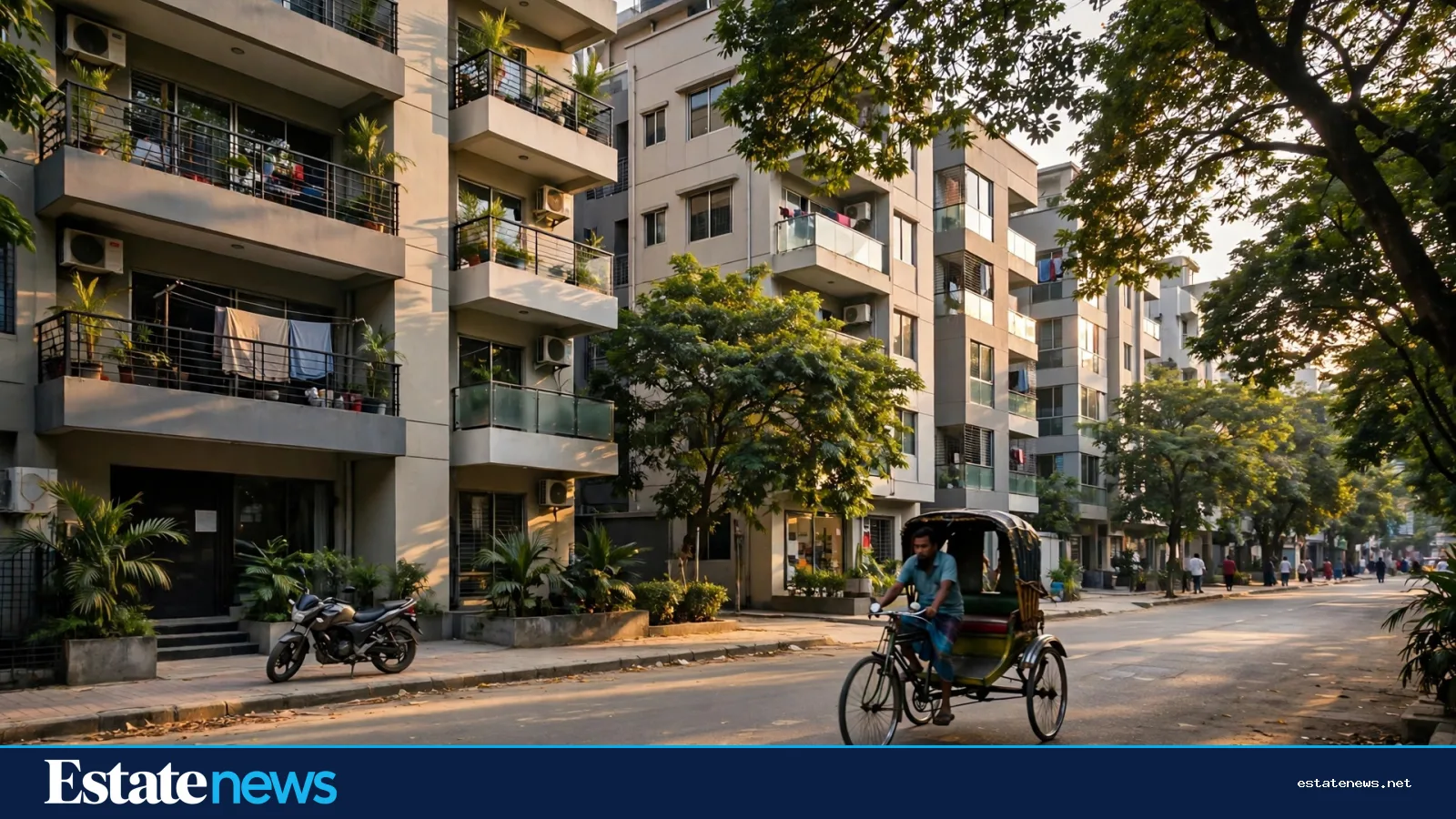
Inside the flat, cross-ventilation is the simplest defence. Two windows on opposite walls move air through a room in a way a single window cannot, and a flat with windows on two sides stays fresher through the winter months when the air is at its worst. Buyers who visit a flat in the morning should open the windows and feel for the draught. A flat that stays still and warm with both windows open has a ventilation problem that no air purifier fully fixes.
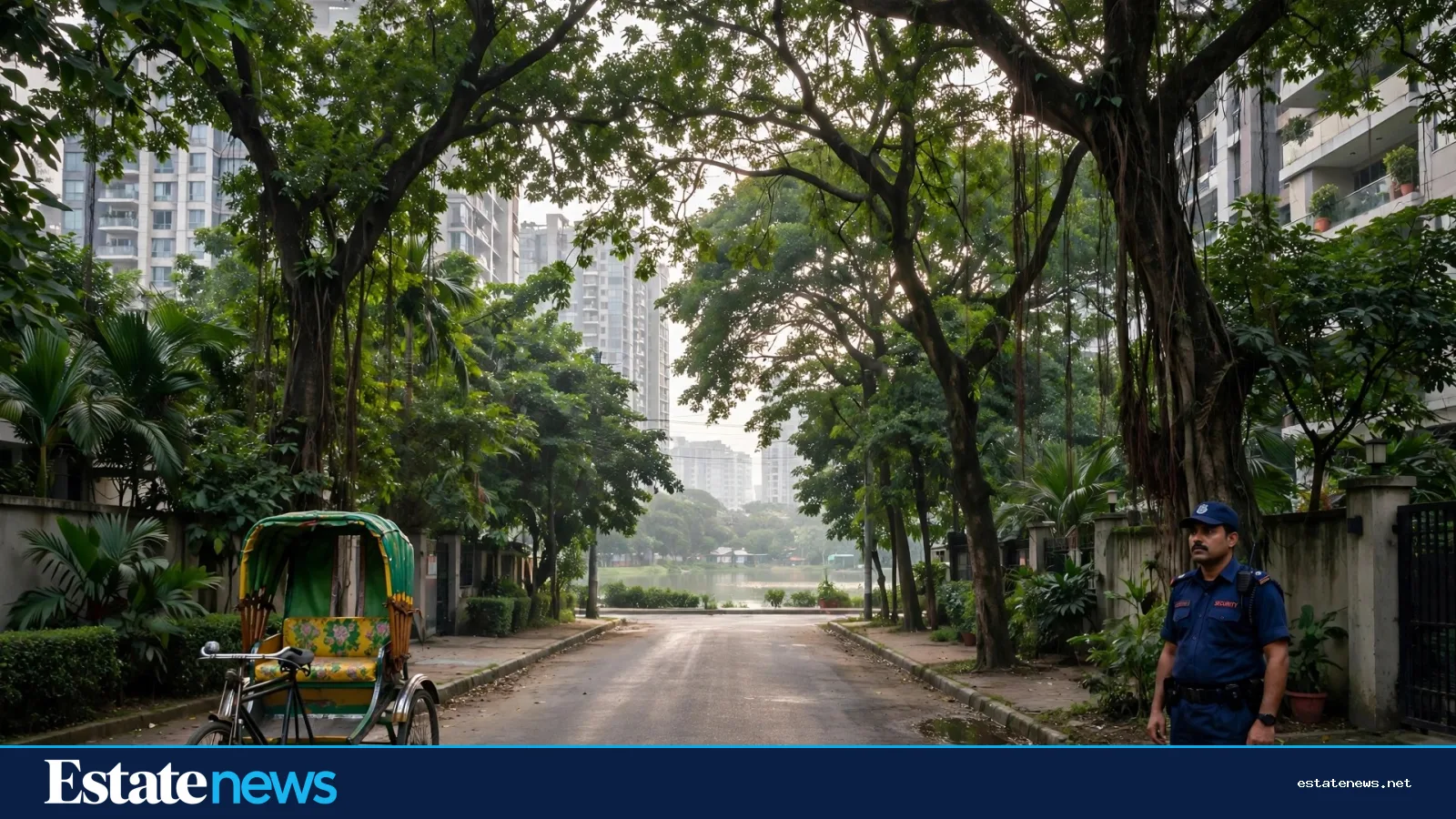
Trees help, in a modest and real way. A building with a planted boundary, a lawn, or a park across the road holds less dust in the air around it than a bare concrete plot. Gulshan Lake Park recorded 160 on Saturday, lower than the roads around it, and the lake and its trees are part of the reason. A buyer cannot plant a park, but can choose a building that kept its trees instead of paving over them.
The green building standards now appearing in Dhaka's premium projects include ventilation and material choices that cut indoor dust and heat. They are worth reading closely, because a certificate on a brochure is not the same as a window that opens onto a breeze.
Questions to ask before booking
A buyer can ask the developer for the dust-control plan for the site, and for the record of how the last project handled it. A developer that has an answer has thought about it. One that waves the question away has not.
The neighbours are a better source than any brochure. Ask the family in the building next door how often they wipe dust from the furniture, and whether the site water-sprays in the dry months. Ask the caretaker whether the lift lobby is swept twice a day or once a week. The answers tell a buyer more about the next two years than the sales office will.
The wider picture matters too. Winter is the season when Dhaka's air is at its worst, and the readings from Saturday evening arrived at the start of it. Construction costs are rising, and sites are under pressure to build fast. Speed and dust control pull in opposite directions, and a buyer who asks about both is asking the right question.
None of this makes Dhaka unlivable. It makes the choice of a flat a choice about air as well as price and location. The readings from Agargaon, Gulshan and Banani are a reminder to check the air before the papers, and to pick the building that gives a family room to breathe.