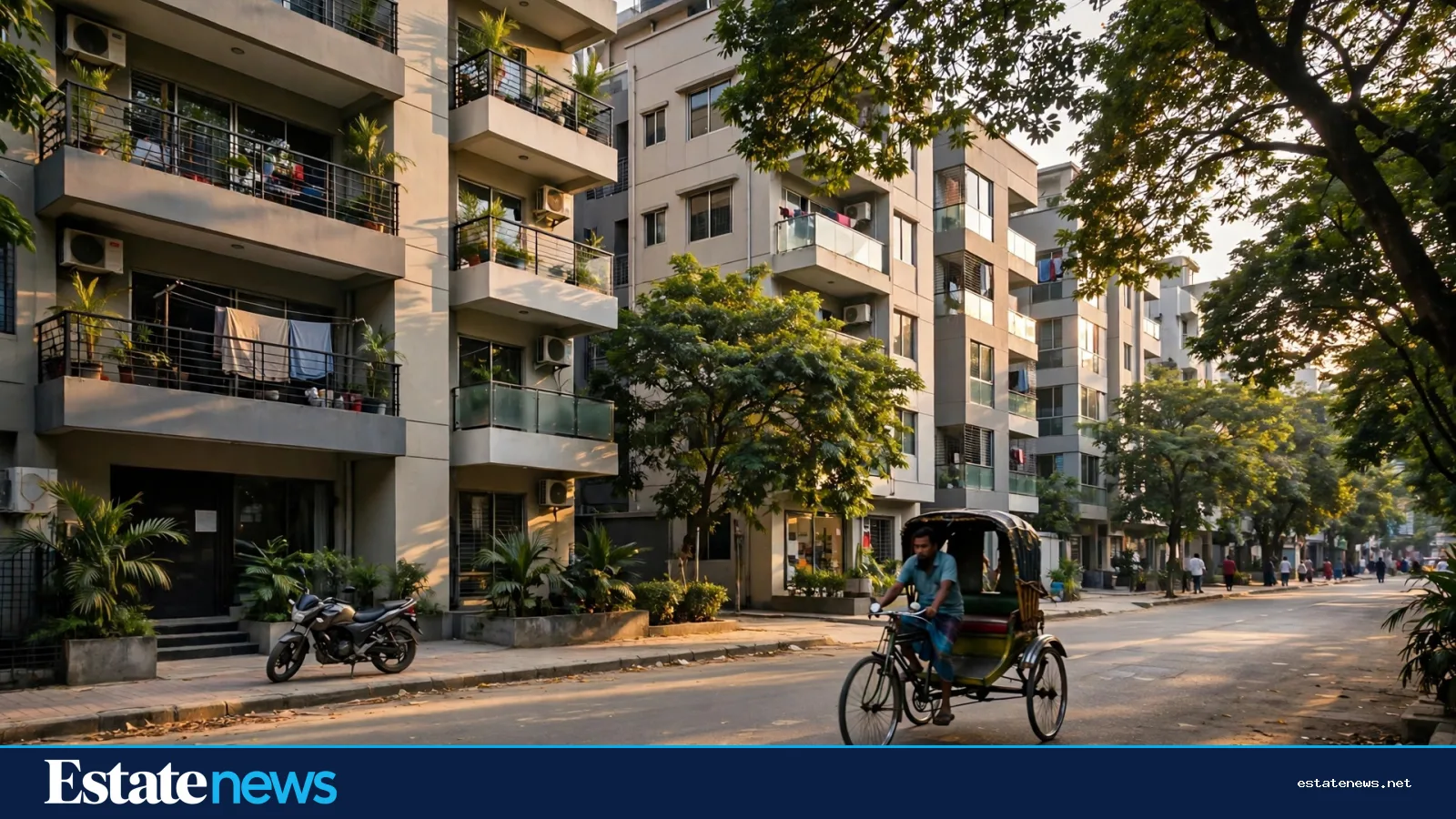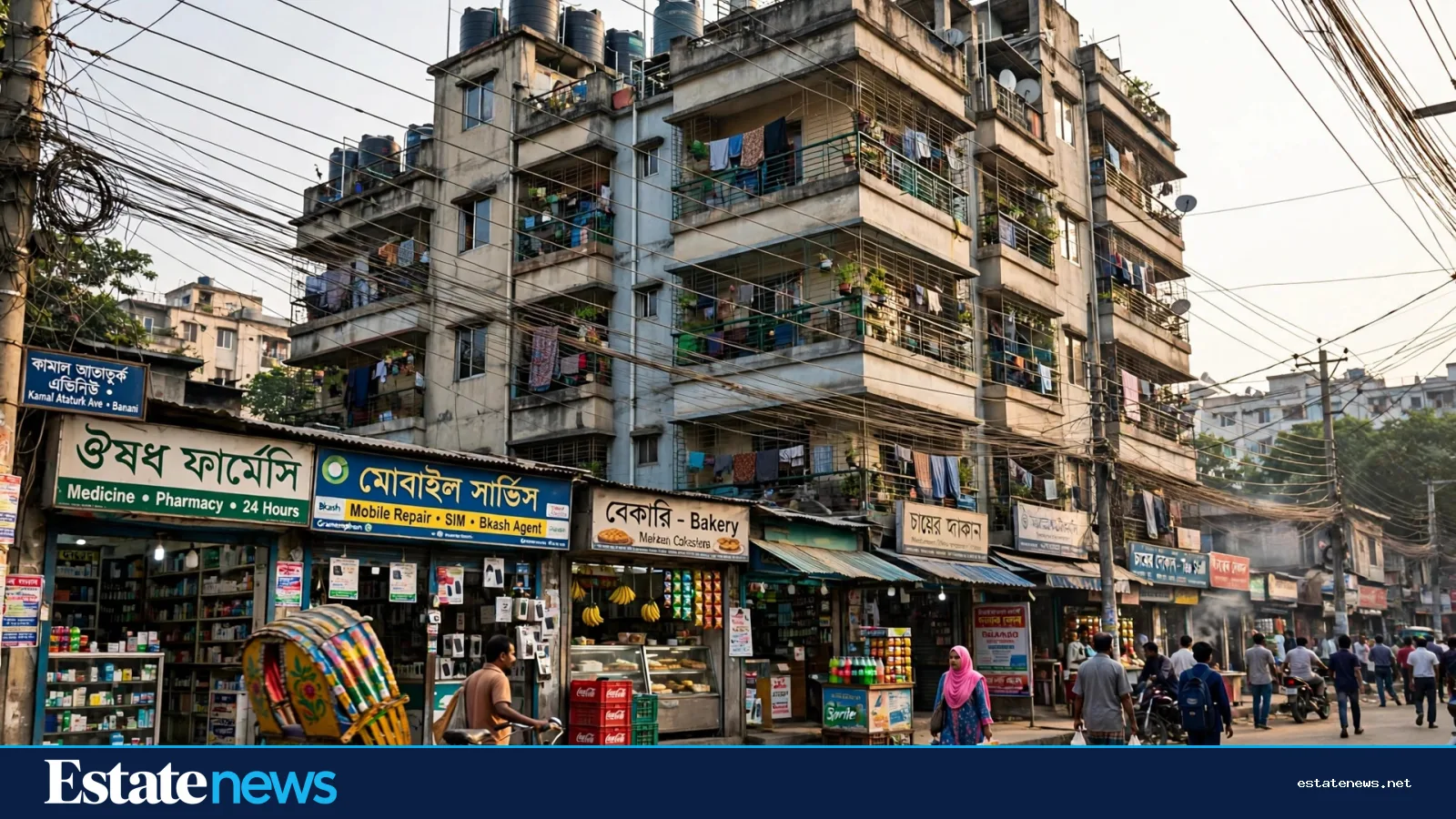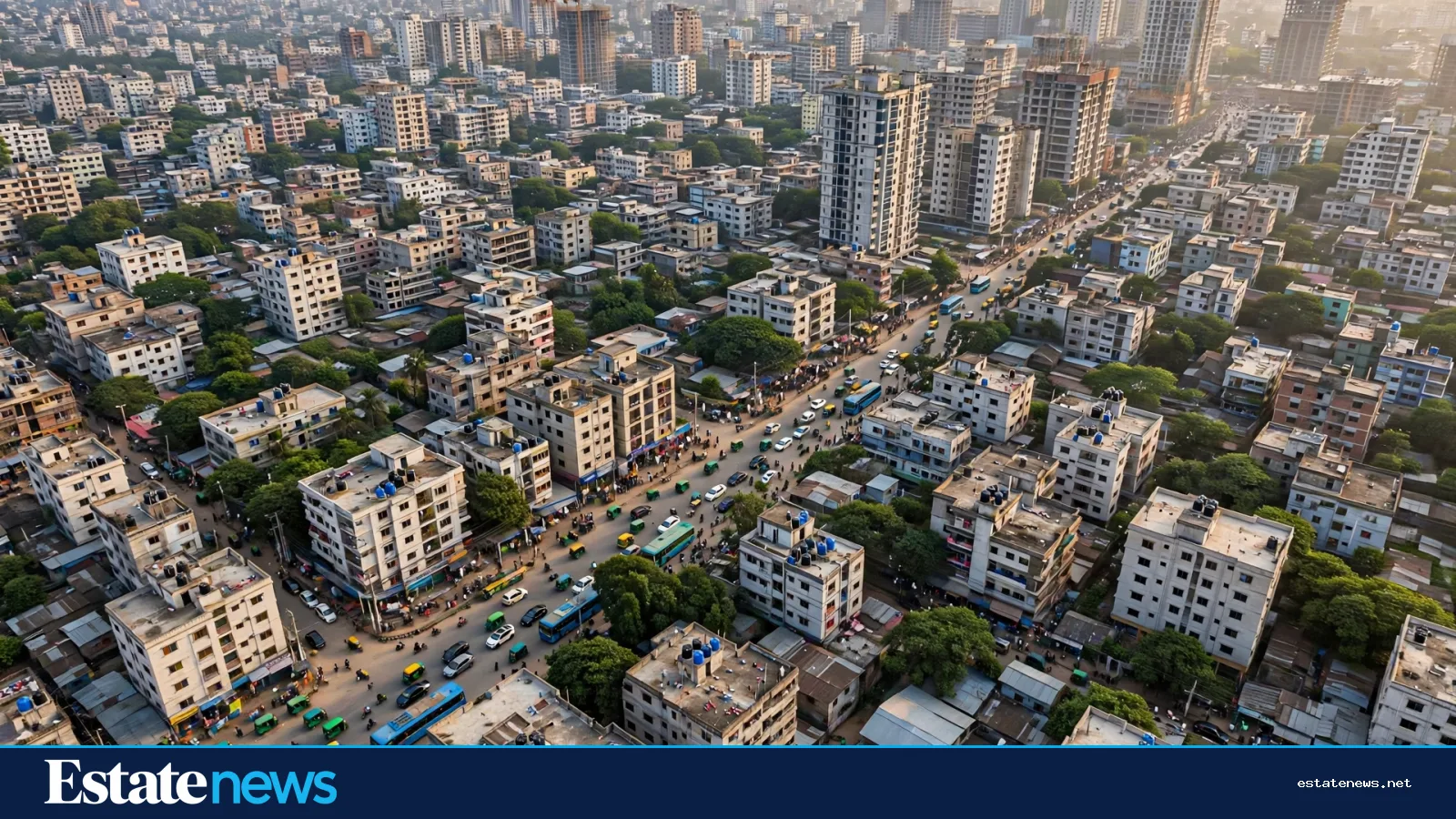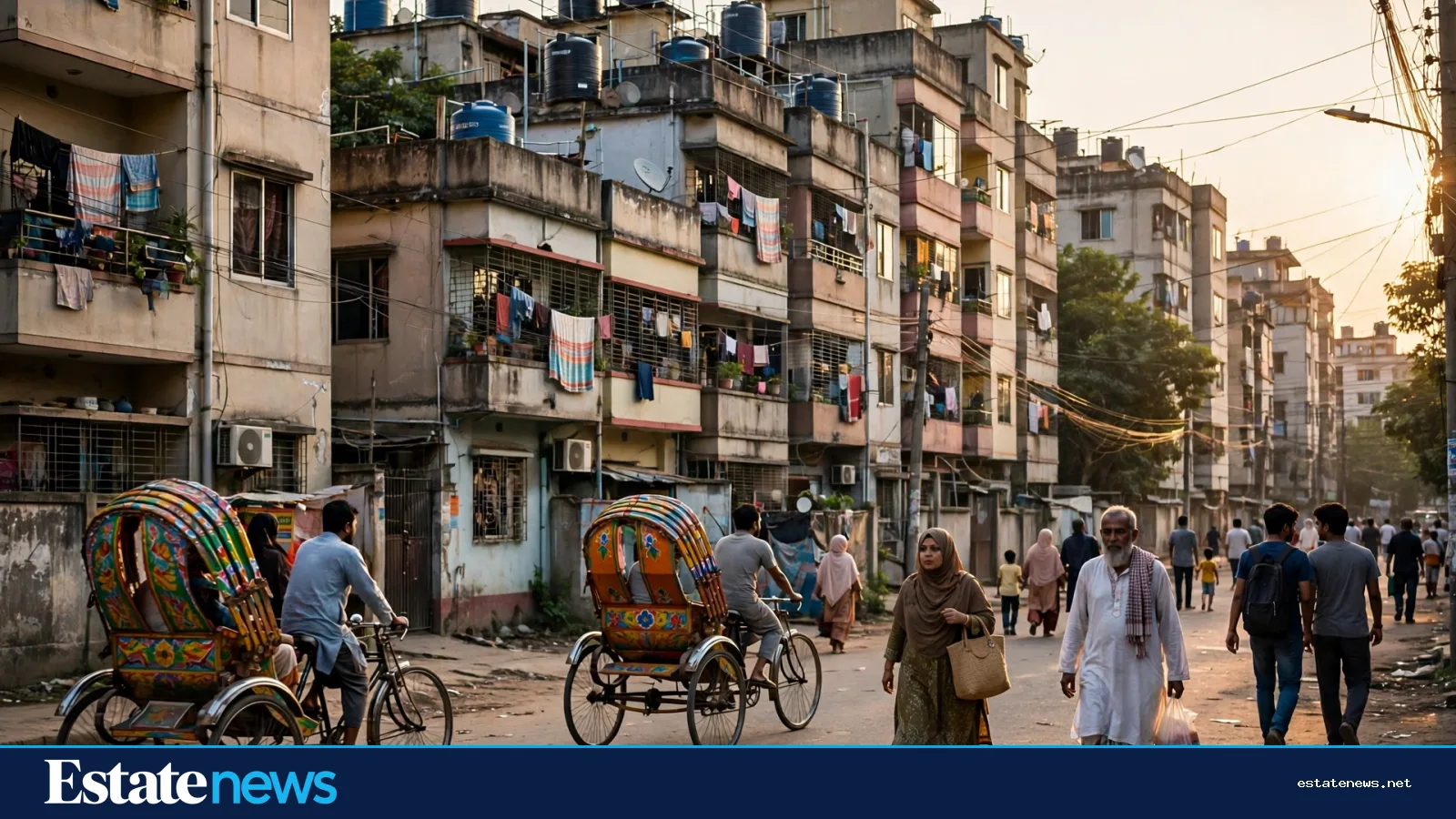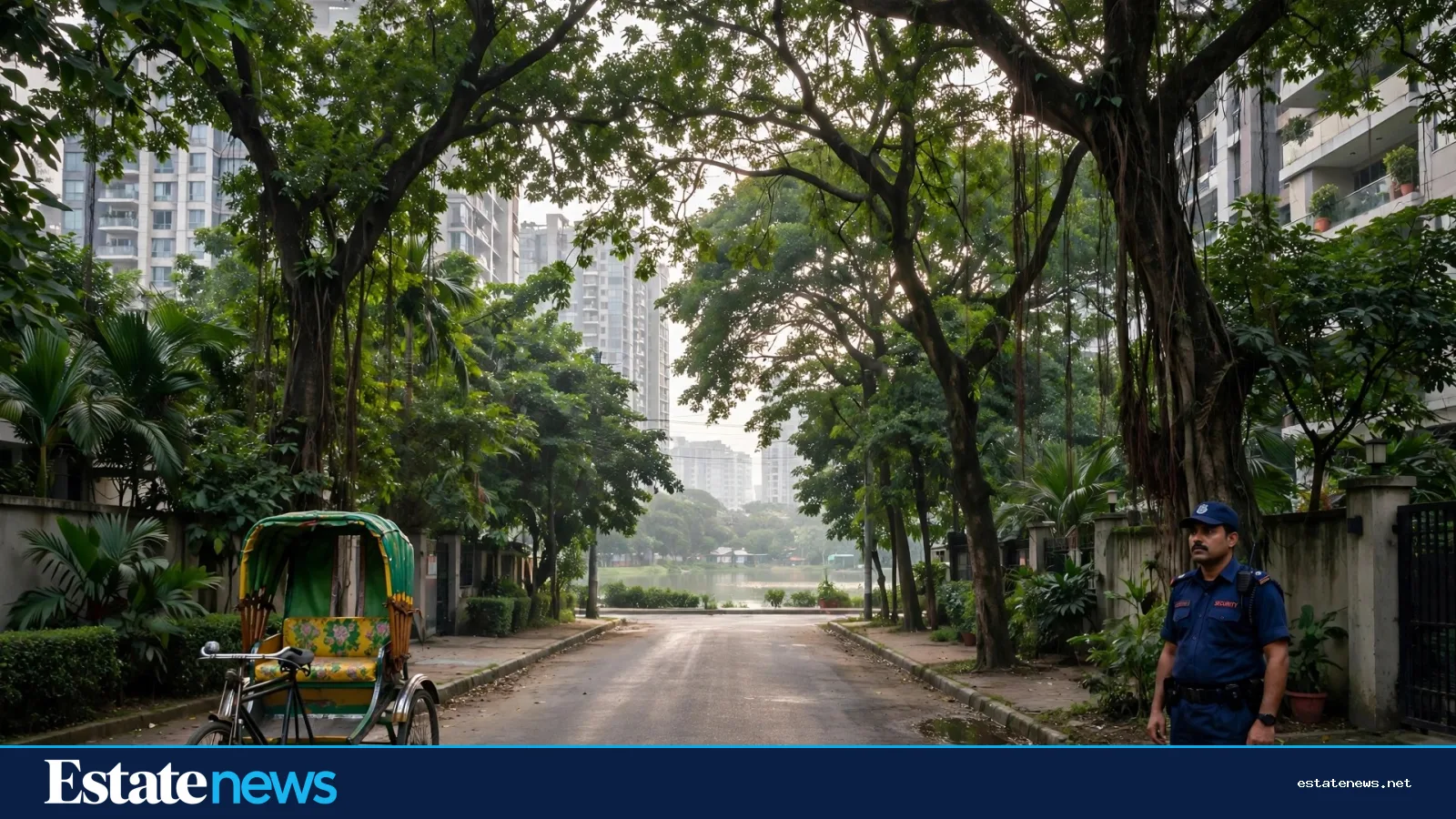
Ask a Dhaka property broker where the city's premium buyers look first, and the answer usually starts with two names. Gulshan and Banani sit side by side in the north of the city, separated by a lake and a short drive, and together they hold much of the capital's high-end housing. They look similar on a map. Living in them feels different, and buyers who understand the difference make fewer expensive mistakes.
Gulshan grew as a planned residential area, with numbered avenues, plots laid out in sectors, and a lake running along its edge. Gulshan 1 holds the commercial heart: offices, restaurants, banks and the diplomatic enclave. Gulshan 2 is quieter, with larger plots, older houses behind high walls, and some of the city's most expensive apartment towers. The lake gives parts of Gulshan a view and a breeze that few Dhaka neighbourhoods can match. It also gives the area its morning walkers and its lakeside parks.
Banani grew up beside it, smaller and more mixed. Its blocks hold apartment buildings, corporate offices, schools and restaurants in closer quarters. Banani's streets feel busier than Gulshan 2, and its housing stock leans more toward apartment towers than the large individual plots that still define parts of Gulshan. For a buyer who wants to walk to a restaurant, a school or an office, Banani's compact layout has an everyday ease to it.

Who lives there, and what the housing looks like
Gulshan's residents include diplomats, senior business families, expatriates and executives of multinational companies. The diplomatic presence shapes the area: embassies and high commissions, international schools nearby, and security arrangements that make some streets quieter and more controlled than the rest of Dhaka. The housing reflects that mix. Older single-family houses stand beside newer apartment towers, and a buyer may find a decades-old house on a large plot one street away from a tower with a swimming pool and a gym.
Banani's residents include business owners, professionals and families who work in the corporate offices along Kemal Ataturk Avenue and the surrounding blocks. The area has long been a base for corporate houses and their staff, and its apartment buildings tend to serve families who want to be close to work and to the schools in and around the neighbourhood. The housing stock is newer on average than Gulshan's older houses, and more of it is apartments rather than individual plots.
Lakes, parks, schools and the daily commute


Gulshan Lake is the area's defining feature. The walkway along parts of the lake draws joggers in the morning and families in the evening. Gulshan also has parks and open spaces that are rare in Dhaka. Banani has its own green corners, including the park near Banani field and the open ground by the lake's edge, but its green space is smaller and more scattered. A buyer who wants a daily walk by the water will feel the difference.
Schools and offices pull in both directions. International schools and several well-known English-medium schools serve the Gulshan-Banani belt, and the commute to them is short from either neighbourhood. Corporate offices cluster in both areas, with Gulshan 1 holding more of the diplomatic and multinational presence and Banani holding more of the local corporate houses. For many buyers, the deciding question is which one puts the children's school and the office within a short drive.
Traffic shapes that drive. Both areas sit close to the airport road and the main north-south routes, and both suffer at rush hour. Gulshan's internal avenues are wider and easier to navigate, while Banani's narrower streets can clog when offices empty in the evening. A buyer should make the drive at 9 in the morning and at 6 in the evening before deciding.
What each neighbourhood suits, and what prices really depend on
Gulshan suits the buyer who wants space, quiet and a prestigious address, and who is willing to pay for a larger plot or a larger flat in a tower with full amenities. Banani suits the buyer who wants a compact, convenient base close to offices, schools and restaurants, and who prefers an apartment building with neighbours nearby to a walled house on a large plot. Neither choice is wrong. They are answers to different questions about how a family wants to live.
Prices deserve a plain word. There is no single price per sq ft for Gulshan or Banani that a buyer can rely on. Prices vary widely from building to building, depending on the age of the building, the floor, the view, the amenities, the developer and the condition of the flat. Two flats of the same size on the same road can carry very different asking prices. Any buyer should check the price of the specific flat, in the specific building, against recent listings for comparable flats nearby, and should treat any area-wide average with care. An address is worth what a particular building offers, not what the neighbourhood's name suggests.
The choice between Gulshan and Banani is best made on foot, at different hours, over more than one visit. Walk the lake in Gulshan. Walk the blocks of Banani. Drive to the office at rush hour. Sit in the flat in the evening and listen. The premium in these neighbourhoods is not only the address on the deed. It is the daily life that comes with it.