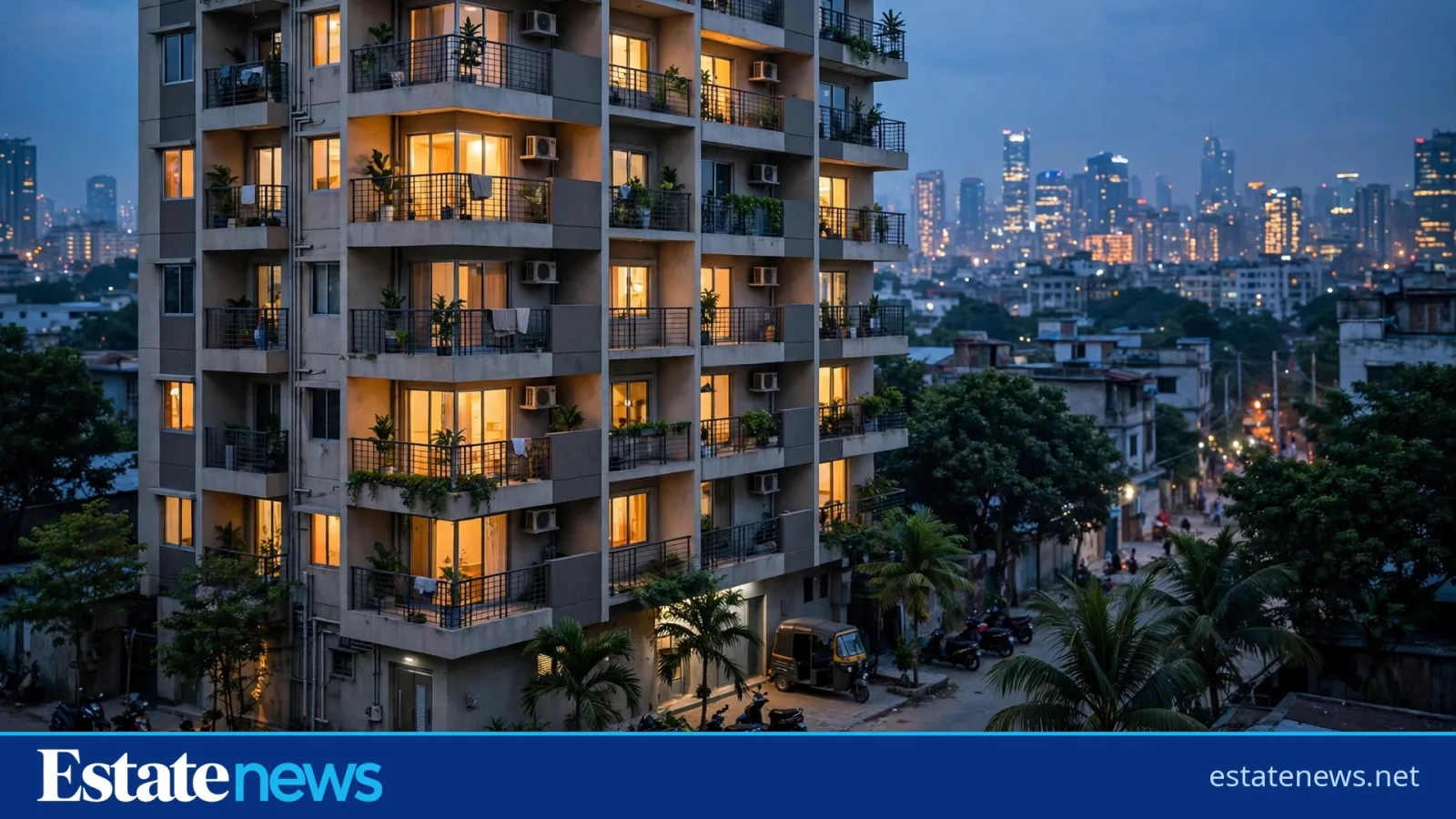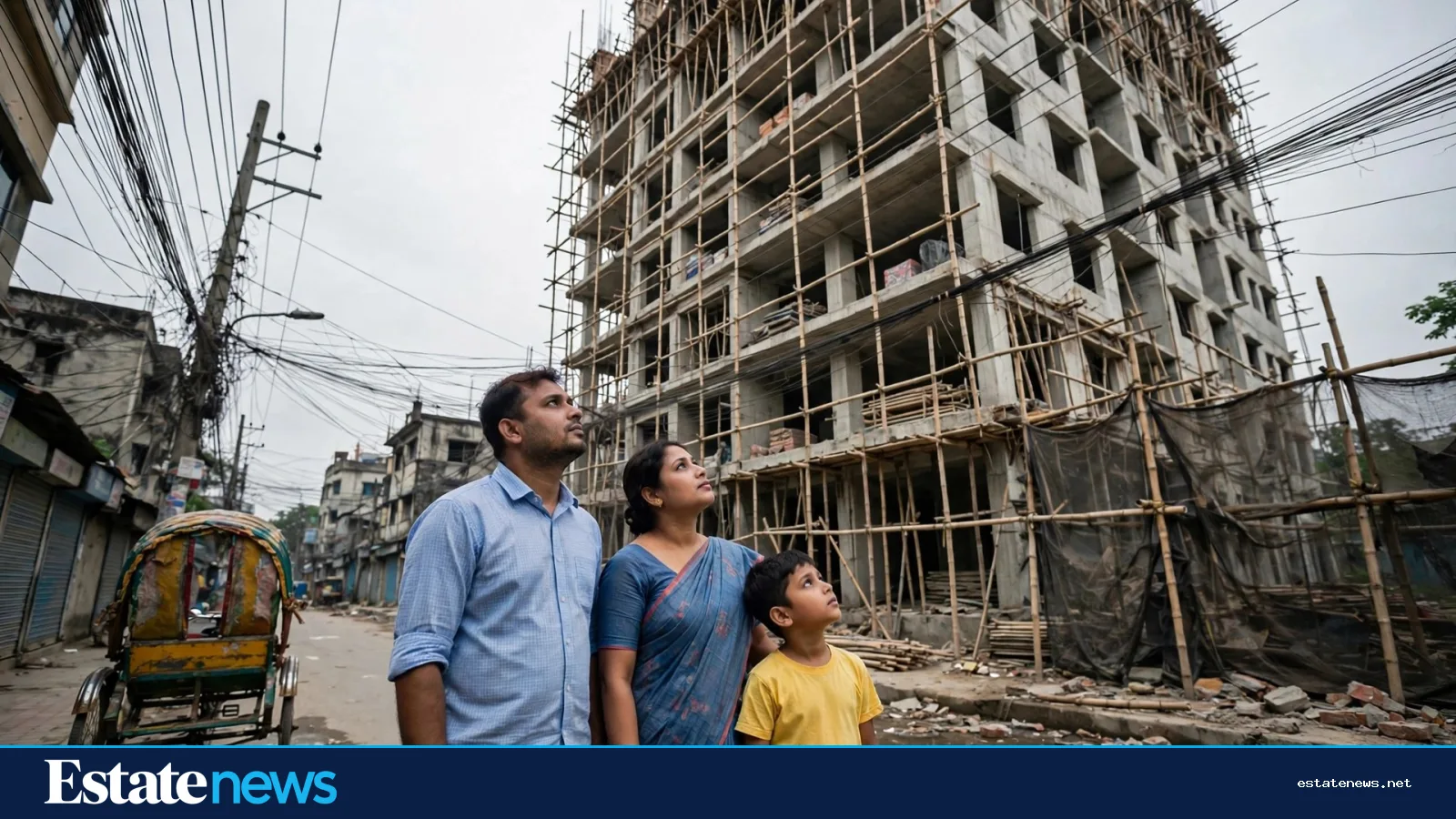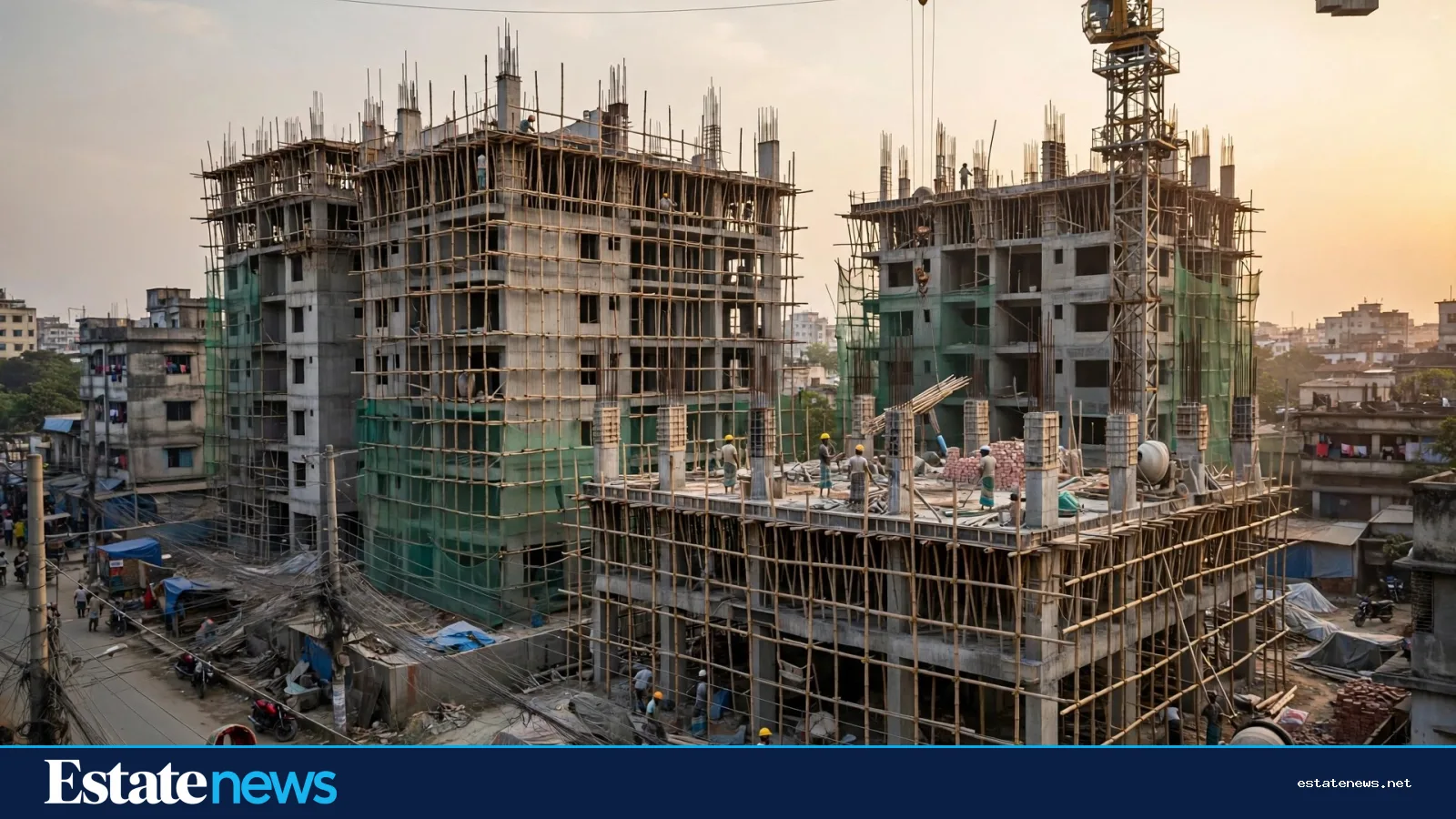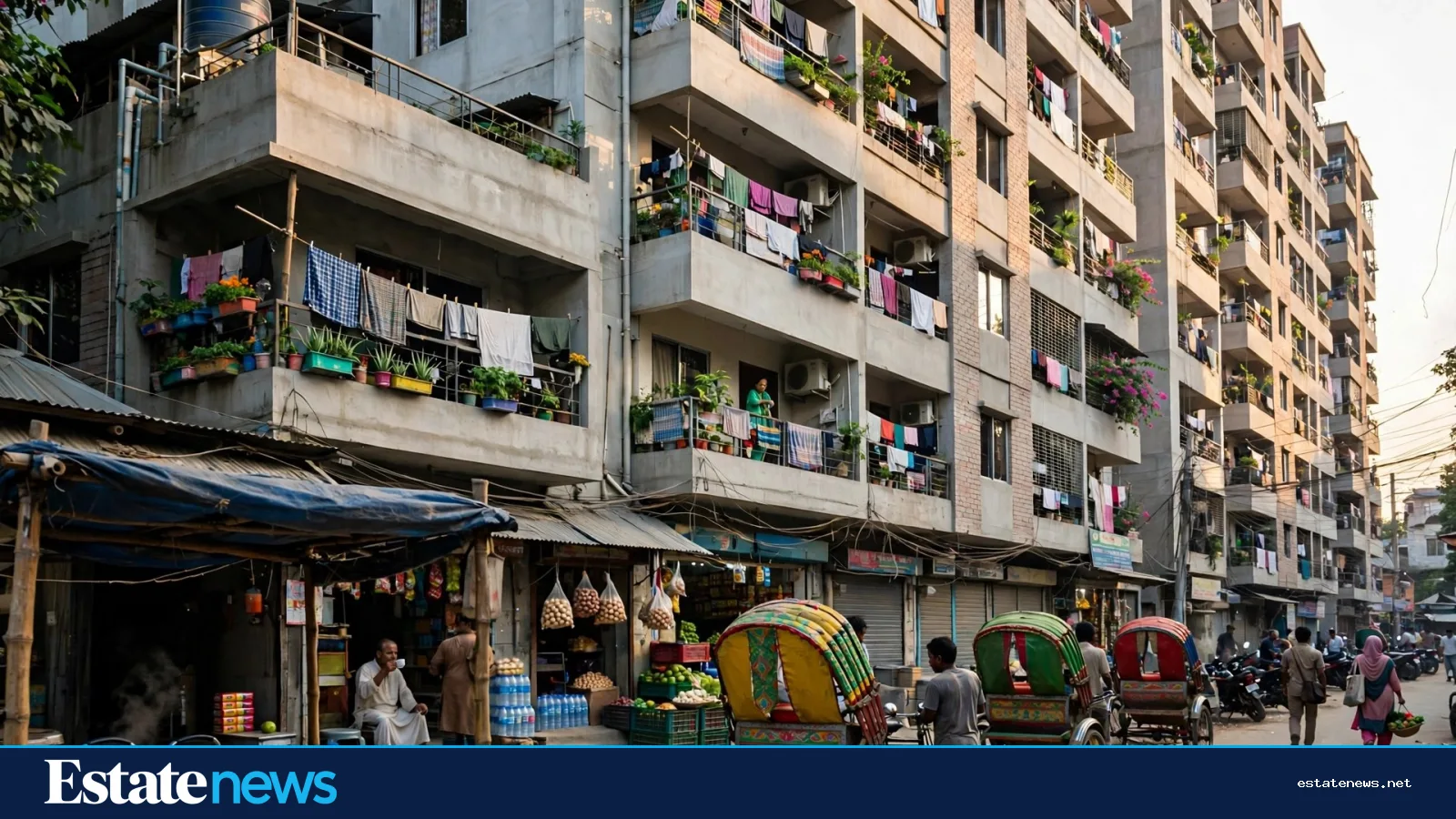
Ask a Dhaka realtor which flats are selling now and the answer comes back the same from one office to the next. It is not the penthouse in Gulshan. It is not the small flat at the edge of the city either. It is the flat in the middle: about 1,200 square feet, priced between Tk 1 crore and Tk 2 crore, in a neighbourhood where the schools, the bazaar and the bus stop are all within walking distance.
That middle segment is carrying the market. Premium demand has fallen, and low-end sales have weakened under inflation and high borrowing costs. The Tk 1-2 crore flat, bought mostly by salaried families and small business owners trading up from rented homes, is the part of the market still moving. The figures behind that picture come from industry reporting rather than a published transaction registry, so they describe the shape of demand, not a verified average price.
A market that has shrunk by half

The scale of the slowdown is large. Realtors who once sold around 1,000 units a year have seen annual sales fall by half, according to reporting in The Daily Star in December 2025, still the latest published picture of the market. Sales are down 40 to 50 percent from the peak of the 2022-23 financial year, according to Shanta Holdings chief sales officer Shihab Ahmed, quoted in the same reporting. REHAB's Liakat Ali Bhuiyan agreed that sales had fallen sharply.
The causes are not hard to find. Home loan rates sit at 11 to 12 percent, with a maximum tenure of 25 years and a ceiling of Tk 2 crore on the loan itself. A family borrowing at those rates pays far more in interest than it would have three years ago. At the same time, the Detailed Area Plan for 2022-2035 reduced permitted heights and floor area ratios in many locations, squeezing the supply of new flats in the areas buyers want most.
Why the middle holds


Premium flats, generally over 2,000 square feet and priced above Tk 2.5 crore, have felt the slowdown hardest. Their buyers often pay in cash or with short loans, and many have simply waited, holding money in bank deposits that now pay well. Low-end flats, of 850 to 1,050 square feet and priced under Tk 1 crore, have weakened for a different reason: their buyers are the families most squeezed by food prices and transport costs, and the deposit for even a small flat has moved out of reach.
The middle sits between those two pressures. A Tk 1.5 crore flat needs a deposit a dual-income family can save for over years, and a loan that fits, just, within the Tk 2 crore ceiling. The buyers are often people who have rented in the same area for a decade and know the building, the lane and the neighbours. They are not speculating. They are buying the home they already live near.
A supply gap that will not close soon
Dhaka needs about 120,000 new housing units a year, according to the Bangladesh Investment Development Authority. The private sector supplies about 25,000 a year, according to a 2017 BRAC study. That gap, close to 95,000 homes a year, is the long story behind the short story of the slowdown. Demand has not vanished. It has been priced out of the new supply that exists, and pushed toward resale flats, smaller sizes and neighbourhoods further from the centre.
For buyers, the practical read is straightforward. A mid-segment flat in a settled area, with clear title and a completed building, is the safest corner of the market today. New launches in the same segment deserve a close look at the developer's handover record and the deed of agreement. And a flat priced far below the segment, in an area with weak transport and no school nearby, is cheap for a reason that will still be there when the buyer wants to sell.
The market will turn when borrowing costs fall or incomes catch up with prices. Neither has happened yet. Until one of them does, the Tk 1-2 crore flat will keep doing the work of the whole market, one family at a time.