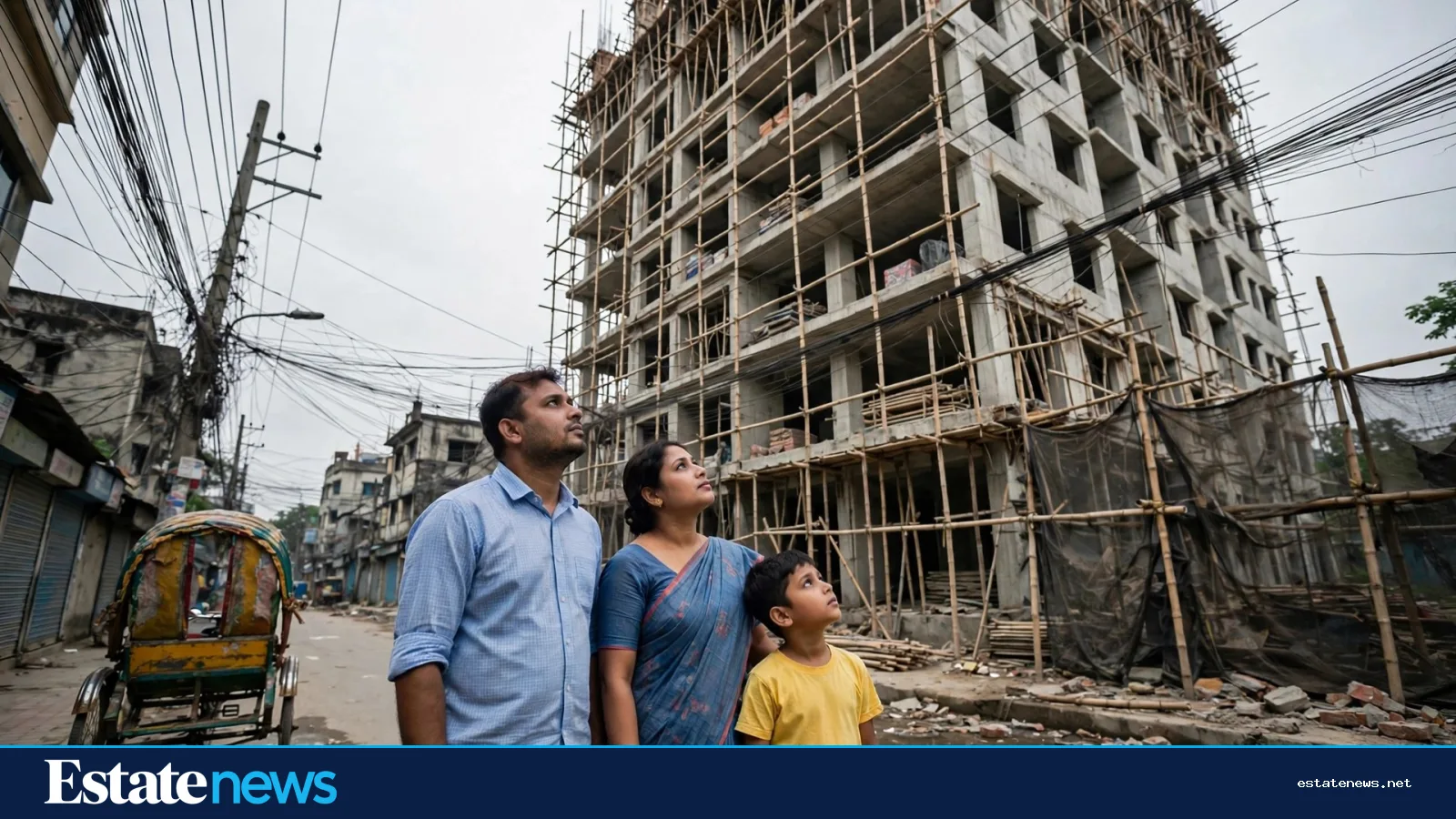
The people in the middle of this story are not developers or officials. They are families who paid for a share of a plot of land, were promised a flat on it one day, and are still waiting. On Sunday, their problem moved to the centre of the housing debate when the Real Estate and Housing Association of Bangladesh, REHAB, demanded a ban on the unregulated businesses behind such deals.
REHAB president Ali Afzal made the demand at a press conference at the CIRDAP auditorium in Dhaka on 8 November. Senior vice-president Abdur Razzak also spoke at the event. The association placed six demands before the government, with the ban on unregulated land-share businesses at the top of the list. Its message was plain: the current rules leave too much room for schemes that take buyers' money and leave them with little to show for it.
How a land-share deal works

A land-share scheme usually starts with an attractive offer. A company buys, or claims to hold, a plot of land, then sells small shares of it to dozens of buyers. Each buyer is told that their share will turn into a specific flat once a building rises on the plot. The price is often lower than a ready flat in the same area, and the payment is spread over months or years.
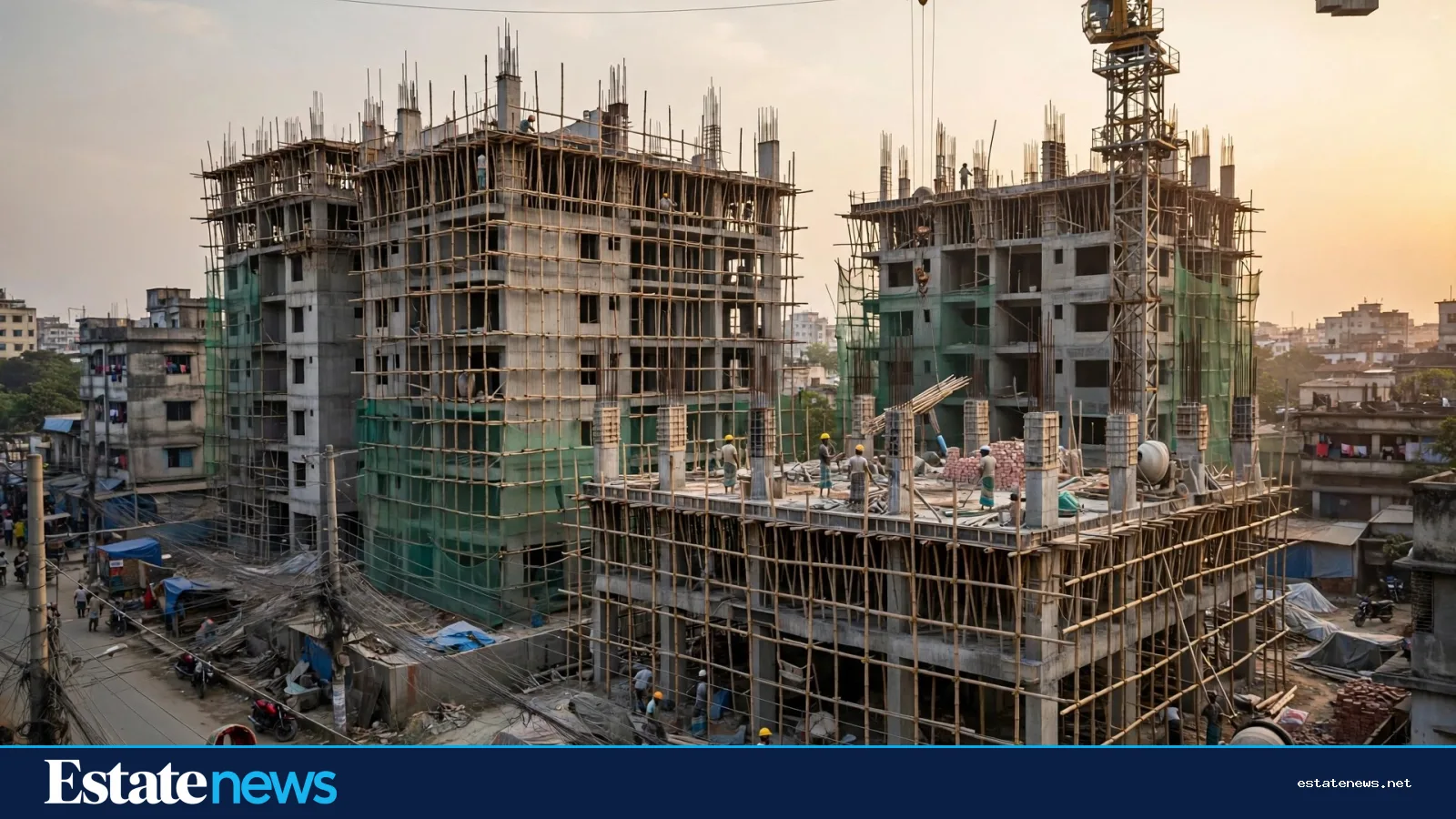
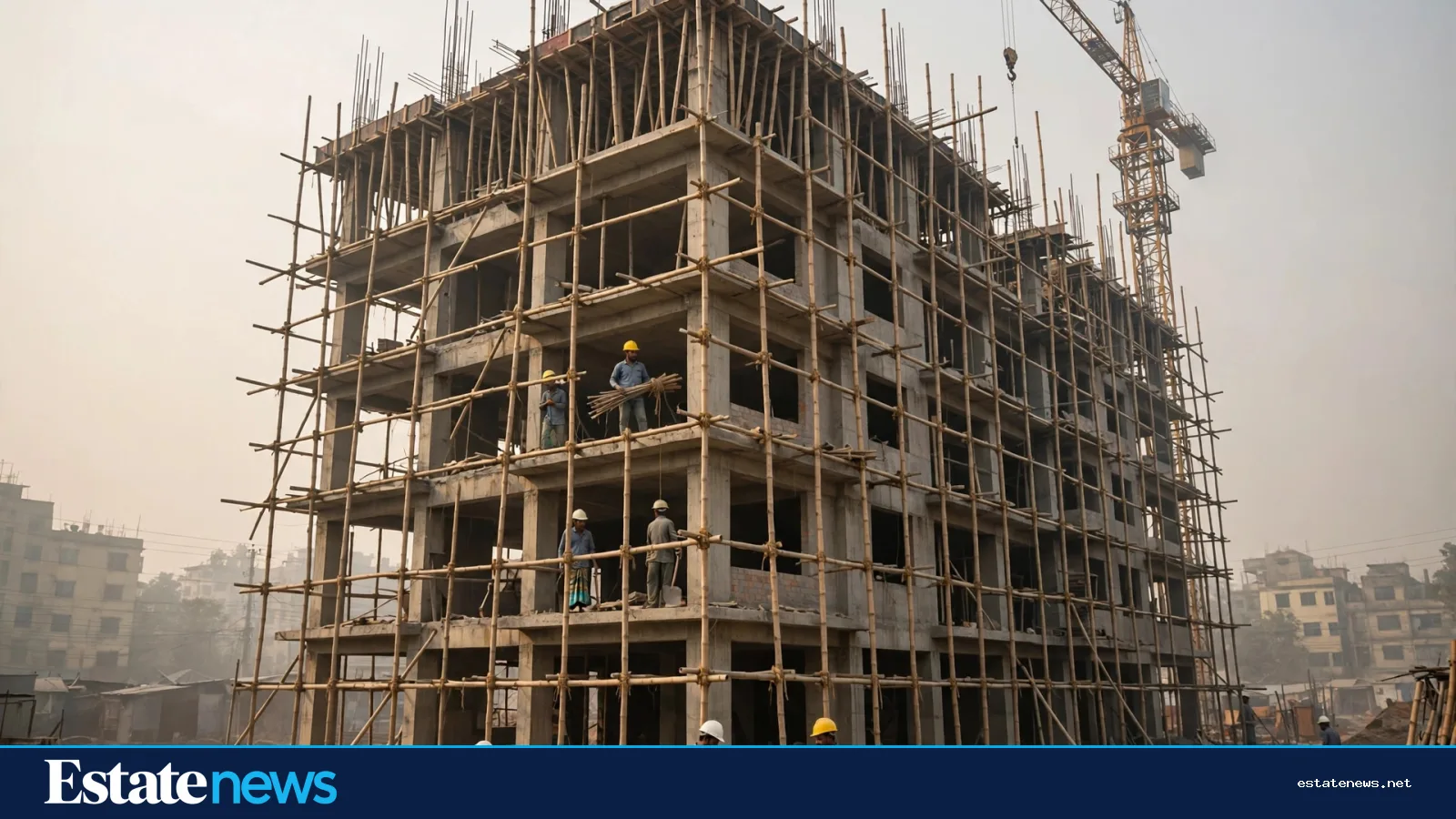
The trouble starts when the building does not rise. Sometimes the land title is disputed. Sometimes the approvals never arrive. Sometimes the money collected from buyers is spent elsewhere. The buyer holds a share certificate for land they cannot live on, and the flat they were promised exists only in a brochure. Getting the money back means going to court, and that is where many of these stories stall for years.
The numbers behind the demand
REHAB put figures to the scale of the problem at the press conference. About 40,000 citizens have been affected by such schemes, according to the association. About 9,823 related cases were pending in the courts as of 30 September 2026, involving about Tk 12,000 crore, REHAB said, citing an investigative report. The association warned that about Tk 50,000 crore could be caught in legal complications within two to three years if the business is allowed to continue unchecked.
These are REHAB's figures, drawn from the report it cited, and they describe money tied up in disputes rather than money already lost. Even so, the size of the sums explains why the association has moved from warnings to a demand for a ban. Tk 12,000 crore stuck in court cases is money that cannot build homes, cannot be returned to buyers, and cannot be invested elsewhere while the cases run.


Six demands on the table
Alongside the ban, REHAB placed five other demands before the government, according to its statement at the press conference. The association wants the land-share business brought under clear regulation, so that only companies meeting set conditions can offer shares in land. It wants action against businesses already found to have cheated buyers, and faster disposal of the thousands of pending cases. It also wants buyers to have a clear path to getting their money back when a scheme fails.
The demand matters beyond the families directly involved. Land-share schemes sit outside the normal apartment market, where REHAB members sell flats under deeds of agreement and RAJUK approvals that buyers can check. When unregulated schemes fail loudly, the damage spreads to the whole sector. Genuine buyers grow wary of every developer, and genuine developers find it harder to sell. A ban, in REHAB's argument, protects the honest end of the market as much as it protects buyers.
What buyers can do now
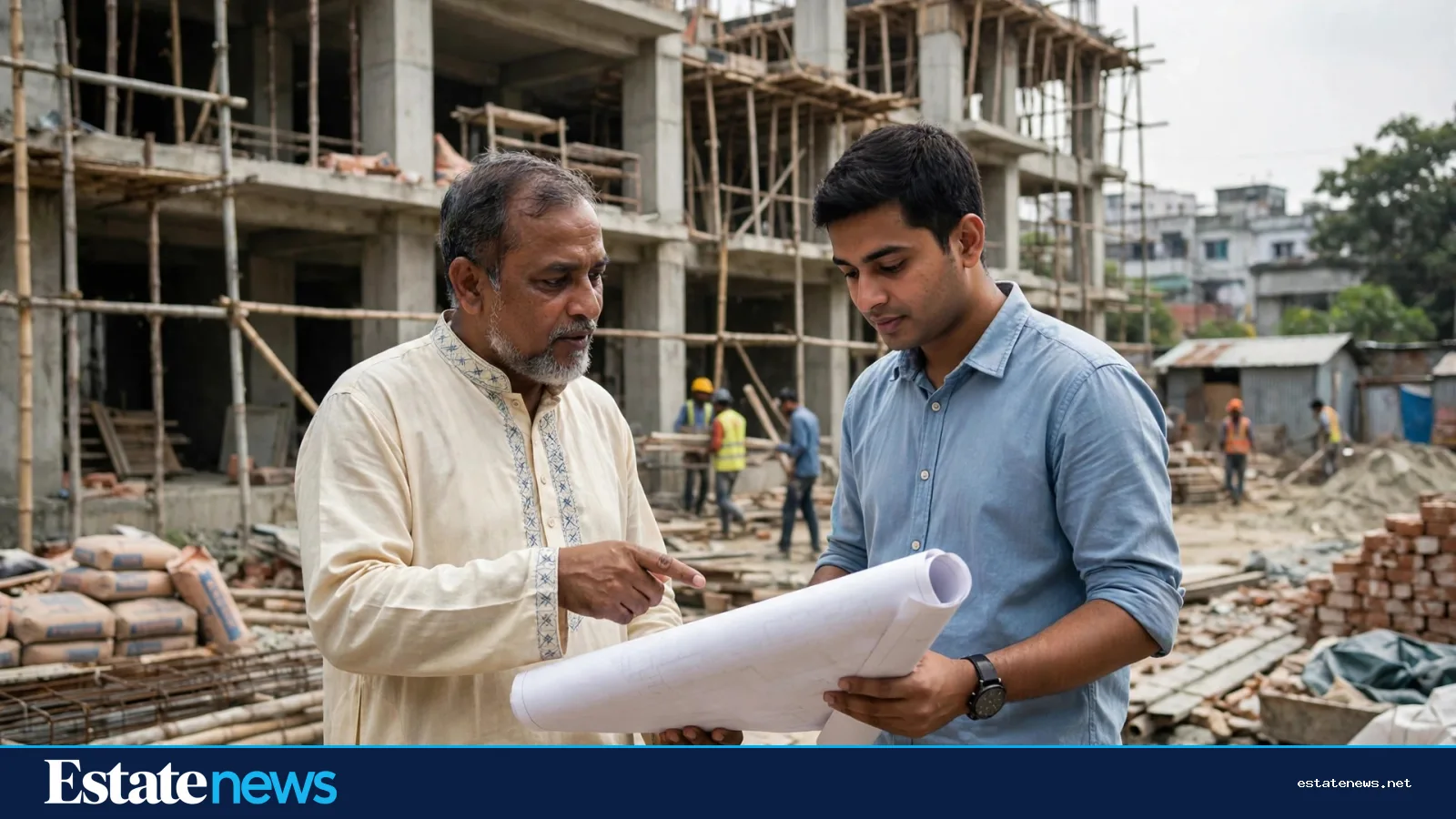
A ban is a matter for the government, and it will take time even if it is accepted. Buyers facing a land-share offer today need practical checks in the meantime. The first is the title: ask to see the original deed and the mutation record, and have a lawyer verify that the seller actually owns the land being shared out. The second is the approval: ask whether RAJUK has approved a building on the plot, and for how many floors. The third is the agreement itself: read what it actually promises, in writing, about which flat, on which floor, by which date, and what happens if the date passes.
Families already caught in a scheme should keep every receipt, agreement and message, and seek legal advice before signing any fresh document the company offers. A share certificate is not a flat, and a verbal promise from a sales agent is not a contract. The families who recover their money tend to be the ones who kept the paper trail.
REHAB's press conference will not settle 9,823 court cases. It does put the problem on the public record, with numbers attached, and it asks the government to act before the pile grows. For the 40,000 people the association says are affected, the question now is whether the demand turns into a rule, and how fast.