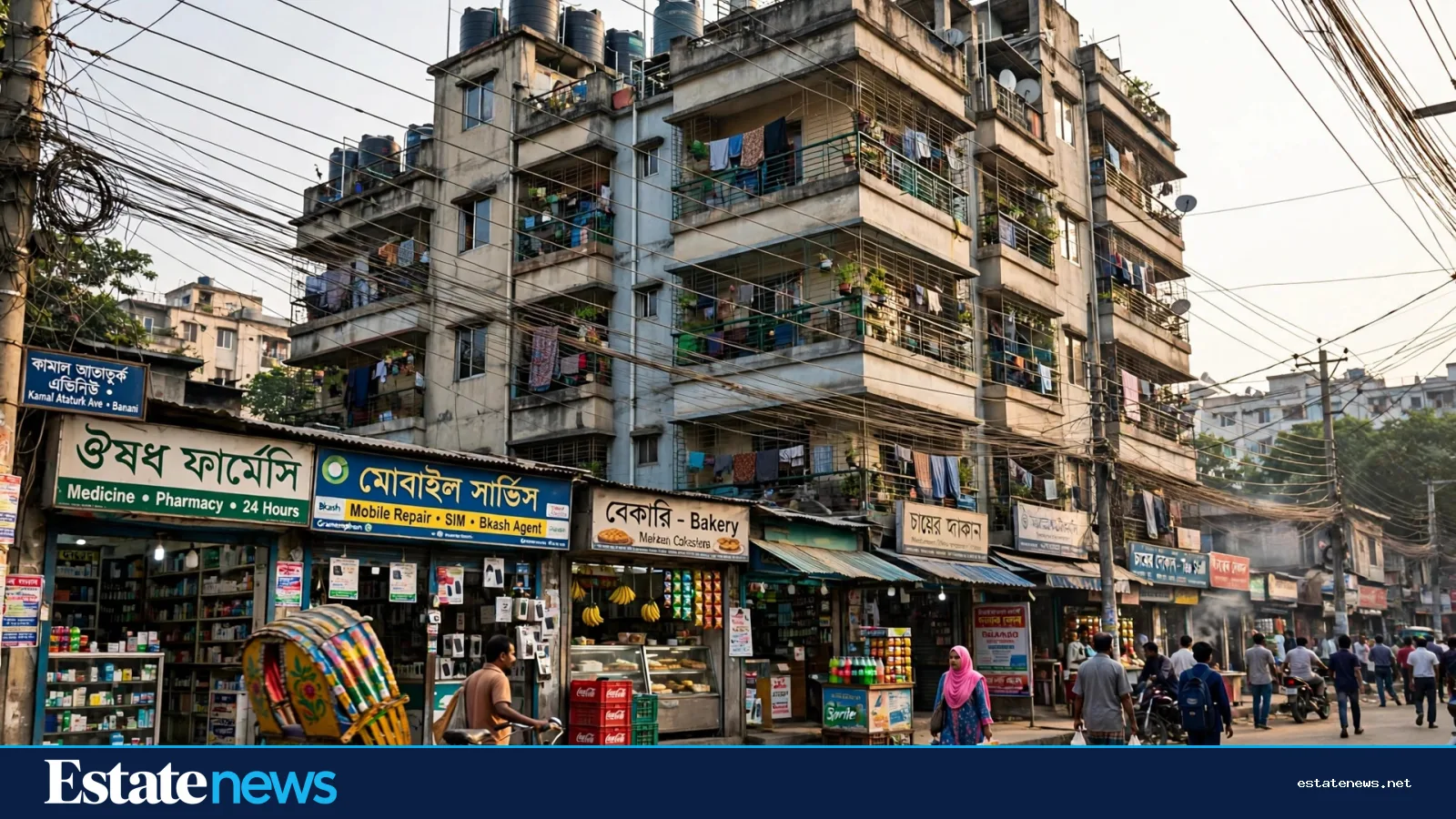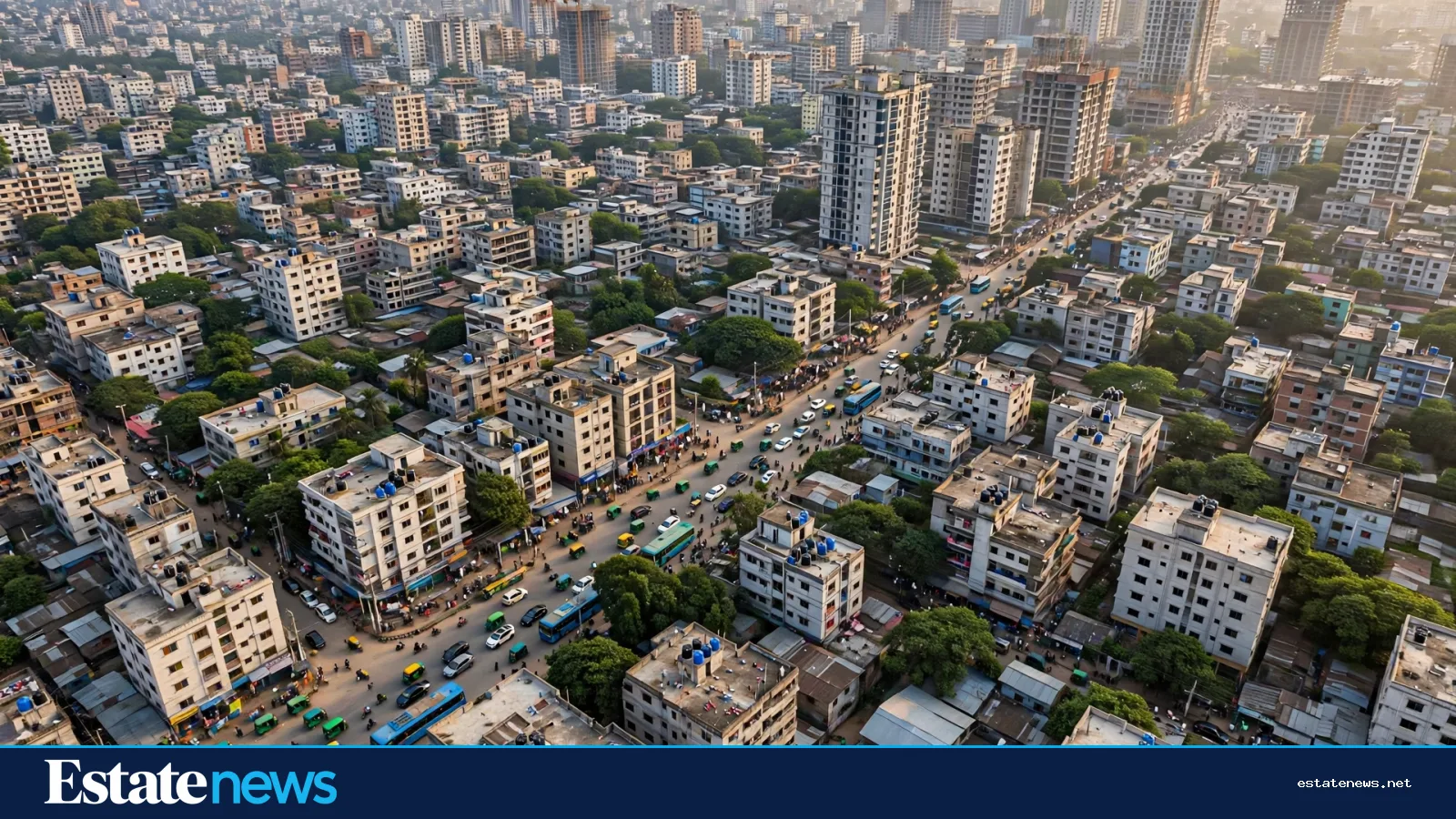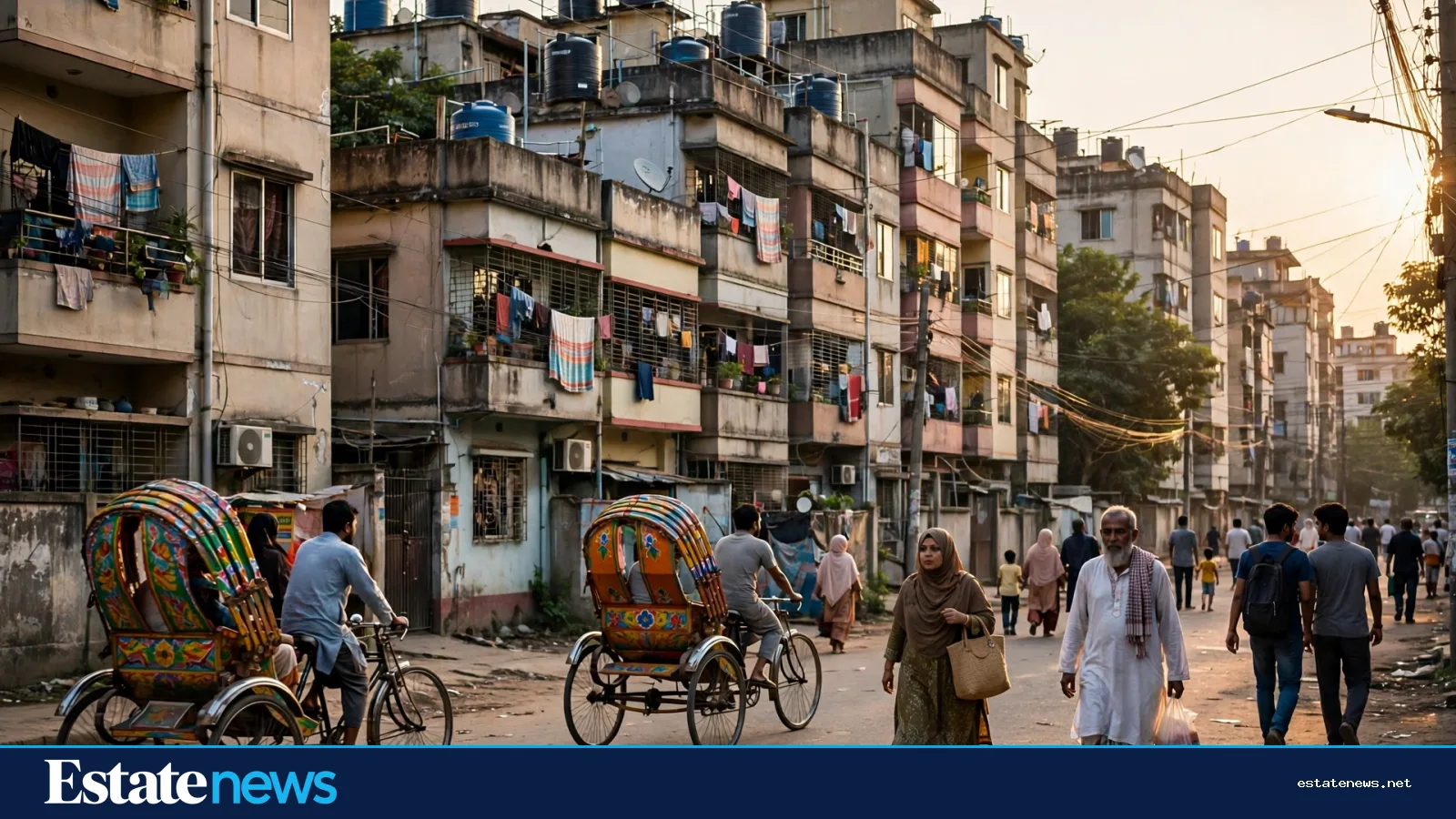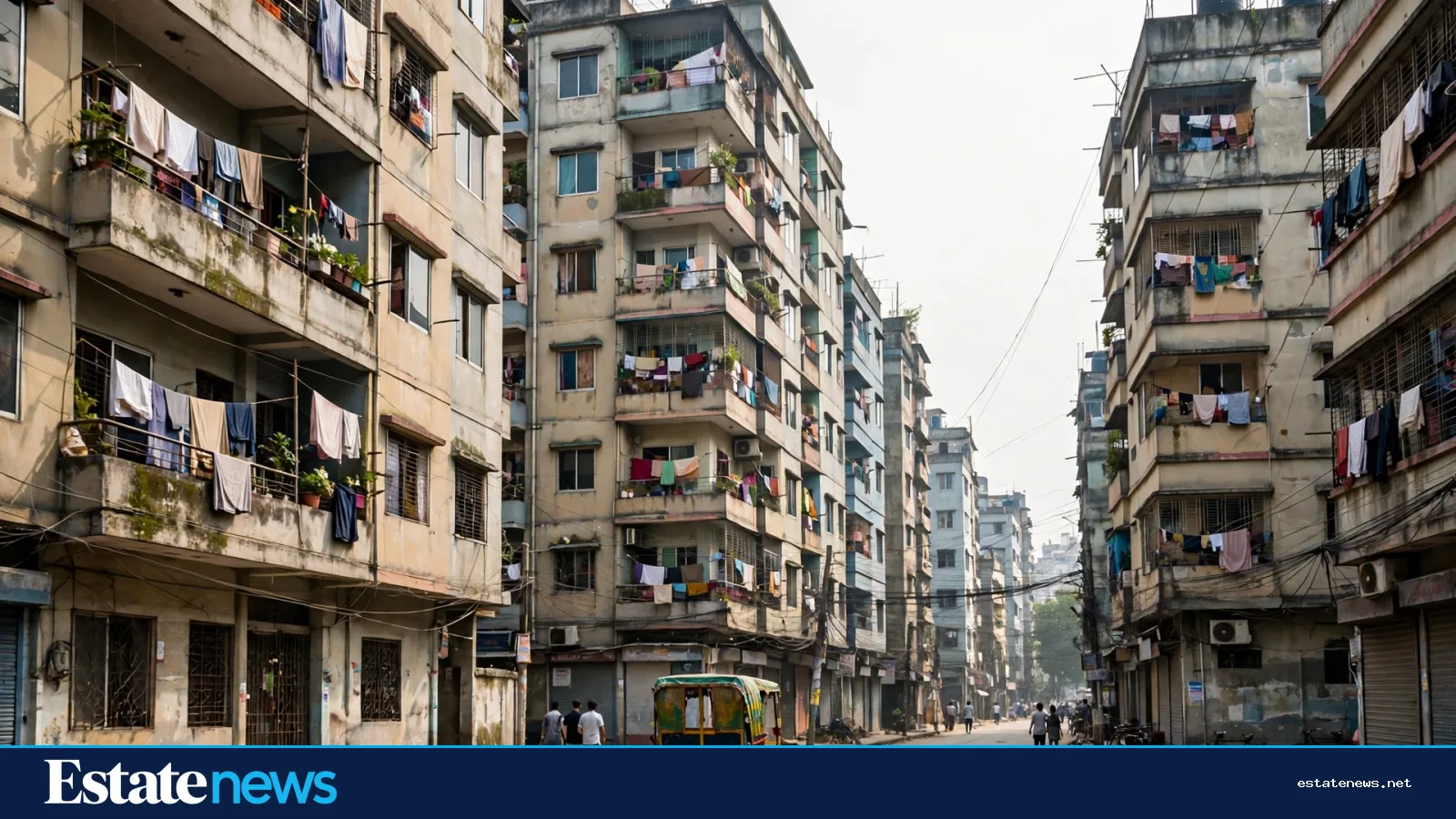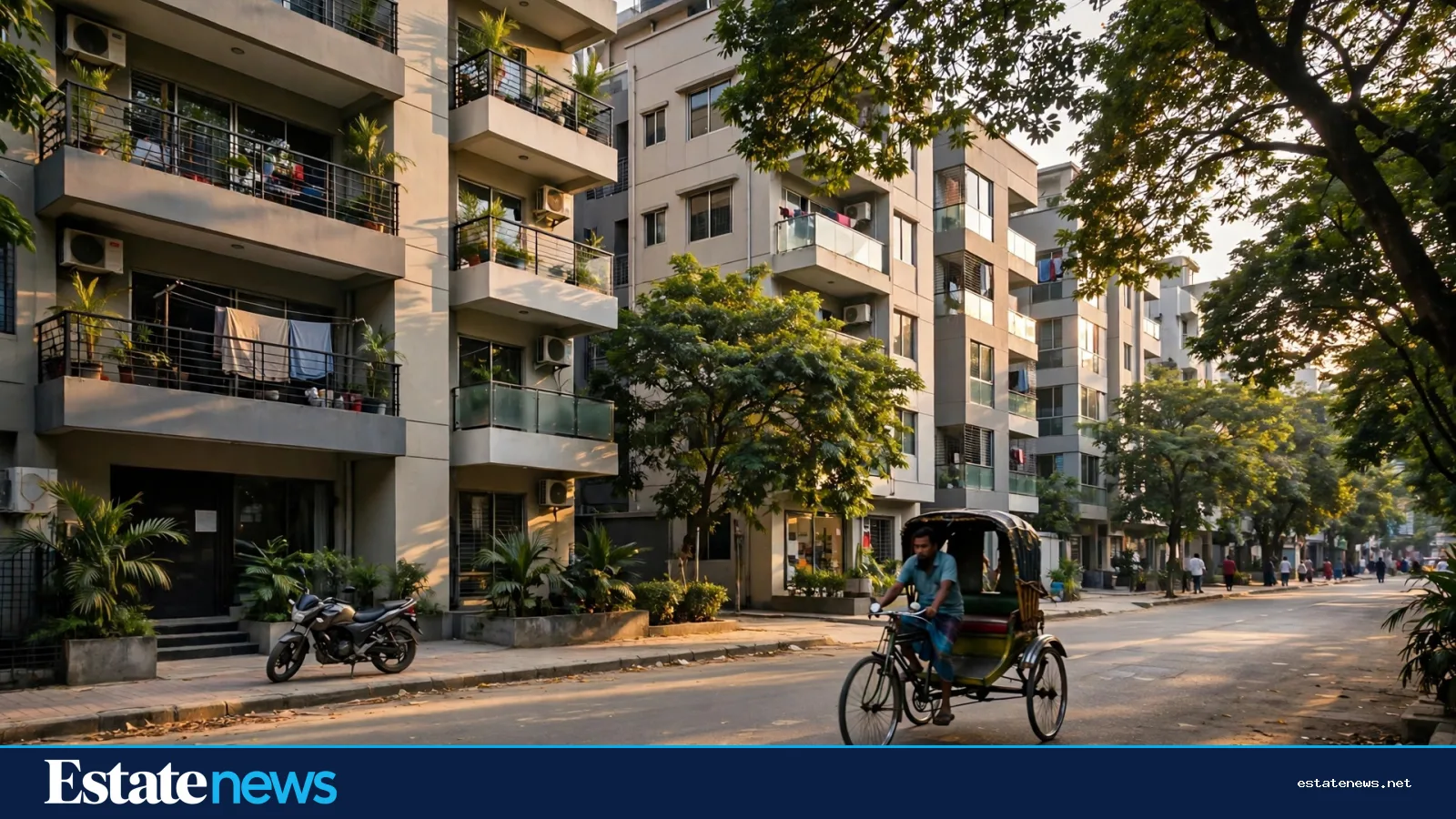
In 1996, Dhaka was a different city. Apartment living was still new to most middle-class families, and the idea of buying a flat from a company, rather than building a house on family land, was only beginning to take hold. That was the year Navana Real Estate Ltd began work, under chairman Shafiul Islam Kamal, as the real-estate arm of Navana Group.
Thirty years on, the company describes itself on its own website as having delivered more than 250 developments across Dhaka and Chattogram, with residential, commercial and land projects in its portfolio. The number is the company's own count, and it gives a sense of scale that few Dhaka builders can match. Navana Real Estate is a founding member of REHAB, the Real Estate and Housing Association of Bangladesh, and it was a Gold sponsor of the REHAB Fair 2025.
A footprint that follows the city's growth

The areas where Navana Real Estate has built read like a map of Dhaka's own expansion. Its early work sat in the established neighbourhoods of Banani and Gulshan, where buyers wanted a finished address with schools, hospitals and offices close by. From there the company moved into Uttara, where planned roads and larger plots drew a generation of families out of the old city, and into Niketan, the quieter lake-side neighbourhood beside Gulshan.
Its office sits at House 3/A, Road 90, Gulshan-2, in the middle of the market it serves. That address matters to buyers in Dhaka, where a builder with a visible office and a long record is easier to check than one that exists only on a hoarding.
The company's published project names include Navana Pristine, which appears in roundups of its work, and Navana Ascension in Gulshan, a nine-storey residential building on 6.68 katha with seven apartments, designed by Form.3 Architects. The Ascension project shows the direction the company's premium work has taken: fewer flats per building, a community space on the ground floor, and design treated as part of the sale rather than an afterthought.
Jolshiri and the township bet
The most telling part of the Navana story is not a single building. It is Jolshiri, the planned township on Dhaka's edge, where the company is among the builders working on a neighbourhood designed from the start, with its own roads, greenery and services.


Township building is a different business from putting up one apartment block on a city plot. It asks the buyer to trust a place that does not fully exist yet, and it asks the builder to deliver streets and services as well as flats. For a company that began in 1996, when Dhaka's growth was still measured plot by plot, the move into Jolshiri marks how far both the city and its builders have travelled.
Chattogram is the other half of the same spread. The company has extended its work to the port city, where demand follows the port, the export industries and the families who work around them.
What thirty years means for a buyer
Longevity does not remove the checks a buyer should still make. A company's age says something about its ability to survive market cycles, and Navana Real Estate has survived several: the slow years, the price corrections, the changes in building rules. But the questions that matter at the point of booking stay the same for every builder.
Ask to see the deed chain and the RAJUK approval for the specific project. Ask which flats are already sold and which remain. Ask about the handover record on completed buildings, and speak to residents of an older project before signing. A builder with 250 developments behind it should have older buildings a buyer can walk through, and that walk is worth more than any brochure.
The Dhaka market is changing again. REHAB's new leadership, which took office on 4 November, has said it wants more small flats in the Tk 40 to 60 lakh range in Savar, Gazipur and Keraniganj, and it has pressed RAJUK for changes to the Detailed Area Plan. Builders that built their names on large flats in Banani and Gulshan now face a market that also asks for smaller, cheaper homes on the city's edge.
Navana Real Estate's next thirty years will be judged on how it answers that question, and on whether the townships and neighbourhoods it is building now become places people are glad to live in. The first thirty years gave it the footprint. The test ahead is what it builds on it.