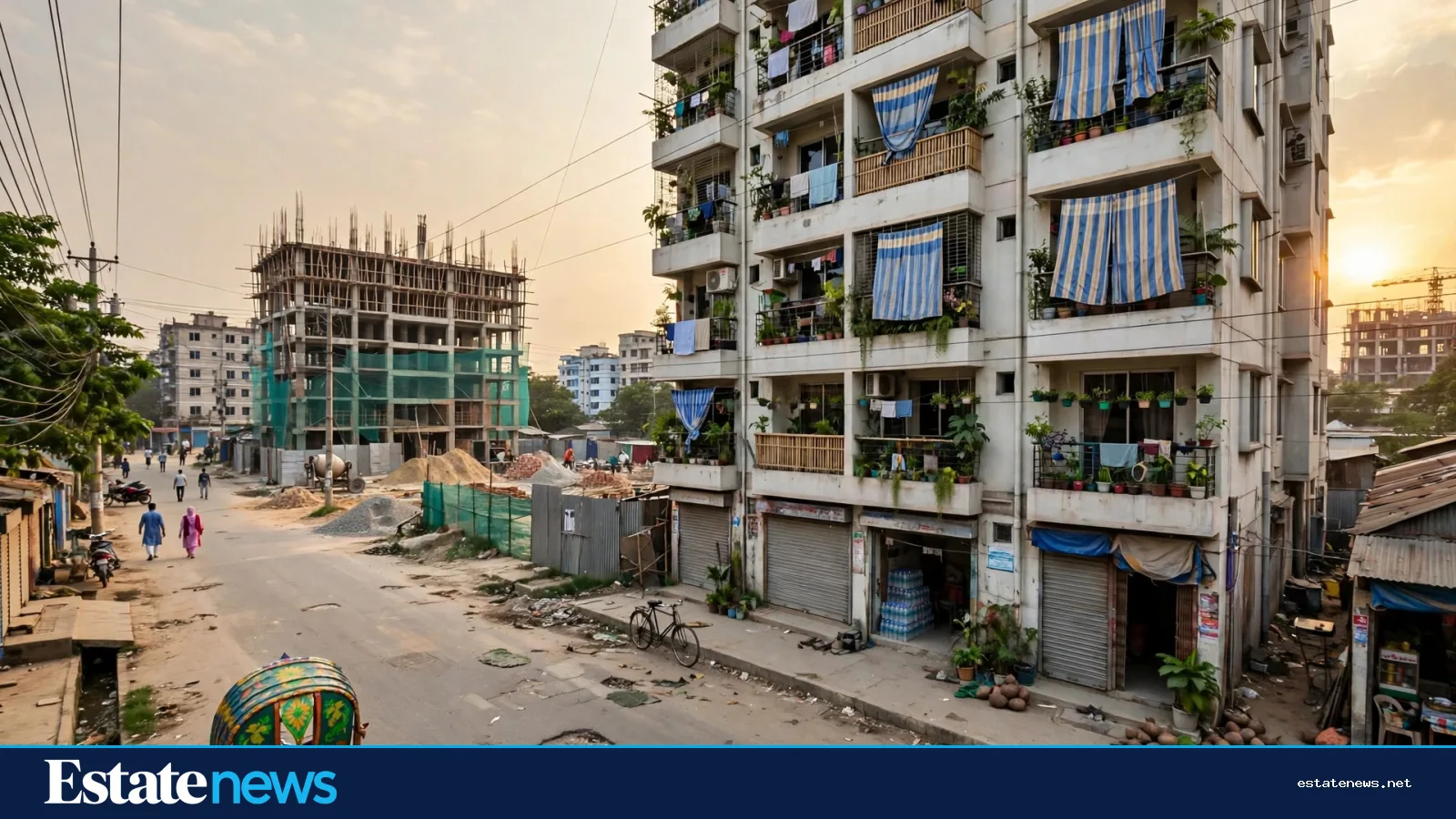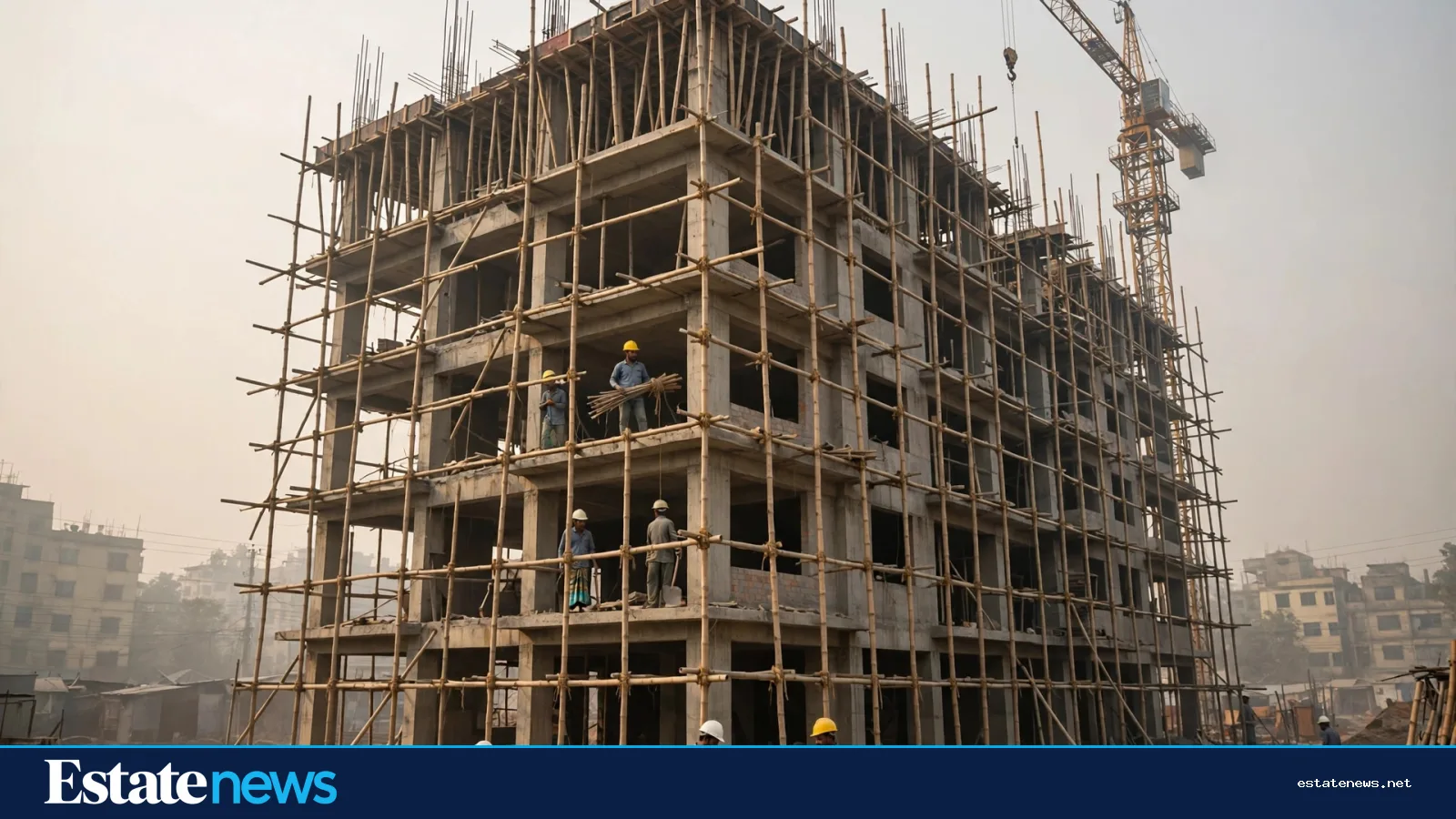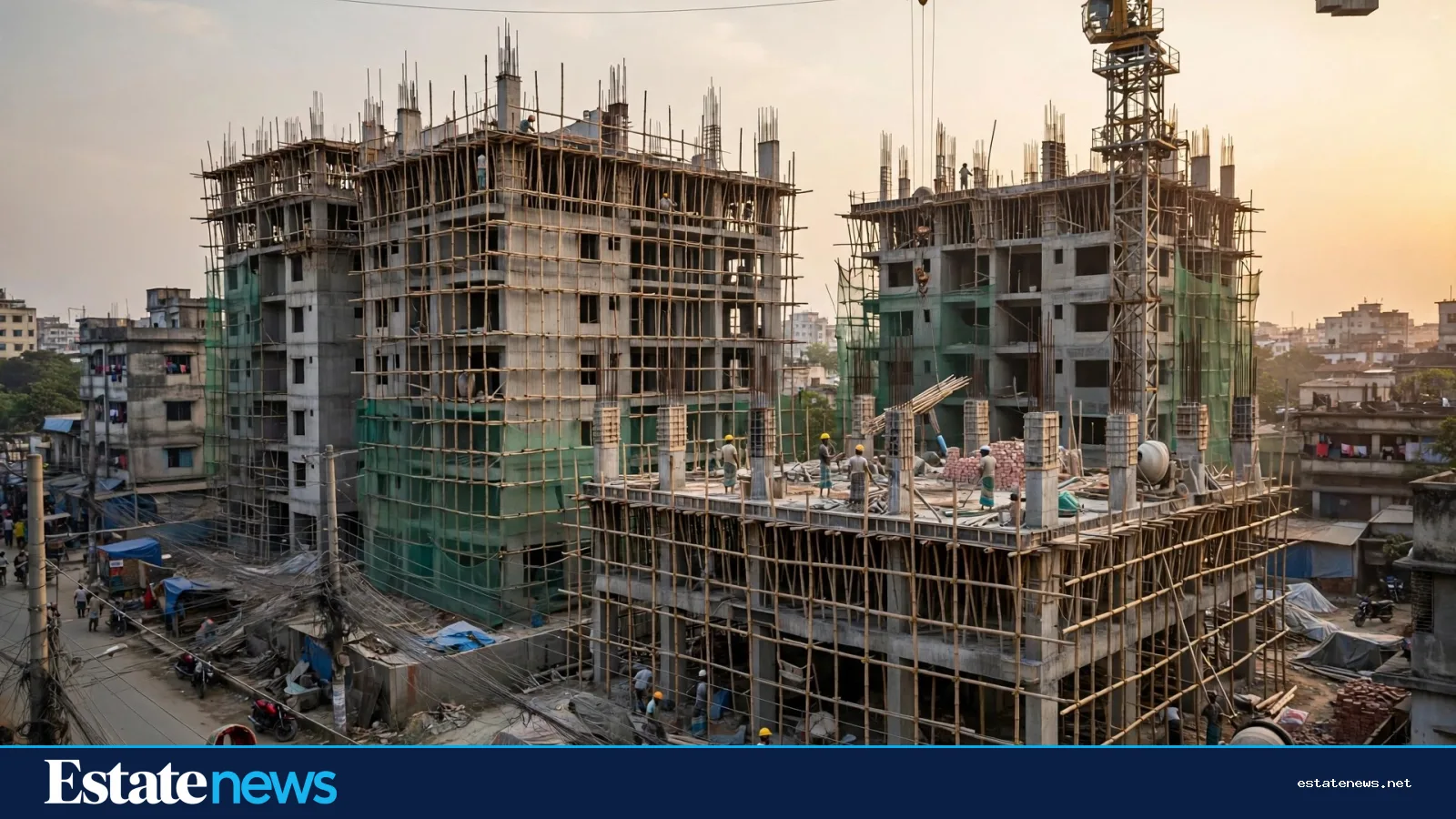
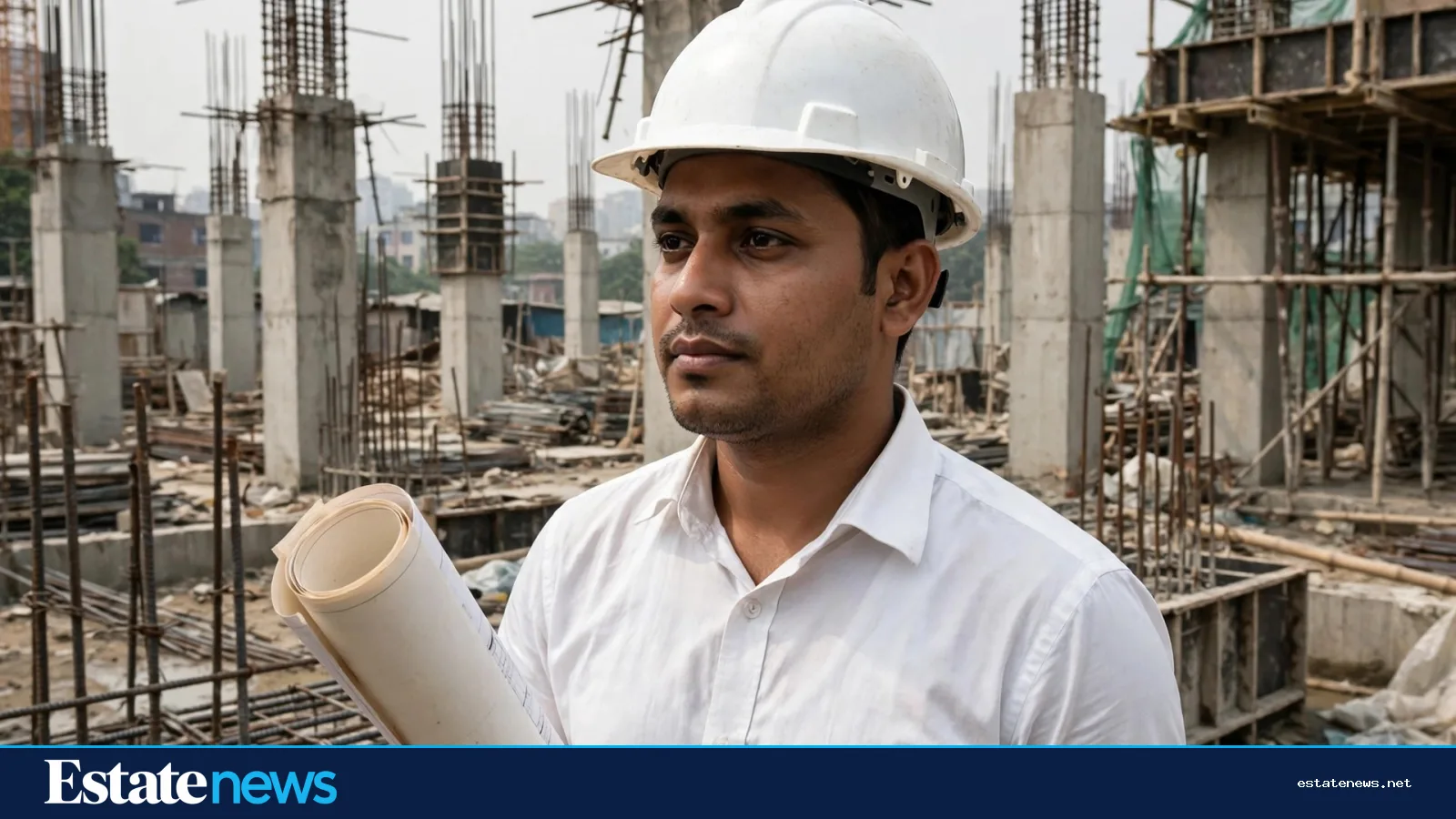
The concrete pump starts before the traffic does. On a half-finished tower in Mirpur, the morning shift is already on the fourth floor, checking formwork while a crane swings a bundle of steel rods over the street below. A site engineer in a white helmet walks the slab with a rolled-up drawing under his arm, stopping to tap a column and listen to the answer it gives back. Nothing here looks hurried. It looks measured, the way a building site looks when the people running it were trained to think in loads and spans before they ever thought about selling flats.
That habit of measuring first is the thread running through The Structural Engineers Ltd, known across Dhaka as SEL. The company has delivered more than 230 projects, according to its own records, and has 35 apartment and commercial projects under way at present. Its work now reaches beyond the capital to Savar, Cumilla, Chattogram and Khulna. It is a REHAB member company and was a co-sponsor of the REHAB Fair 2025. In a market where developers come and go with the property cycle, SEL has stayed in business for more than four decades, and the reason is written into its name. It began as an engineering firm.
A practice that started with drawings

SEL was established in 1983 by Engr. Md. Abdul Awal, a BUET graduate from the class of 1977. The firm was incorporated as a private limited company in 1987. In those early years it was a civil engineering practice, not a developer. Its jobs included buildings, bridges, food godowns, cyclone shelters and substations, the kind of public and industrial work where a miscalculation is not a marketing problem but a structural one.
That background still shapes how the company talks about itself. Its published profile lists engineering disciplines rather than sales slogans, and its project count covers infrastructure as well as homes. For a buyer, the distinction matters. A developer that grew out of structural engineering tends to treat the frame of a building as the product, and the flat as what sits inside it.
The turn toward homes
SEL entered the real estate sector in 1995, when Dhaka's apartment market was still young. The city was growing fast, and families who had lived for generations in rented houses in old Dhaka and Dhanmondi were beginning to buy flats in Mirpur, Uttara and Mohammadpur. The company brought its engineering staff into housing, and the shift gave it a particular place in the market: not the loudest advertiser, and not the builder of the tallest towers, but a firm whose name buyers associated with the bones of a building.
The numbers tell the scale of that shift. More than 230 projects delivered, with 35 now in progress, is a large book of work for a company that still describes itself first as engineers. The ongoing projects span apartments and commercial buildings, and the company's footprint has spread from Dhaka to four other cities. Savar, Cumilla, Chattogram and Khulna each have their own land prices, soil conditions and buyer habits, and a firm working in all of them has to adapt its designs rather than repeat one template.
Why engineers sell flats differently


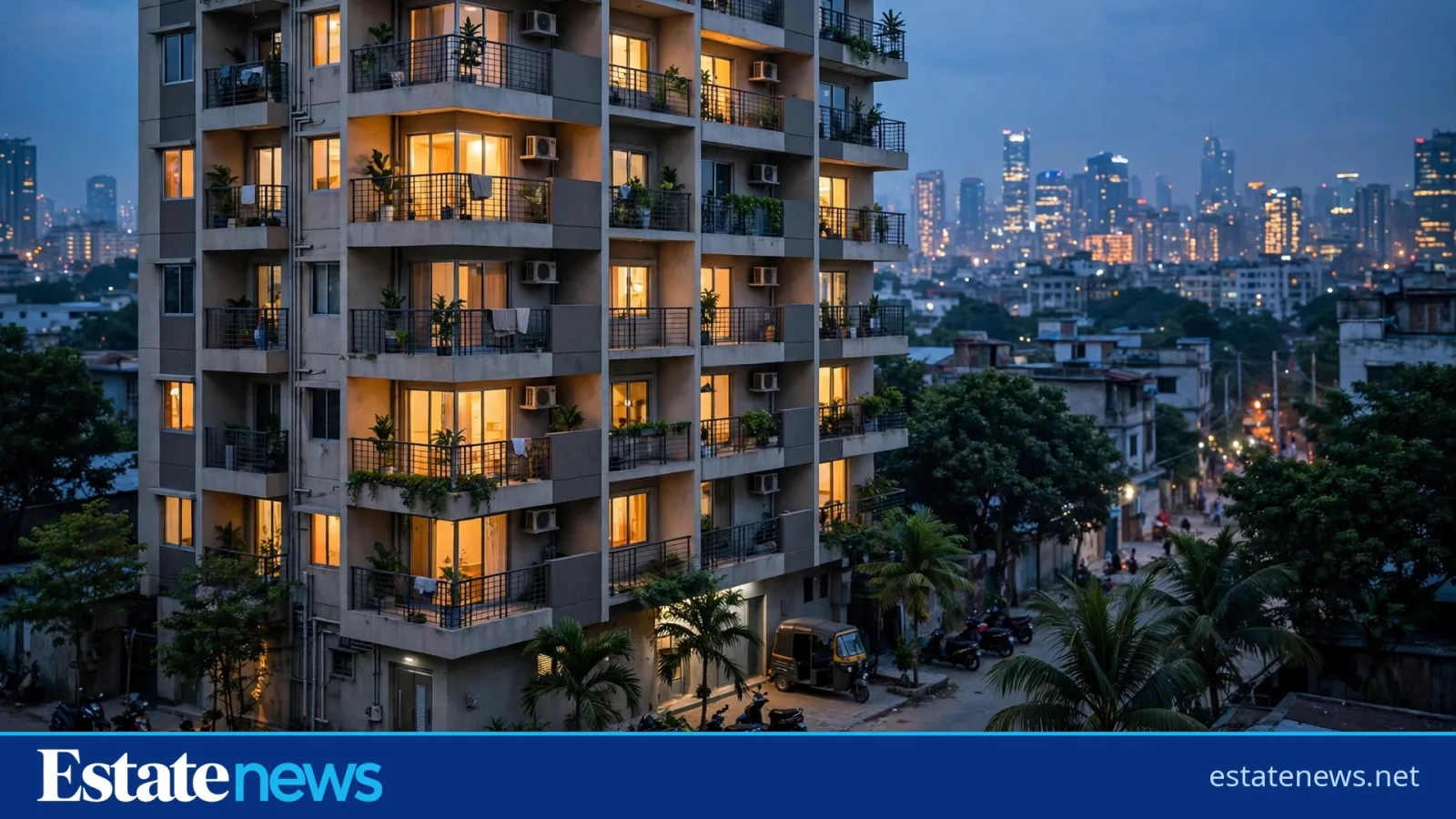
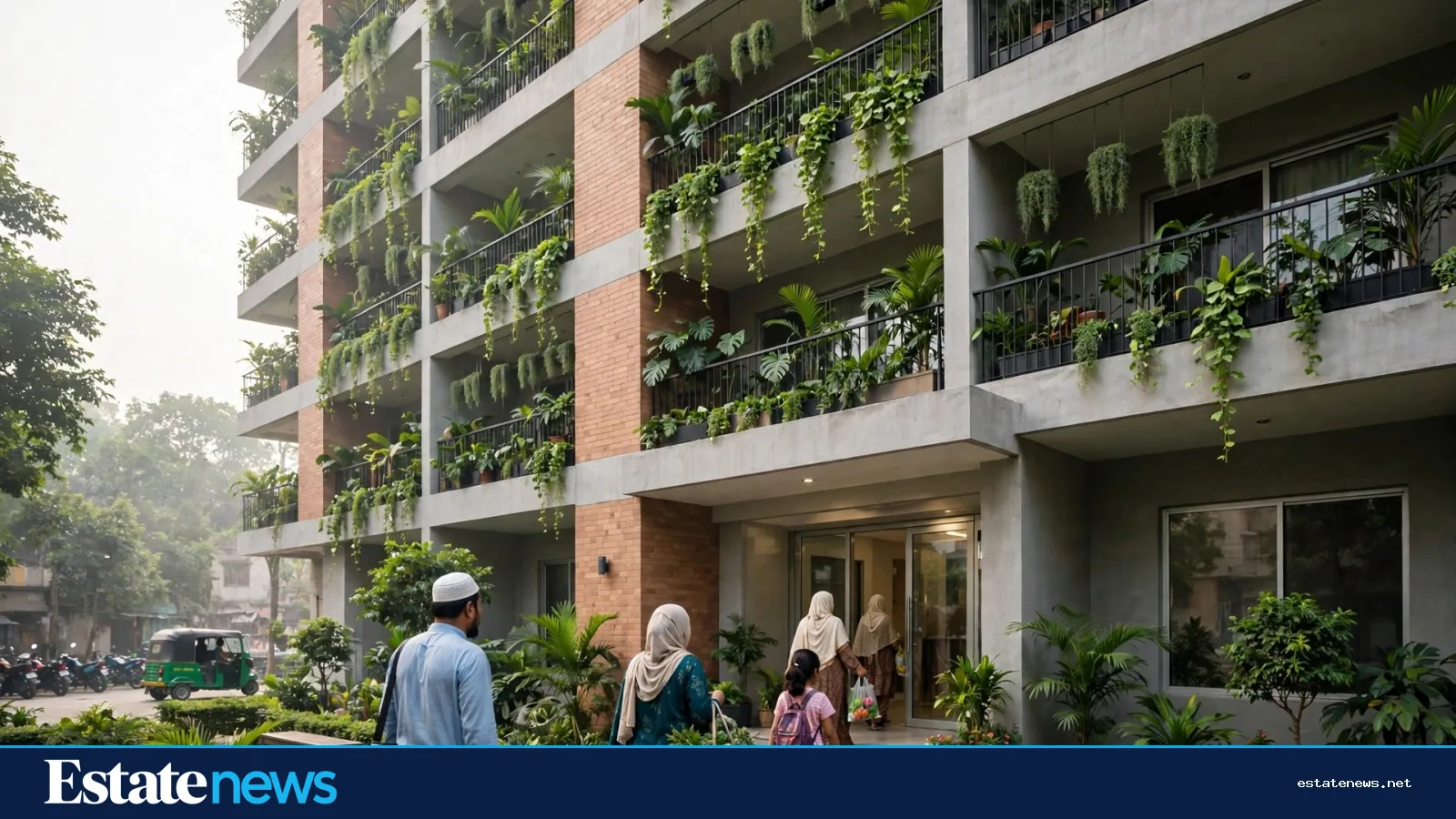
Walk through a finished SEL building and the engineering shows in small ways. Stairwells are wide enough for furniture. Lift lobbies have room for a stretcher. Columns sit where a resident expects a wall to be, not in the middle of a living room. These are not luxuries. They are the details that appear when the people who draw the structure also have to answer for it after handover.
The company's history also explains its caution. A firm that has built cyclone shelters and substations knows what happens when concrete is poured badly or steel is skimped. That knowledge does not make a building beautiful on its own. It makes it durable, and durability is the quality a flat buyer discovers only years after moving in, when the plaster holds, the lift keeps running and the roof does not leak in the first monsoon.
Five cities, one method
Expansion beyond Dhaka has tested that method. Land in Chattogram slopes and floods differently from land in Mirpur. Cumilla's buyers want different flat sizes from Khulna's. A company running 35 projects at once across five cities has to keep its site supervision tight, because a missed inspection in one city is as costly as a missed inspection in Dhaka.
The property market has rewarded patience in some years and punished it in others. Sales across the industry have slowed in the last two years as home loan rates rose above 11 percent, and mid-priced flats have carried the market while premium sales fell. A firm with a long order book and a mix of apartment and commercial work is better placed to wait out a slow year than a developer with a single project and a single loan. SEL's spread of work, across cities and across building types, gives it that room.
What buyers should watch
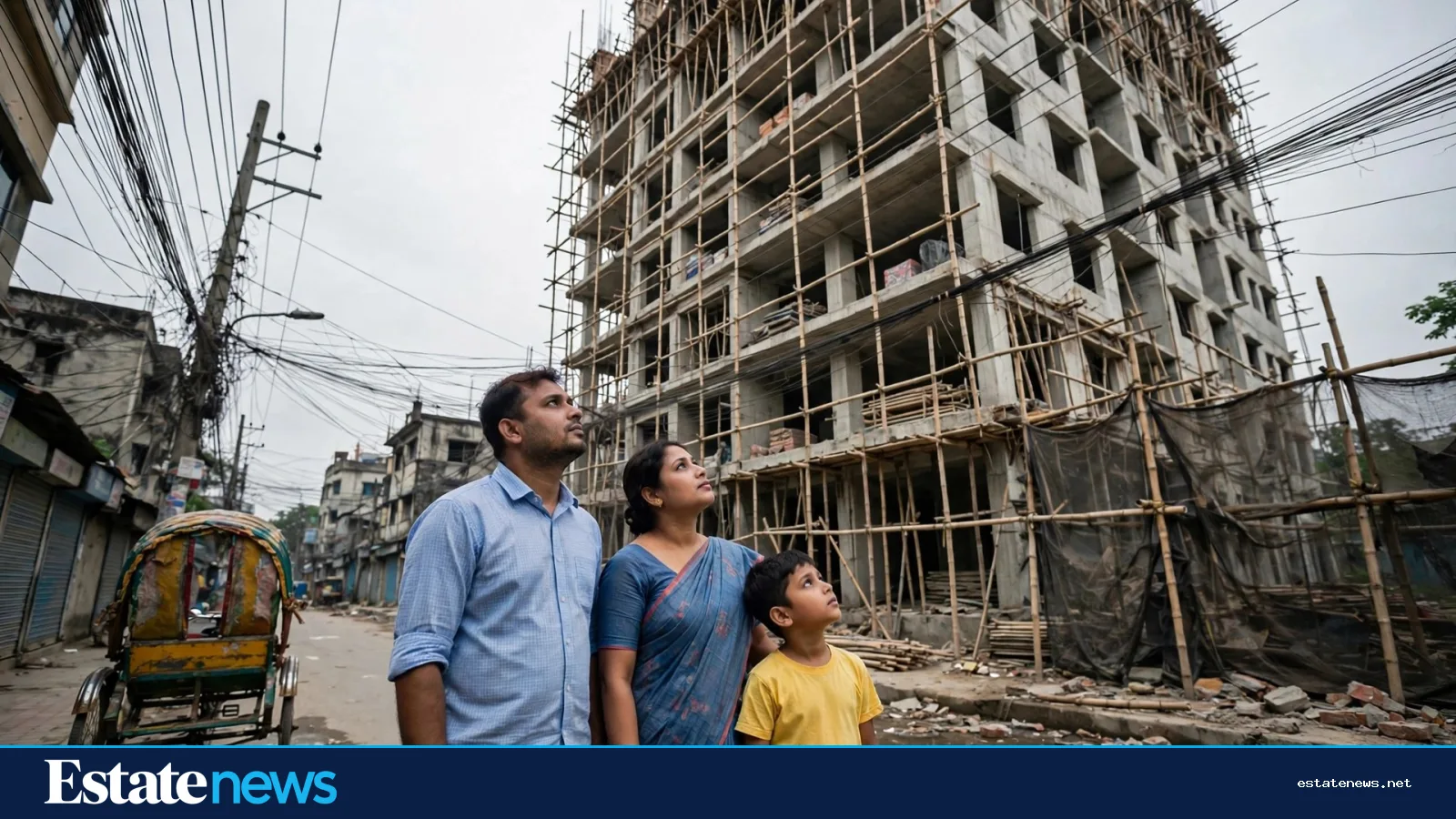
None of this makes any single project a safe purchase on reputation alone. Buyers should still check the deed chain, the RAJUK approval, the mutation record and the handover history of the specific building they are considering, and should read the deed of agreement before paying a booking amount. A company's record is a starting point for that checking, not a substitute for it.
The same applies to prices. SEL publishes project details on its website, sel.com.bd, and buyers should compare the asking price per square foot with similar buildings in the same area, and ask what is included in the price: gas line, lift, generator, parking and service charge terms. A flat is the largest purchase most families will ever make, and the habit of measuring first, the one SEL was built on, is a habit buyers would do well to borrow.
The crane over Mirpur will move on to the next floor tomorrow, and the floor after that. Dhaka's skyline was not drawn in a day, and it was not drawn by one company. It was drawn frame by frame, by firms that learned their trade on bridges and shelters before they ever sold a flat. SEL is one of those firms, and its buildings, more than 230 of them, are now part of the city its engineers grew up in.