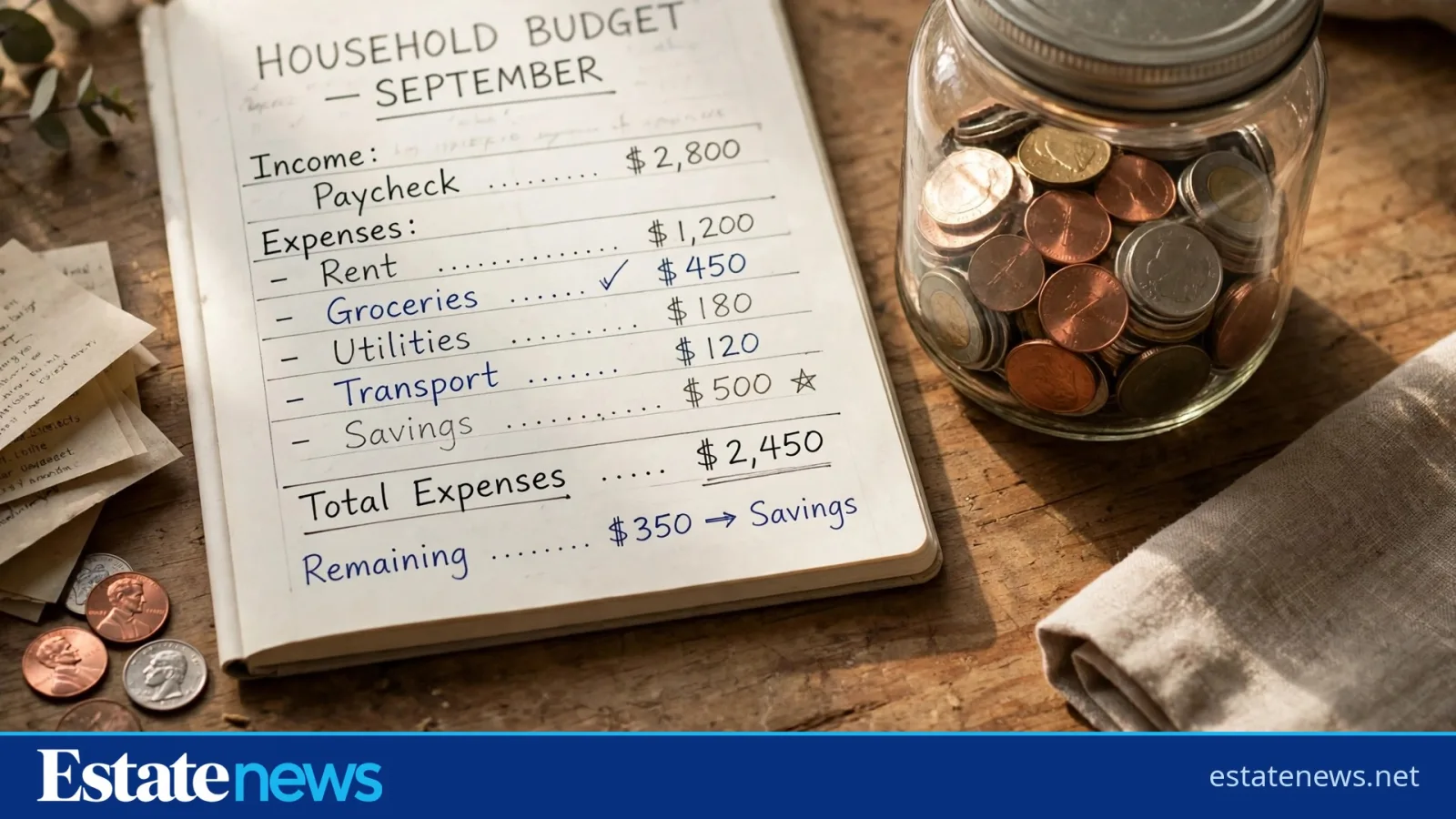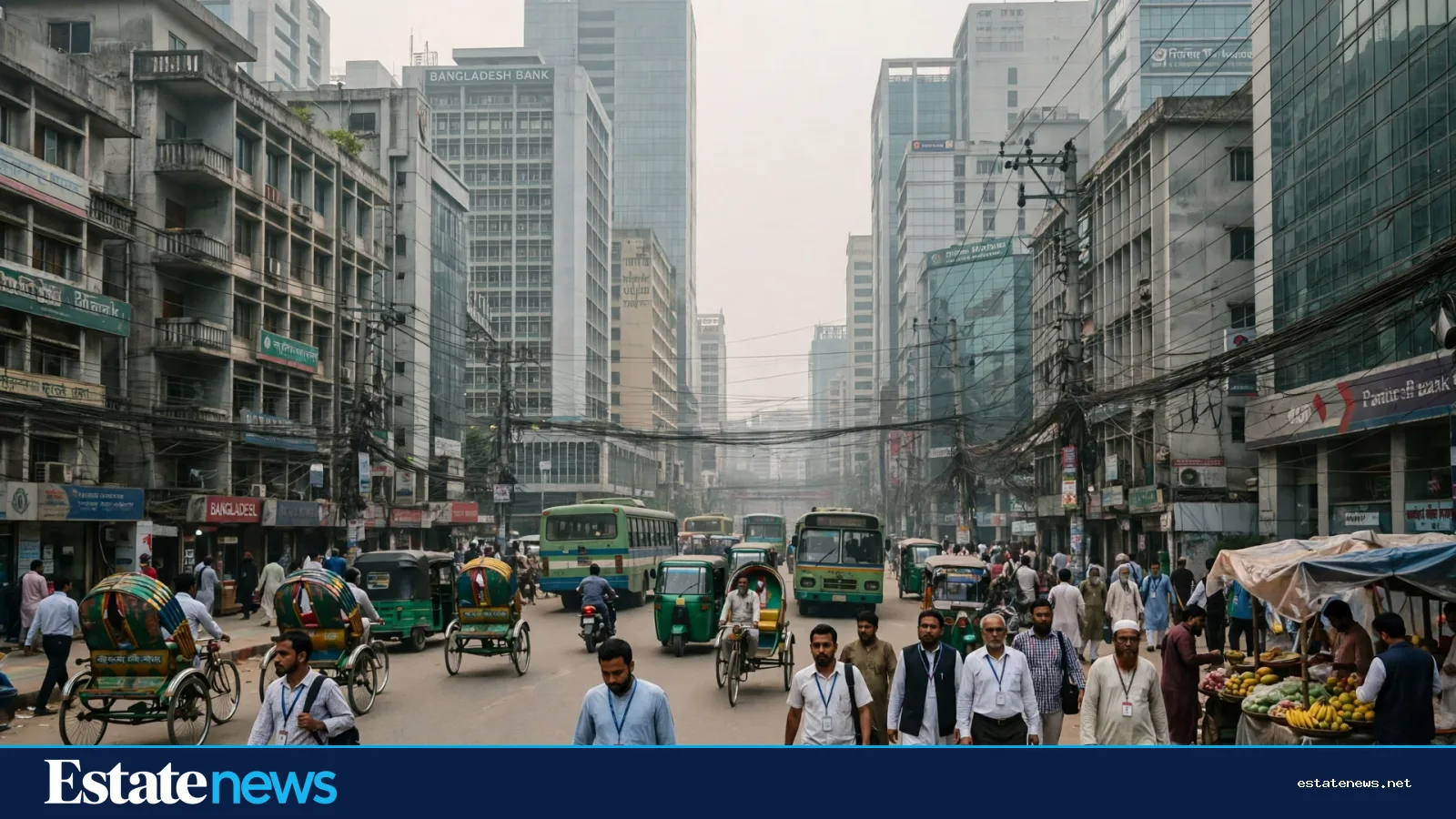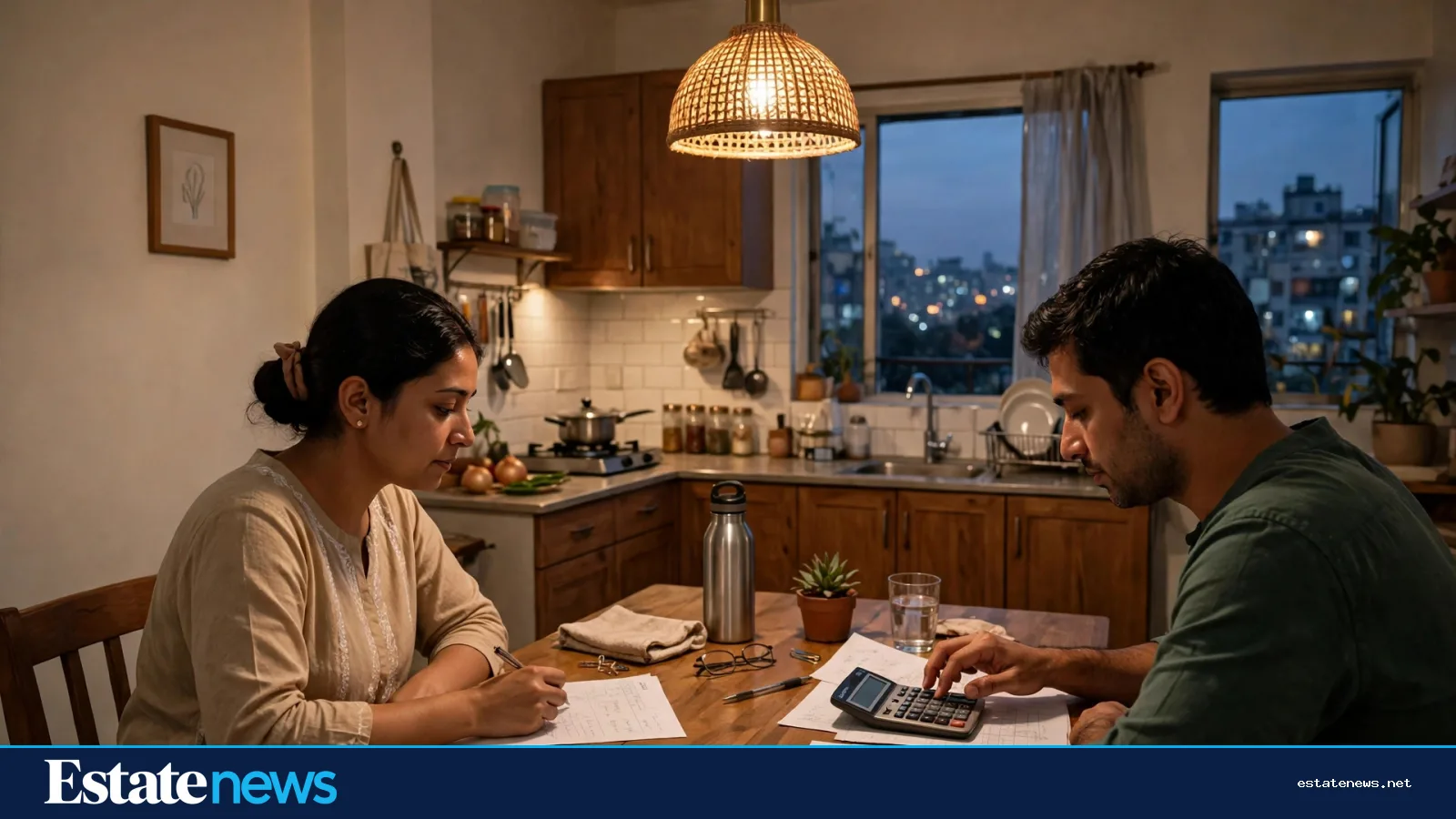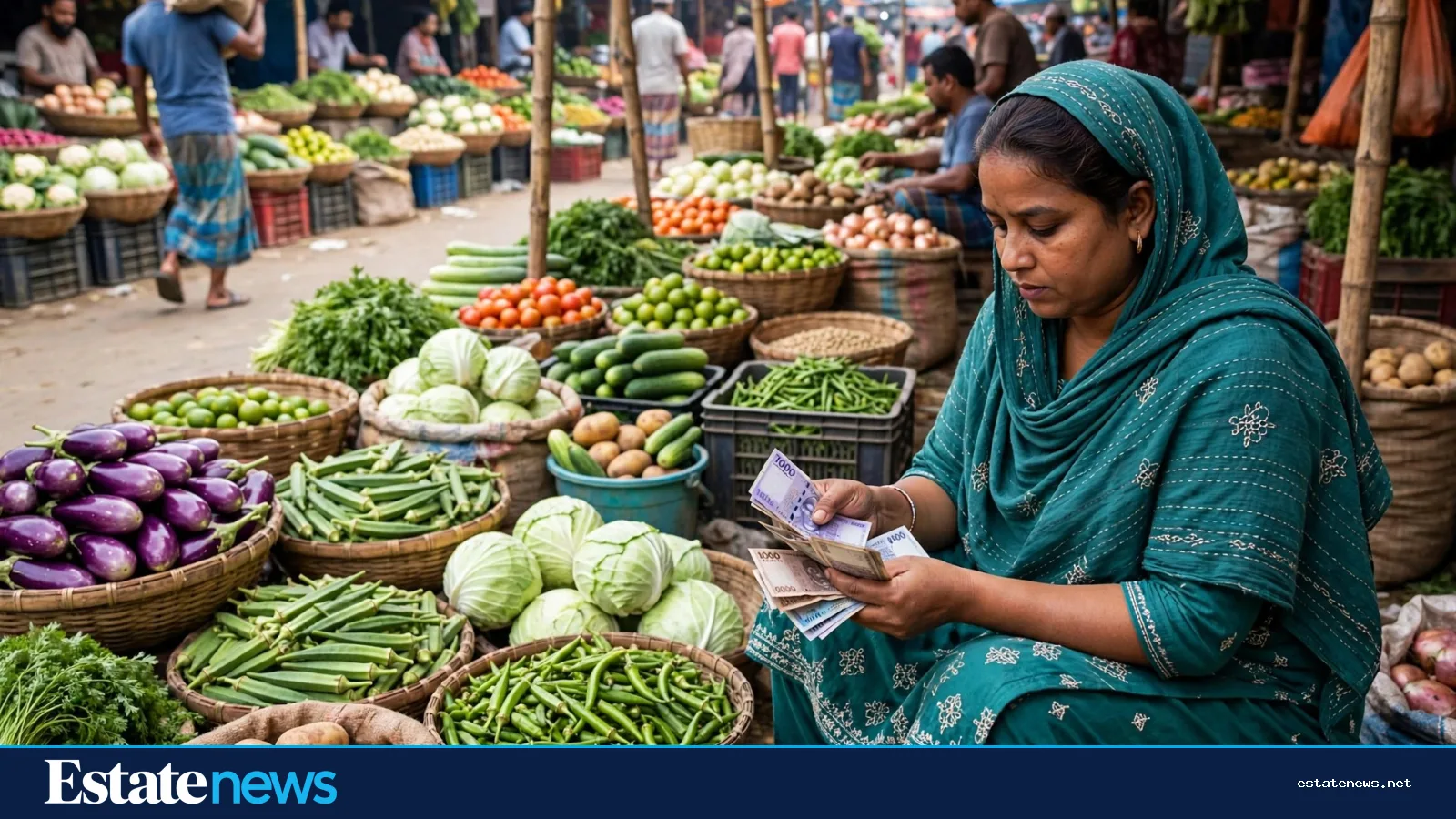
The deposit book tells the story before any economist does. A family in Dhaka that set aside Tk 20,000 a month for a flat deposit three years ago finds the same Tk 20,000 buys less of everything else now, and the flat it was saving for costs more. The arithmetic of the middle class has quietly changed, and the change shows up in the numbers published over the last few weeks.
Bangladesh Bank data put inflation at 9.21 percent in the April to June quarter. Incomes rose 8.2 percent in June, according to figures cited in a Prothom Alo opinion piece by Helal Mohiuddin on 5 November, while prices rose 9.2 percent in the same month. When prices rise faster than pay, a household does not need a lecture on economics to feel it. The grocery bill, the school fees and the bus fare all say it first.
The savings that stopped growing
The pressure shows up in the country's savings figures. Net sales of national savings certificates have been negative for four consecutive years, which means more people are cashing them in than buying new ones. In February 2026 alone, savings certificates worth more than Tk 11.65 billion were encashed. Families are not cashing in because they have stopped believing in saving. They are cashing in because the monthly budget no longer balances without it.
The poverty figures behind the squeeze are stark. A survey by the Power and Participation Research Centre in May 2025 put the poverty rate at about 28 percent, with another 18 percent at risk of falling below the line. A World Bank report in October 2026 found that about 8 million people had fallen into poverty over the past four years, with another 62 million living precariously just above the line. The same report sits alongside a Bangladesh Bureau of Statistics finding from 2022 that about 41 percent of young people aged 15 to 24 were not in education, employment or training. A generation entering work late saves late, and buys late.
What it does to the deposit
For a flat buyer, the squeeze works through three channels. The deposit grows more slowly, because less is left at the end of each month. The flat costs more, because construction materials, land and labour have all risen. And the loan costs more, because home loan rates sit at 11 to 12 percent. Each channel is manageable on its own. Together they push the purchase further away for families in the middle.


Consider a family saving Tk 25,000 a month toward a Tk 20 lakh deposit on a mid-priced flat. At that rate the deposit takes nearly seven years, and that assumes the price stays still, which it will not. If the monthly saving falls to Tk 15,000 because food and transport cost more, the wait stretches past eleven years. The maths is not complicated. It is just unforgiving.
Keeping the plan alive
The practical answer is not to give up on owning a home. It is to change the shape of the plan. A smaller flat in the same area, bought sooner, beats a larger flat that never gets bought. A flat in a semi-urban area, where prices are lower and a home loan stretches further, is a real option for families whose work allows it. A longer horizon, with the deposit built in stages, is better than a plan that depends on a single windfall.
There are smaller moves too. Keeping the deposit in an account that earns interest, rather than in cash at home, protects it from being spent on the month's shortfall. Treating the deposit as a fixed bill, paid on salary day before anything else, protects it from the slow drift of spending. And checking the true cost of the loan, including registration charges of more than Tk 6 lakh on a Tk 1 crore flat, keeps the budget honest.
The middle-class squeeze is real, and the numbers behind it are not small. But the families caught in it are not without choices. A flat bought later, smaller, or further out is still a home. The plan survives when it bends. It dies only when it is abandoned.
Note: this article is general information only, not financial advice. Household circumstances differ, and major financial decisions should be discussed with a qualified adviser.