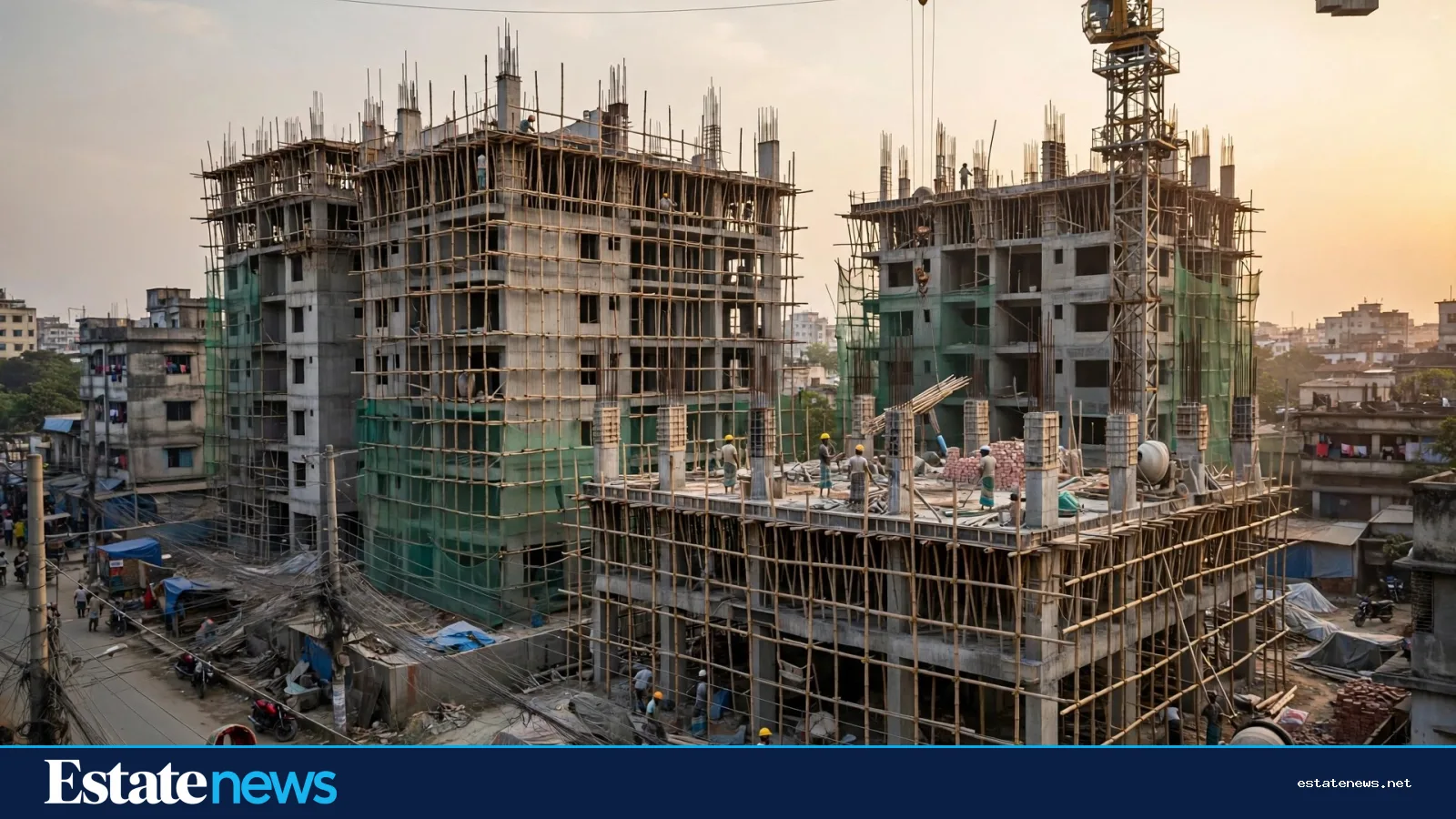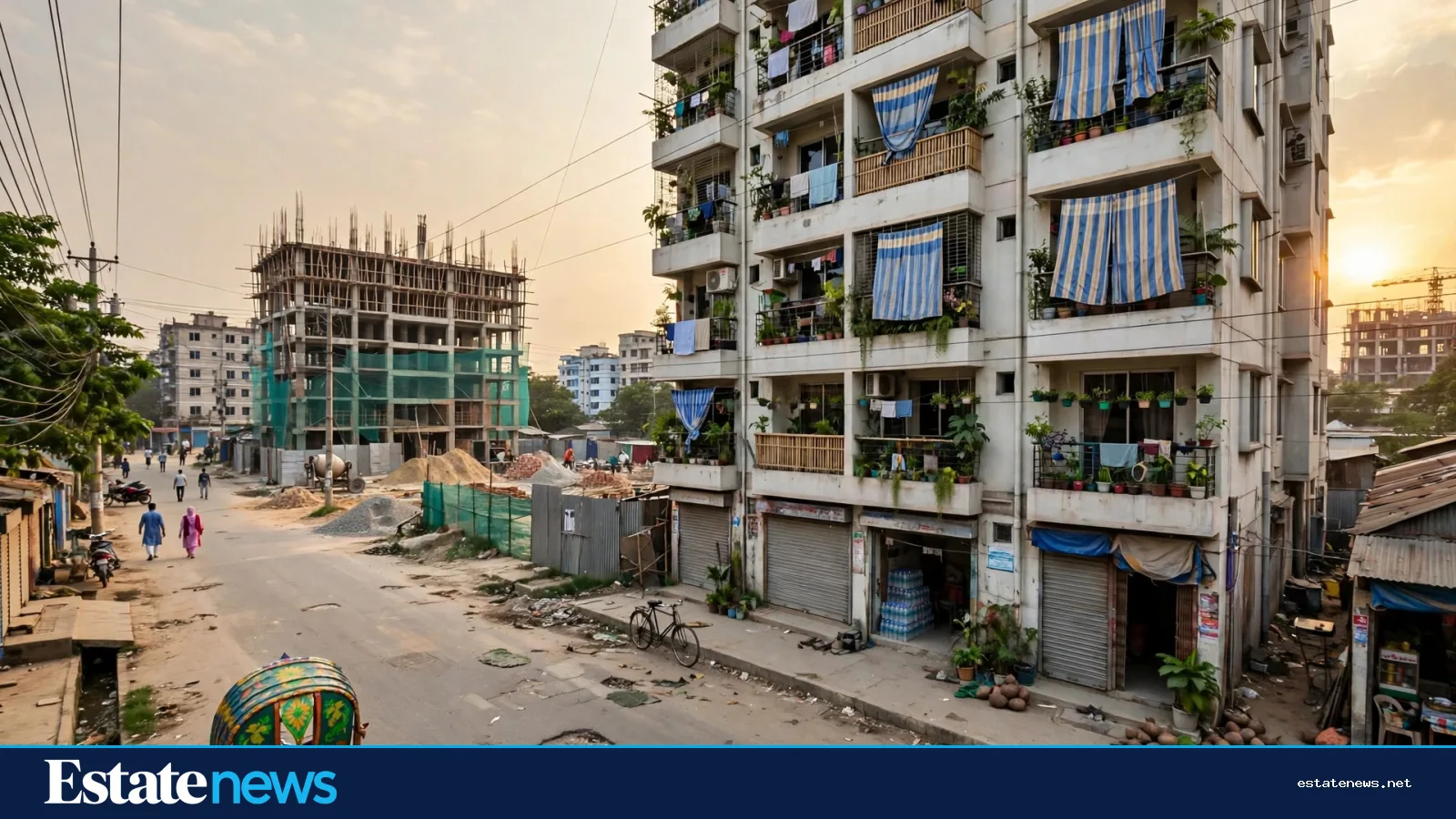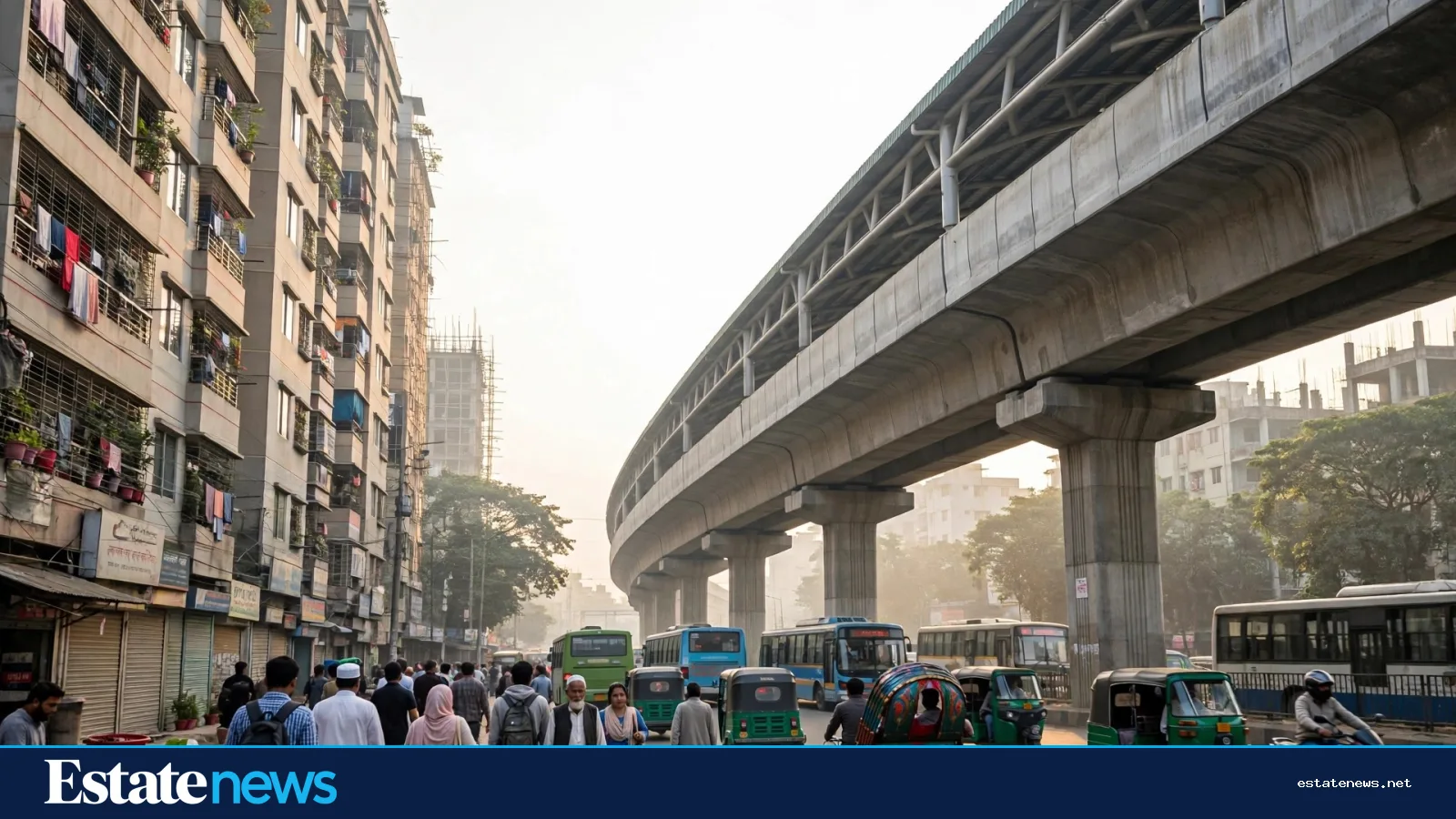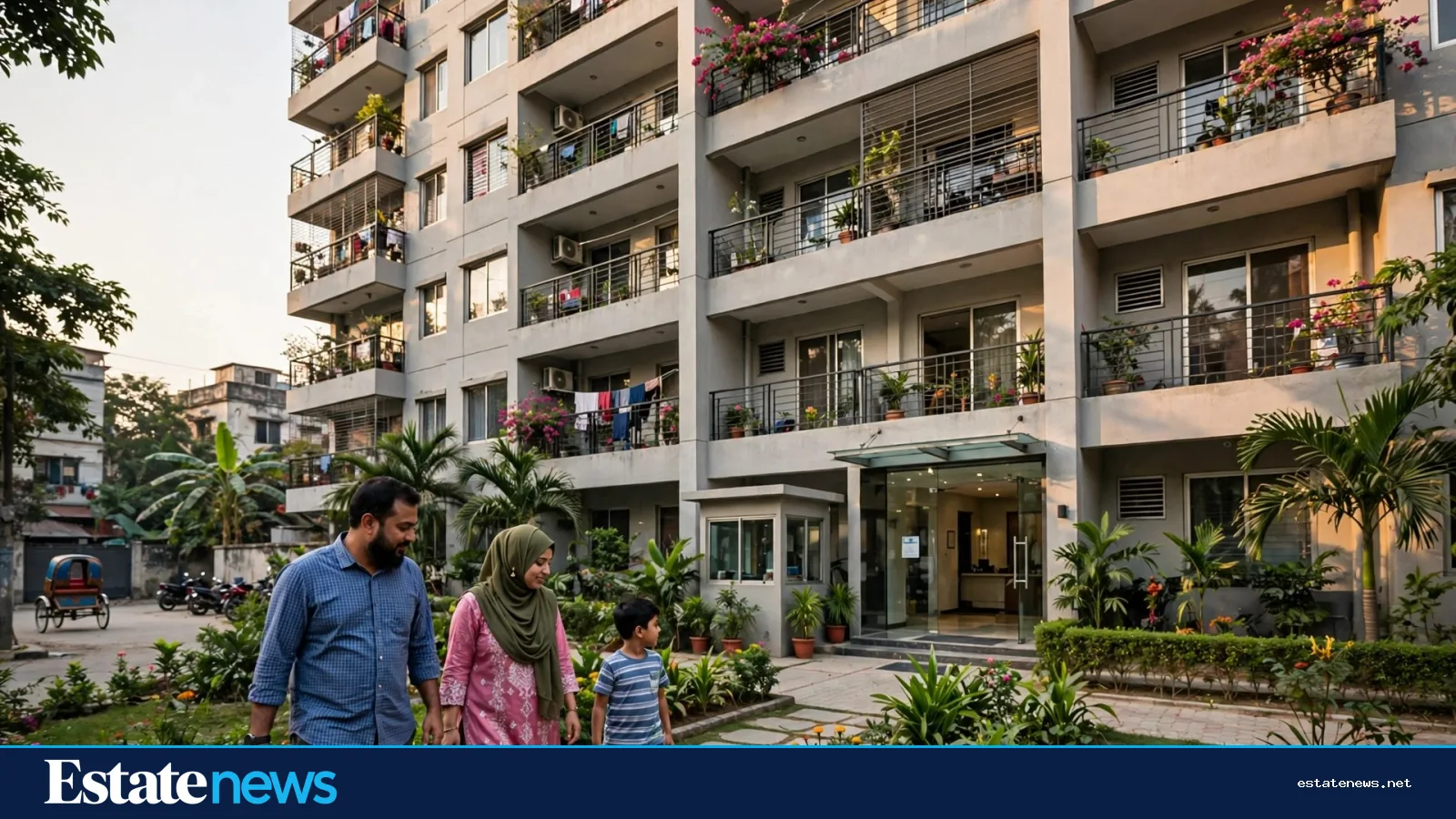
A decade ago, the Dhaka apartment market measured ambition in square feet. Developers built large, and buyers with money bought large. The bigger the drawing room, the better the address. That habit is changing. The flats that are selling now are smaller, plainer and priced for a wider group of buyers, and developers have noticed.
The shift is visible in the numbers reported by The Daily Star in December 2025. Mid-segment flats of around 1,200 sq ft, priced between Tk 1 crore and Tk 2 crore, are sustaining sales, while demand for premium flats has fallen. Realtors who once sold about 1,000 units a year have seen sales fall by half. Sales are down 40 to 50 percent against the peak of the 2022-23 financial year, according to Shanta Holdings director Shihab Ahmed. The market has not collapsed. It has moved, and the move is toward the middle.
What went wrong at the top

Premium flats in Dhaka generally mean homes above 2,000 sq ft, priced above Tk 2.5 crore. That segment depended on a small group of buyers: business owners with cash, senior executives, and families selling land or an old house to fund the purchase. When home loan rates rose to 11 to 12 percent, the maths changed for everyone, and the premium buyer felt it most. A loan of that size at that rate carries a monthly instalment that few salaries can support, and cash buyers grew careful about tying up so much money in a single flat.
The Detailed Area Plan, DAP 2022-2035, added its own pressure. The plan reduced building heights and floor area ratios in many locations, which raised the cost of building and made large premium projects harder to fit on a plot. A developer who once planned twenty large flats on a site may now fit fewer, or smaller ones, and the economics of the project change with that.
What went wrong at the bottom
The low end of the market did not escape either. Flats of 850 to 1,050 sq ft, priced under Tk 1 crore, were meant for first-time buyers and salaried families. Inflation ate into those families' savings, and the same 11 to 12 percent loan rates that hurt premium buyers put the monthly instalment out of reach for many of them. The Daily Star reported that demand in this segment weakened as household budgets tightened. A flat that looks affordable on paper becomes unaffordable when the loan instalment takes half a salary.


That left the middle standing. A flat of around 1,200 sq ft, in the Tk 1 crore to Tk 2 crore band, is large enough for a family with two children, and small enough that the loan instalment, while heavy, stays within reach for a household with two incomes or a business behind it. It is the size that fits the largest number of Dhaka buyers, and developers build what the largest number of buyers can buy.
The business logic of building smaller
Building mid-sized flats is not only about demand. It is about speed. A project of smaller flats sells faster, because more buyers can afford each unit. Faster sales mean the developer's money comes back sooner, and the next project can start earlier. A tower of twenty large flats that takes three years to sell ties up capital and carries interest costs all the way. A tower of thirty mid-sized flats that sells in eighteen months frees the money for the next site.
Smaller flats also spread risk. If one buyer drops out of a premium project, the developer loses a large sale. If one buyer drops out of a mid-sized project, the loss is smaller and the flat is easier to resell. In a market where sales have fallen by half from the old pace, that spread matters. Developers would rather sell thirty flats to thirty families than wait for five buyers with very deep pockets.
The design follows the same logic. Mid-sized flats in new Dhaka projects tend to have three bedrooms, two bathrooms, a drawing and dining space, and a kitchen that fits a working family. The finishes are decent rather than lavish. The parking, the lift and the generator are there, because buyers expect them, but the marble lobby and the imported fittings of the premium towers are not. The money goes into the rooms, not the display.
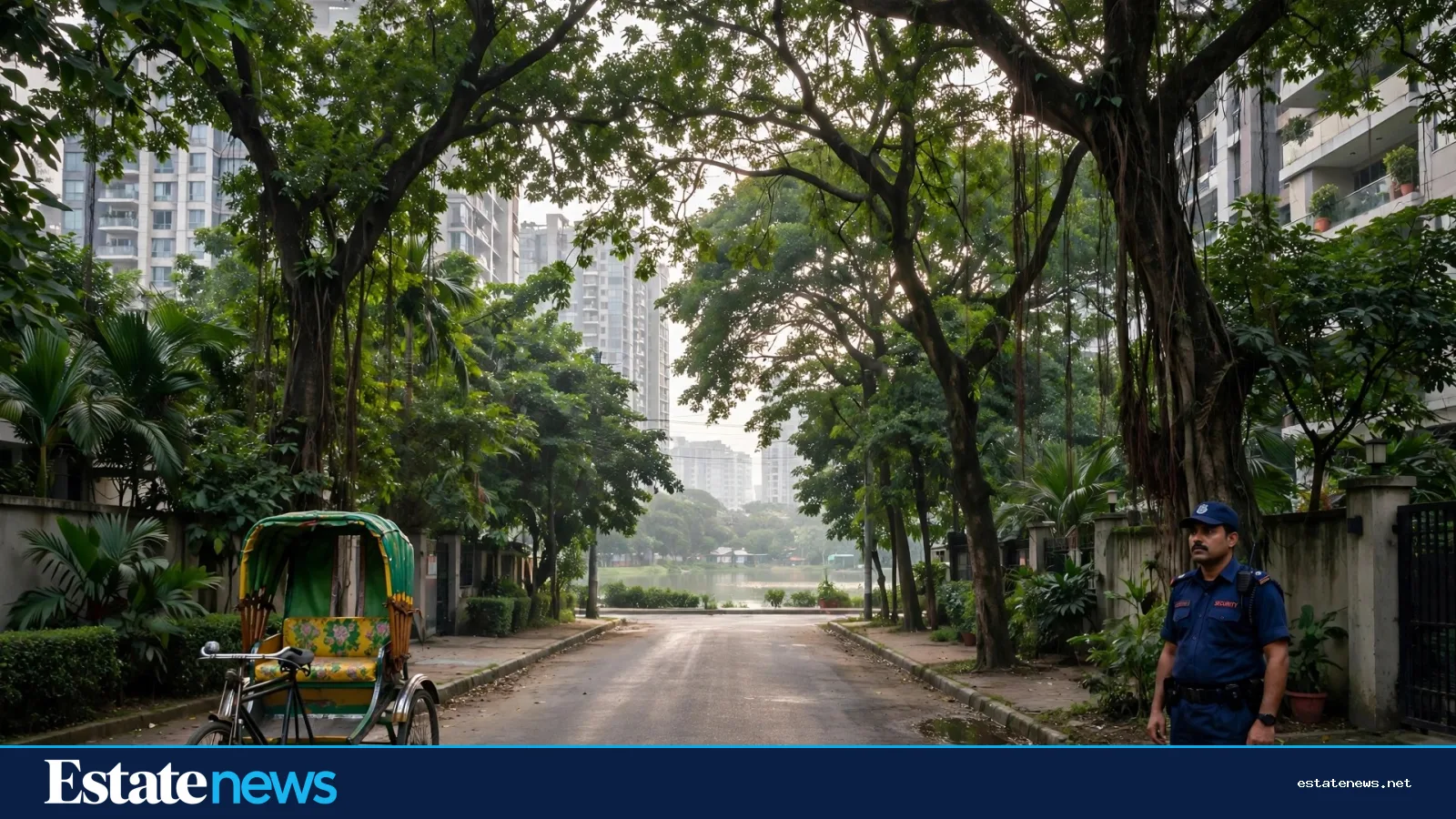
This shift does not mean premium flats have vanished. Gulshan, Banani and the larger projects in Uttara still sell large homes to buyers who want them. It means the centre of gravity has moved. The Dhaka market of 2026 rewards the developer who builds for the family with a steady income and a loan, not only for the buyer with cash in hand. The mid-sized flat is the shape of that market, and the sales figures say it is holding while the segments on either side struggle.