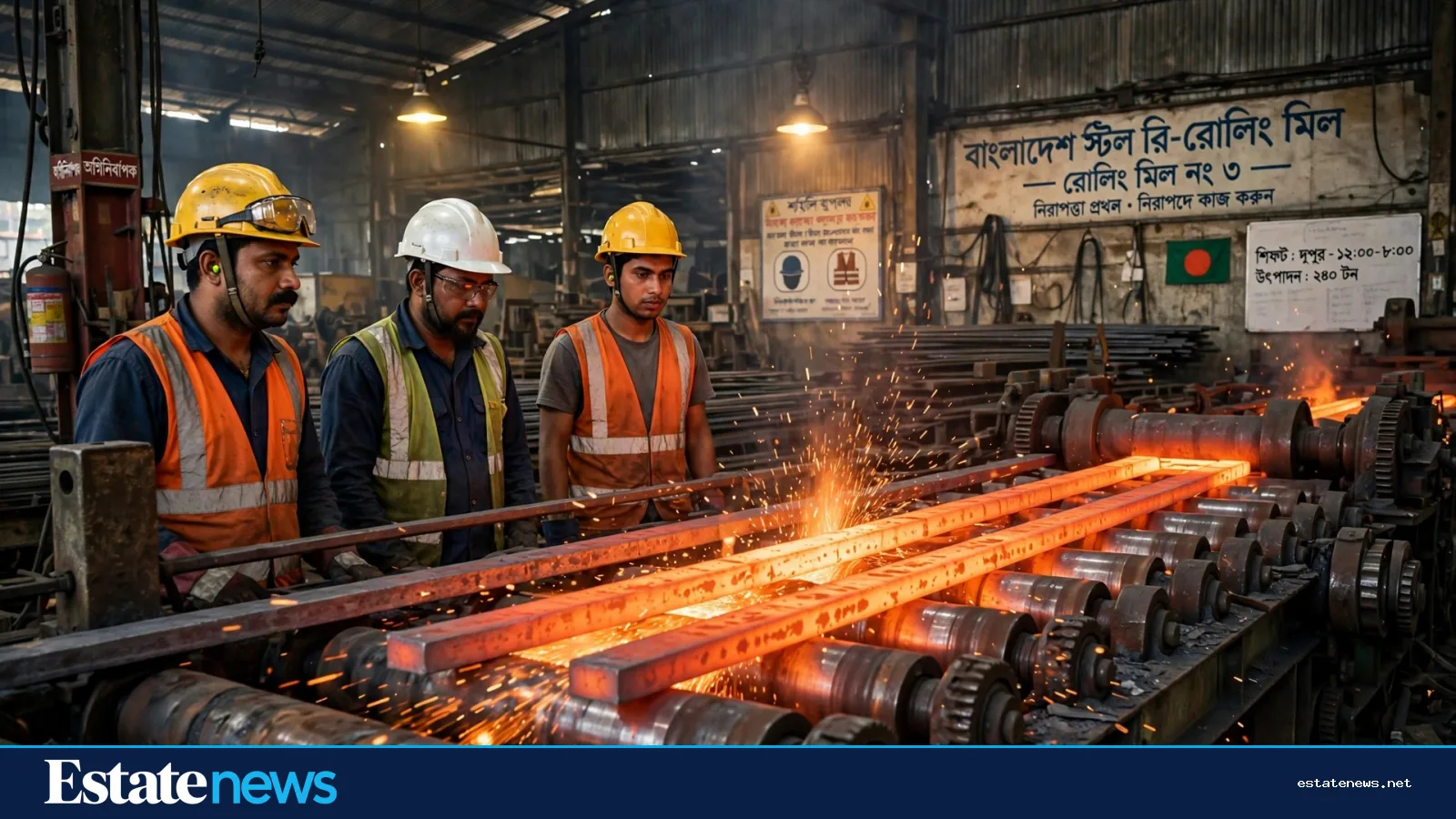
Steel is the cost that moves first when a build gets dearer. Before cement, before tiles, before fittings, the rod goes into the frame, and its price sets the tone for everything that follows. So when the country's largest steel group reports a record year, builders and homebuyers both pay attention.
BSRM Group, the combined BSRM Ltd and BSRM Steels, earned a net profit of Tk 1,418 crore in the financial year ended 30 June 2026, up 25 percent from Tk 1,132 crore the year before. Combined revenue reached Tk 23,943 crore, up 20 percent. The figures were published in late October, and they make this the group's strongest year on record.
Look inside the two companies and the picture holds. BSRM Ltd, the parent, reported revenue of Tk 10,995 crore, up from Tk 9,664 crore, and a net profit of Tk 703 crore. Earnings per share came to Tk 23.54, up from Tk 20.57, and the board recommended a 55 percent cash dividend. BSRM Steels reported revenue of Tk 12,949 crore, up 25 percent, and a net profit of Tk 715 crore, up 38 percent, with a 60 percent cash dividend recommended. Both companies hold their annual general meetings on 17 December 2026, with 15 November as the record date for the dividends.

A strong year, read carefully
A record profit does not mean building has become cheap. It means the steelmaker sold more, and earned more on what it sold, in a year when construction activity picked up. The rod price in Dhaka has held in a published range of Tk 92,500 to Tk 94,500 a tonne, with a midpoint of Tk 93,500, according to the Financial Express price survey of 10 October. Cement sits at Tk 540 to Tk 580 a bag, midpoint Tk 560. No new price move was reported on 10 or 11 November. Steady input prices, plus a steelmaker earning well, point to a market that is busy but not overheating.
That steadiness matters to a family planning a build. A house or a small apartment block is priced in stages, and the frame is the stage where a sudden jump hurts most. When rod holds its range for weeks, a builder can quote with more confidence, and a buyer can plan the instalments without fearing that the next month's bill will look different from the last. The BSRM results sit on top of that steadiness. They show demand, not a price shock.
There is a second way to read the numbers. BSRM's profit grew faster than its revenue at the Steels arm, 38 percent against 25 percent, which suggests margins widened as well as volumes. For a buyer, that is neither good nor bad on its own. It says the steel business is healthy. A healthy supplier keeps producing, keeps delivering, and does not cut corners to survive. In a market where delayed deliveries have sunk more than one project, that counts.


What it means for the flat market
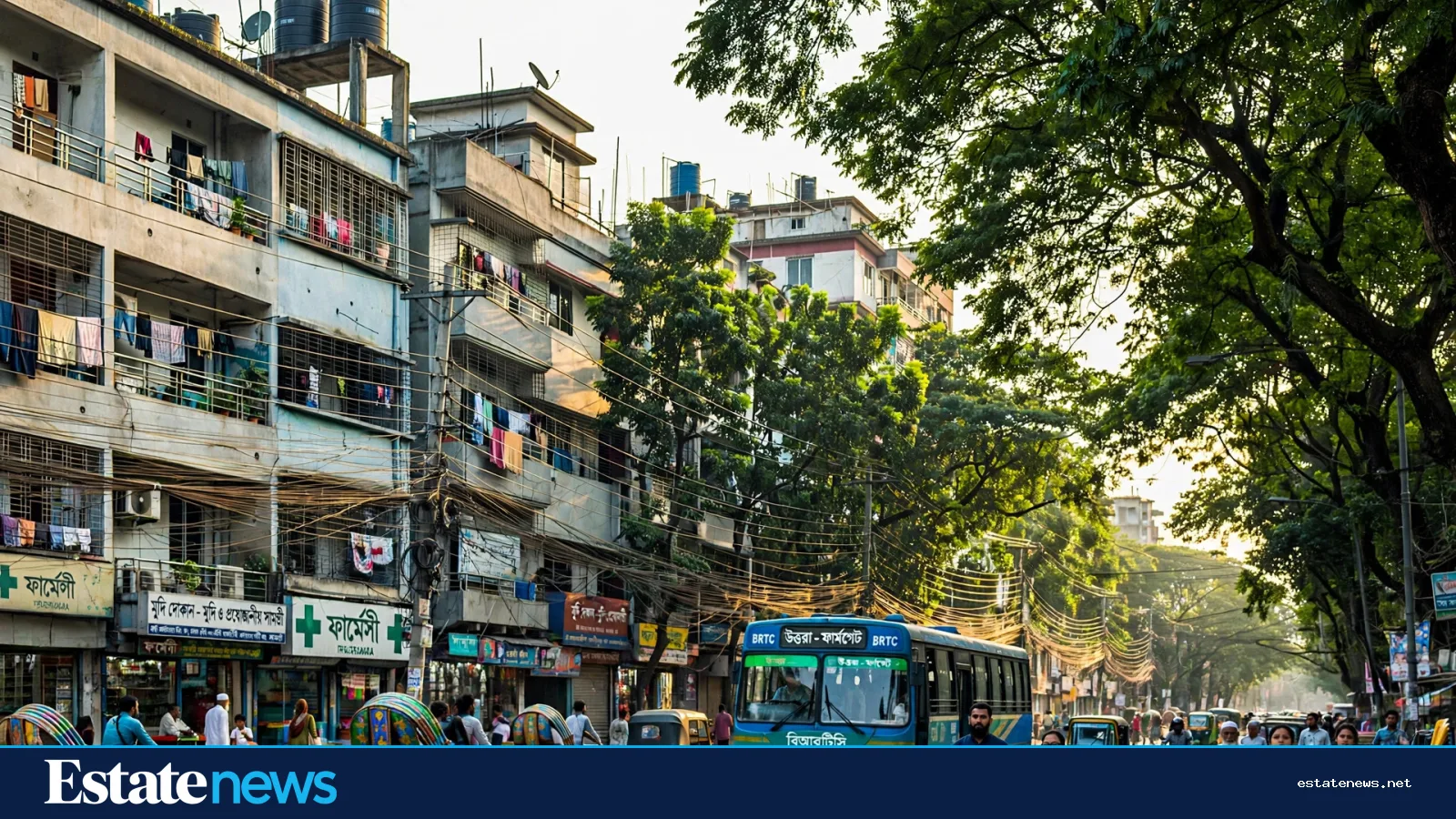
Steel feeds the apartment market through the builders. A developer buying rod for a tower in Uttara or Bashundhara watches the same price a single-house builder watches in Cumilla. When the largest supplier reports a record year, it is a sign that towers are still going up, and that the pipeline of new flats has not dried up.
That pipeline matters because Dhaka's flat supply has been uneven. Some years the cranes multiply. Other years they stop. A record year for BSRM leans toward the first. It does not guarantee that any single project will finish on time, and it does not set the price of a flat in Mirpur. What it does is confirm that the material at the heart of every concrete frame is being made, sold and delivered at scale.
The dividend dates give shareholders something concrete to mark. The record date of 15 November decides who receives the payout, and the meetings on 17 December will hear the boards explain the year. For readers who hold BSRM shares, or who watch the Dhaka Stock Exchange for a sense of where the building economy is heading, those are the next dates. This article is not financial advice, and a results announcement is a look backward, not a promise about the next year.
Steel will keep setting the tone for building costs. For now, the tone is steady: prices holding in their range, the largest maker earning a record profit, and construction work continuing. A buyer planning a build in the months ahead can work with that, and a builder quoting a price can stand behind it, for as long as the range holds.
Read more: "Crown Cement profit falls 25% as costs rise" and "BSRM joins the billion-dollar club".