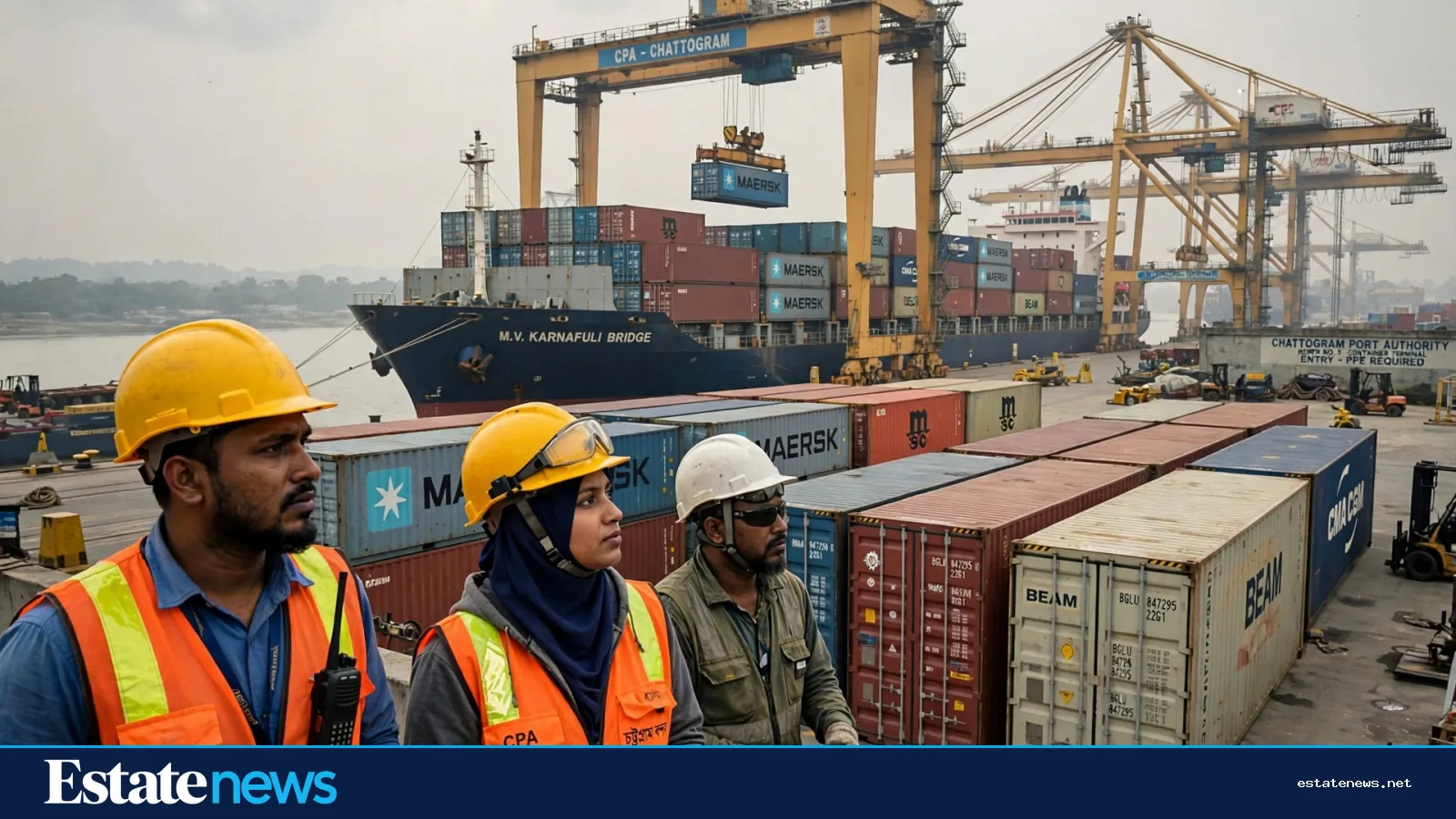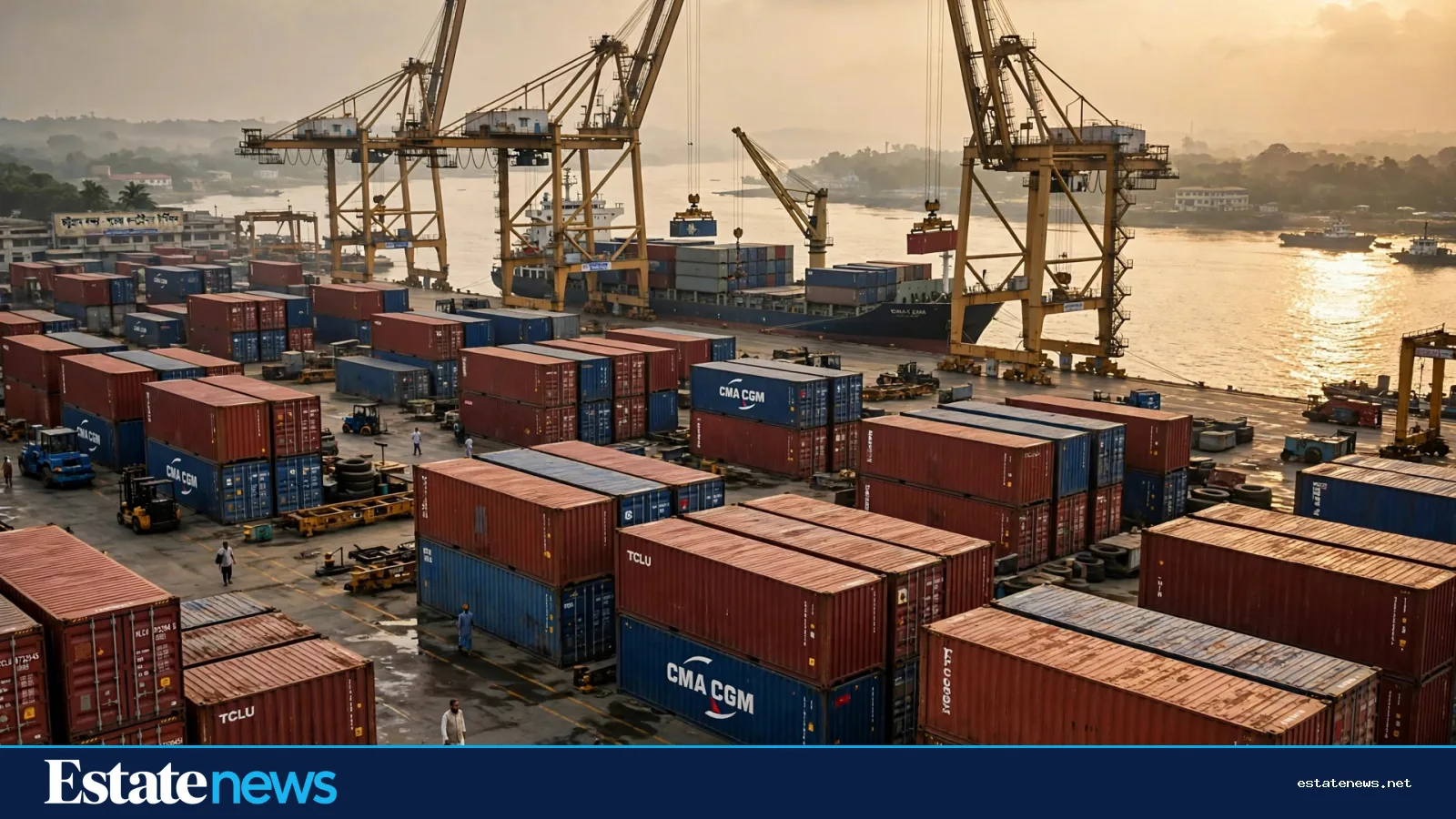
Chattogram port is preparing for its biggest operational change in years. The port authority plans to hand over the New Mooring Container Terminal, known as NCT, to DP World in March 2027, under a 15-year concession signed on 8 October 2026. For the builders and exporters who depend on the port every day, the date matters more than the ceremony. NCT is the workhorse of the country's main gateway.
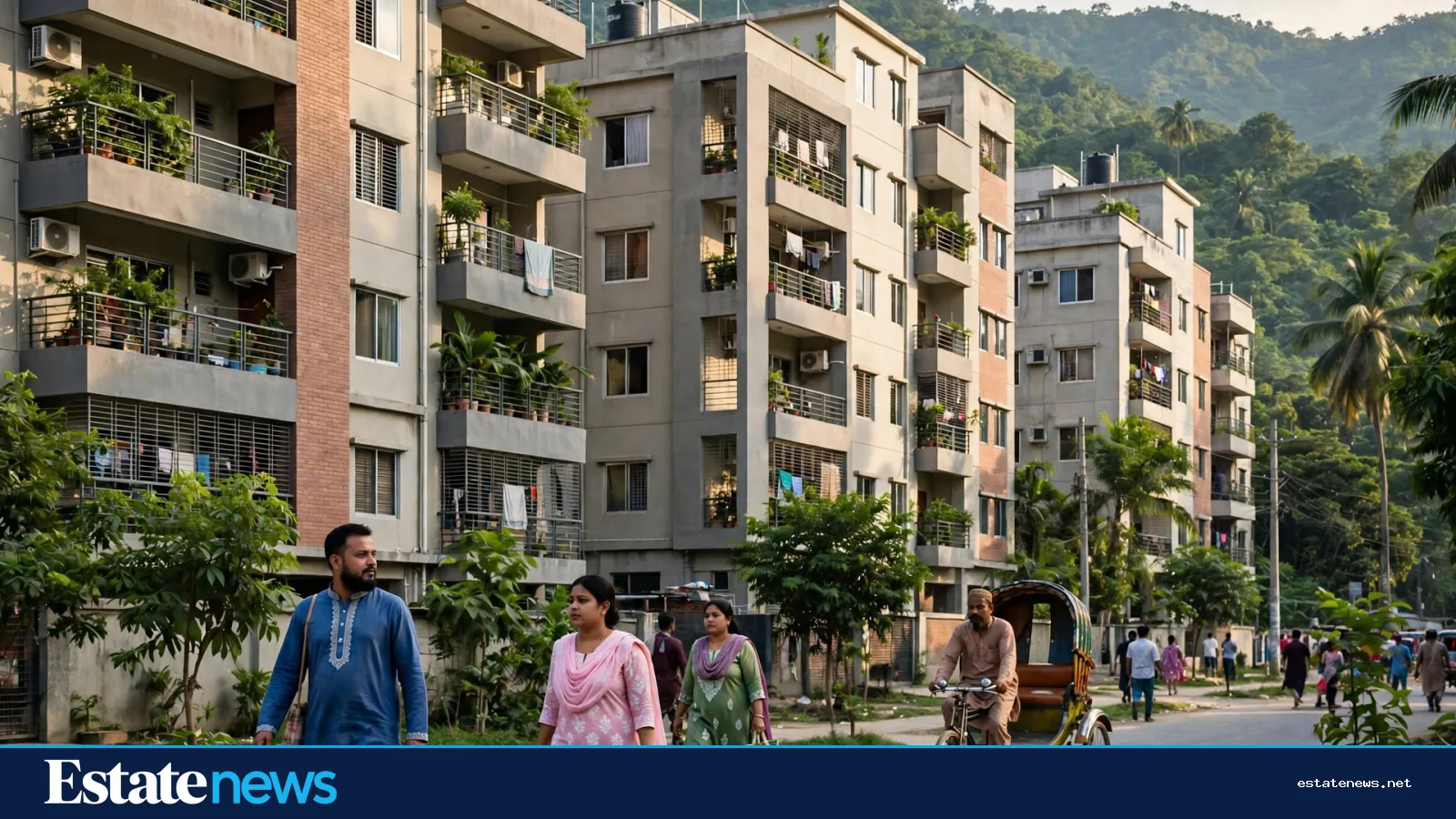
The terminal handles about 44 percent of the port's container traffic. Roughly 1.3 million TEUs moved through it in 2025, and the figure reached 1.385 million TEUs in the 2025-26 fiscal year. When a terminal of that size changes hands, the whole supply chain feels it, from the steel and cement importers in Chattogram to the garment exporters in Gazipur and Narayanganj. The city around the port has its own housing story too: tenants near the port pay rents shaped by the same trade, as "Chattogram's rental market near the port" shows.
What DP World pays, and what the port keeps

The money in the deal is substantial. DP World is to pay about Tk 600 crore upfront, with 25 percent due on signing and the remaining 75 percent before operations begin. On top of that, the operator is to invest more than Tk 1,000 crore over the first 10 years of the concession.
Chattogram Port Authority keeps a share of every container that moves. It will receive a royalty of 40 to 67 percent per TEU, depending on the volume band, plus a fixed annual fee of about Tk 10 crore. The concession also carries a minimum annual volume guarantee of 1.23 million TEUs, which sets a floor under the port's earnings from the terminal even in a slow year.
Why a faster terminal matters for builders
A port is only as useful as the speed at which ships are turned around. Every extra day a vessel waits at anchor, and every extra day a container sits in the yard, adds cost to the cargo inside it. For construction, that cost lands on cement, steel, tiles, sanitary ware and finishing materials, much of which arrives through Chattogram.


The port handled about 2.14 million TEUs between January and July 2026. A modernised terminal with new equipment and tighter yard management should cut the time containers spend waiting, which in turn steadies the supply of materials to building sites in Dhaka and Chattogram. It will not by itself make flats cheaper, and no one should read the deal that way. What it can do is remove one of the quiet costs that sit inside every building budget. Steel is the material that feels port delays first, and the country's biggest steelmaker has just had a record year, as "BSRM's results show".
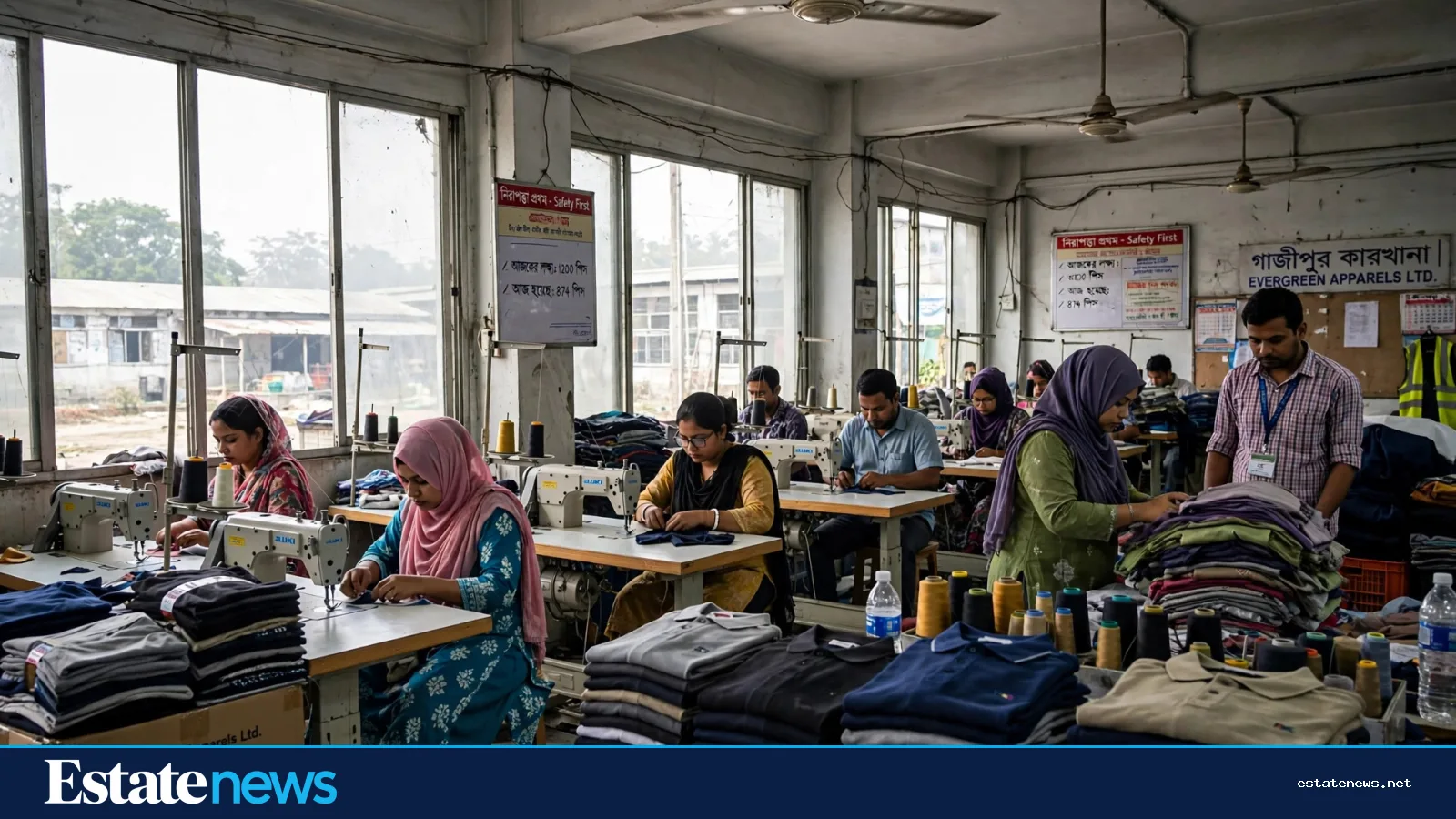
Exporters have the same interest. A garment shipment that leaves on schedule keeps a buyer happy; a shipment that misses its vessel does not. Faster handling at NCT helps the factories whose earnings pay the salaries that become flat deposits in the industrial towns.
A second terminal changes hands too
NCT is not the only terminal in transition. Saif Powertec's contract to operate the Chittagong Container Terminal was not renewed when it expired on 2 November. The port authority is bringing that terminal back under its own management while the DP World handover at NCT is prepared.
The two changes together amount to a reset of how Chattogram's container business is run. The port has been the subject of long arguments about who should operate its terminals, and this article does not reopen those arguments. The facts that matter now are the dates, the money and the work ahead.
What to watch next is straightforward. The handover is targeted for March 2027, and the months before it will be spent on the remaining payments, equipment and staffing. Once DP World takes over, the test will be visible in the numbers the port publishes: how long ships wait, how fast containers clear, and whether the terminal keeps pace with the volumes it has promised to handle.