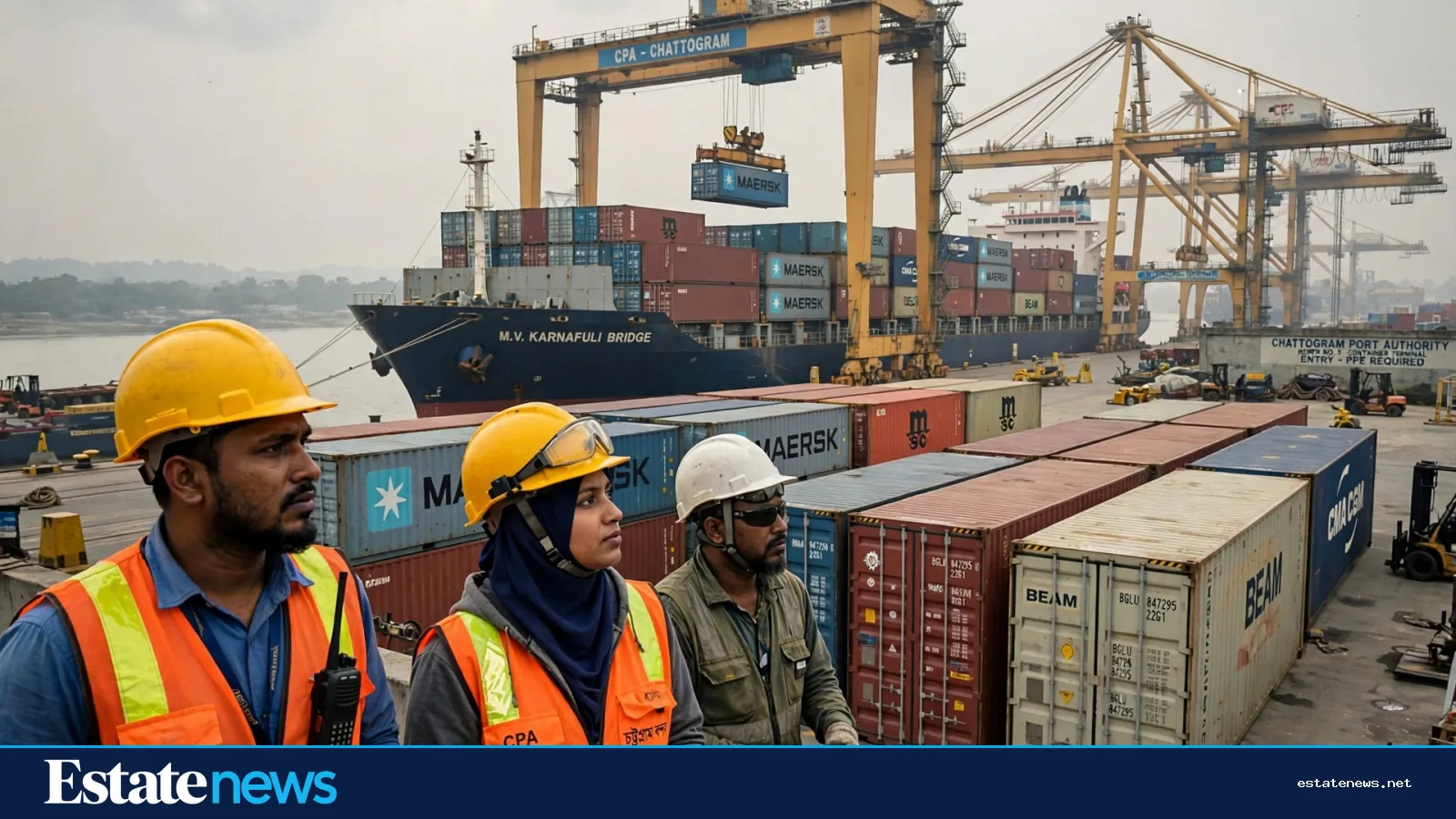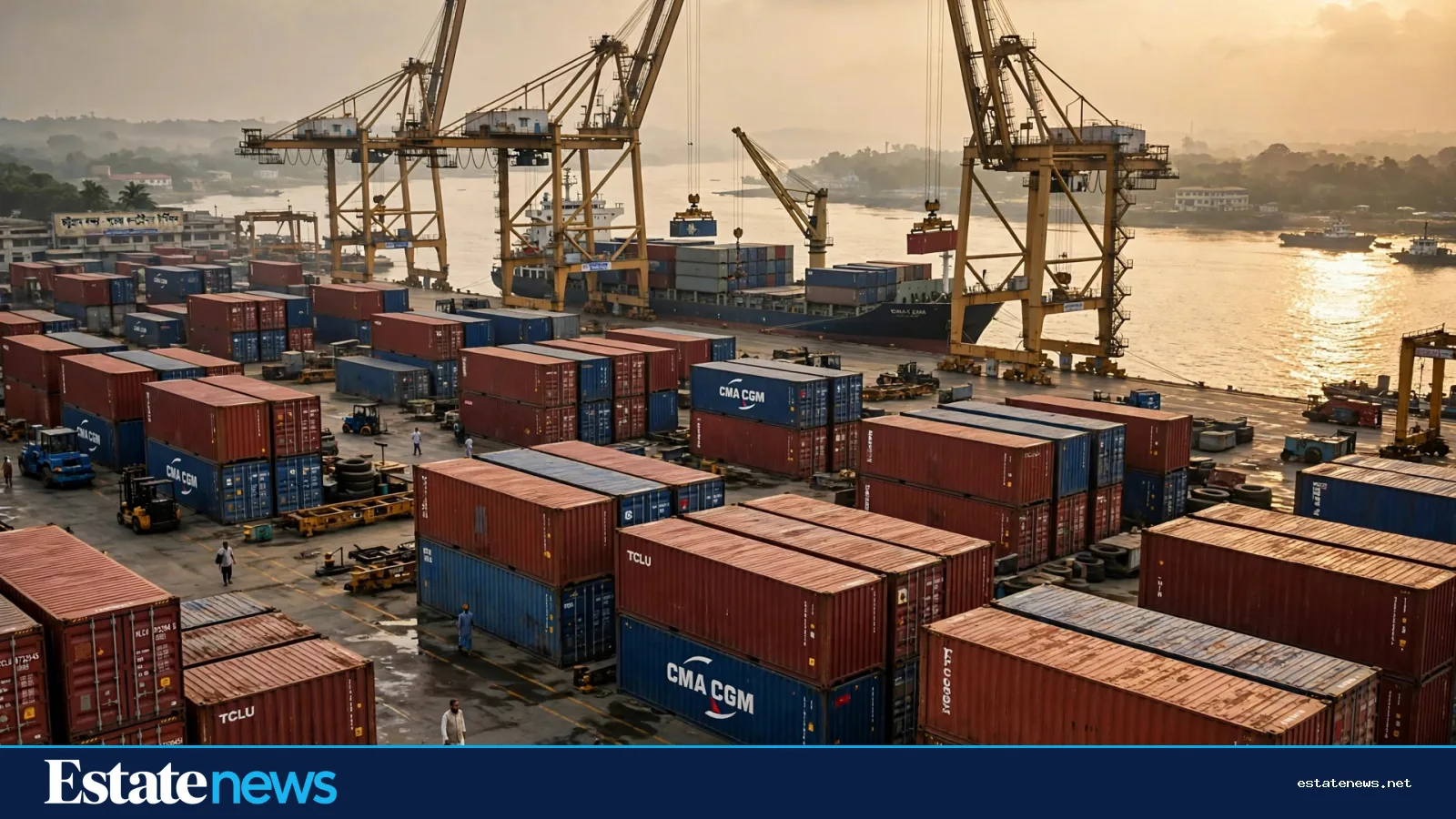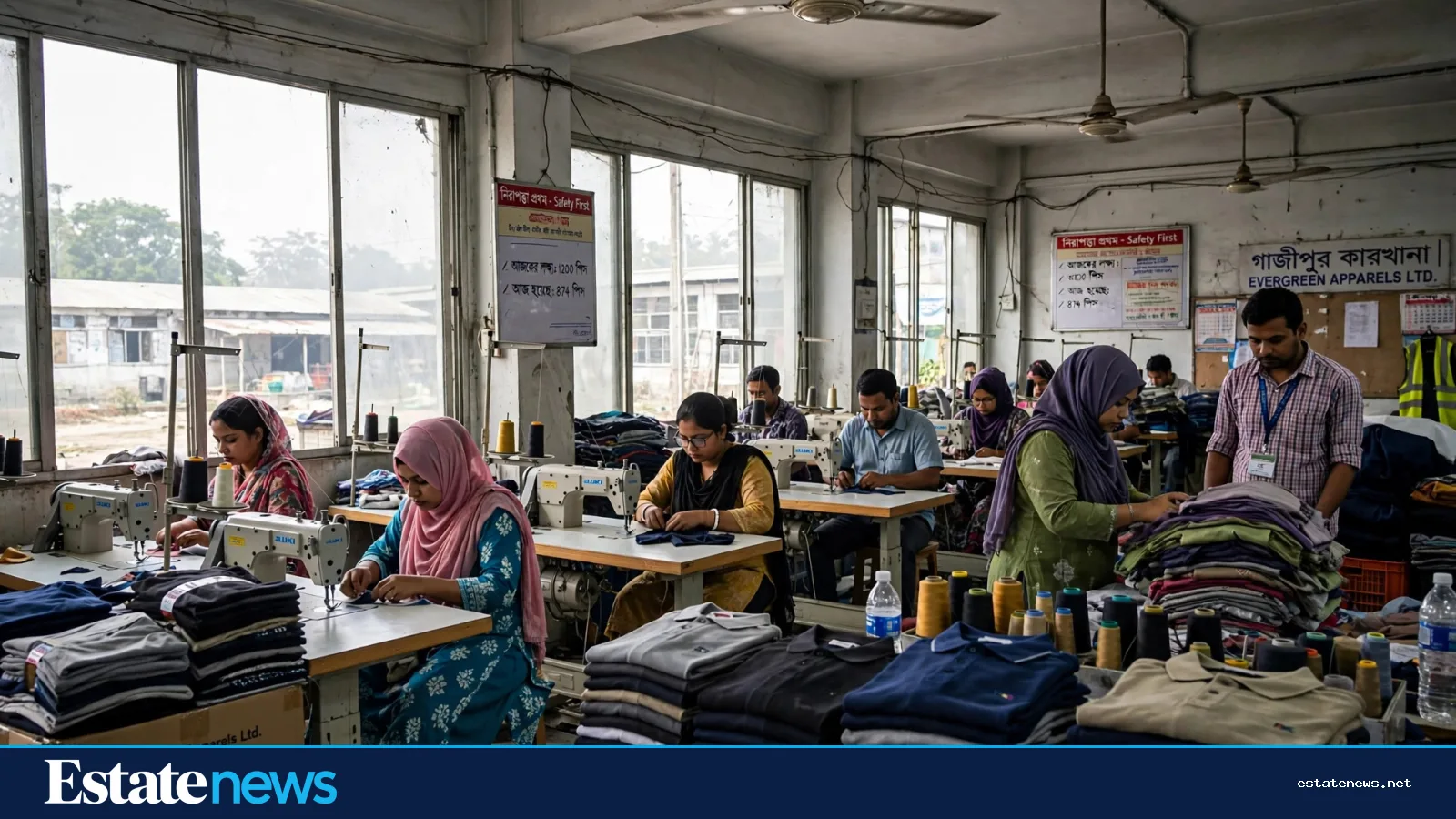
Bangladesh sold $3.99 billion worth of goods abroad in October. The figure, released by the Export Promotion Bureau, is up 4.39 percent on the same month last year, when exports stood at $3.82 billion. It is the slowest export growth since August, but it is growth, and in a year of thin margins it counts.
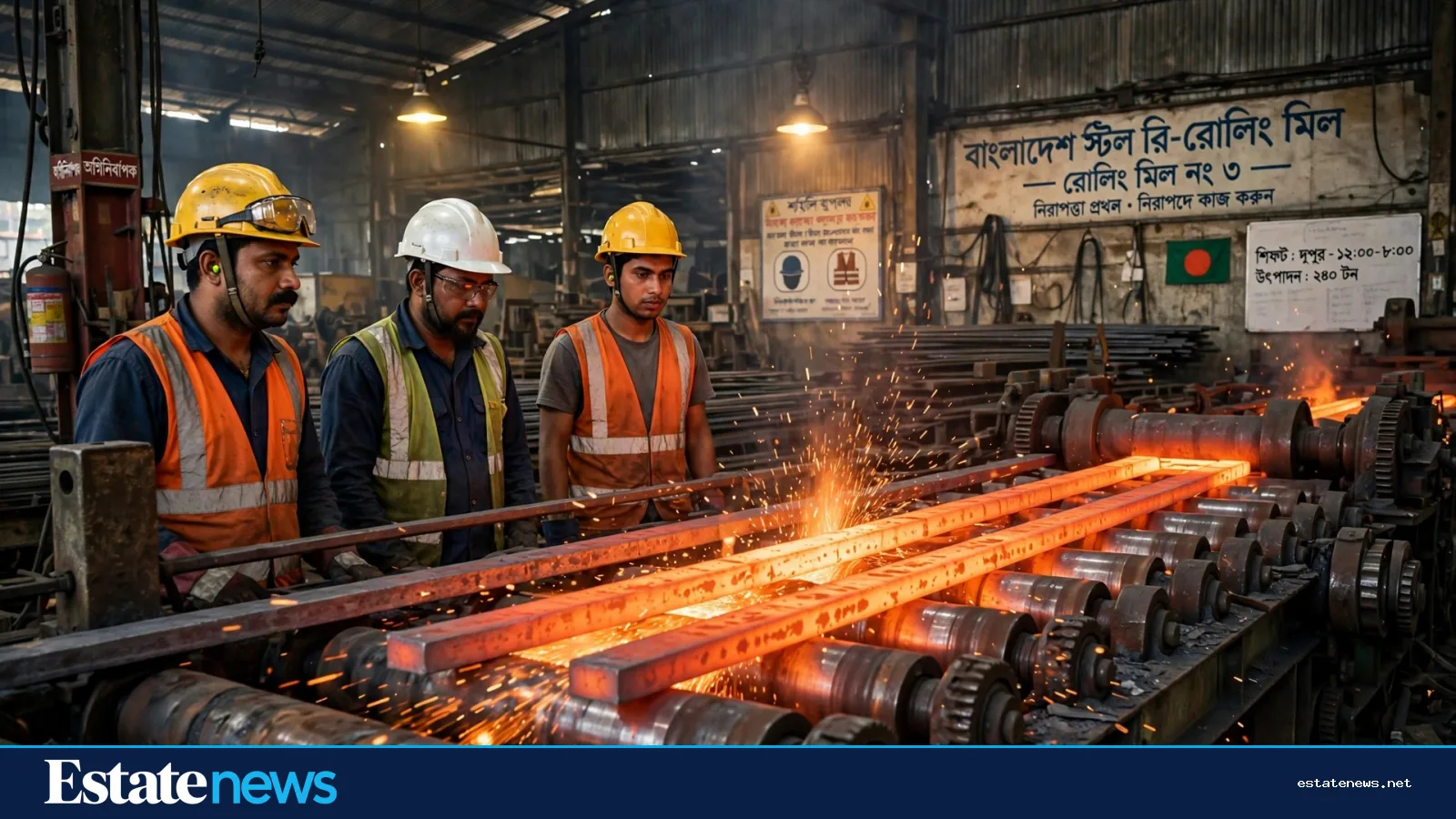
The first four months of the financial year tell a steadier story. From July to October, exports reached $17.04 billion on Bangladesh Bank figures, or $17.09 billion on the bureau's count, up about 6 percent on the same period last year. Garments did most of the work. October garment exports were $3.17 billion, up 4.9 percent, with knitwear at $1.77 billion and woven garments at $1.40 billion. Over the four months, garments reached $13.75 billion, up 5.82 percent, and still make up about 80 percent of everything Bangladesh sells abroad.
That dependence is the first thing to notice. The second is where the growth is coming from. The United States, the largest single market for Bangladeshi garments, took $2.85 billion in the four months, up 10.16 percent. The European Union took $6.43 billion, up 2.79 percent. But the faster movement is in the markets Bangladesh has long called non-traditional. Sales to those markets rose 9.30 percent to $2.37 billion. Turkey more than doubled, up 107 percent to $206.5 million. Japan, the largest of the non-traditional markets, took $437.3 million.

Growth that does not feel like growth
Ask a factory owner, and the picture changes. Fazlee Shamim Ehsan, a vice-president of the Bangladesh Knitwear Manufacturers and Exporters Association, has said plainly that the growth does not reflect margins. Raw material import costs are up 15 to 20 percent. Wages are up 9 percent. A factory can ship more and earn less on each piece, and that squeeze is now the normal condition of the trade.
This is why the export number matters to a property portal. Export earnings pay the salaries that become down payments. When a garment worker in Gazipur or a merchandiser in Chattogram keeps a job and gets a raise, a family starts to think about a flat. When margins shrink, hiring slows, overtime thins out, and that thinking stops. The $3.99 billion is not an abstraction. It is the income base of the housing market in the factory towns.


The diversification numbers point the same way. A garment order that goes to Turkey or Japan instead of only to Europe or America spreads the risk. It also spreads the housing demand. Gazipur, Narayanganj and Chattogram have long carried the garment workforce, and their rental markets and small-flat sales follow the order books. A wider set of buyers means steadier work in more places, and steadier work is what lets a family commit to a monthly instalment.
What to watch next
Three things will decide whether October was a good month or a warning. The first is the cost of raw materials, which has risen faster than the price buyers pay for finished garments. The second is wages, which have risen and will be watched again when the wage board returns to the question in December. The third is the order book for the winter season, when European and American buyers place the orders that fill Bangladeshi factories through the first half of next year.
None of those is settled. The export figure gives the housing market a floor to stand on, not a reason to celebrate. A family in Gazipur saving for a down payment should read it that way: work is coming in, the money is moving, but the factories earning it are under pressure, and the pressure will show up in hiring before it shows up anywhere else.
For Dhaka, the link is indirect but real. Export earnings support the taka, they support the reserves, and they support the confidence of the banks that lend for homes. A strong export month does not cut a home loan rate by itself. It does keep the economy in a place where lending can continue. That is the quiet connection between a container leaving Chattogram port and a flat changing hands in Mirpur, and it is worth keeping in mind when the next monthly figure lands.
Read more: the "Bangladesh market wrap of 9 November" and "what Tk 75 lakh buys in Dhaka now".