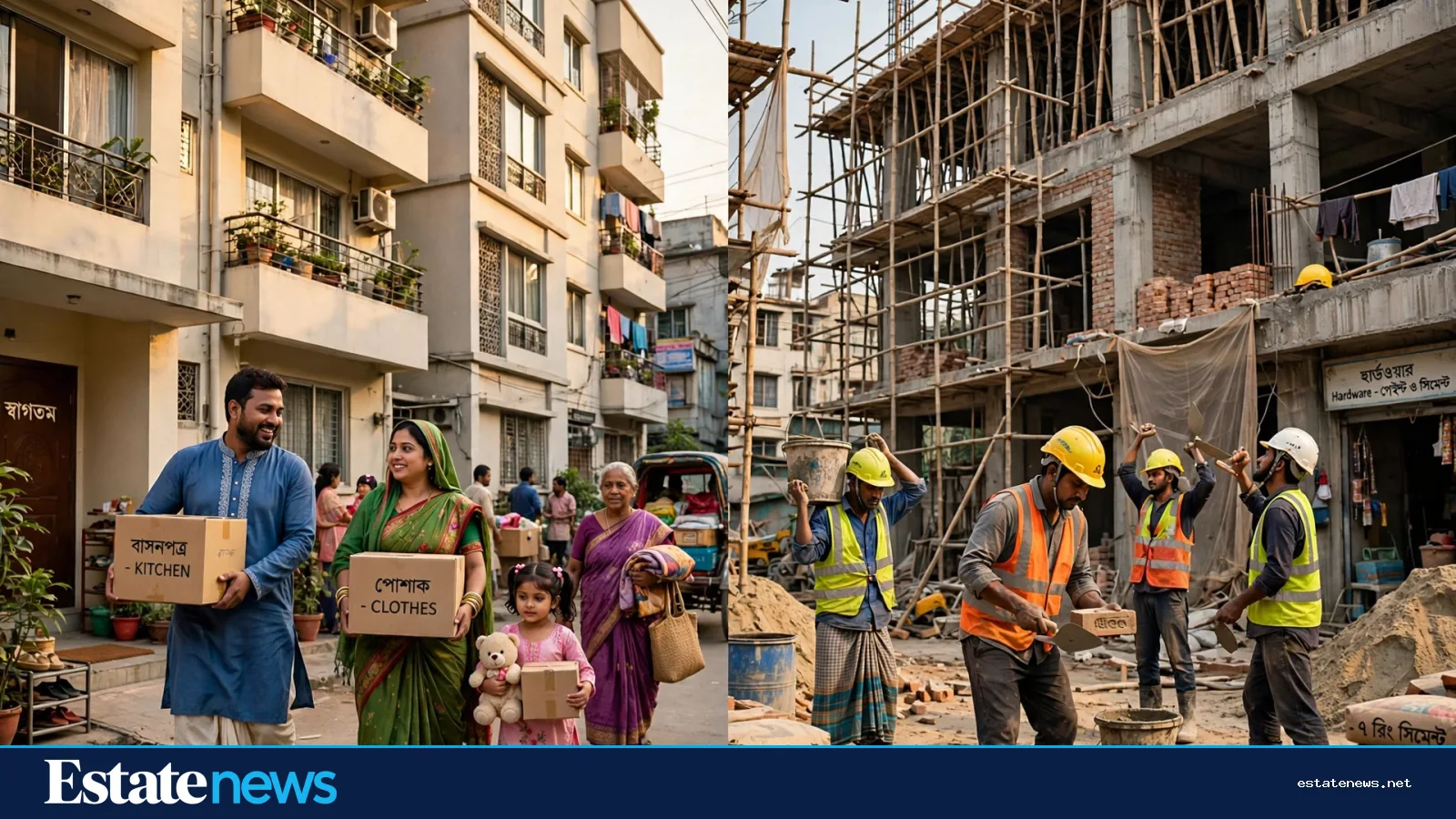
Every Dhaka flat buyer reaches the same fork in the road. On one side sits a ready flat: walls up, paint dry, keys in hand. On the other sits a flat still rising from the ground, bought on a drawing and a payment schedule. The ready flat costs more. The unfinished one costs less and asks for trust. Neither is the right answer for everyone, and the wrong answer is usually the one bought without checking.
The price gap is the first thing buyers notice. A ready flat in the same area as an under-construction one generally carries a higher price per square foot, because the risk is gone and the waiting is over. The under-construction flat is cheaper for the opposite reason: the buyer is paying in instalments over the build period and carrying the risk that the building is late. How wide the gap is varies by area, developer and stage of construction, and no single figure describes it. What matters is not the gap itself but what the buyer gets for it.
What a ready flat lets you check

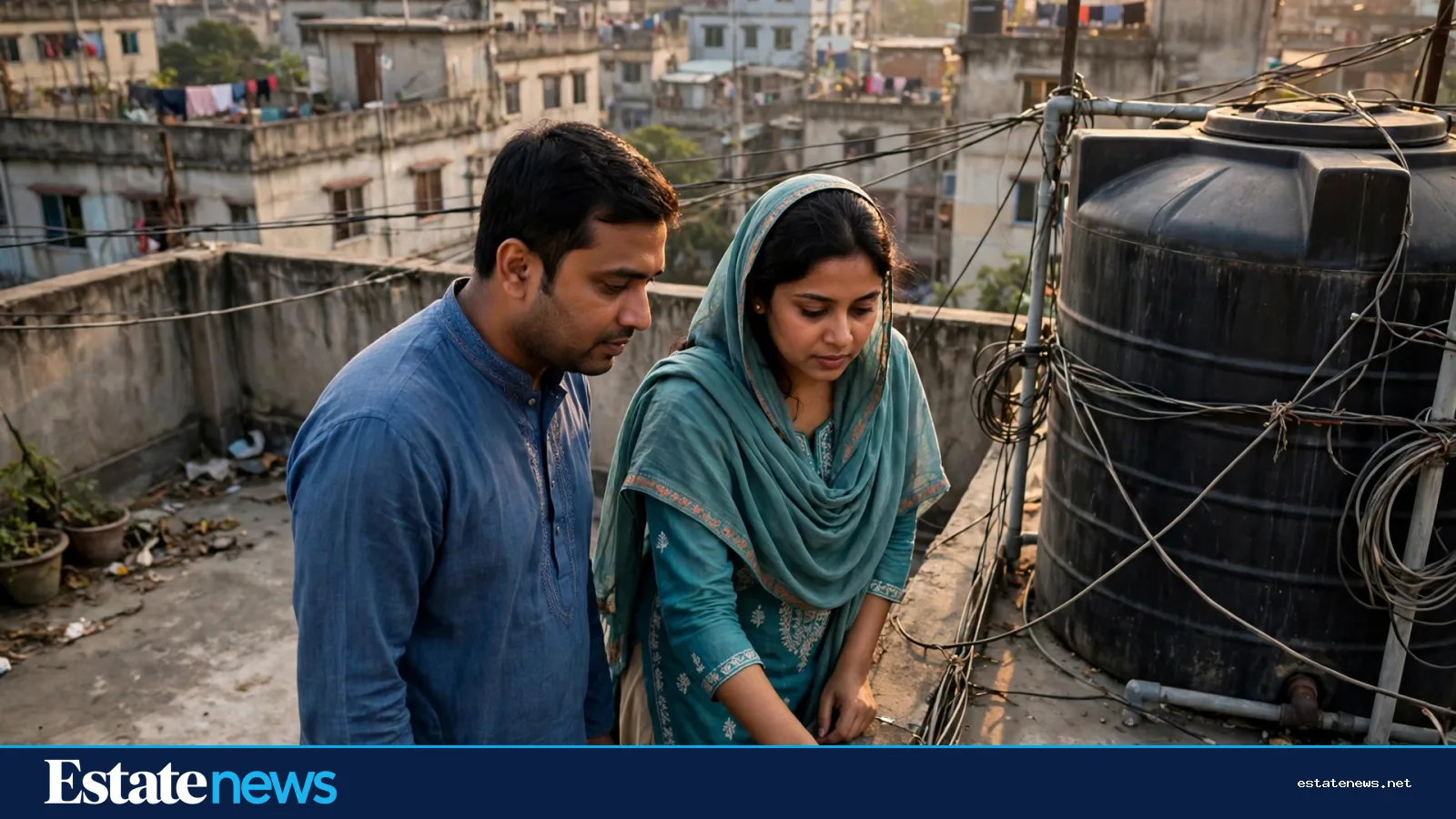
A ready flat can be walked through. That is its whole advantage, and it is a large one. Open every tap and watch the water pressure. Switch on every light. Look at the ceiling after rain for damp patches. Stand in the flat at noon and see how much light the windows actually get. Knock on the walls in the bathroom and listen for hollow tiles. None of this needs an expert, only time and attention.
The building around the flat can be checked the same way. Is the lift working, and how often does it break down? Does the generator cover the whole building or only the common areas? Is there waterlogging in the lane after rain? Who manages the building, and what does the service charge buy each month? A ready flat in a poorly run building is a worse buy than a good flat in a well-run one, whatever the price per square foot says.
Paperwork is simpler with a ready flat too. The deed, the mutation and the registration can be checked before payment, and the buyer can see exactly what is being bought. The registration costs are the same either way: stamp duty of 1.5 percent, a registration fee of 1 percent, local government tax of 2 percent in city corporation areas, VAT of 2 percent on flats up to 1,600 square feet and 4.5 percent above that, and a mutation fee of Tk 1,170. Our "registration-cost calculator" works out the total for any price. The difference is timing: with a ready flat, the money moves once the papers are in order.
What an under-construction flat demands


An under-construction flat cannot be inspected, so the checks move from the building to the builder. The first question is the delivery record. Has this developer finished its earlier projects on time, and do the owners of those buildings speak well of them? A developer with a long record of handovers is a different risk from one selling its first tower.
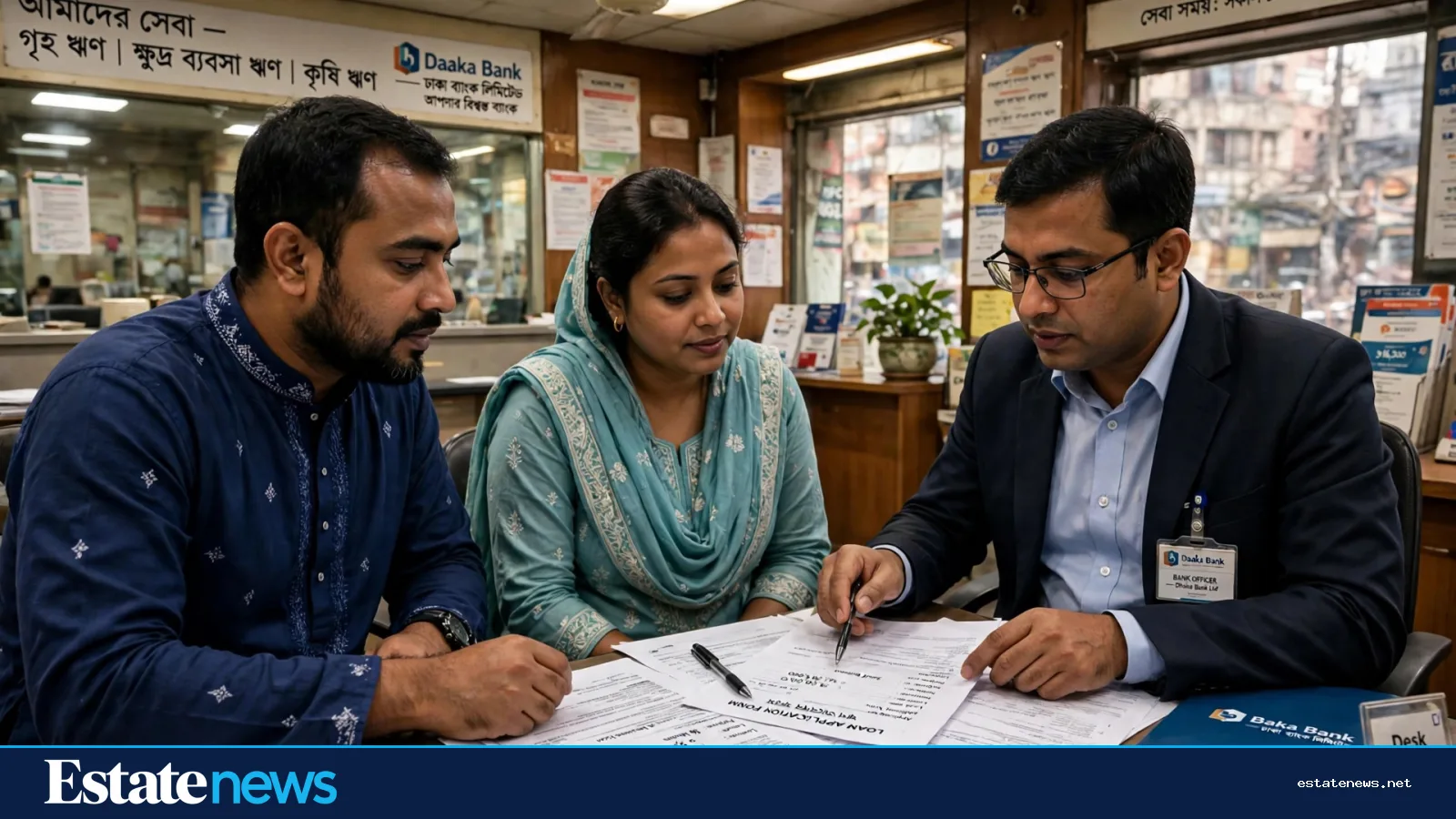
The second question is the paperwork. The deed of agreement should state the price, the payment schedule, the handover date, the specifications and what happens if the project is delayed. Read it before signing, and have a lawyer read it too. The RAJUK approval, the land title and the deed chain should all be checked while the building is still a drawing, because that is when problems are cheapest to find.
The third question is the money. Construction costs move, and they move first in steel and cement. Published ranges put rod at Tk 92,500 to Tk 94,500 a tonne and cement at Tk 540 to Tk 580 a bag, and a sharp rise in either can squeeze a developer that priced its flats a year earlier. A buyer should ask how the payment schedule is structured and what happens if costs rise. Staged payments tied to construction progress protect the buyer better than large upfront sums.
The choice, in plain terms
A family that needs to move in soon, or wants to rent the flat out at once, will usually find the ready flat safer. The price is higher, but the flat exists, the papers can be checked and the rent starts immediately. A family with time, a steady income and a developer it trusts can save money on an under-construction flat, provided it checks the builder, the agreement and the approvals with the same care it would give a ready flat.
Neither choice removes risk entirely. Ready flats can hide damp, bad plumbing and weak management. Under-construction flats can be late, and a few are never finished. The safer buy is the one where the buyer did the checking that fits the type: the flat itself for a ready purchase, the builder and the papers for one still being built.
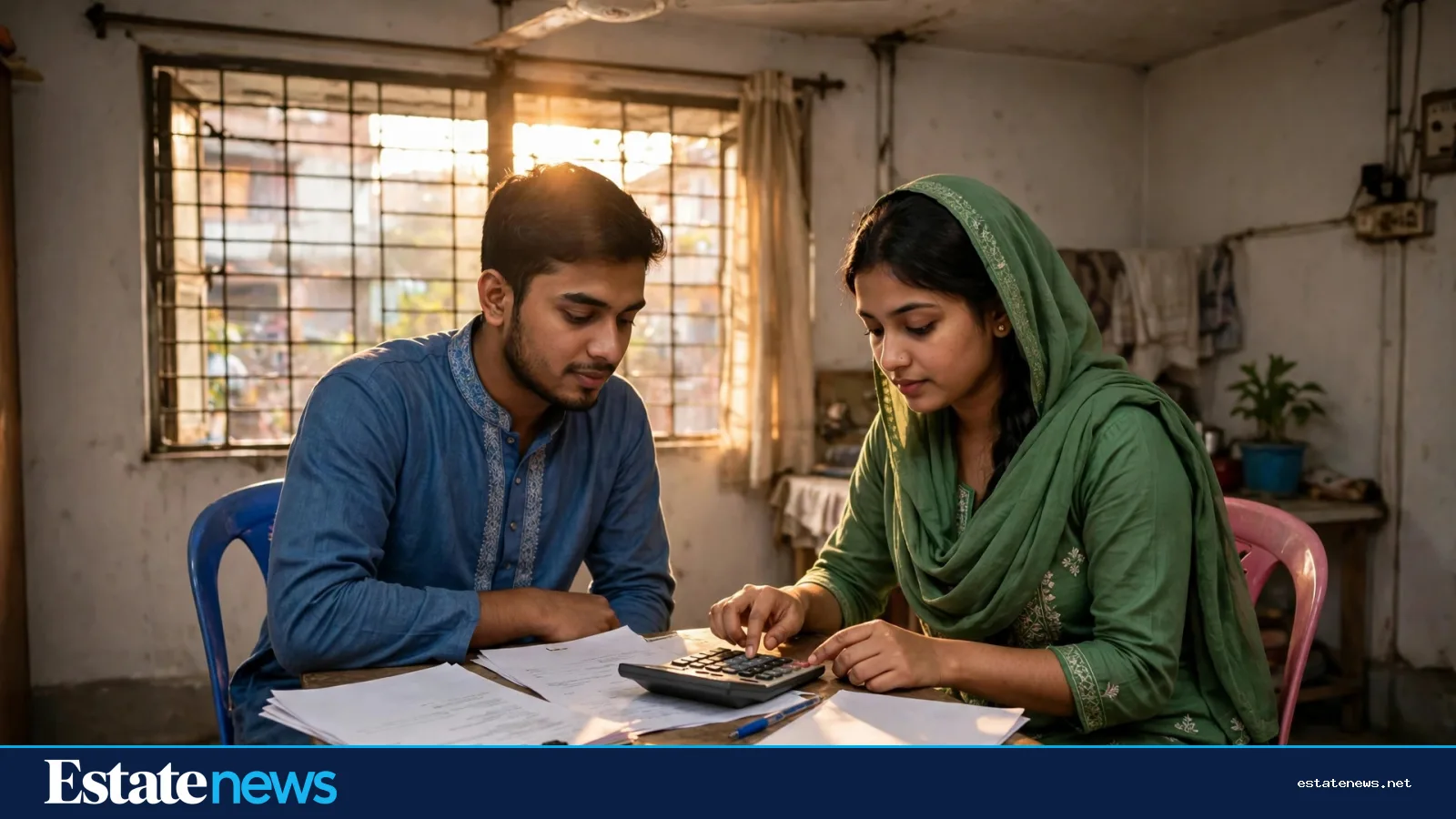
Before deciding, it is worth running the numbers both ways. Our "rent-vs-buy calculator" compares the cost of renting against buying over time, and the "Tk 1.2 crore flat" shows what the middle of Dhaka's market actually looks like. A flat is the biggest purchase most families will ever make. The time spent checking it is the cheapest part of the price.