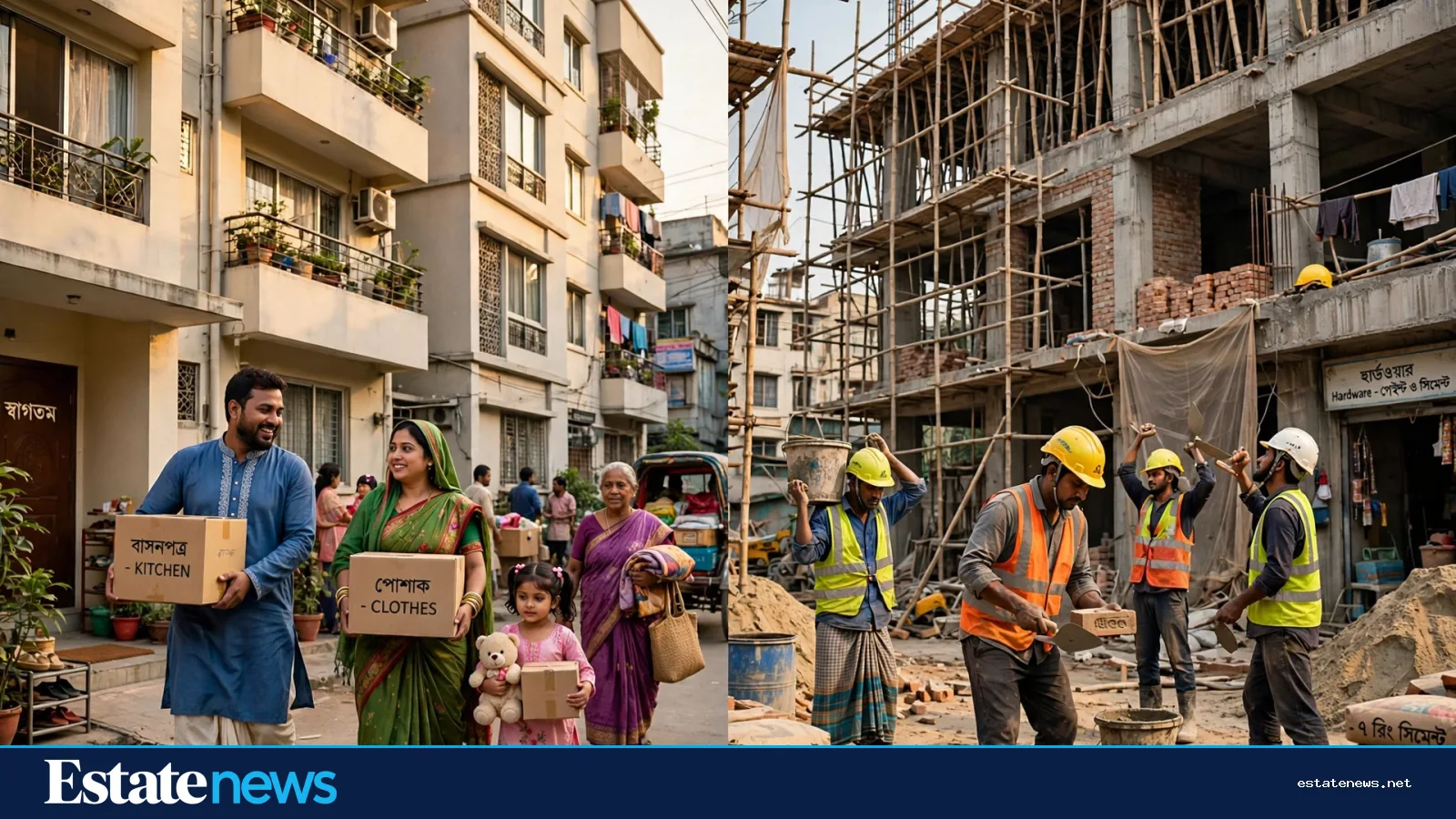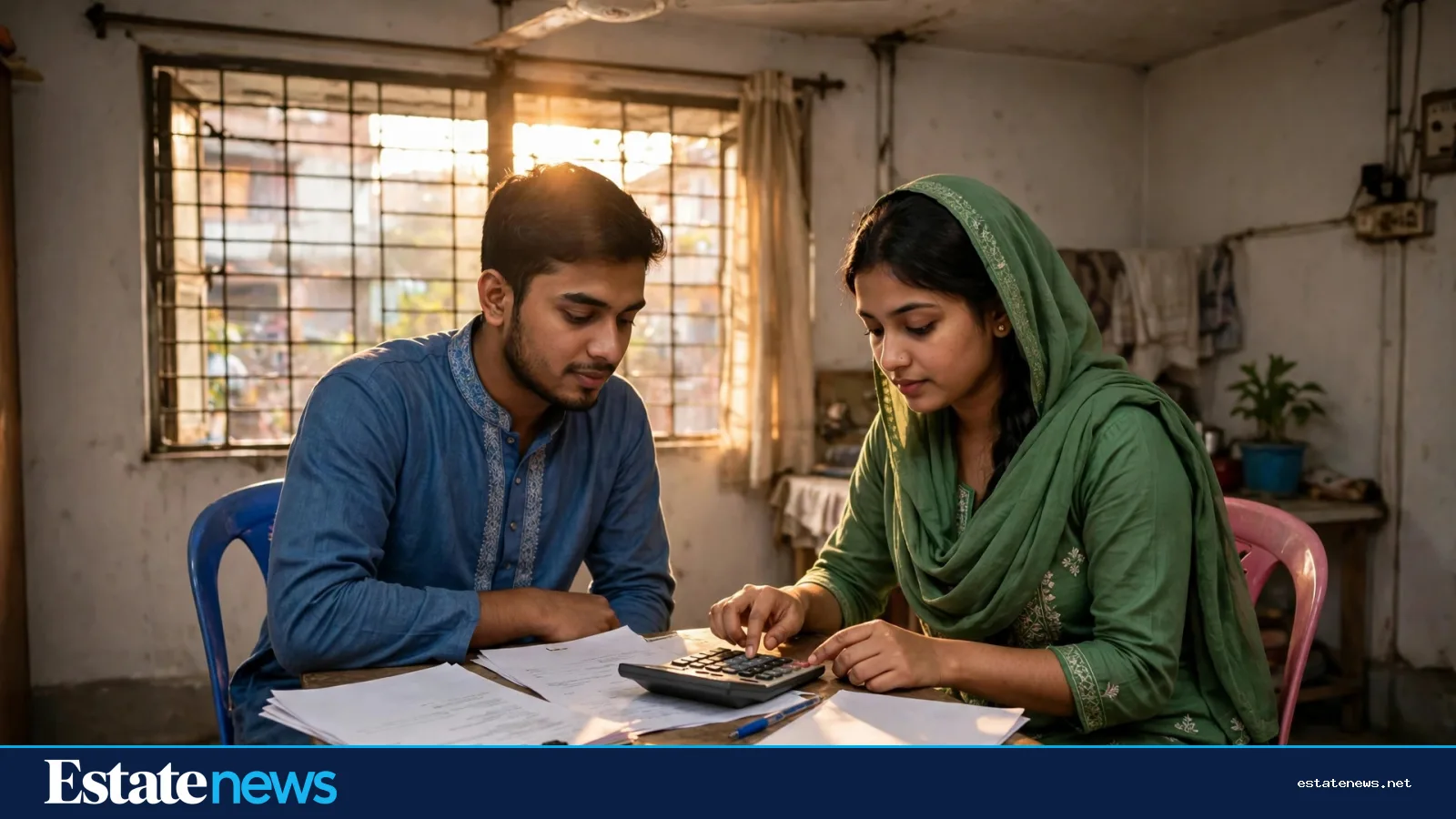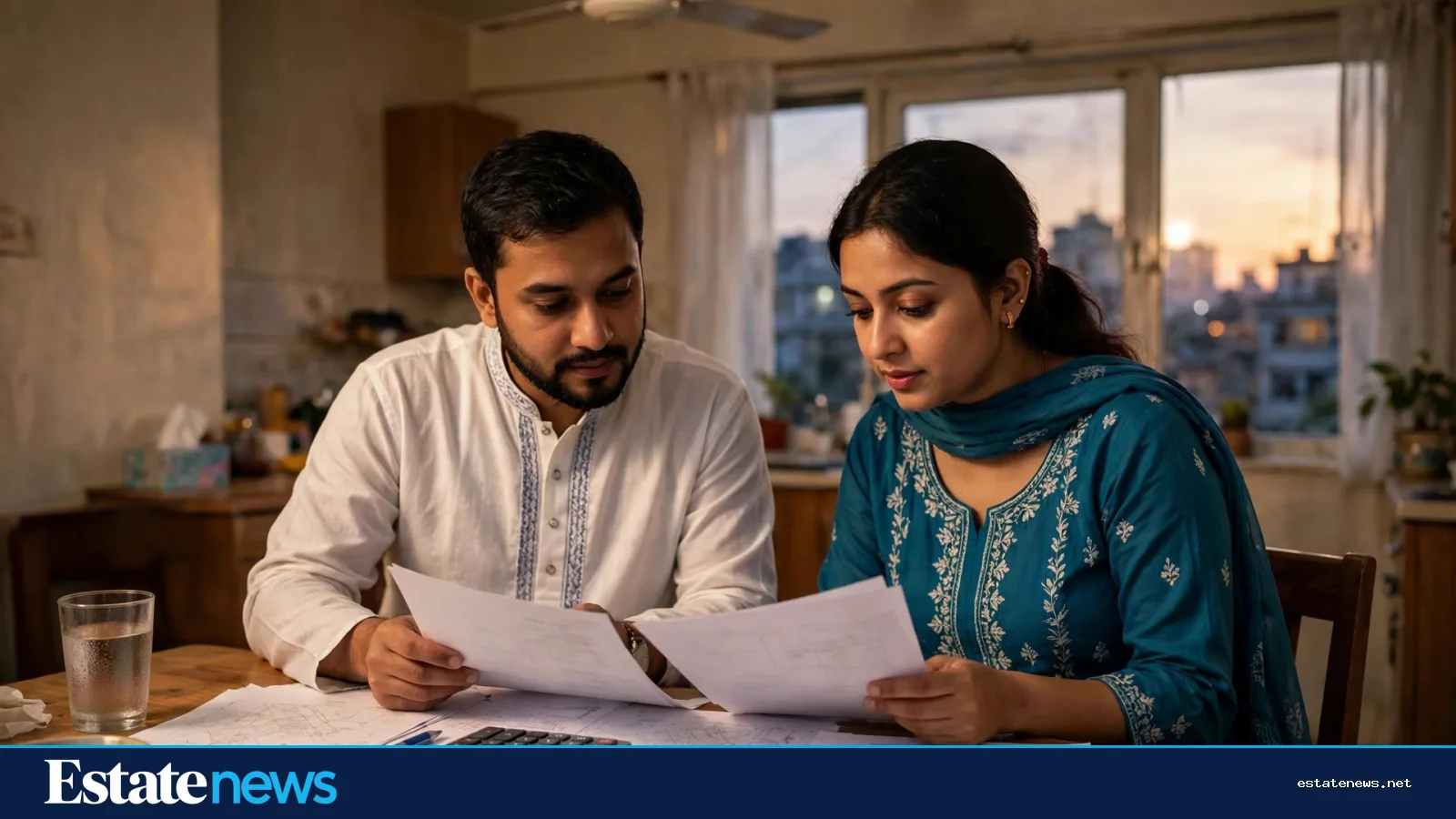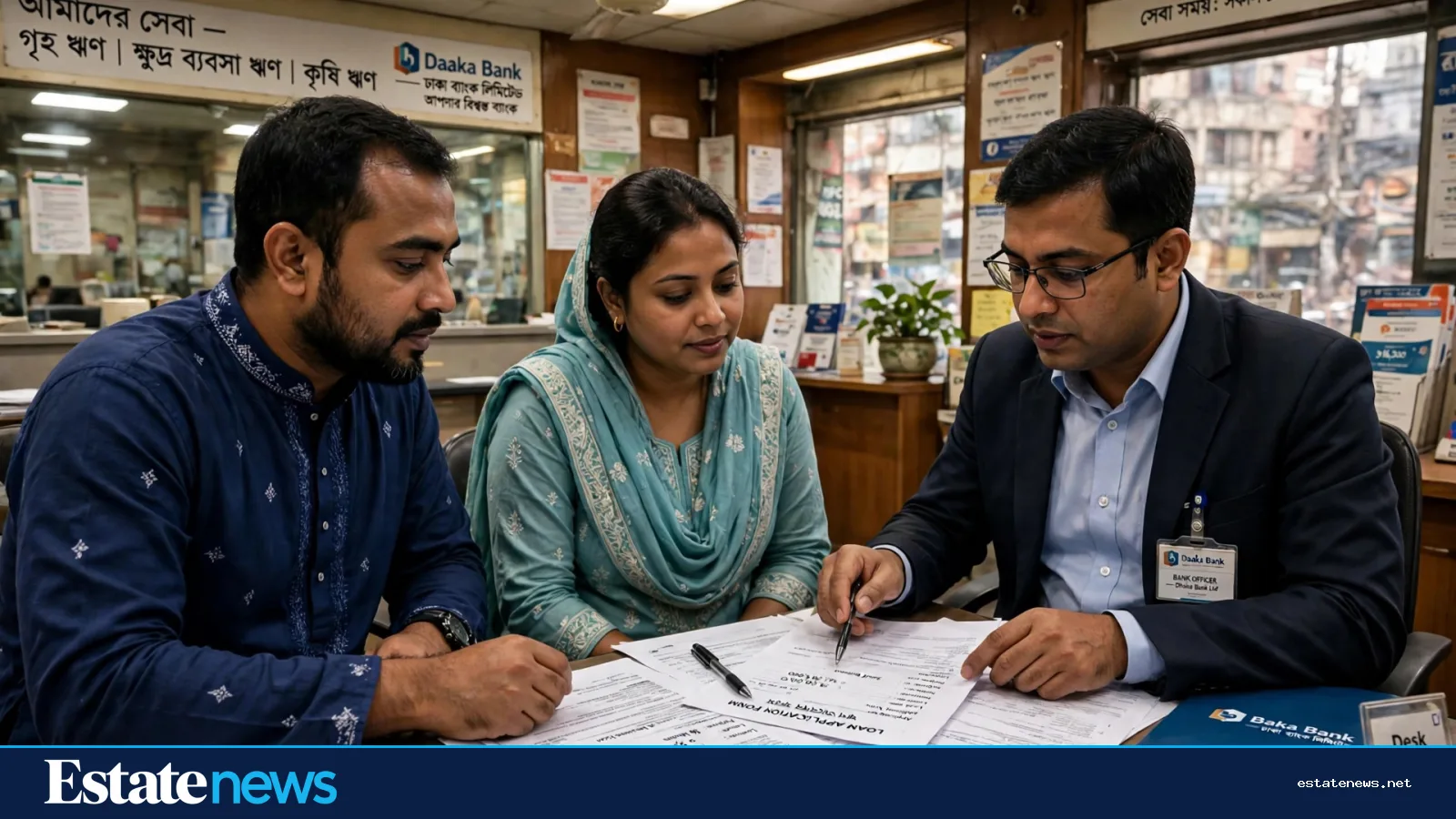
Ask a Dhaka family how much cash they need to buy a flat and most will name one figure: the down payment. It is the right place to start, and it is only part of the answer. Before the bank releases the loan and before the keys change hands, the buyer pays registration charges, VAT and tax out of pocket, and none of it can be borrowed. A family that saves exactly the down payment will find itself short at the final step.
Take a flat priced at Tk 1.2 crore, a common figure for a mid-sized apartment in Dhaka today. The arithmetic below uses the registration-cost guide on this site. Rates can change, and a lawyer should confirm the current figures before any payment, but the shape of the bill stays the same.
The down payment comes first
Banks in Bangladesh generally finance up to 70 percent of a flat's price, which leaves the buyer to pay the remaining 30 percent, though the exact share depends on the bank and the borrower's profile. On a Tk 1.2 crore flat, a 20 percent down payment is Tk 24 lakh, and the loan covers the remaining Tk 96 lakh. Some buyers put in more to shrink the monthly instalment. Few put in less, because banks rarely allow it.
That Tk 24 lakh is the largest single cheque, and it is the one families plan for. It is also the only one most families plan for.
Registration adds nearly Tk 8 lakh
Registration is where the surprise sits. On a Tk 1.2 crore flat inside a city corporation area, the charges run like this. Stamp duty at 1.5 percent is Tk 1,80,000. The registration fee at 1 percent is Tk 1,20,000. Local government tax at 2 percent in city corporation areas is Tk 2,40,000. VAT on a new flat of up to 1,600 sq ft is 2 percent, another Tk 2,40,000. Mutation, the record change at the land office, is a fixed Tk 1,170. Added together, registration costs about Tk 7,81,170, call it Tk 7.81 lakh.
Put the two parts together and the cash needed before the keys arrive is Tk 24 lakh plus Tk 7.81 lakh, or about Tk 31.8 lakh. That is the real entry price of a Tk 1.2 crore flat for a buyer paying 20 percent down.

The extras nobody lists
A few more costs sit outside that total, and they vary too much to fix in a single number. Parking is often charged separately from the flat price, and the amount depends on the project. A gas connection, where the building offers one, carries its own charge. Most housing societies also collect a service-charge advance of a few months when a family moves in, to cover the lift, generator, water pump, security and cleaning. A prudent buyer keeps a further few lakh aside for these, and asks the developer in writing what each one costs before signing.
Then comes the monthly bill. On a loan of Tk 96 lakh at 11 percent over 20 years, the EMI works out to about Tk 99,000 a month. At 9 percent the same loan costs about Tk 86,000 a month, and at 13 percent about Tk 1,13,000. The rate matters as much as the price, which is why comparing banks before signing is worth the effort. A lower rate on the same flat can save a family lakhs over the life of the loan.
How to plan for it
The practical rule is simple. Save the down payment, then save the registration money separately, and treat the two pots as untouchable until the purchase is done. Families who mix the two together often discover the gap at the registration office, when the money is due and there is no time left to arrange it. A second rule follows from the first: confirm every charge with the bank and a lawyer before paying, because VAT and tax rates move with budgets, and a figure quoted by a sales office is not the same as the figure on the government receipt.
Buying a flat is the largest purchase most Dhaka families will ever make. The loan gets the attention because it lasts for decades. The cash needed on day one deserves the same attention, because it is the part no bank will help with.
This article carries general information only. It is not financial advice.
Read more: What a Tk 1 crore home loan really costs at 11-12 percent, Registration cost calculator, EMI calculator