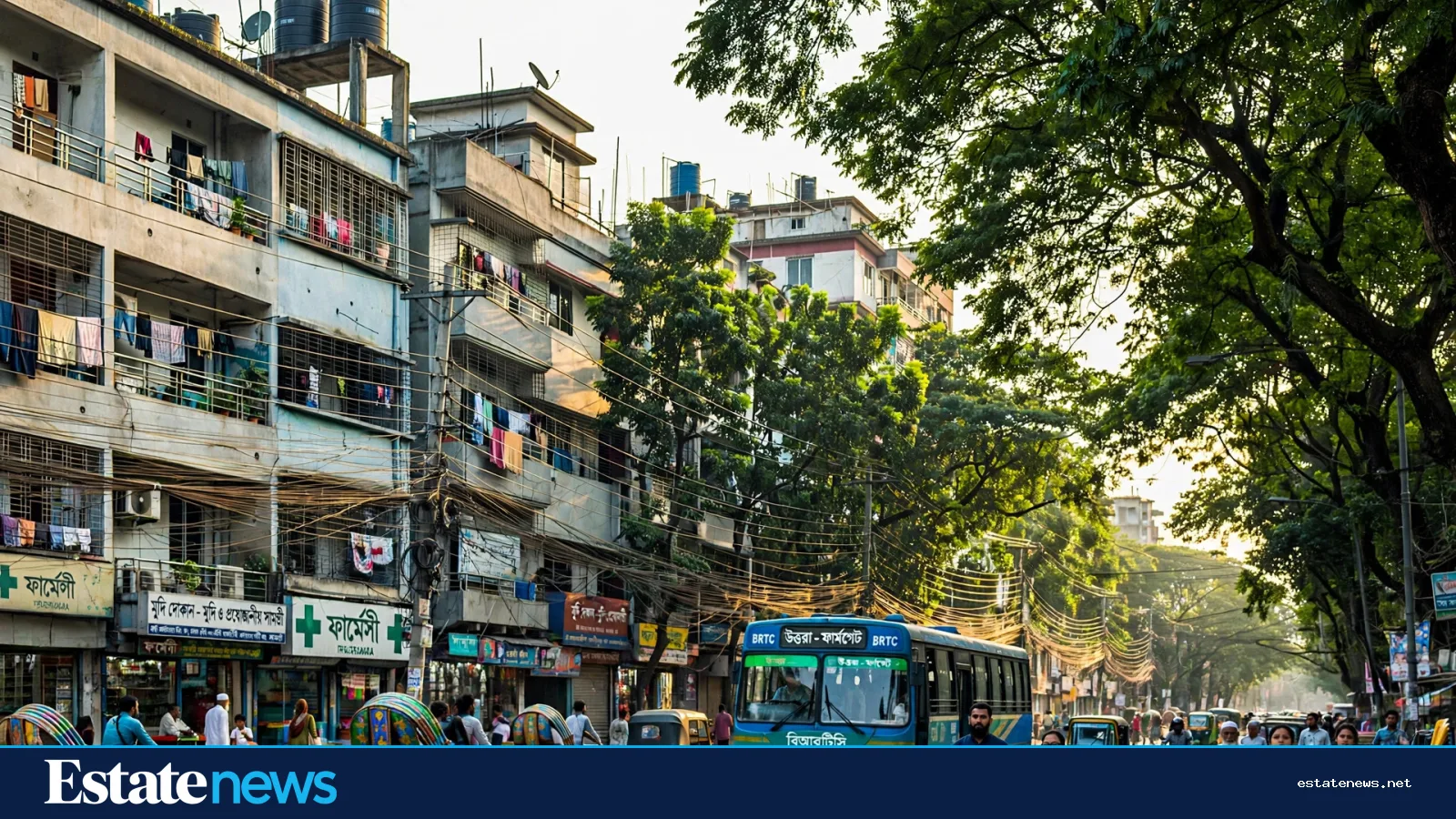
Drive north past the airport road and Dhaka changes shape. The plots get wider, the roads get straighter, and the apartment blocks stand a little further apart. Uttara has been the city's northern answer to crowded central Dhaka for decades, and it is still where many families look first when they want a flat they can actually afford.
The price gap is real. In a listing sample collected on 10 November 2026, the median asking price in Uttara was Tk 12,500 per square foot. Compare that with Gulshan and Dhanmondi, both at Tk 20,000 a square foot in the same sample, and Banani at Tk 13,888. Mirpur sat lower, at Tk 8,700, and Bashundhara Residential Area at Tk 9,865. These are asking prices from listings, not completed transactions, and they describe what sellers are quoting, not what every deal closes at. Even with that caution, the pattern is plain: Uttara costs far less than the old premium addresses, and a little more than Mirpur. The gap shows up clearly when a single budget is tested across the city, as "what Tk 75 lakh buys in six Dhaka areas" shows.
Who is building in Uttara

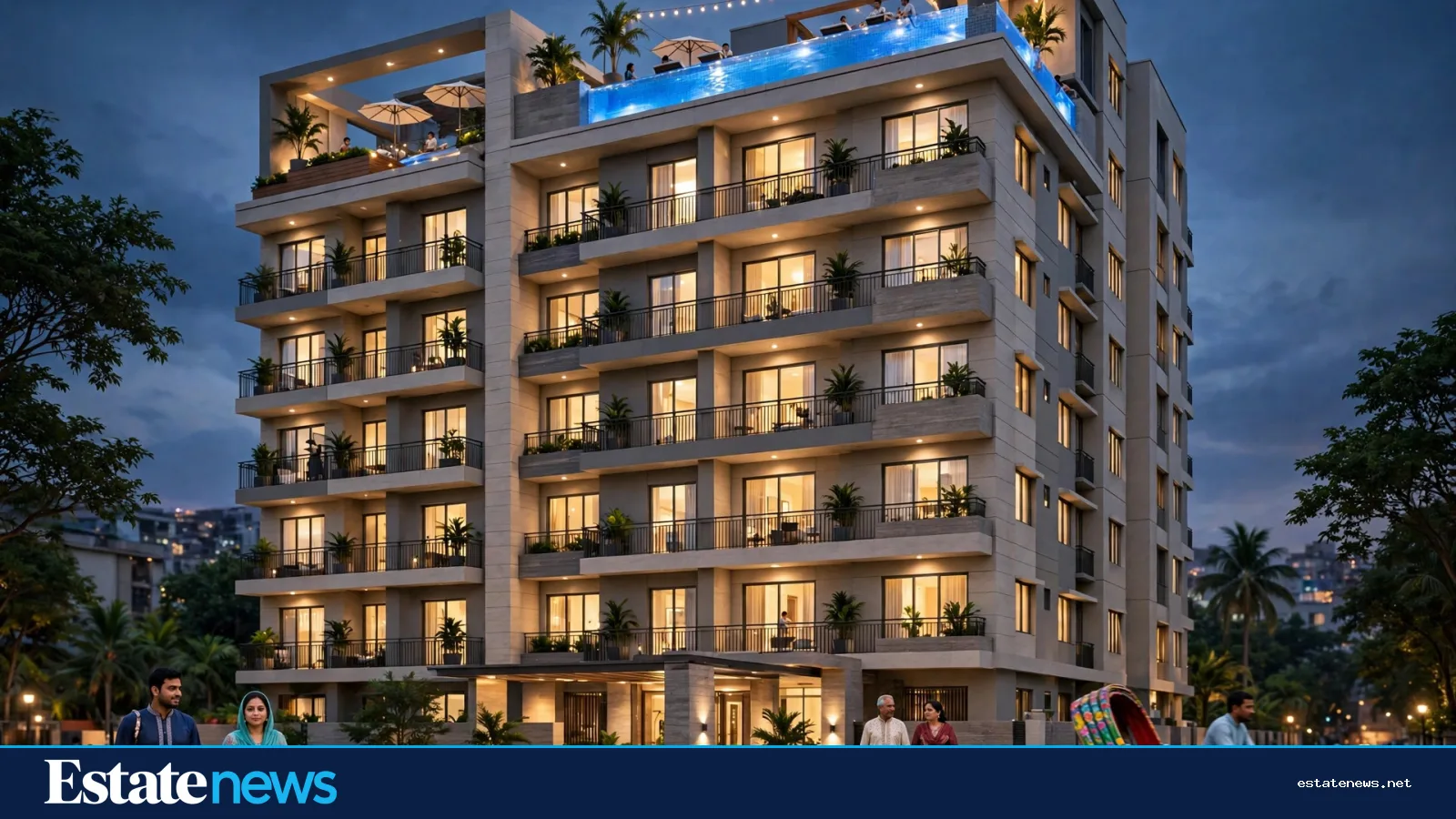
The builders active in Uttara read like a roll call of the country's large developers. bti, Building Technology and Ideas, has projects across the area alongside its work in Gulshan, Bashundhara and Mirpur. Sheltech, another long-established name, builds in Uttara as well as Dhanmondi, Banani and Bashundhara. DOM-INNO has its largest cluster of buildings in Uttara.
Assure Group builds in Uttara too, including its Assure North Point commercial project in Sector 3, alongside work in Gulshan, Bashundhara and Aftabnagar. Anwar Landmark, part of the Anwar Group, has Uttara on its list with Dhanmondi, Gulshan and Banani. Tropical Homes, which also builds in Bashundhara and Hatirpool, is active in the area. Rangs Properties, the RANCON group sister brand, lists Uttara among its areas alongside Gulshan, Banani and Baridhara.
Beyond the apartment blocks, Rupayan City Uttara stands as the area's township-scale project, a gated community built in phases on the northern side. It is a different kind of purchase from a single tower, and buyers weigh it differently: more open space and shared facilities, further from the older sectors. Planned neighbourhoods work when the everyday details hold up, and Bashundhara, the city's biggest, offers a useful comparison for "how a planned area learns to live like a small city".
The Third Phase and the metro


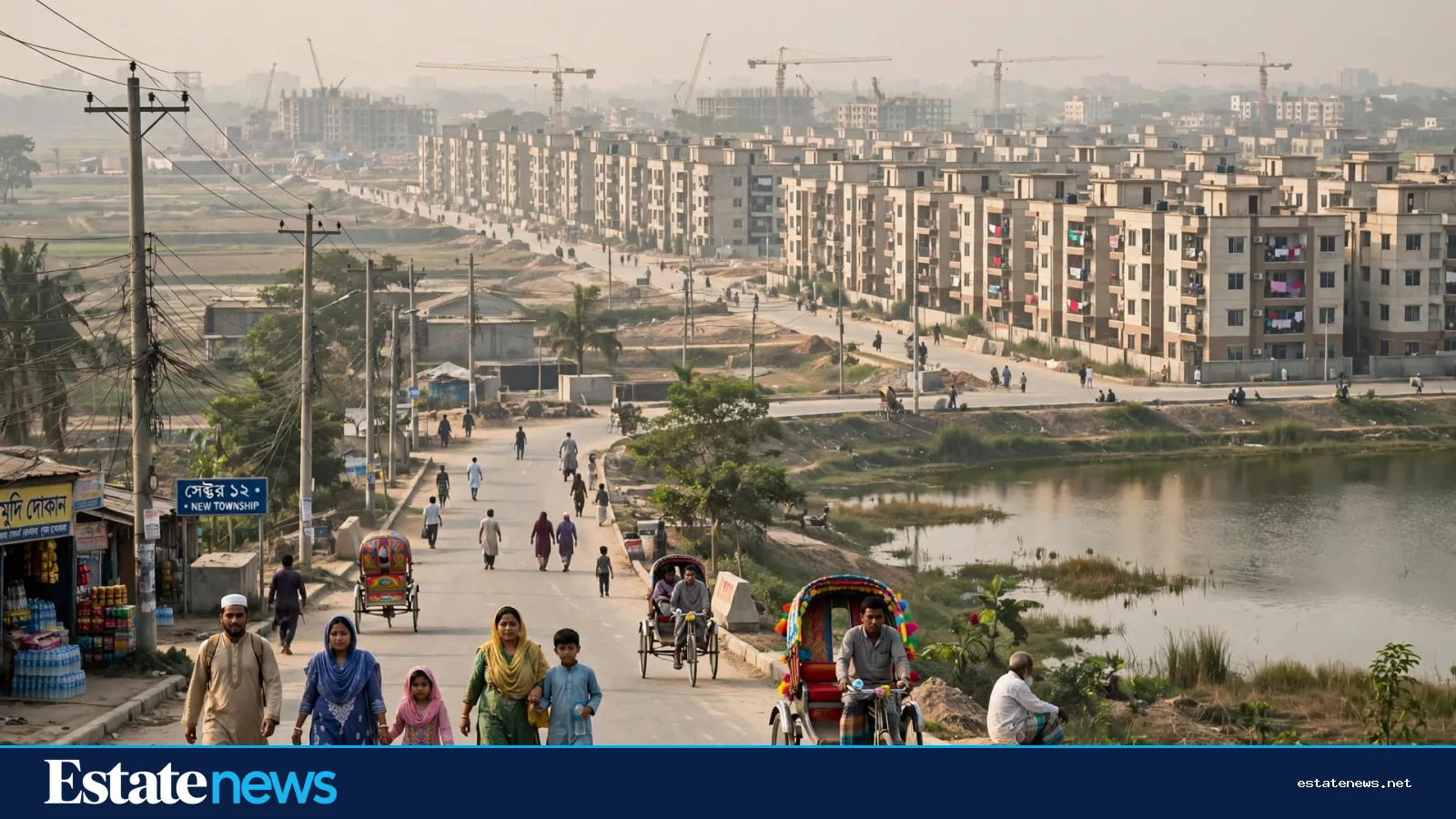
Uttara's next chapter is the Third Phase, the newer sectors taking shape beyond the older grid. Newer sectors mean newer buildings, wider roads and, for now, fewer shops and schools within walking distance. Families buying there trade present convenience for newer stock and, often, a lower price per square foot than the established sectors.
The metro is part of the same story. The MRT Line-1 branch to Purbachal Terminal runs through this side of the city, and the line is targeted for completion in 2033. That is years away, and no honest reading of the market can promise what it will do to prices. What it does change today is the way buyers think about distance: a flat that feels far now may feel connected later. The road network, the sector layout and the present commute matter more to a buyer moving in next year than a line opening in the next decade.
What to check before you buy
A lower median price is a starting point, not a verdict. Within Uttara, prices move with the sector, the floor, the facing and the age of the building. A south-facing flat on a higher floor in an older sector can cost far more than the median, while a new building in a newer sector can come in below it.
Buyers should ask the same questions here as anywhere in Dhaka: who built it, and what is the delivery record; whether the approvals are in order; what the service charge covers and what it costs each month; and how the flat holds up in the monsoon, when waterlogging in low-lying pockets is a real concern. A visit at different times of day tells more than a brochure. Traffic on the airport road in the morning, water in the lane after rain, the walk to the nearest bazaar: these are the details that decide whether a flat is a home or a compromise.
Uttara's appeal has always been space at a price the middle class can reach. The developers building there know that, and the area's next decade will be shaped by how well the new sectors fill in around them. For a buyer, the work is the same as ever: compare the asking price with what is actually on offer, and buy the flat, not the promise.