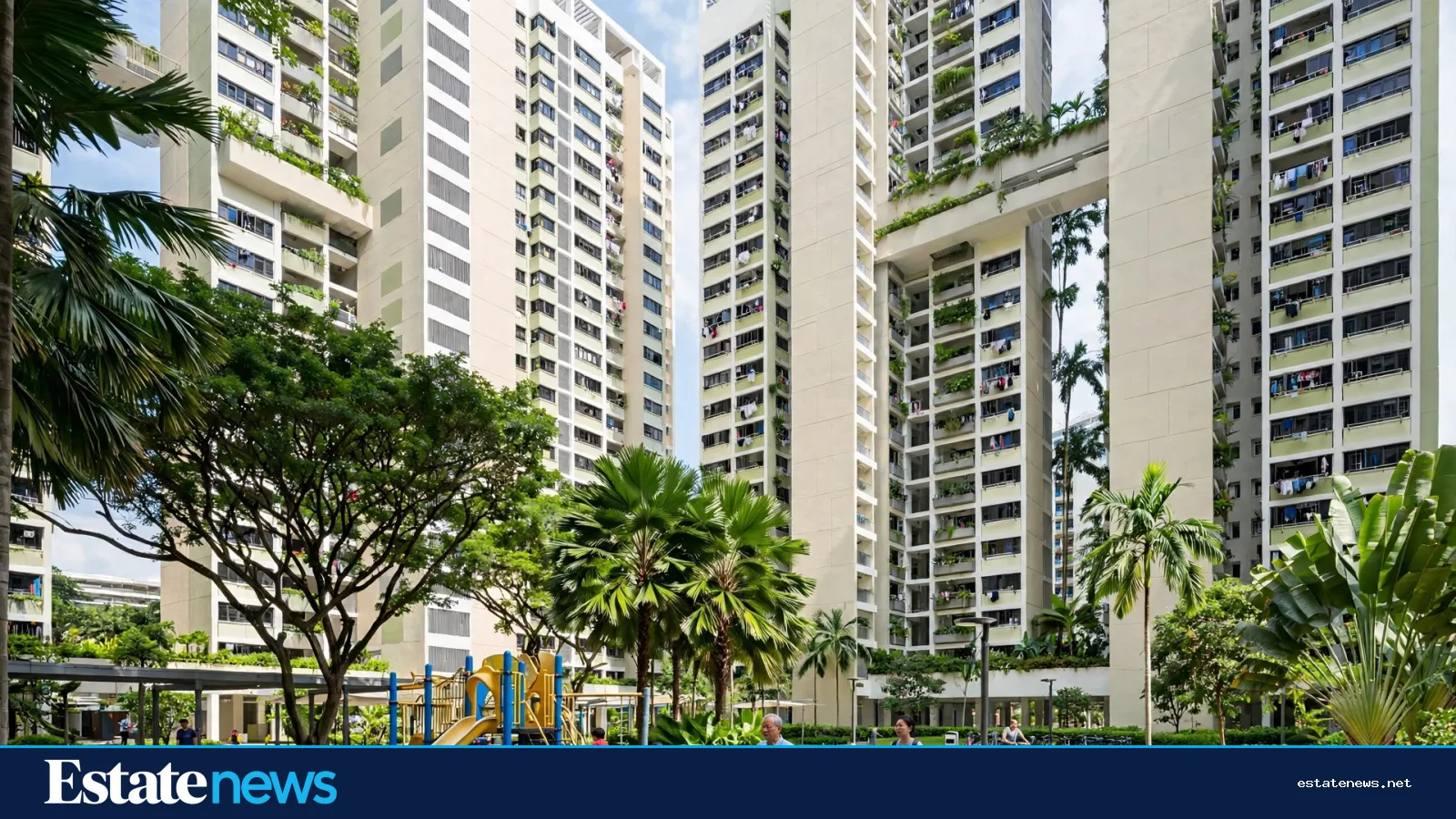
Every housing debate in Asia eventually reaches Singapore. The city-state built its way out of a housing crisis in a single generation, and the instrument it used was the Housing and Development Board, known as HDB. As of 2025, 77.2 percent of resident households in Singapore live in HDB flats, according to figures cited in Singaporean housing coverage. That number is the starting point for any honest comparison with Dhaka, because it shows what a state-led housing programme can do when it runs for decades without interruption.
The model is simple to describe and hard to copy. The government owns most of the land. HDB builds flats in large estates, with schools, shops, clinics and transport planned into the same neighbourhood. A buyer does not buy the land. The buyer buys a 99-year lease on a flat, and pays for it with a mix of cash, a housing loan and savings from the Central Provident Fund, the CPF, Singapore's compulsory retirement savings scheme. Citizens can use CPF money before retirement to buy a home, which means many buyers need little cash up front.
The flats can be resold, subject to rules. A buyer must live in the flat for a minimum period before selling, and a flat with fewer years left on its lease sells for less, a decline known as lease decay. When the 99 years run out, the flat returns to HDB, with no compensation and no renewal. Older owners can use a Lease Buyback Scheme, introduced in 2009, to sell part of the remaining lease back to HDB and top up their CPF retirement account. A redevelopment scheme buys back ageing blocks at market value, but only about 5 percent of HDB flats have ever been selected for it.
What made it work in Singapore
The first is land. Singapore's government acquired nearly all land in the country under the Land Acquisition Act of 1966, giving the state the ground it needed to build at scale. The second is funding. The CPF turns monthly savings into a steady flow of money for housing, so the programme does not depend on a single budget year. The third is time. HDB has built and managed estates for more than sixty years, and the rules, the resale market and the public's trust in the system grew up together.
The model also depends on a small, dense island with one government and one housing authority. Singapore is a city-state. Its housing policy, its land policy and its transport policy are made in the same rooms, so a new estate can be planned with a train station, a school and a clinic from the first drawing.
What Dhaka could borrow
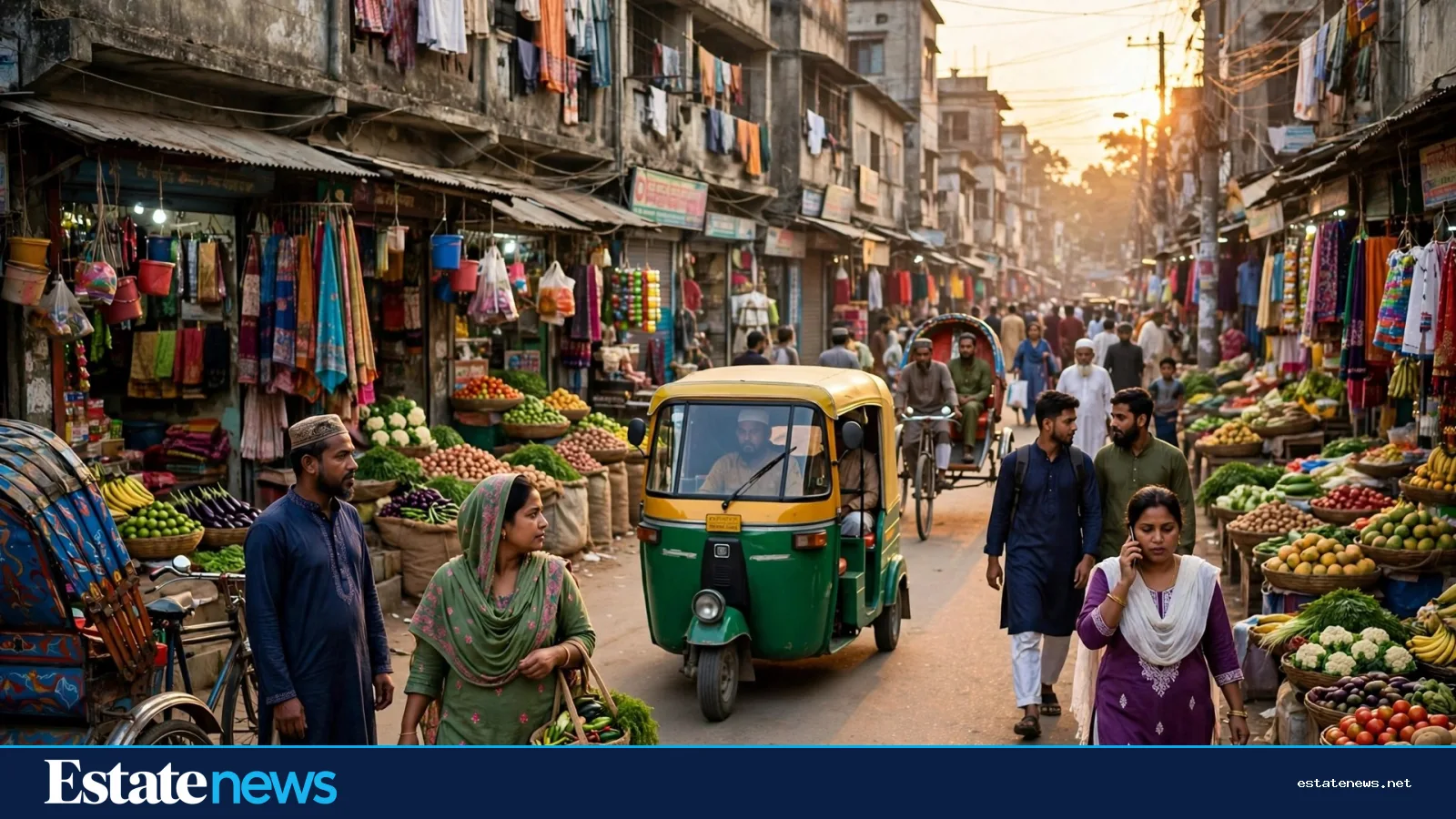
Dhaka's shortage is not Singapore's shortage. Dhaka grows by hundreds of thousands of people a year. Much of its housing is built by private developers on privately owned land, plot by plot, with no single authority planning whole neighbourhoods. A copy of the HDB model, transplanted whole, would fail on contact with those facts.


What can be borrowed is narrower, and it is still useful. The first lesson is scale with a plan. Dhaka's public housing efforts have been small and scattered. A programme that builds thousands of flats in one place, with water, power, schools and transport arranged before the first family moves in, would be a change from the pattern of single buildings dropped into unplanned streets. The lesson is not the number of flats. It is the planning that comes with them.
The second lesson is finance that reaches ordinary earners. In Singapore, CPF savings let a salaried worker buy a flat without a large cash deposit. Bangladesh has no equivalent compulsory savings pool for housing. But the idea behind it, a housing loan linked to a worker's regular savings or provident fund, is one that banks and employers in Bangladesh could adapt in a smaller form.
The third lesson is resale rules that protect the purpose of the housing. HDB flats are meant to be lived in, and the rules on minimum occupation and resale keep them from becoming purely speculative assets. Dhaka's apartment market has no such guardrails.
What Dhaka cannot borrow
The land question is the hardest limit. Singapore's government owned the land it built on. In Dhaka, land is privately held, fragmented among many owners, and expensive. Acquiring large tracts for a housing estate would take years of negotiation and compensation, and the cost would push the price of the flats beyond the reach of the people they were meant for. Any Dhaka version of the model would have to work with land the state already holds, or with partnerships on private land, and that changes the maths entirely.
The second limit is administration. HDB is one body with the staff, the data and the authority to build, sell, manage and resell flats. Dhaka's housing work is split among RAJUK, the National Housing Authority, city corporations and private developers, and coordination between them is slow.
Singapore's model is worth studying because it worked, for a long time, at a scale few countries have matched. It is not worth copying because it worked somewhere else. Dhaka can borrow the planning, the savings-linked finance and the discipline of building homes to live in rather than to trade.