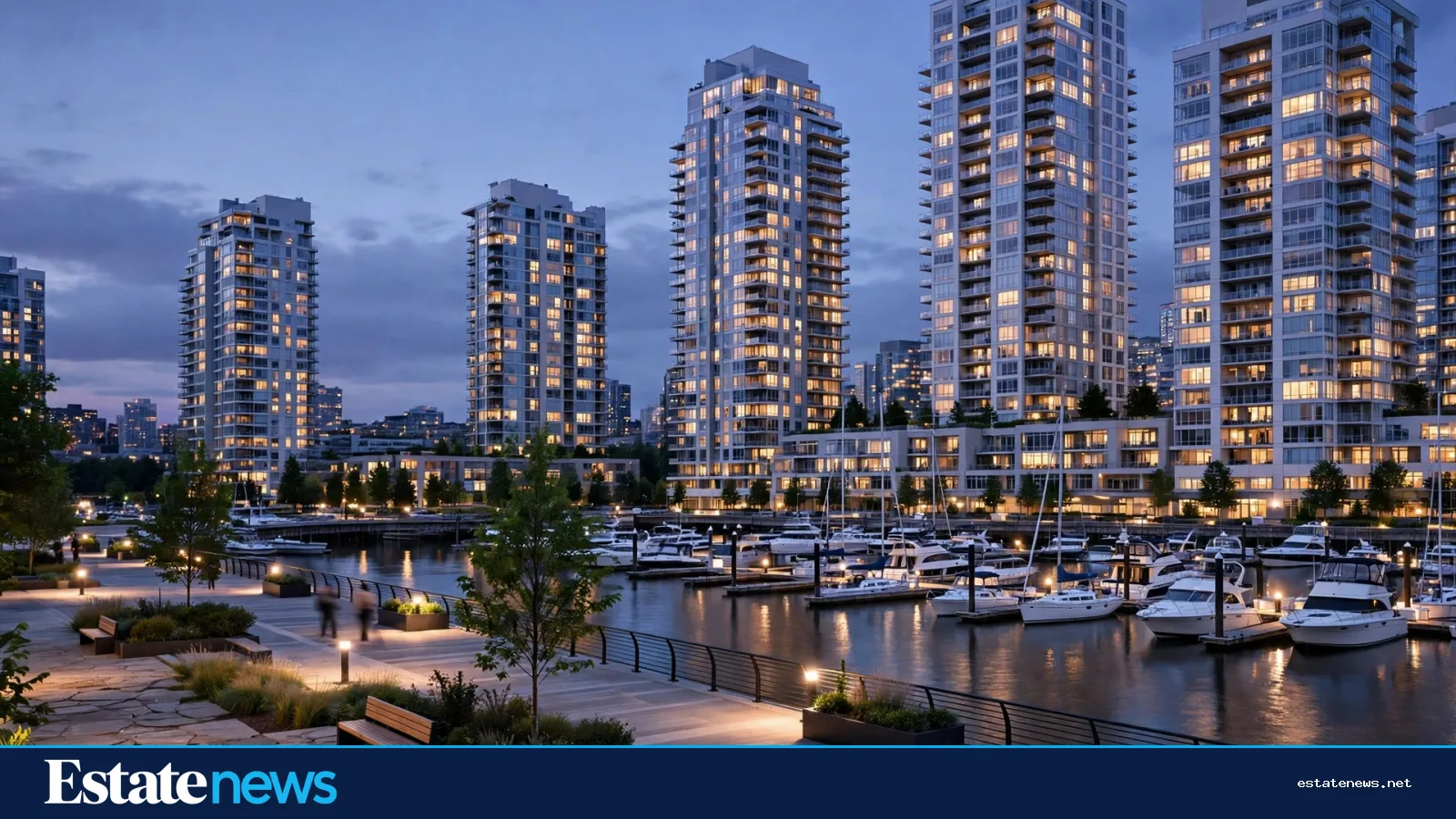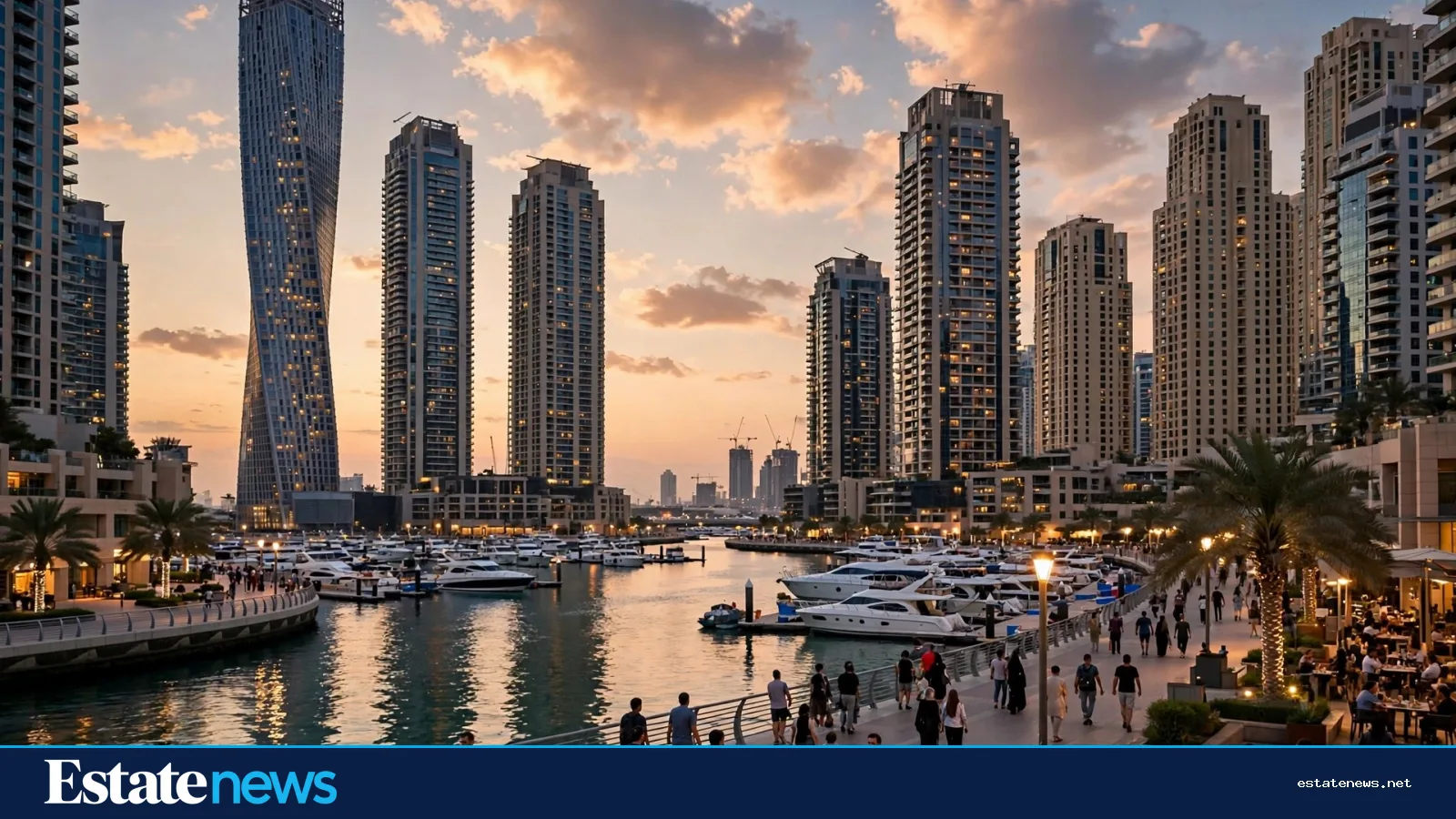
Dubai's property market does not slow down quietly. In the third quarter of 2026, combined property sales and mortgages in the emirate reached AED 141.4 billion, about $38.5 billion, according to the Windmills Group Q3 2026 report. Sales alone stood at AED 93 billion, and mortgages at AED 48.3 billion. The figures, reported by Khaleej Times on 2 November and Economy Middle East on 3 November, describe a market still moving at speed, and they carry a detail that matters for Bangladeshi buyers watching from abroad: cash is playing a larger part in it.
Betterhomes, one of Dubai's large brokerages, reported that cash accounted for 44 percent of its residential sales in the third quarter, up from 36 percent in the second quarter, with mortgages making up the other 56 percent. Those figures describe Betterhomes' own sales, not the whole Dubai market, and they should be read that way. Even with that caution, the direction is clear. More buyers in the quarter paid in full, and fewer needed a loan to close.
Why cash is moving

The shift has a simple cause. Borrowing in the UAE is not cheap. The Central Bank of the UAE's base rate stands at 3.90 percent, raised from 3.65 percent on 17 September 2026 and held at that level on 28 October. A higher base rate feeds into mortgage pricing, and some buyers with the money available choose to skip the loan altogether. Cash also closes faster, and in a market where good units move quickly, speed is worth paying for.
The cash share also says something about who is buying. Dubai's market has long drawn investors from outside the emirate, and cash buyers often include overseas purchasers who treat the property as a store of value as much as a home. For Bangladeshi buyers, especially non-resident Bangladeshis earning in the Gulf, the pattern is familiar. Money earned abroad, paid in full, for a property that can be rented out or held. The question is whether the return justifies the price, and the third-quarter figures give a partial answer.
Yields at 7.7 percent, prices up sharply
Average apartment yields in Dubai reached 7.7 percent in the third quarter, up from 7.5 percent in 2025 and 6.8 percent in 2023, according to the Windmills report. A yield is the annual rent divided by the purchase price, and a rising yield means rents have grown faster than prices, or prices have softened relative to rents. For a buyer weighing a flat as an investment, that number is the first one to look at. It is higher than the rental yields a landlord typically earns on a Dhaka apartment, though the comparison is not clean: service charges, agency fees and vacancy work differently in the two cities.


Prices have climbed a long way to reach this point. Ready-property prices rose 81 percent between 2020 and 2026, from AED 813 to AED 1,471 per square foot. Off-plan property, flats bought before completion, made up about 71.3 percent of residential sales in the first half of 2026. The market's weight has shifted toward new launches, and buyers are paying today's prices for tomorrow's flats. That is where the risk sits. An off-plan buyer pays for a promise, and the promise depends on the developer finishing on time and the market holding its level.
What Windmills expects next
Windmills' base case for 2026 to 2027 is measured rather than excited: prices rising 2 to 5 percent, and rents rising 3 to 6 percent. The forecast describes a market cooling from its sharp climb into steadier growth. For a Bangladeshi investor, that framing matters more than any single quarter's headline. A market growing at 2 to 5 percent a year rewards a buyer who holds for the rent and the long term. It does not reward a buyer who expects another 81 percent jump.
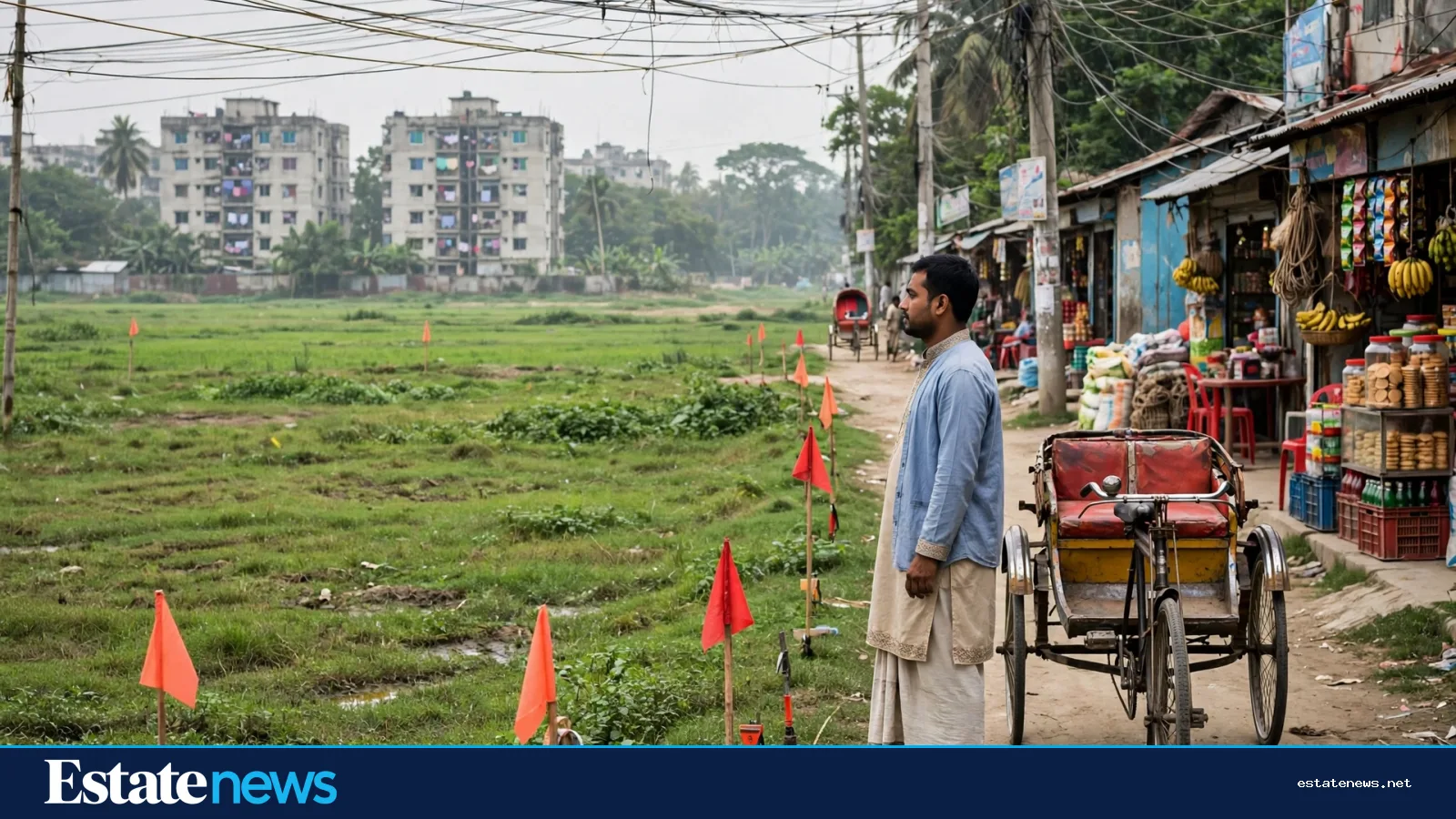
The comparison with Dhaka should be made carefully. A Dhaka flat offers familiarity, family use, and a market the buyer knows street by street. A Dubai flat offers a yield figure, a liquid resale market, and a currency that is not the taka. Neither is a safe bet, and neither should be bought on the strength of one quarter's numbers. Costs differ too: Dubai service charges, agent commissions and transfer fees take a real slice of the rent, and a buyer who ignores them will overstate the return.
What an NRB buyer should check
The checklist is short. Look at the yield after charges, not before. Ask what the service charge is, what the agent takes, and how long similar flats sit empty between tenants. Compare the ready flat with the off-plan launch, and weigh the wait against the discount. Check the developer's record on completion. And keep the comparison with Dhaka honest: a flat in Mirpur or Uttara can be visited, managed by family, and used by relatives. A flat in Dubai cannot.
Dubai's third quarter tells a story of a market still confident, still drawing cash, and still paying rents that support its prices. It does not promise that the next quarter will look the same. Bangladeshi investors who read it as information, not as an invitation, will get the most from it. This article is informational only and is not financial advice.