The bus leaves Dhaka before the morning traffic thickens. Past the toll plaza the road opens up, trucks pull into the slow lane, and the towns along the Dhaka-Chattogram highway pass in a steady line: signboards for tiles and steel, school gates, small markets spilling onto the shoulder. By the time the bus reaches Cumilla, the journey has taken around two hours on a clear day, and the town feels different from the capital in a way that is hard to miss.
That sense of space is what brings buyers here. Cumilla sits on the main highway between Dhaka and Chattogram, about 100 kilometres by road from the capital, and the road is the town's link to work, family and trade. For a buyer priced out of Dhaka, or for a family that keeps one foot in the capital and one in the district, a house in Cumilla offers something Dhaka rarely does now: room to build and a street where children play in the late afternoon.
The buyers fall into three broad groups, and estate agents in the town describe them in the same order. There are families with Dhaka links, often a husband working in the capital while the rest of the family lives in Cumilla. There are returning migrants, men and women who spent years abroad and come back with savings and a clear idea of the house they want. And there are local business owners, traders and small manufacturers whose work is in Cumilla itself.

None of them is buying blind. The first question in Cumilla is the same as anywhere in Bangladesh, and buyers here ask it with care: who owns this land, and can the papers prove it.
A town built along the road
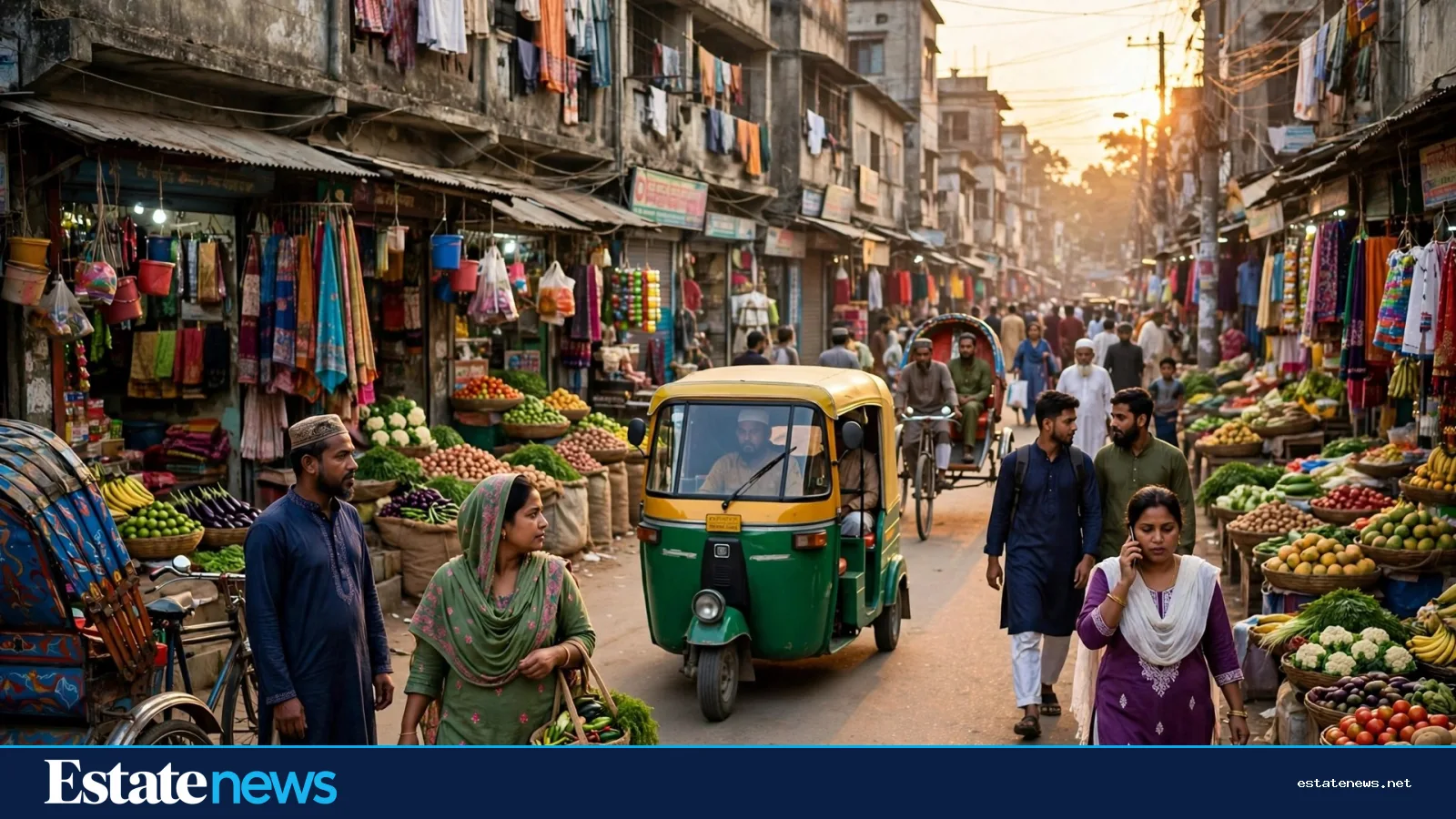
Cumilla grew up beside the highway, and the highway still decides which parts of town feel close and which feel far. Neighbourhoods near the main road, the cantonment area and the older town centre carry the busiest trade. Newer housing spreads out along the feeder roads that run off the highway, where plots are larger and the sound of trucks fades by evening. A buyer who works in Dhaka will often pick a home within easy reach of the highway, so the morning bus is a short rickshaw ride away. A buyer who works in the town itself may look further in, where the streets are quieter and a plot costs less for the same size.
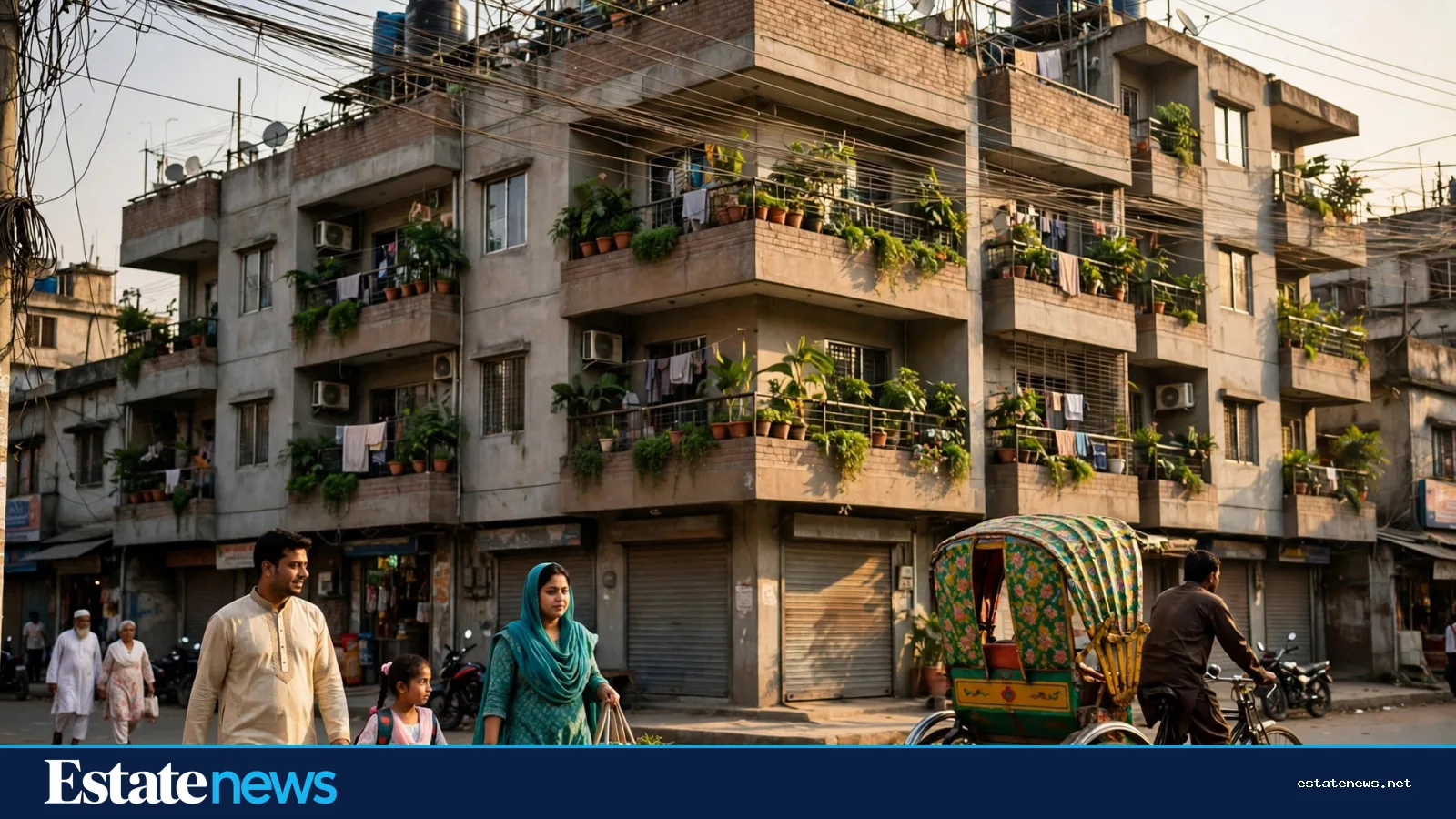
The housing stock tells the same story. Much of Cumilla is low-rise: single houses and two-storey buildings with courtyards, tin and concrete roofs side by side, and newer apartment blocks of four or five floors rising near the busier roads. There are no long rows of high-rise towers here, and that is part of the draw. A family buying a plot can build in stages, a ground floor first, then another floor when savings allow. A family buying a flat gets a building where the neighbours know each other by name.
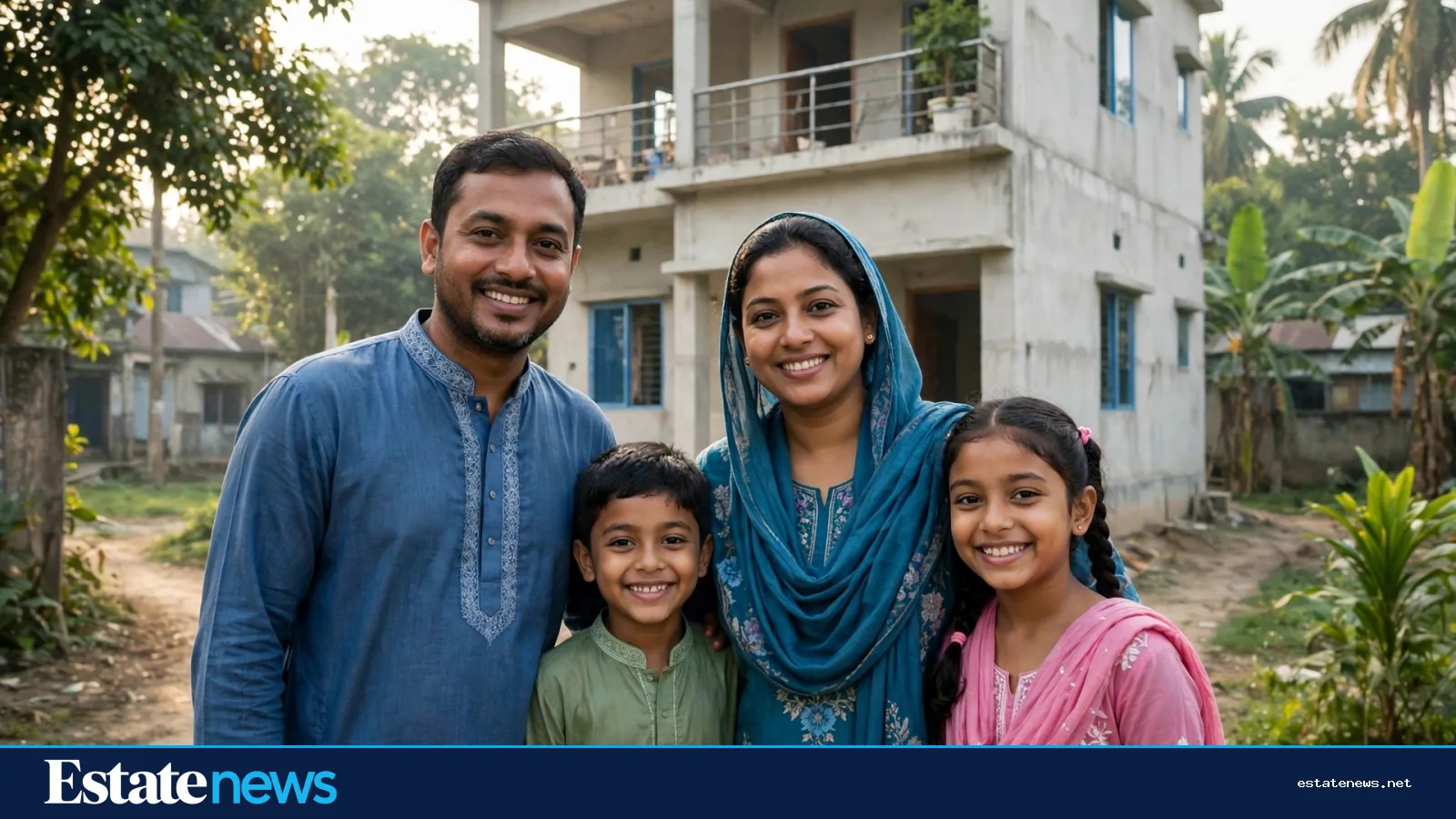
The town's position on the highway also shapes its rental market. Traders, bank staff, teachers and workers posted to Cumilla need rented rooms and flats, and landlords near the town centre find tenants without long waits.
Who is buying, and why now
The Dhaka-linked buyer is the most visible. A couple may keep a rented flat in Dhaka for the working week and build a house in Cumilla for weekends, school holidays and, one day, retirement. The highway makes that split life possible when the traffic runs well, and buyers plan around it. They check the bus times, the train times, and how long the journey takes on a normal weekday rather than on a holiday, when the road fills with homebound travellers.
Returning migrants bring a different habit of mind. Many have lived in rented rooms abroad and want, above all, a house that is theirs. They walk the plot themselves, ask about the neighbours, and want to know whether the water supply runs through the dry months and whether the road stays passable in the rains.
Local business owners are the third group, and in some ways the steadiest. Their trade is in Cumilla: wholesale shops, transport, food processing, small factories on the town's edge. They buy near their work and near their children's schools, and they know which areas flood after heavy rain and which stay dry.


The checks that matter before paying
Ask any lawyer or experienced buyer in Cumilla what to check first, and the answer is the title. The chain of ownership must be read from the current deed back through the earlier ones, and the names must match at each step. The mutation record, which shows the land recorded in the buyer's name in the official records, must be in order. The khatian, the record of rights, must be checked against the deed. A plot with a gap in its papers is a plot to walk away from, however good the price sounds.
The second check is the land itself. Cumilla sits in a district of rivers and low land, and buyers who know the town check whether a plot lies in a low area that holds water after the monsoon. They visit after rain if they can, or they ask the neighbours on the lane. A plot that looks dry in November can tell a different story in July. Drainage matters as much as the deed, because a house that floods every year loses value in a way no paint can fix.
Utility connections are the third check. A buyer should confirm that electricity, water and gas connections are available to the plot, and whether the connection is already in place or must be applied for. In a new housing area the answer may be that a connection is promised rather than present, and a promise is not a connection. The buyer should ask for the connection in writing, with a date, and should count the cost of waiting.
Road access is the fourth. A plot reached only by a narrow lane that a truck cannot enter will cost more to build on, because every load of bricks and sand must be carried in by hand or by van. A plot on a wider road costs more to buy and less to build on. Buyers weigh that trade-off plot by plot.
What the highway gives, and what it takes away
The highway is Cumilla's great advantage and its great irritation in the same breath. On a clear morning the bus to Dhaka takes around two hours, and the town feels like a suburb of the capital in all but name. On a bad day, when road works close a lane or a festival sends thousands of travellers onto the road at once, the same journey can stretch to four or five hours, as passengers found in August 2026 when repairs and heavy traffic brought long delays on the Cumilla stretch. Buyers who plan a daily commute should plan for the bad day, not only the good one.
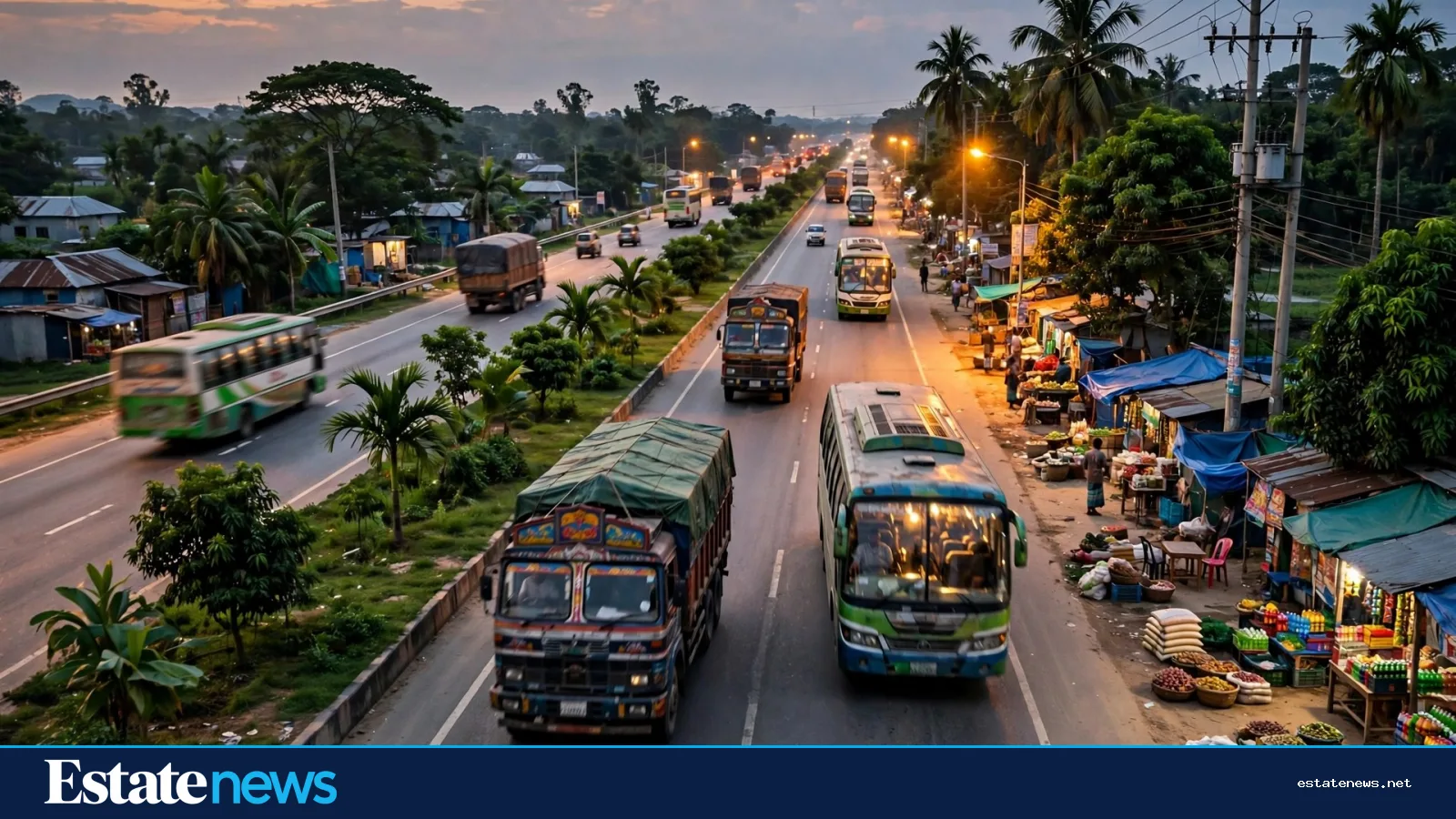
There are limits to what the highway can do. It cannot make Cumilla into Dhaka, and buyers who expect Dhaka's hospitals, schools and job market at Cumilla prices will be disappointed. What it can do is keep the town connected: to the capital's jobs, to Chattogram's port, and to the district's own trade. For a family choosing between a cramped flat in Dhaka and a house with a courtyard in Cumilla, that connection is often enough.
A second address, chosen slowly
The smartest buyers in Cumilla move slowly. They visit the plot more than once, at different times of day. They talk to the neighbours. They have a lawyer read the papers before any money changes hands. They do not rush because a seller says another buyer is waiting.
Cumilla will not suit everyone. A buyer who needs to be in Dhaka every morning may find the commute too long on the days the road clogs. But for a family that wants a house of its own, a street they know, and a road back to Dhaka when they need it, the highway city keeps making its case, one plot and one family at a time.