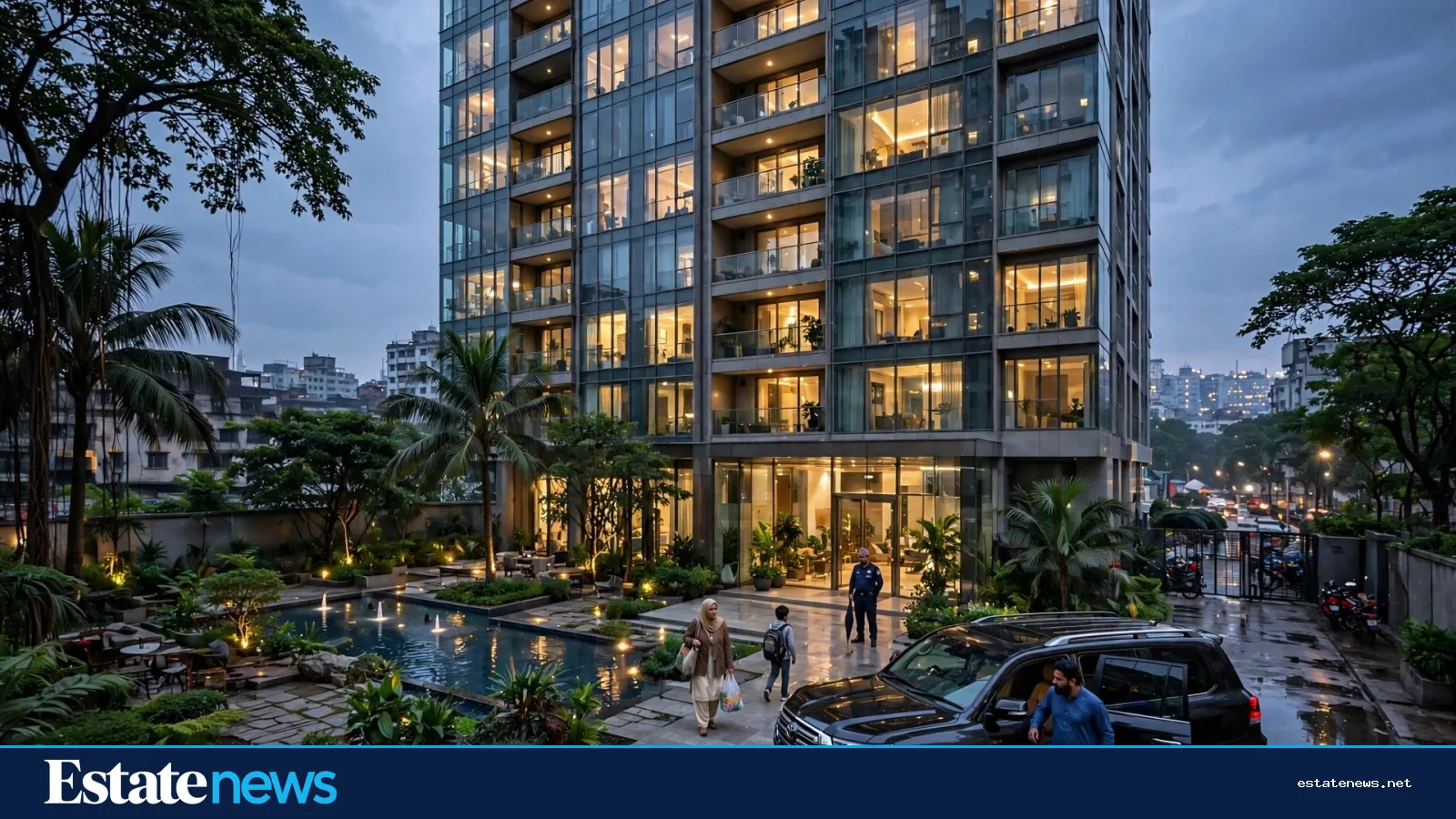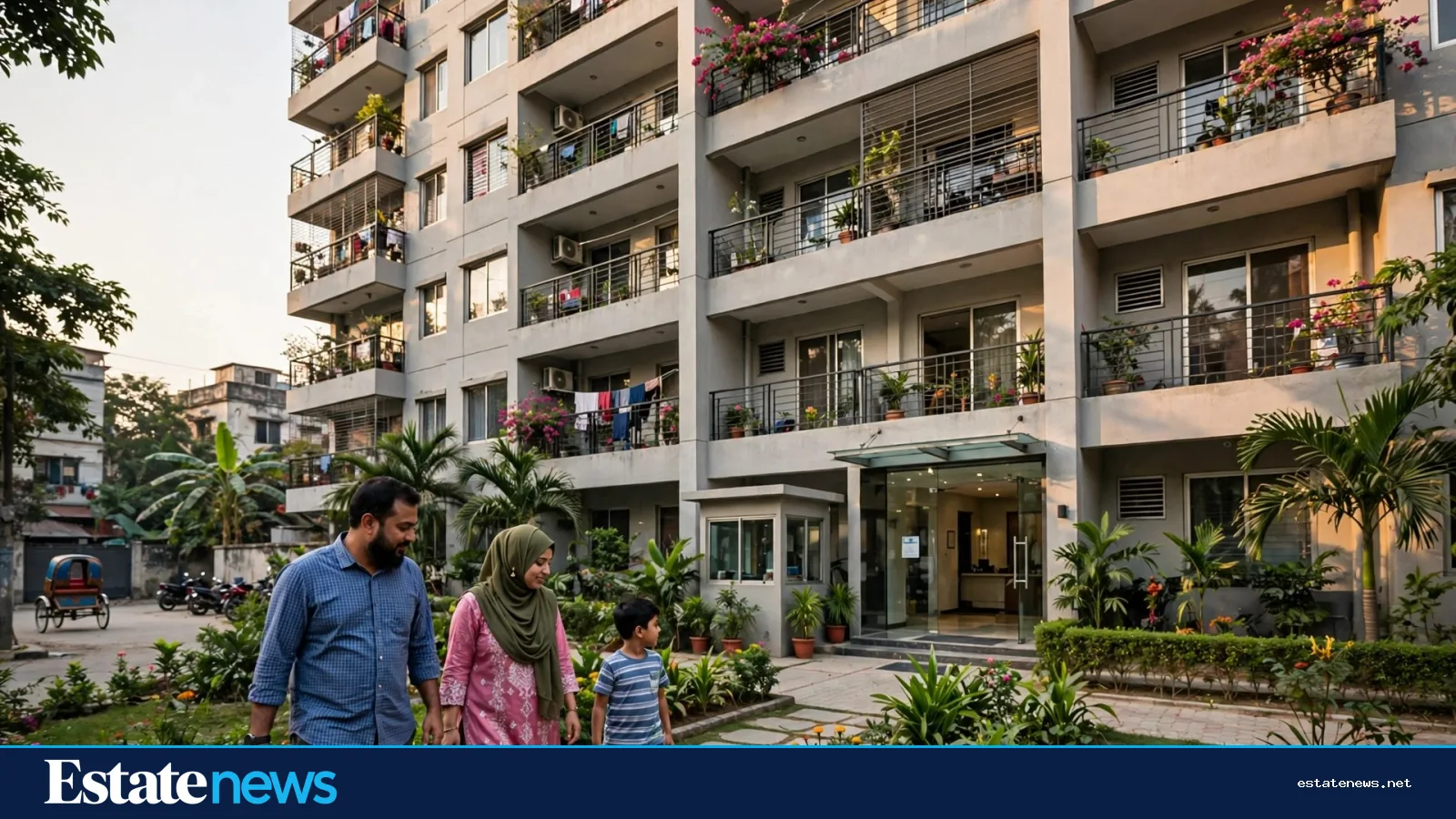
Walk into a sales office in Dhaka today and the word "green" will find you. It sits on the brochure, on the hoarding outside the site, and in the salesman's first minute of talk. The building saves energy. It harvests rainwater. It runs on solar power. The claims come quickly, and they are rarely followed by a document. A buyer who wants to know whether a building is genuinely green has to ask questions the brochure does not answer.
A green building starts with its shape and its position, not with a gadget on the roof. A tower turned to catch the breeze and shade its western face stays cooler than a tower turned the other way. Cross-ventilation, windows on two sides of a room, and a stairwell that lets hot air escape do more for comfort than any single appliance. These are design choices, and they cost little once the building is drawn well. A buyer can check them with a visit: stand in the living room on a hot afternoon and feel whether air moves through the flat.
The features buyers can actually see

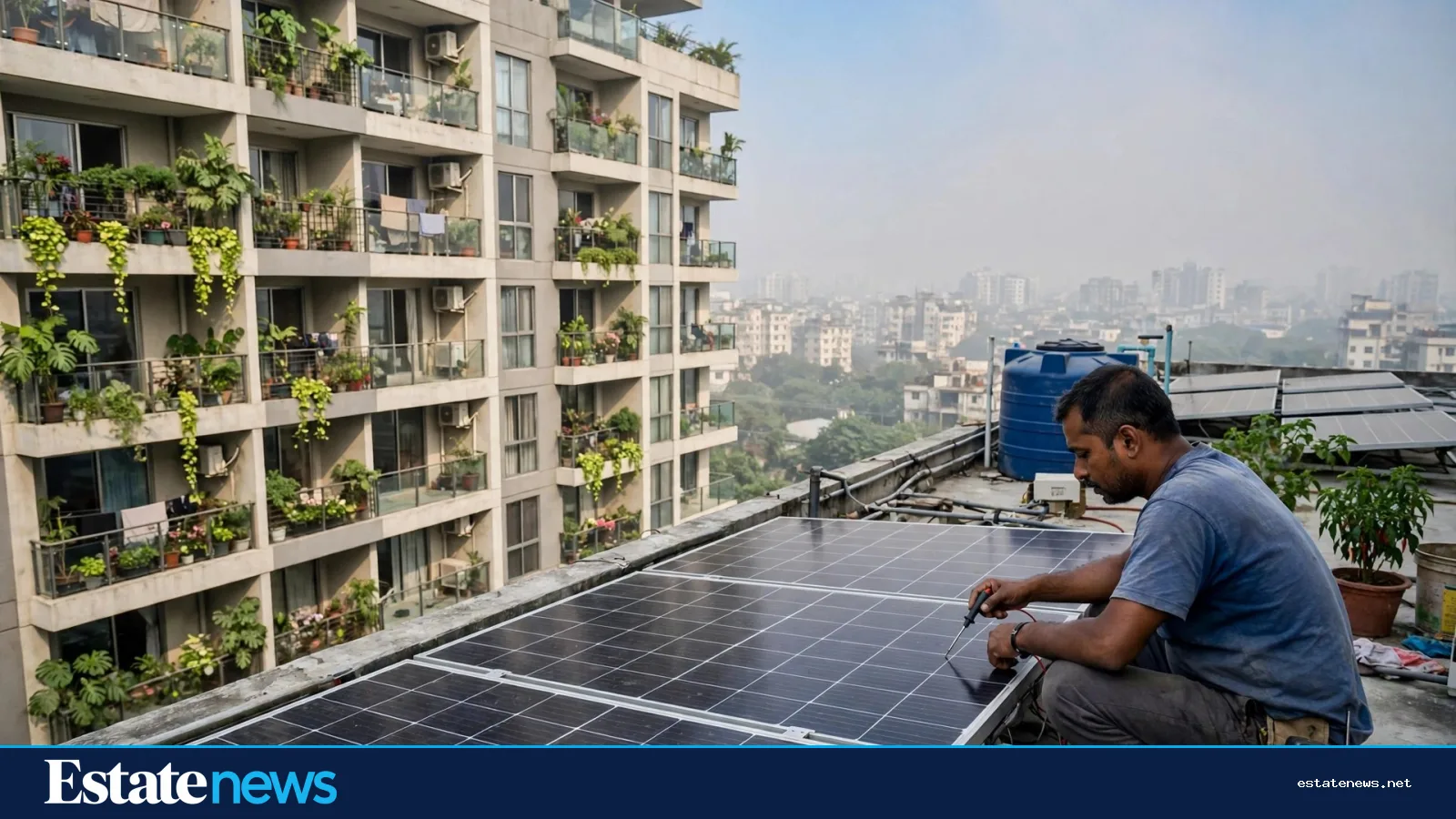
Rooftop solar is the feature most buyers recognise. Panels on the roof can power common lighting, lifts and water pumps, cutting the building's shared electricity bill. The key question is how much of the common load the system covers, and who maintains it. A small array that lights the staircase is a real saving, but it is not the same as a system sized for the building's pumps and lifts. Ask for the capacity, ask what it powers, and ask who cleans and repairs the panels.
Rainwater harvesting is the second visible feature. Dhaka's monsoon drops a great deal of water on every rooftop, and a harvesting system stores it or sends it back into the ground. In practice the system needs a tank, a filter and a maintenance routine. A buyer should look for the tank and the pipes, not only the line in the brochure. A harvesting system that was never connected is decoration, not infrastructure.
Energy-efficient lighting, low-flow taps and waste segregation complete the usual list. LED lighting in common areas is now standard in new buildings, and it genuinely cuts the shared bill. Water-saving fittings reduce use without changing how a tap feels. Waste systems work only when the building association runs them: separate bins mean nothing if one truck takes everything away together.


Certification, and what it does not promise
Some buildings carry a green certification from an international rating system, and that certificate means an independent body checked the design against a published standard. Certification is the strongest evidence a buyer can ask for, because it comes from outside the developer's own marketing. A buyer should ask to see the certificate itself, and check which level was awarded and what it covers.
No certificate, and no feature, promises a fixed saving. A building can be well designed and still carry a high service charge if the association runs the systems badly. A solar array saves money only if it is maintained. A rainwater tank saves water only if the pipes are kept clear. The mechanism is real, but the result depends on the people running the building year after year. Any salesman who quotes a guaranteed percentage saving is selling, not informing.
How to check before you buy
The checks are practical. Visit in the afternoon and feel the flat's heat. Ask for the last few months of utility bills or meter readings for the common areas, and compare them with a similar building nearby. Look at the roof: are the panels clean, are they wired to anything, is the tank connected? Ask the association how the systems are maintained and what the service charge covers. Talk to a resident, not only to the sales team, and ask whether the lifts and lights actually run on the systems the brochure describes.
The sales pitch will always run ahead of the building. That is its job. The buyer's job is to slow it down, look at the roof and the meter, and ask for the document. Dhaka needs greener buildings, and the ones that deserve the word are the ones that can show their working. A tower with clean panels, a connected tank, a certificate on the wall and a service charge that reflects real savings has earned the label. A tower with the word only on a hoarding has not.