Ten years ago, buying a flat from abroad meant trusting a relative with a video camera and a lot of patience. The relative would visit the site, film what they could, and send the clips over a slow connection. The buyer would watch, guess at the rest, and hope the flat matched the film.
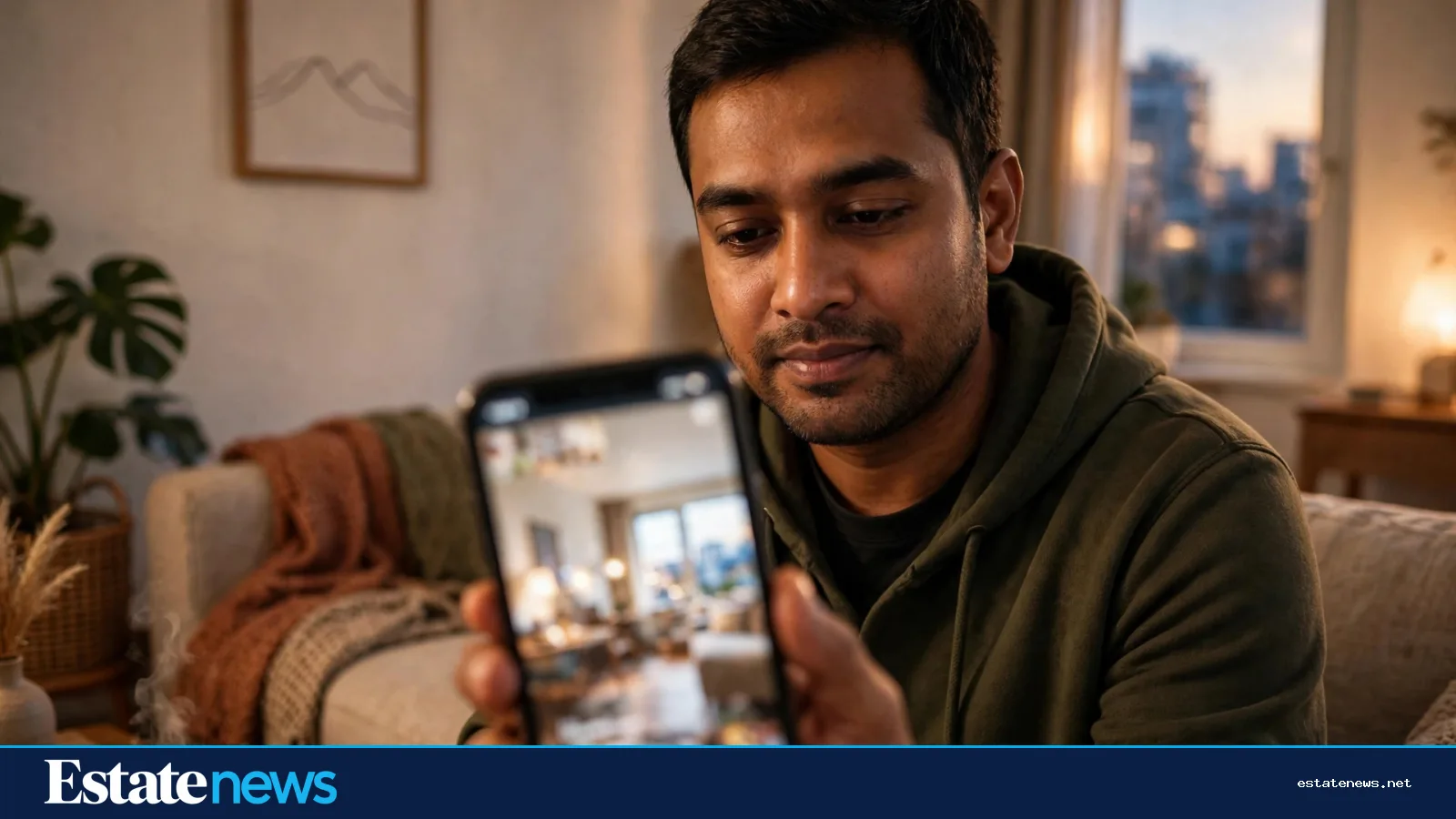
That world is fading. Dhaka's property market now runs on virtual tours, 3D walkthroughs and live video viewings, and the change matters most to the non-resident Bangladeshis who buy so many of the city's flats.
The tour comes first now

Bproperty, the country's largest online property marketplace, has offered 360-degree virtual tours on its listings since it began operations in Bangladesh in 2016. It has since expanded from Dhaka to Chattogram, Sylhet, Narayanganj, Gazipur and Cumilla. A listing with a virtual tour lets a buyer move through the rooms, look out of the windows and get a sense of the space that photographs alone cannot give.
Developers have gone further. Bright Spaces, a 3D digital twin company, has partnered with BHB Properties on an interactive platform for BHB Avenue, a premium project in Dhaka. Buyers can explore a digital replica of the building from any device, filter apartments by budget, size, floor, type and orientation, and take virtual tours of furnished and unfurnished units. They can walk the hallways, check the finishes, see real-time availability, and book a live tour or request an offer from the same screen.
Smaller agencies have built their own versions. Rangdhanu Homes and Properties offers remote viewing for non-resident buyers, arranging viewings by video so that a buyer abroad can shortlist properties without attending in person. ProthomBari, a newer platform, runs a dedicated channel for expatriates in the UK, the US, Canada and the Gulf, with a managed deal desk that pre-qualifies budget, timeline and bank-loan readiness before booking a physical visit.
What a good virtual tour shows, and what it hides
A tour is only as honest as the person who filmed it. A wide-angle lens makes a small bedroom look large. Bright lighting hides a damp patch. A tour filmed before the finishing work is done shows a promise, not a flat.
The buyers who use virtual tours well treat them as a filter, not a verdict. They shortlist three or four flats online, then check each one properly. The checks are the same ones a buyer in Dhaka would make, only done at a distance.
Ask for a live video call, not only a recorded tour. On a live call, you can ask the agent to open the taps, switch on the lights, show the view from the balcony, and walk down the staircase to the parking area. A recorded tour cannot refuse a request. A live one shows what is really there.
Ask for the light at different times. A flat that looks bright at noon can be dark by four in the afternoon, and in Dhaka, where buildings stand close together, the light in a bedroom depends on what stands next door. Ask for a short clip filmed in the late afternoon, when the sun is low.


Ask about the things a camera avoids. The lift, the generator room, the water tank on the roof, the staircase, the corridor outside the flat: these are the parts of a building that decide daily life, and they rarely appear in a sales video. A seller who shows them willingly is a better sign than one who keeps the camera inside the living room.
Booking from abroad, step by step
Once a flat is shortlisted, the booking process from abroad follows a familiar path. The buyer agrees the price and the payment schedule, then gives a power of attorney to a trusted person in Bangladesh, usually a family member, to sign documents on their behalf. The developer sends the documents online for verification before anything is signed.
That verification step is the one to take slowly. Check the deed chain, the RAJUK approval and the developer's record on completed projects. Ask a lawyer in Dhaka to look at the agreement, even if the developer's own lawyer has already approved it. And never pay the full booking amount before the papers are checked. A genuine developer will wait for a buyer who is doing proper checks.
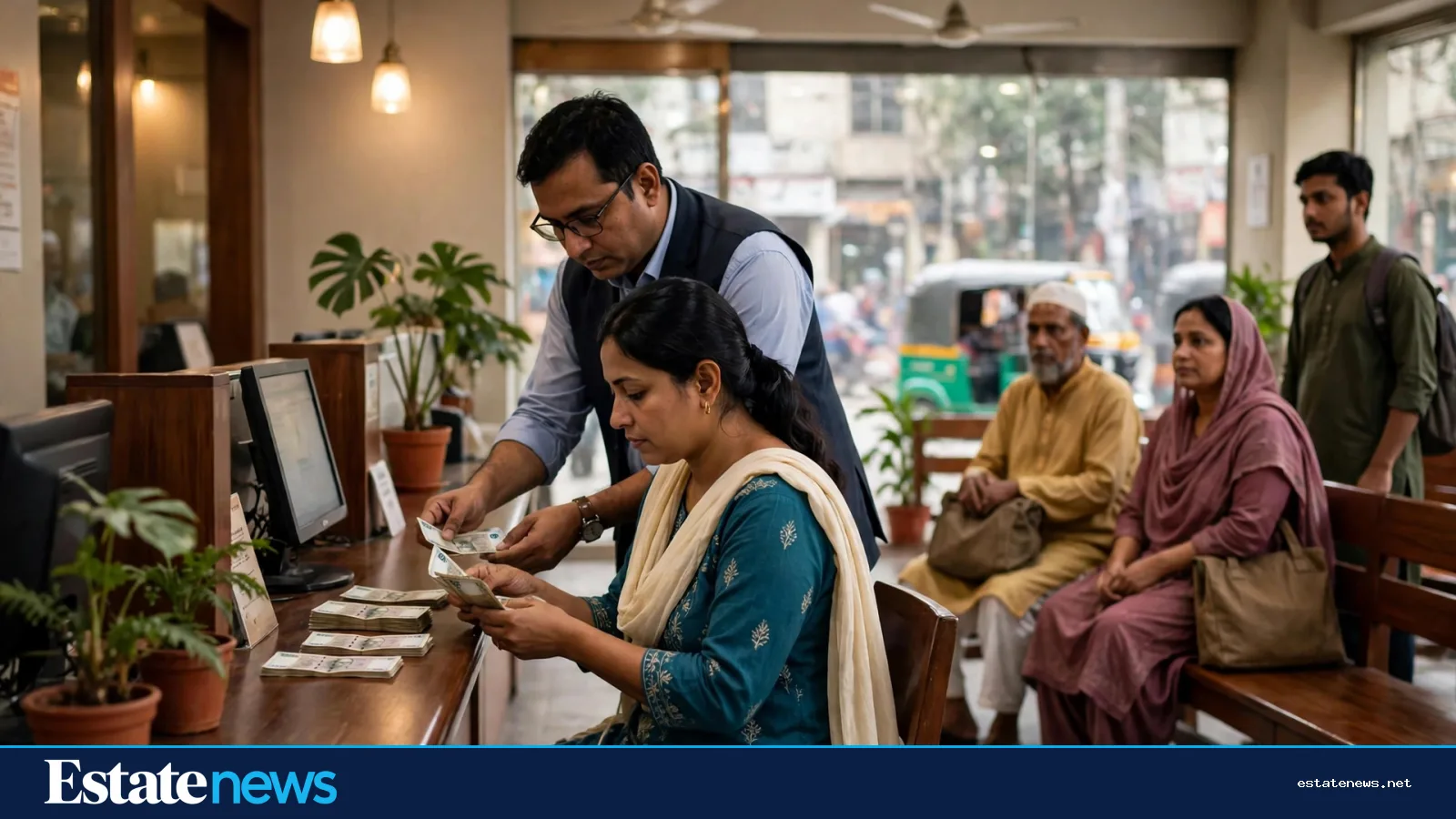
Payment itself is easier than it used to be. Remittance now arrives fast: $647 million came into Bangladesh in the first four days of November alone, up 40.33 per cent on the same period last year, according to Bangladesh Bank data. A buyer who keeps transfers in one bank, with a clean record, will also find a home-loan application easier later.
Why this changes the market
Virtual tours change who can buy. A nurse in London, a driver in Doha, an engineer in Toronto: all of them can now look at a flat in Uttara or Bashundhara in the evening after work, and compare it with two others before the weekend. That widens the buyer pool for every developer that films its flats properly, and it raises the standard for every developer that does not.
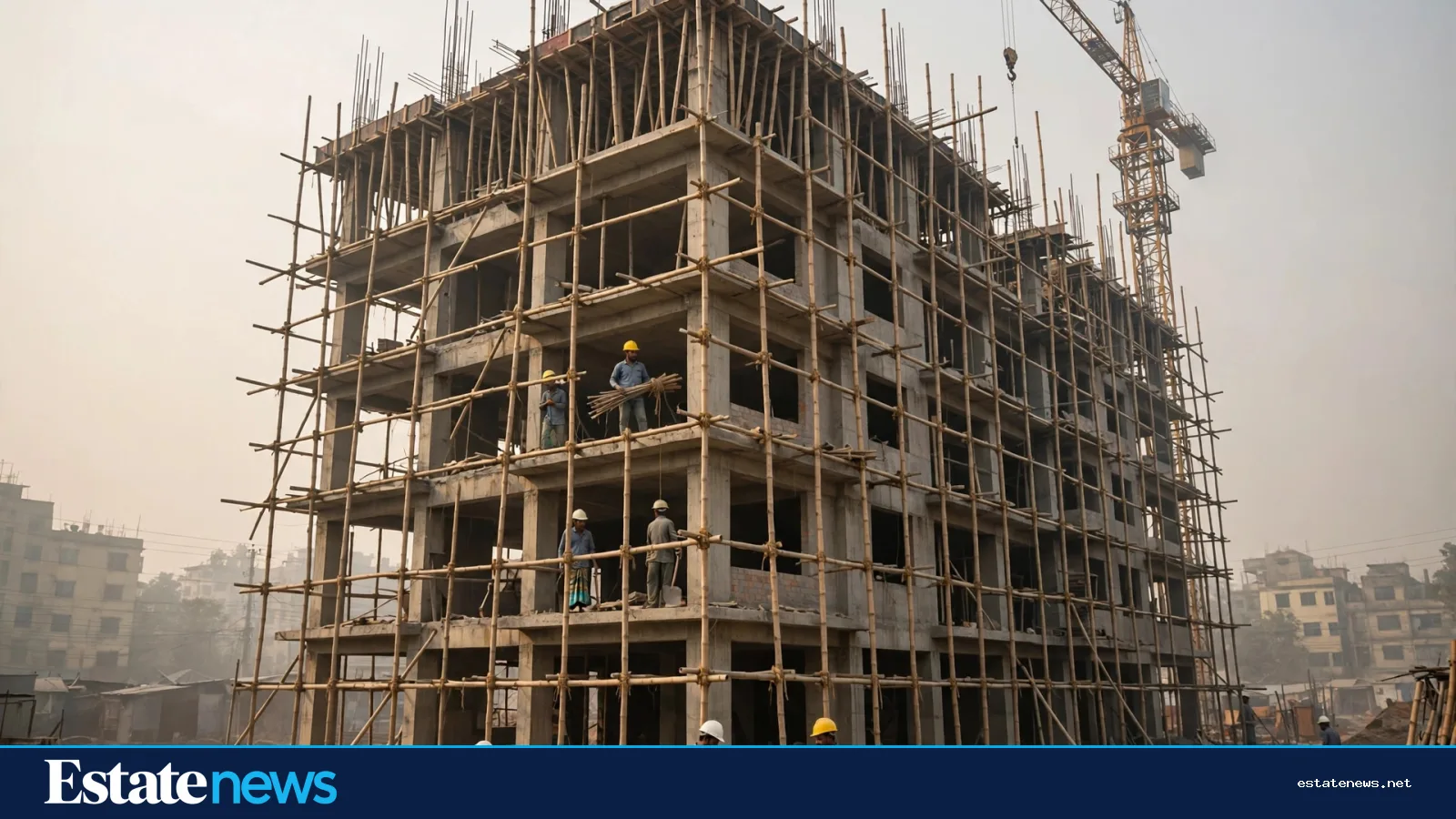
It also changes what developers must do. A project with no virtual tour now looks unfinished, in the same way a project with no proper brochure once did. The better developers have learned this and film early, sometimes before the building is complete, so that buyers abroad can follow the progress floor by floor.
There are limits. No screen shows how a neighbourhood sounds at night, or how the water pressure holds up in summer, or whether the neighbours are easy to live beside. Those answers still need a person on the ground, walking the street and asking questions.
But for the first step, the shortlist, the screen has become the place where Dhaka flat buying now begins. The buyer who uses it well arrives in Dhaka with three flats to see, not thirty. And that is a better way to buy a home.