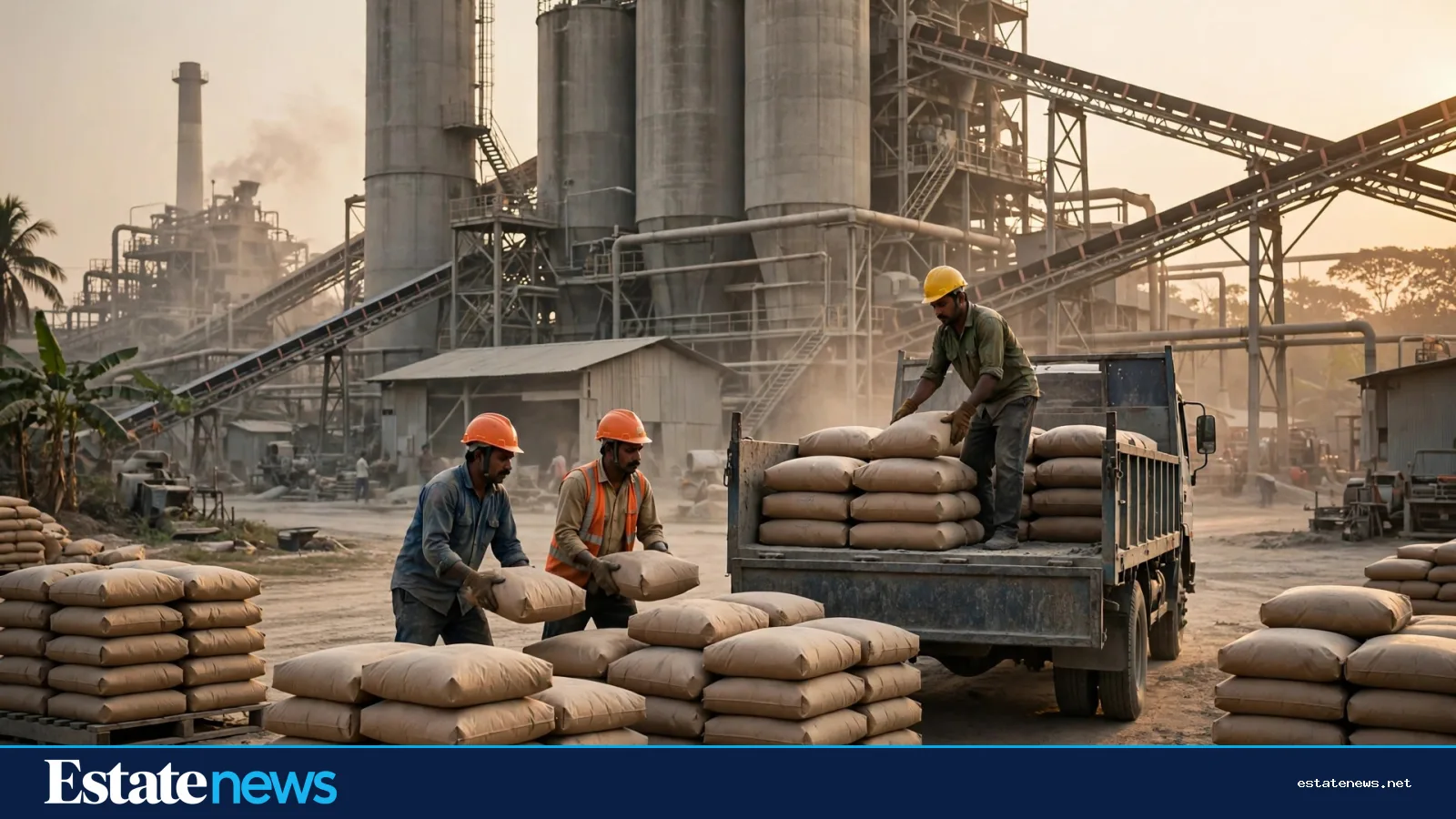
Cement is the cost that moves first when a build gets dearer, and the country's biggest multinational cement maker has just shown how much dearer it got. LafargeHolcim Bangladesh earned Tk 2.79 billion in the first nine months of 2026, down 21 percent on the same period last year, even though revenue rose. The profit fell because the cost of making cement rose faster than the price of selling it.
The margin tells the story in one line. Operating margin fell to 15.2 percent, from 19.8 percent a year earlier. Operating profit dropped 19 percent to Tk 3.49 billion. Earnings per share came to Tk 2.41, against Tk 3.06 in the same nine months of 2025. The company put the cause plainly: higher energy, fuel and production costs. A cement plant burns fuel to heat its kilns, and when fuel costs climb, there is nowhere to hide the increase except in the margin.
A stronger quarter inside a weaker year

The nine-month picture hides a better quarter. In the second quarter, April to June, profit rose 8 percent to Tk 1.05 billion, on revenue up 14 percent to Tk 7.40 billion. That quarter showed the company could still grow when demand held and prices found their level. The full nine months show the other side: three quarters of cost pressure outweigh one good quarter.
Chief executive Iqbal Chowdhury pointed to the parts of the business that held up. Premium products, Holcim Water Protect, Supercrete Plus and Coastal Guard, and the aggregates business stayed firm. Geocycle, the company's waste management arm, co-processed more than 31,000 tonnes of non-recyclable waste in the period. Those lines did not rescue the margin, but they kept the company from a worse result. The comparison with last year is sharp: profit for the whole of 2025 was Tk 5.11 billion, up 34 percent. This year is running behind that pace.


What it means for a building budget
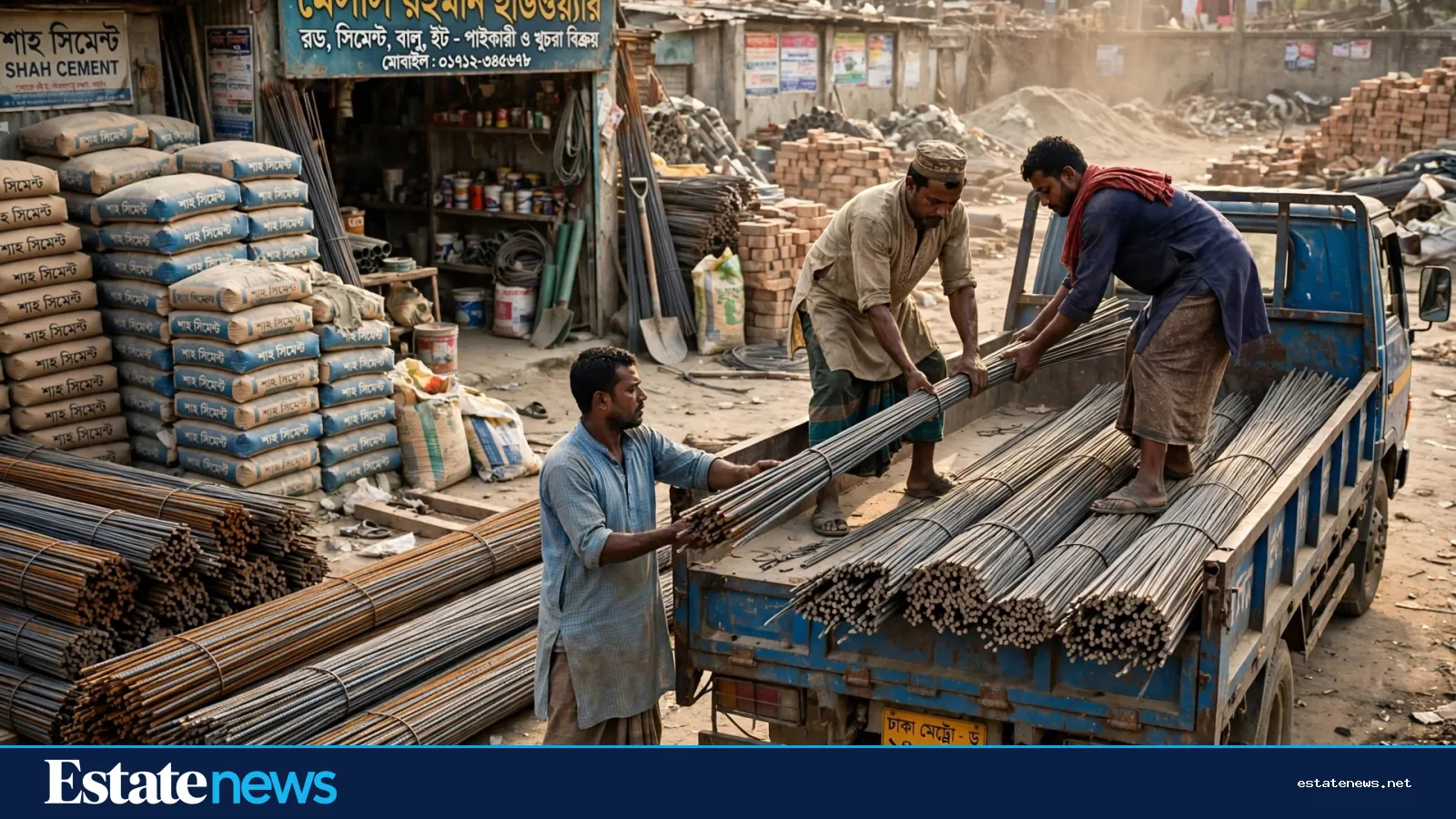
For a family building a house, or a developer pricing a project, the result lands in the bag price. Cement in Dhaka's published ranges stood at Tk 540 to Tk 580 a bag in the October survey, with a midpoint of Tk 560, and rod at Tk 92,500 to Tk 94,500 a tonne. Those are published ranges, not transaction prices, and they have held steady in recent weeks. A cement maker with a shrinking margin has two choices: accept the squeeze, or pass the cost on. Neither choice is free for the buyer. The first weakens the company's ability to invest. The second raises the cost of every square foot.
The result also says something about the wider building materials trade. Steel makers have had a strong year: BSRM Group reported record combined revenue of Tk 23,943 crore for the year to June 2026, up 20 percent, with net profit up 25 percent to Tk 1,418 crore. Cement, by contrast, is carrying an energy bill that steel has managed better, or a market where raising prices is harder. The two materials move on different tracks, and a builder pricing a project needs to watch both.
The results were published on 19 and 20 October, so this is analysis of a reported quarter, not today's news. Read that way, the message is steady rather than alarming. LafargeHolcim is still profitable, still selling its premium lines, and still investing in waste processing. Its margin is thinner, and the reason is cost, not demand. For buyers, the practical point is to watch the bag price in the weeks ahead. If energy costs stay high, the pressure on cement prices will stay with them. The construction cost tracker follows rod and cement ranges each week, and the Crown Cement results show a local maker facing the same squeeze: profit down 25 percent as costs rose even as sales grew.