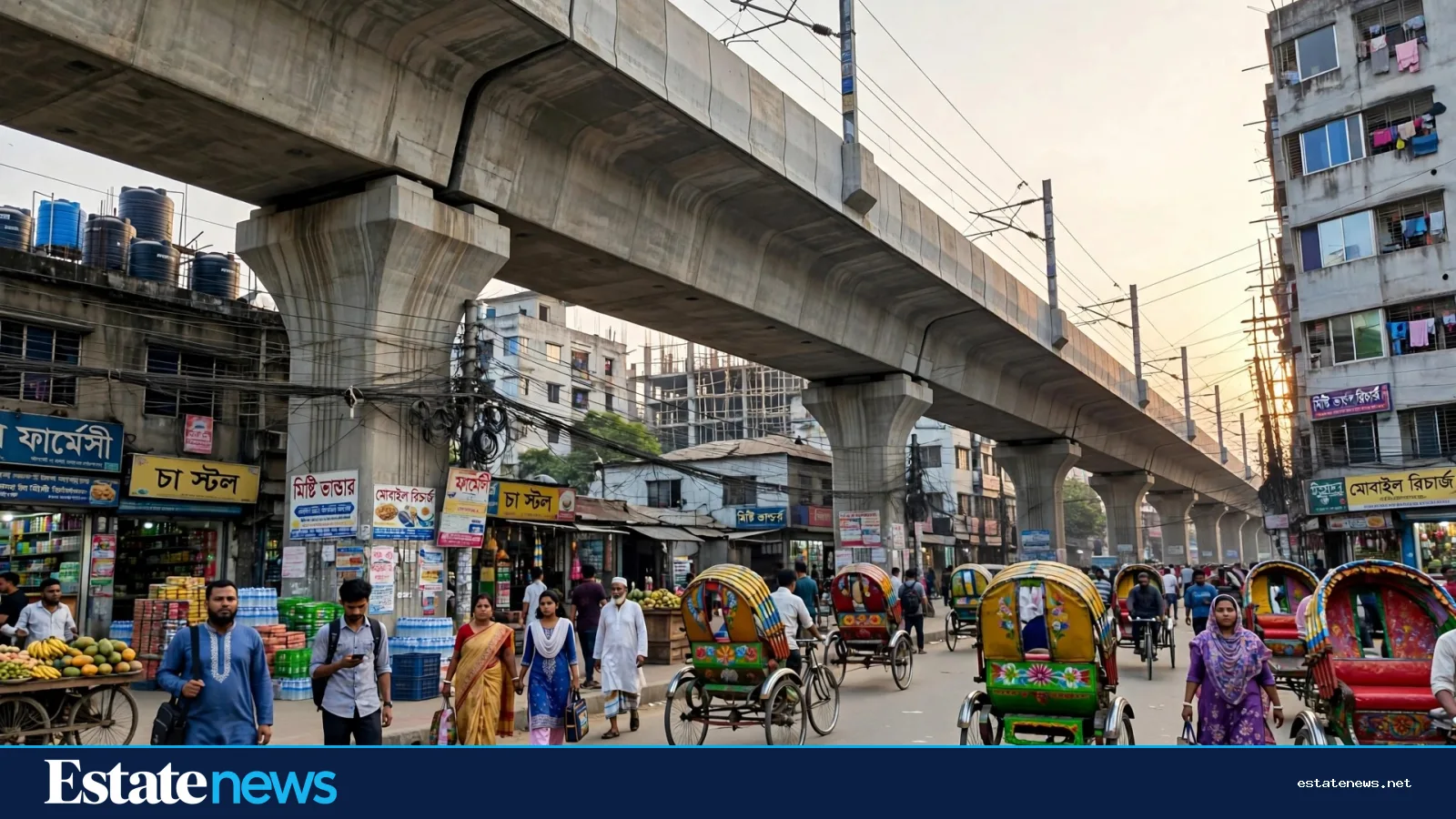
Ask a Dhaka property searcher where they are looking, and the answer comes back more often from Mirpur than anywhere else. A survey by Bproperty, the property portal, found Mirpur the most searched area in the city, drawing 26.68 percent of home seekers, ahead of Uttara at 12 percent. The reason is plain. Mirpur is where a middle-class family can still buy a flat in Dhaka without stretching beyond recognition.
Asking prices in the area sit near Tk 8,700 a square foot, according to a listing sample taken on 10 November 2026. That is the lowest median among Dhaka's major neighbourhoods, and it is an asking price, the figure sellers put on listings, not a settled transaction price. A 1,200 square foot flat at that median lists near Tk 1.04 crore. The same budget in Gulshan would not cover half the space. A buyer weighing the trade can see what Tk 75 lakh buys across six Dhaka areas to place Mirpur against the rest of the city.
The metro changed the maths. Line-6 runs through Mirpur, with stations at Shewrapara, Kazipara and Mirpur 10 among others, and the full Uttara to Motijheel route has run since December 2023. A family that once counted the drive to Farmgate or Motijheel in hours now counts it in minutes on the train. Bproperty's figures, reported after the line opened, showed apartment demand in Mirpur up 24 percent and rents up 27 percent, with prices up 8.6 percent on average against 2020 levels. Demand for homes near a station grew fastest, and flats within a short walk of Shewrapara or Kazipara station now move first.

DOHS, Pallabi, Shewrapara and Kazipara
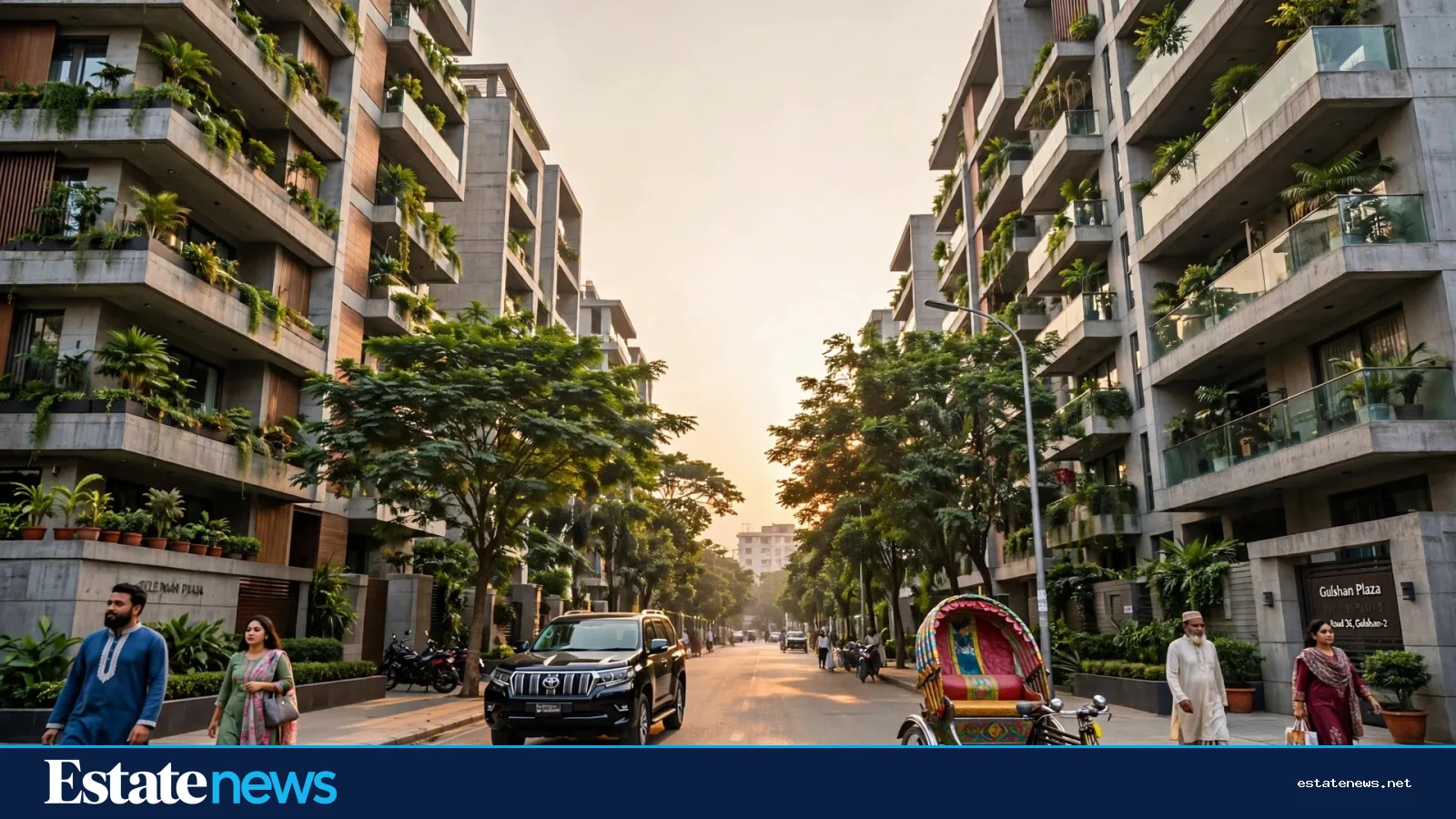
Mirpur is not one market. It is several, pressed together. Mirpur DOHS is the planned end of the scale, wide roads, parks and a quieter street life, and the government has built there too: 156 flats in the Aparajita complex at Mirpur DOHS were allocated in September 2026 to families of martyred and injured military personnel. Pallabi has grown into the area's own premium pocket, with larger flats and a reputation that pulls buyers who want Mirpur prices with a quieter address. Shewrapara and Kazipara sit on the metro line itself, and their lanes fill with buyers who want the station within walking distance.
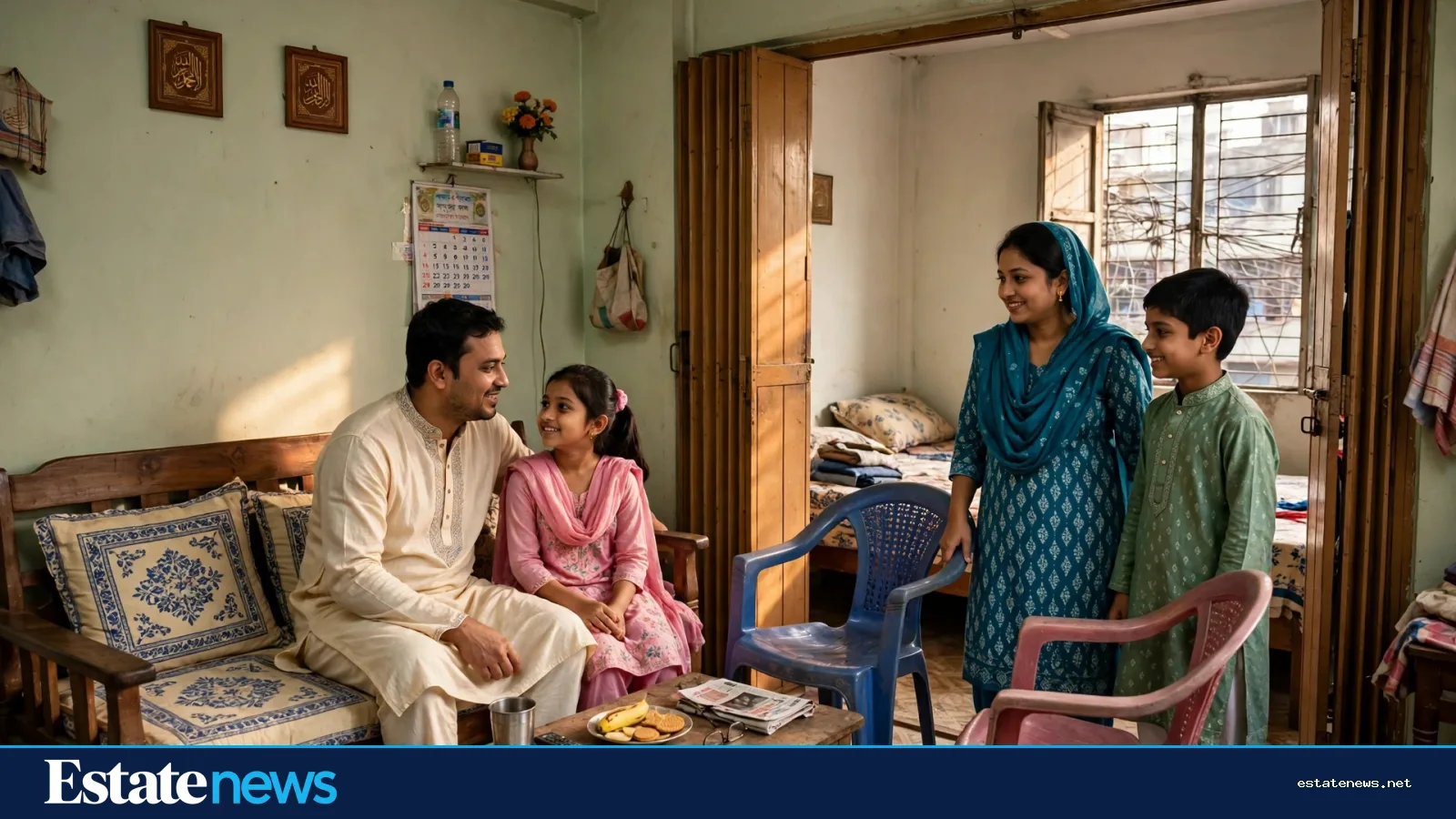
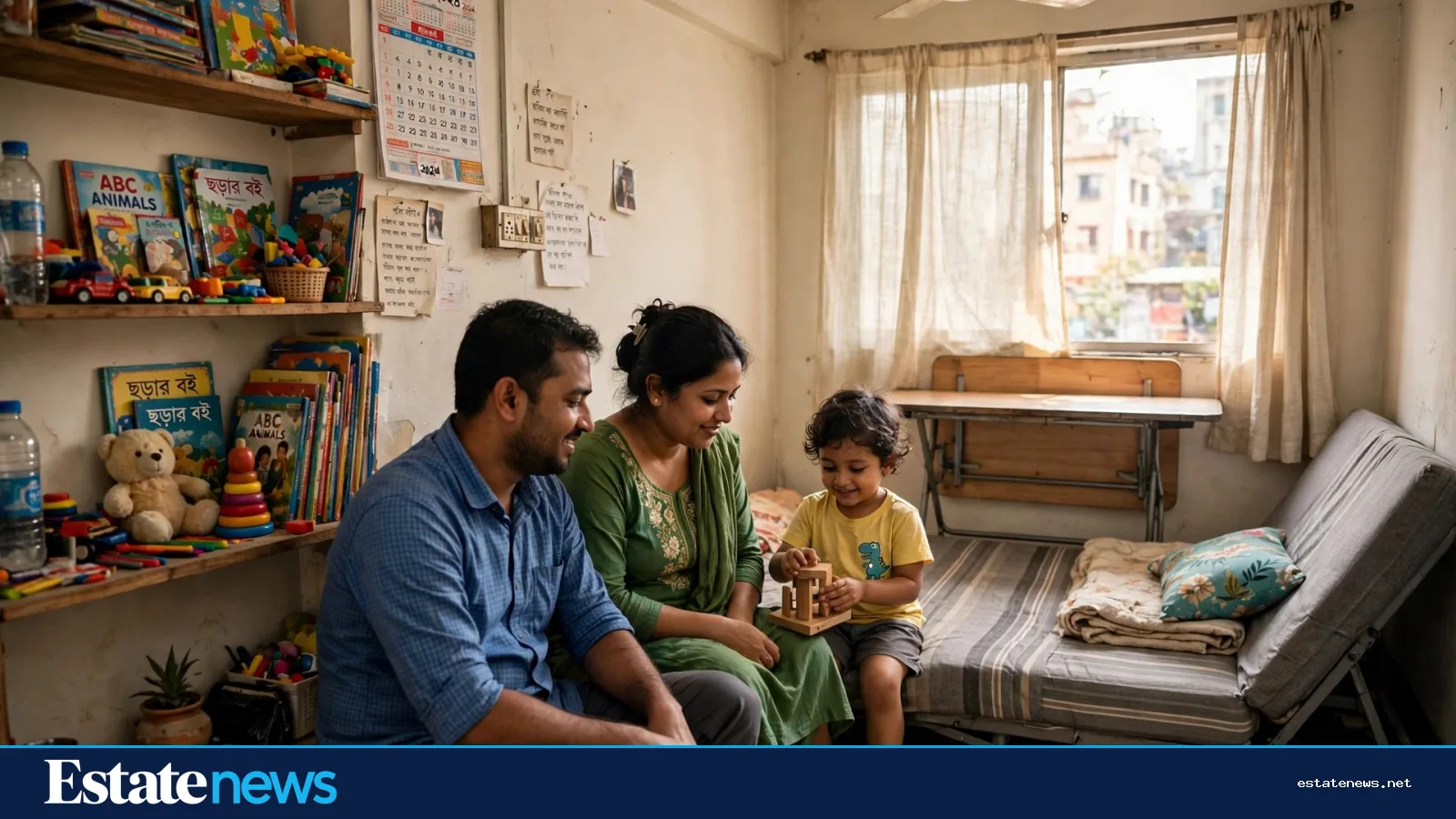
The buyers are easy to describe. A service holder moving up from a rented flat in the same area. A family from outside Dhaka buying its first city home. A parent buying for a child who works in the city. The flats they want are usually 1,000 to 1,600 square feet, three bedrooms, a drawing and dining space, and a kitchen that fits a family that cooks every day. The same middle-class buyer is shaping Uttara, the city's northern edge, where the same metro line ends and the same question, how much space a salary can buy, gets a different answer. The Business Standard reported in January 2025 that buyers at a housing fair found nothing in Mirpur below Tk 1 crore, and that flats which had sold at Tk 5,500 to Tk 7,000 a square foot three years earlier were then priced between Tk 10,000 and Tk 13,000. Those were reported selling prices at the fair. The listing median of Tk 8,700 sits below them, which is the usual gap between what sellers ask in listings and what developers quote for new projects.


What the metro did, and what it did not
The metro made Mirpur closer to the rest of Dhaka, but it did not make Mirpur the same as the rest of Dhaka. The lanes behind the main road still flood in heavy rain. The water supply still falters in summer in some blocks. The buildings are older on average than the towers going up in Bashundhara or Uttara, and a buyer of a resale flat should check the lift, the generator and the gas line before falling for the price.
Service charges stay lower than in the premium belt, which is part of the attraction. A family that pays Tk 8,700 a square foot and a modest monthly charge can live in Mirpur on a salary that would not stretch to Banani. That is the market's real product: not luxury, but a flat a salaried family can hold on to.
Who should look here
Mirpur suits the buyer who has a fixed budget and a fixed commute. If the office sits on the metro line, the flat near Shewrapara or Kazipara station pays for itself in time saved every day. If the family needs a larger flat for the same money, Pallabi or the inner lanes of Mirpur offer space the premium areas cannot match at the price.
The buyer should still walk the lane before booking. Visit in the evening, when the street is full, and again on a rainy day. Ask the building's residents how the lift runs and what the service charge covers. Check the metro walk in person, because a station that looks close on a map can sit across a busy road with no crossing. Mirpur rewards the buyer who checks these things and punishes the one who buys on the median alone. The median says the area is affordable. The lane says whether a particular flat is worth buying.