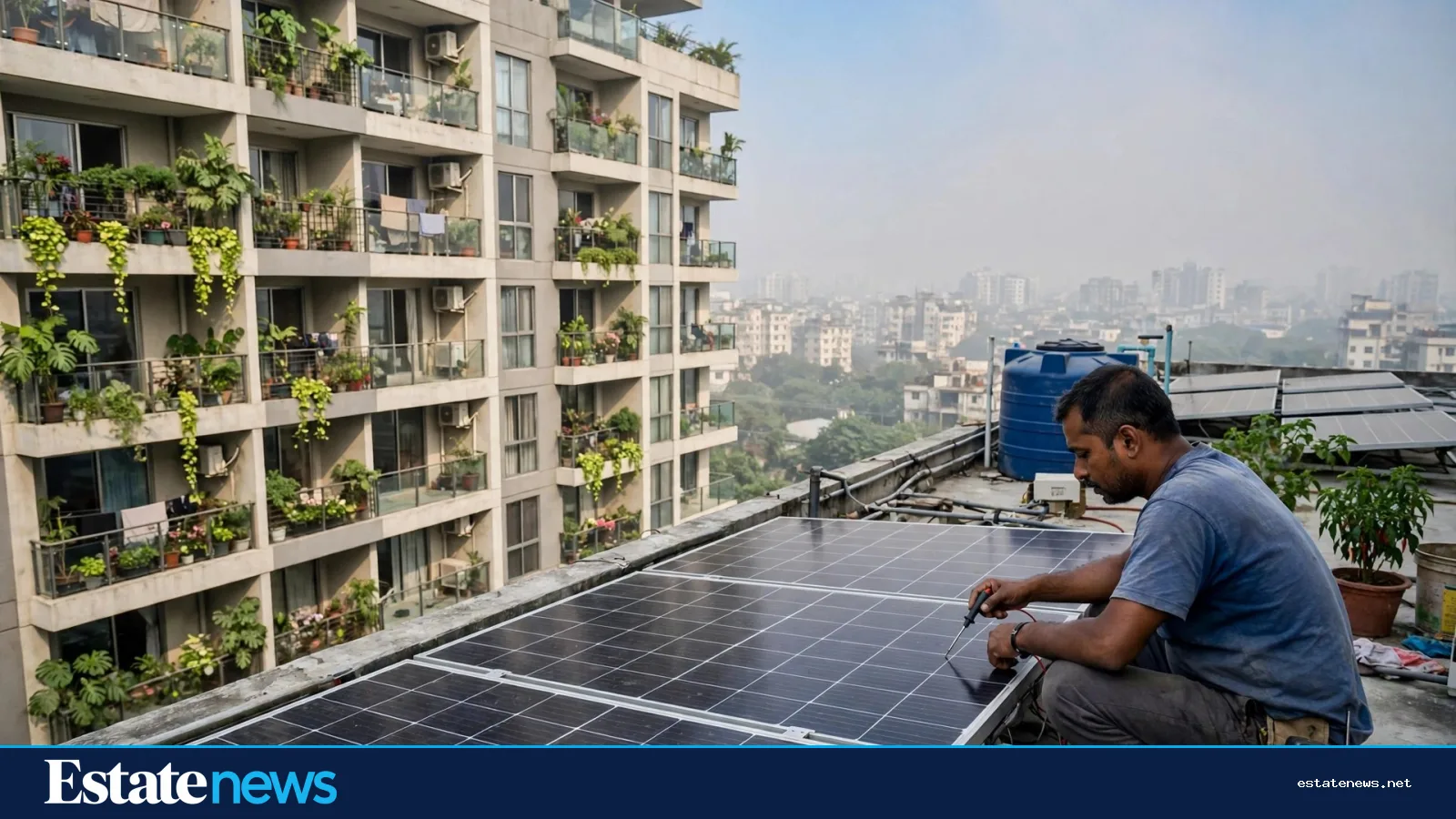
The flat is bought. The papers are signed. The keys are in your hand. Then the first month begins, and the bills arrive in a steady line. Most buyers budget carefully for the price of the flat and the registration cost, and then forget the smaller costs that come with moving in. Those costs are not small when they are added together, and they arrive in the first few weeks, when the family's savings are already stretched.
A buyer who plans for the first month is a buyer who sleeps better in it. The list below covers what to expect, in the order the costs usually appear.
Utility connections and deposits

A new flat needs gas, electricity and water, and each one has its own process. If the flat already has connections in the previous owner's name, the transfer still takes paperwork and a fee. If the connection is new, the owner applies, pays a deposit and waits for the line to be connected. The deposit is refundable in principle, but the money leaves the household budget on day one and returns, if it returns, much later.
Gas deserves a separate note. A piped gas connection in a new building may be ready, or it may be waiting on the building's own approval. A buyer should ask the developer or the building manager, before moving day, whether the gas line is live in that flat. A family that arrives with a gas cooker and no gas will cook on a cylinder for the first weeks, and cylinders cost more per meal than a piped line.
The service charge, paid in advance
Most apartment buildings in Dhaka charge a monthly service fee that covers the lift, the generator, the guard, the cleaning of common areas and the water pump. The building's management often asks for the charge in advance, sometimes for the first month and sometimes for several months at once, along with a deposit. A buyer should ask for the amount in writing, with a breakdown of what it covers, before paying.
The generator deserves a question of its own. Ask how many hours the generator runs during a power cut, and whether the service charge covers it fully or whether there is a separate generator charge. A building where the lift stops every time the power goes out is a building where the service charge is not doing its job, and that is better known before the family has moved in than after.
Cleaning and the first repairs


A flat that has stood empty collects dust, and a flat that has just been finished collects more. The first cleaning is not a broom and a bucket. It is a full wash of floors, windows, bathrooms and the kitchen, and most families hire a cleaning team for the day. The cost is modest on its own, and it is worth paying, because a family that moves into a dirty flat spends its first week cleaning instead of settling in.
Then come the small repairs. A tap that drips. A door that sticks. A socket that does not work. A window that will not close properly. None of these is a defect in the building. They are the small faults that only appear when a family starts living in a place, and they appear in the first week.
Moving, furnishing and the first shop
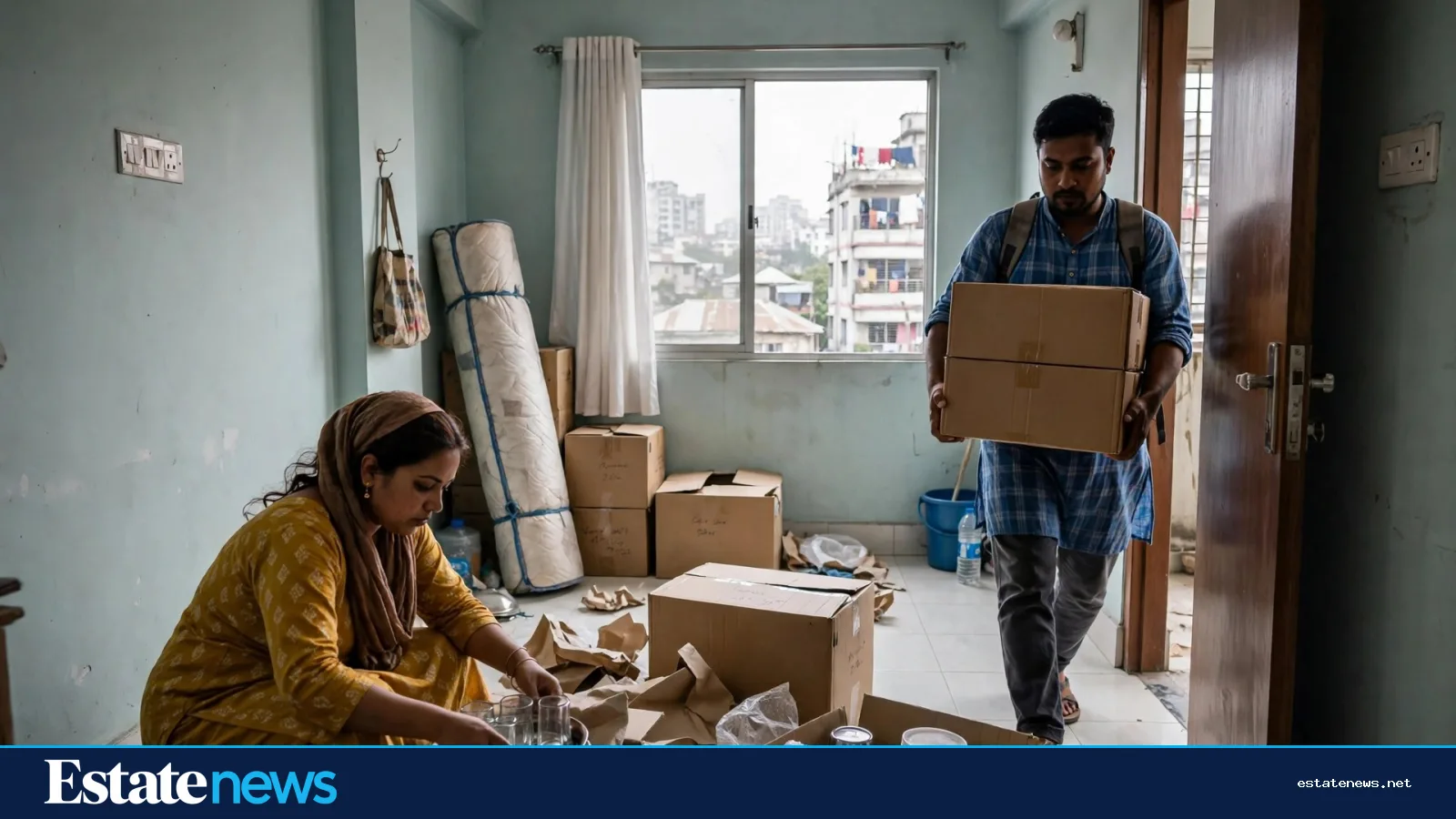
The move itself costs money: a truck or a van, labourers to carry furniture up the stairs or in the lift, and packing material. A family moving from a rented flat will have furniture to move. A family buying its first flat will have furniture to buy, and the first purchases are the ones that cannot wait: beds, a dining table, chairs, a fridge, a gas cooker, curtains for the windows that face the street.
The first shop after moving in is a familiar Dhaka experience. Broom, bucket, mop, dustbin, light bulbs, a lock for the door, a mat for the entrance. The list grows as the family walks through the flat. None of it is expensive. All of it is necessary.
A checklist for the first month
Write the numbers down before moving day. Ask the developer or the building manager for the service charge and any advance, in writing. Ask about the gas connection and the generator hours. Photograph the electricity meter on the day you move in, and walk through the flat with the developer's representative on handover day, noting every fault in writing. Keep the receipts for every deposit, because a deposit without a receipt is a gift.
Get written quotations for the bigger jobs before you agree to them. A plumber who quotes a price on the phone may charge a different price at the door, and a written quotation, dated and signed, is the simplest protection a buyer has.
The first month in a new flat is a happy month, and it is also an expensive one. A family that budgets for it will remember the happiness. A family that does not will remember the bills. The flat is the same either way. The difference is a page of planning, written before the keys change hands.