Every estate agent in Dhaka has the same story, told with different addresses. A flat goes on the market and the phone rings within days. Another, a few streets away, sits with its gate locked and its paint fading. The owners ask the same question: what is wrong with mine? Often, nothing is wrong with the flat. Something is wrong with the way it is being sold, or with the price it is being sold at.
The asking data gives a sense of the ground. Current asking medians from public sale listings, as of 12 November, put Gulshan at Tk 22,184 per square foot, Banani at Tk 15,000, Dhanmondi at Tk 10,901, Bashundhara Residential Area at Tk 12,005, Mirpur at Tk 9,268 and Uttara at Tk 7,833. These are asking prices, not transaction prices, and they describe what sellers hope for rather than what buyers pay. Still, they show the gap a seller must cross. A flat listed far above its area's asking level needs a special reason to sell. Most do not have one.
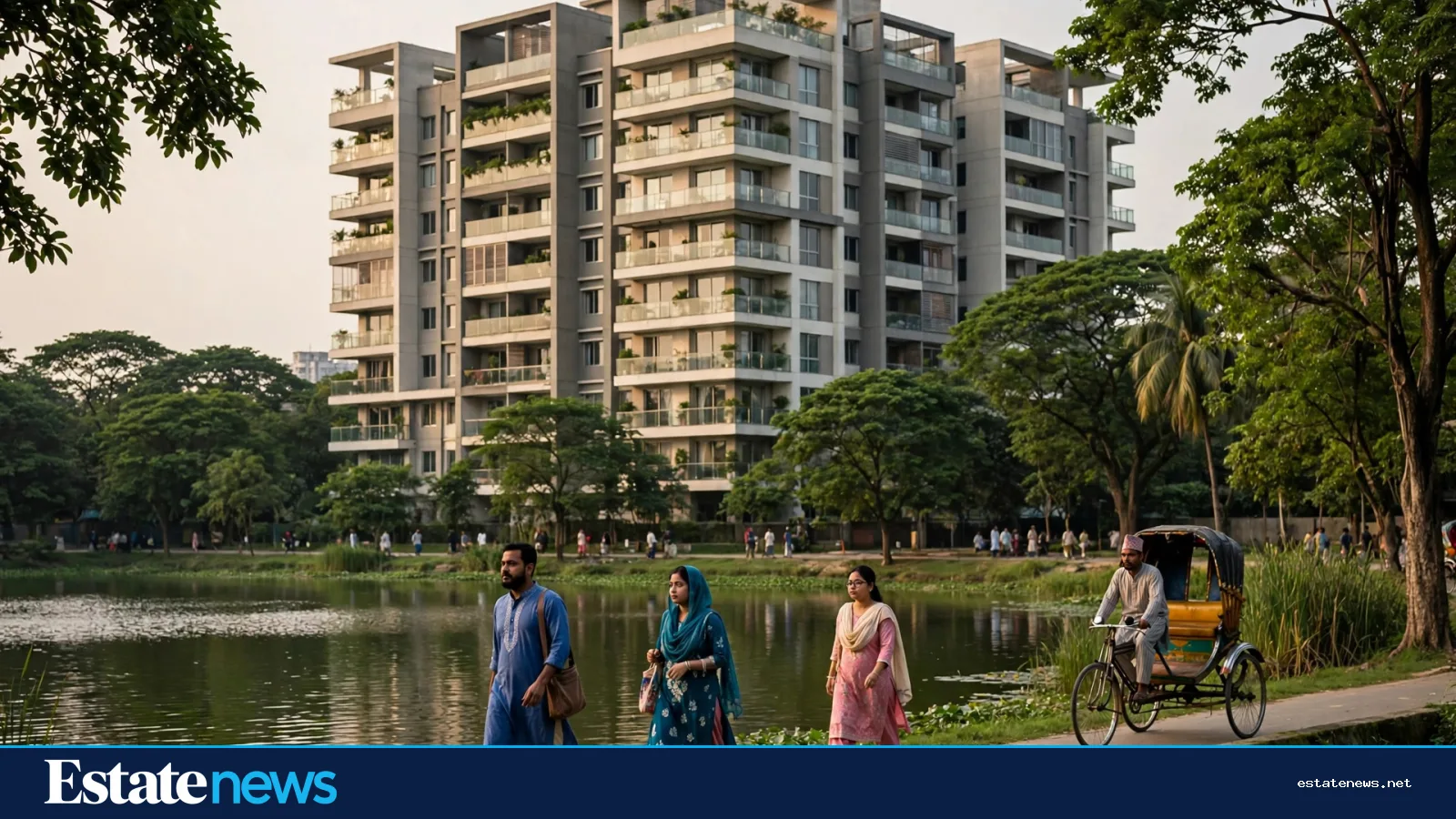
Location does the heavy lifting. A flat near a good school, a hospital or a metro station draws buyers who have already decided on the area. A flat deep inside a lane, far from the main road, draws fewer. Buyers pay for the walk to the bazaar, the rickshaw stand and the bus stop. They also pay for quiet. A flat facing a busy road sells slower than one facing a lane, even in the same building.

The building itself decides
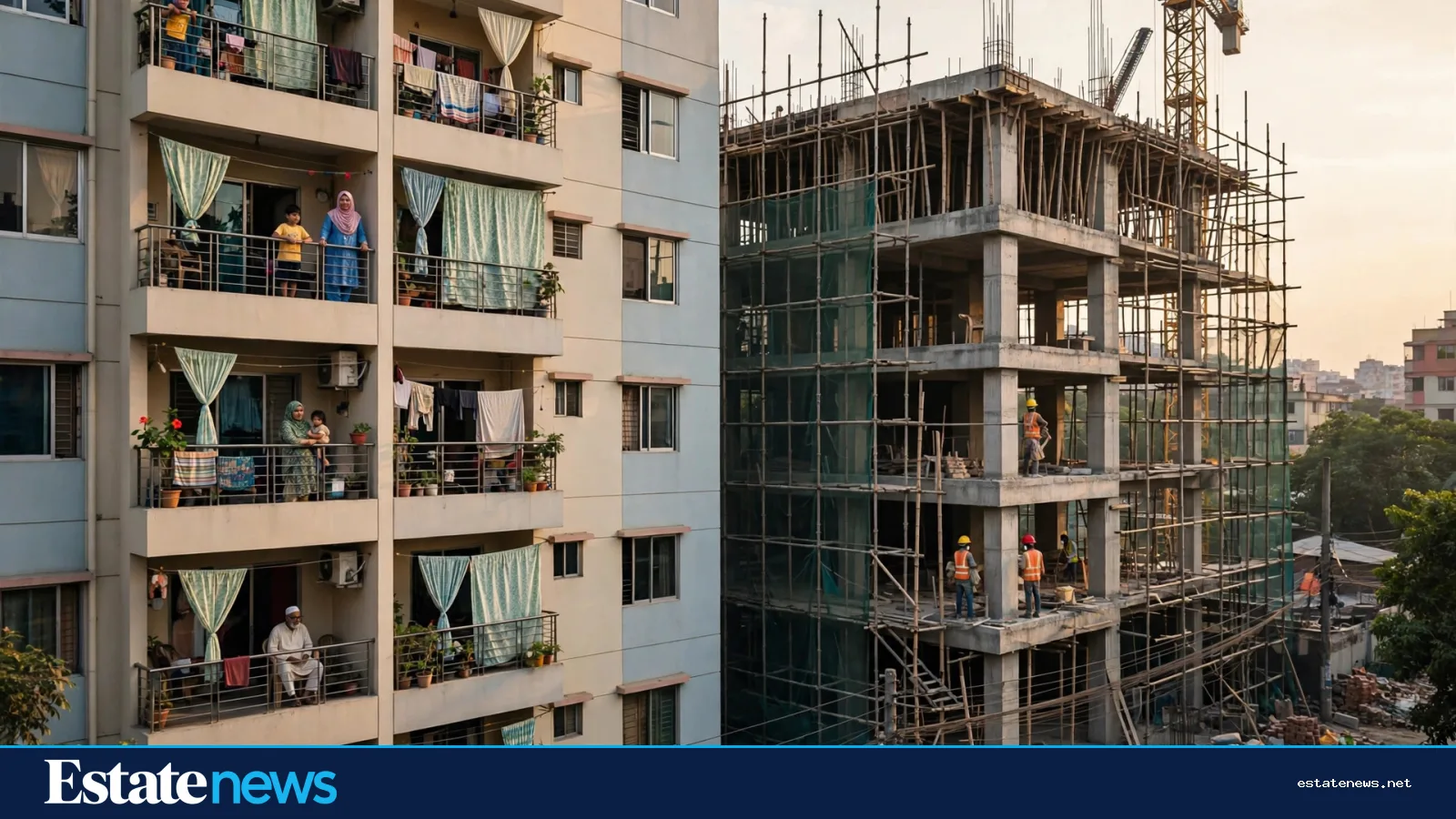
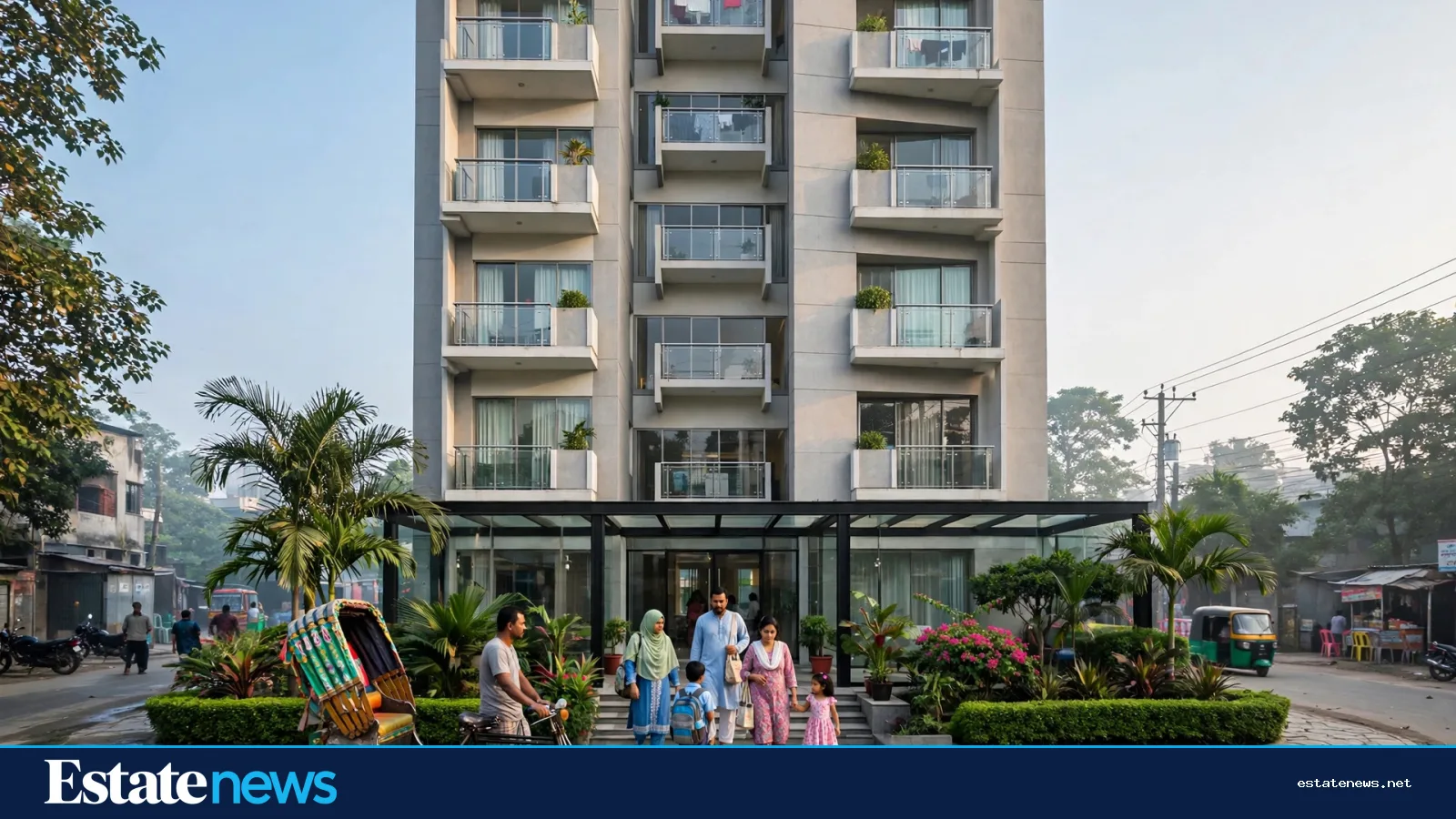
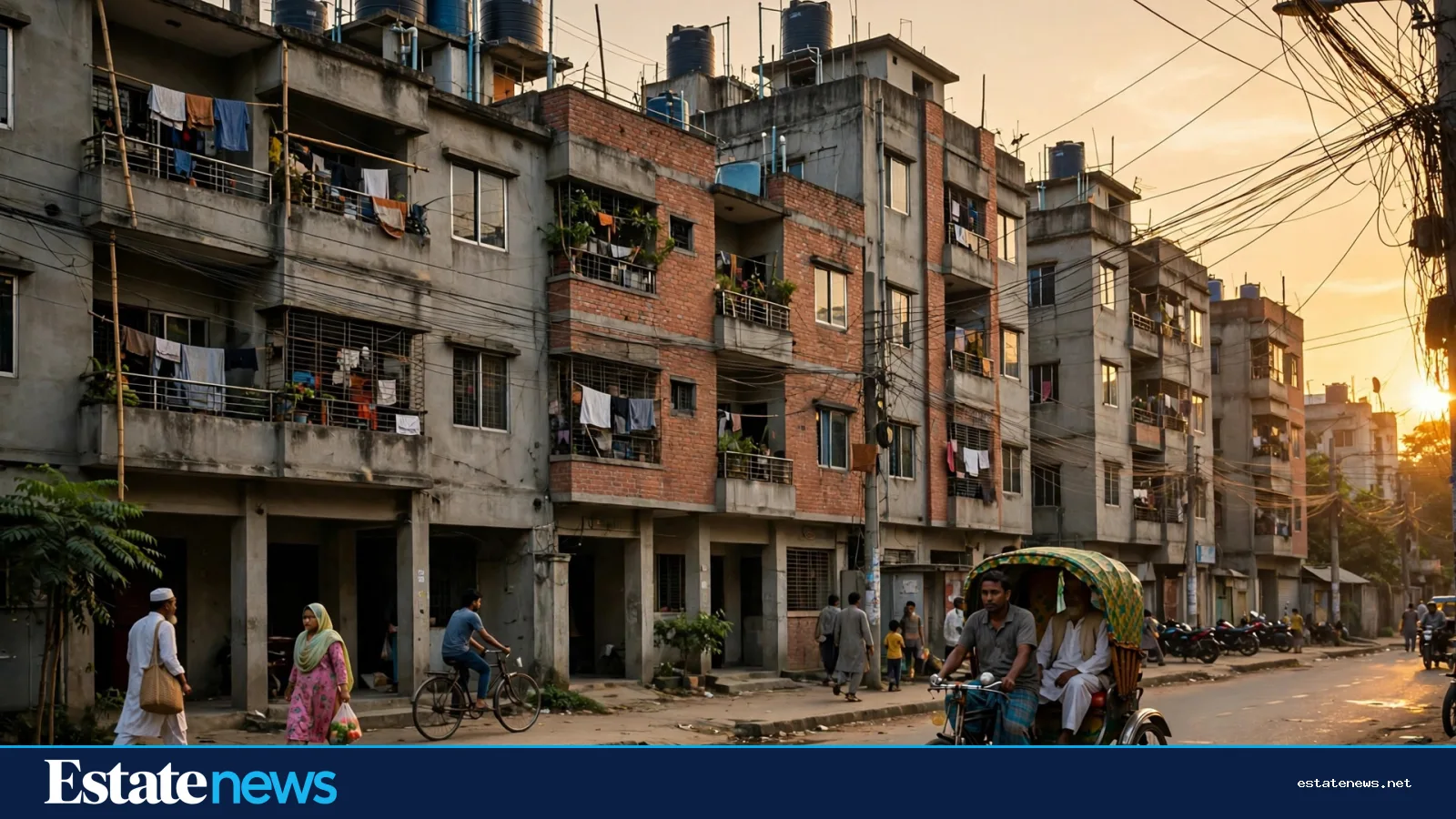
Then comes the building. Age matters, but condition matters more. A ten-year-old building with a working lift, a generator that actually runs during load shedding, and clean common areas sells faster than a newer building where the lift breaks down and the stairwell is dark. Buyers walk through the gate and form a view in minutes. Water is the question they ask first, and a building with a reliable supply and a working pump has an advantage no brochure can give.


Documentation is the quiet deal-breaker. A flat with a clear deed, a mutation in the seller's name and up-to-date tax receipts moves quickly because the buyer's bank and lawyer can clear it without delay. A flat with a missing paper, a disputed share or an unfinished mutation stalls. The buyer does not walk away in anger. The buyer simply buys the other flat, the one whose papers are ready.
Price realism is the last piece, and the hardest for a seller to accept. Many owners price from memory: what the neighbour got three years ago, what the flat cost to build, what the family needs for its next purchase. Buyers price from the market in front of them. When the two numbers disagree, the flat waits. A small cut early often sells a flat faster than a large cut after a year of waiting, because a fresh listing draws attention and a stale one draws suspicion.
There is also the question of who the flat is for. A two-bedroom flat near a university finds tenants and buyers among young families. A large flat in an old building finds a smaller pool. The resale market rewards flats that fit the people actually looking. A seller who knows who the buyer is, and prices for that buyer, has a shorter wait.
Timing plays its part too, though it is smaller than sellers think. A flat listed when several buyers are already looking in the area will move faster than one listed in a quiet month. But timing cannot rescue a flat that is priced above its area or whose papers are incomplete. The sellers who do best treat the first weeks on the market as their strongest moment: the photographs are fresh, the price is realistic, the papers are ready, and every viewing is taken seriously. After months of waiting, the same flat starts to look like a problem, even when nothing about it has changed.
None of this means the slow flats are bad flats. Some are fine homes with the wrong price, the wrong timing or the wrong paperwork. The resale market is not a judge of quality. It is a meeting place between a seller's hopes and a buyer's arithmetic. When the two meet, the sale takes weeks. When they do not, the gate stays locked, and the flat waits for the owner to close the gap.