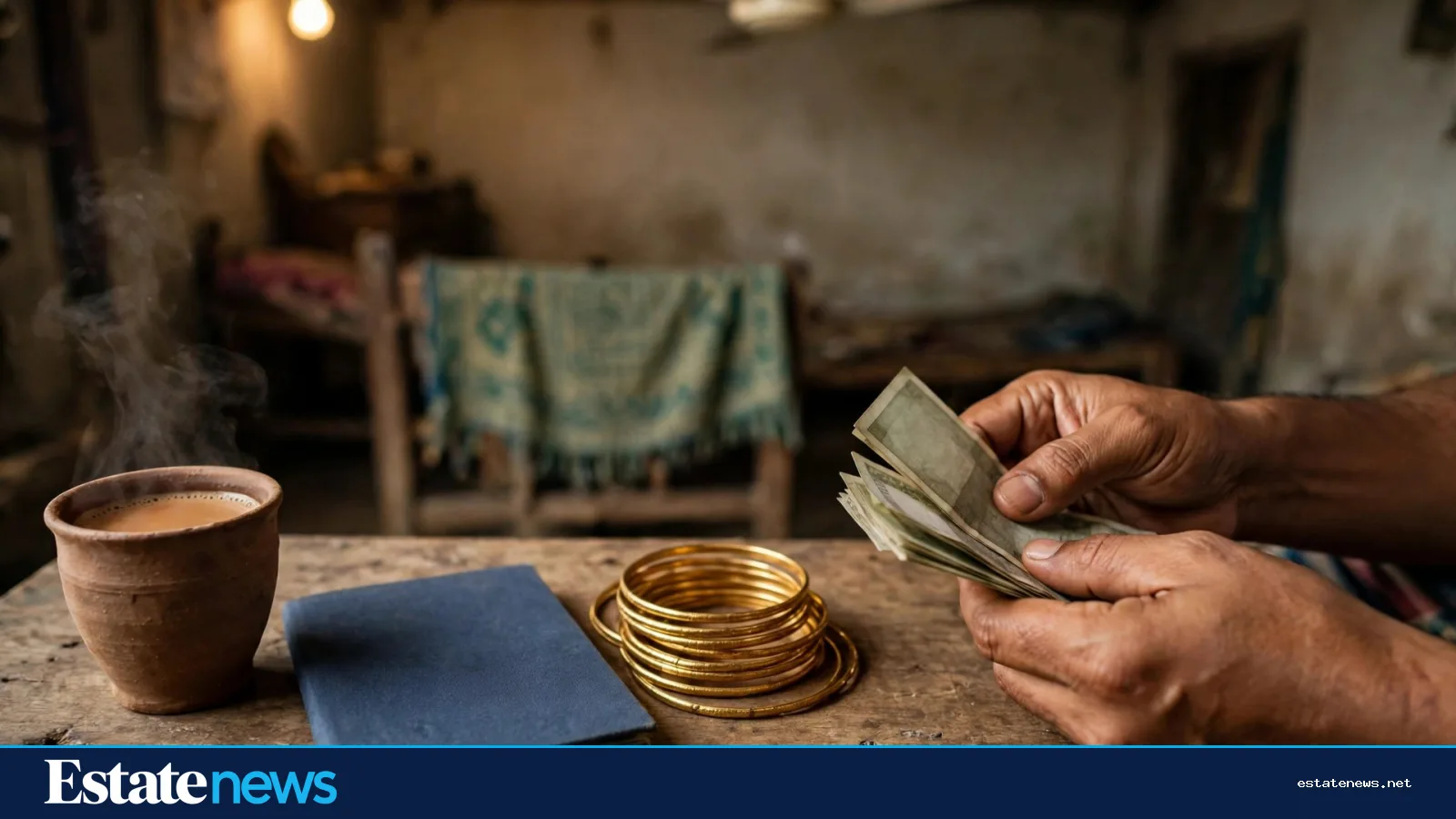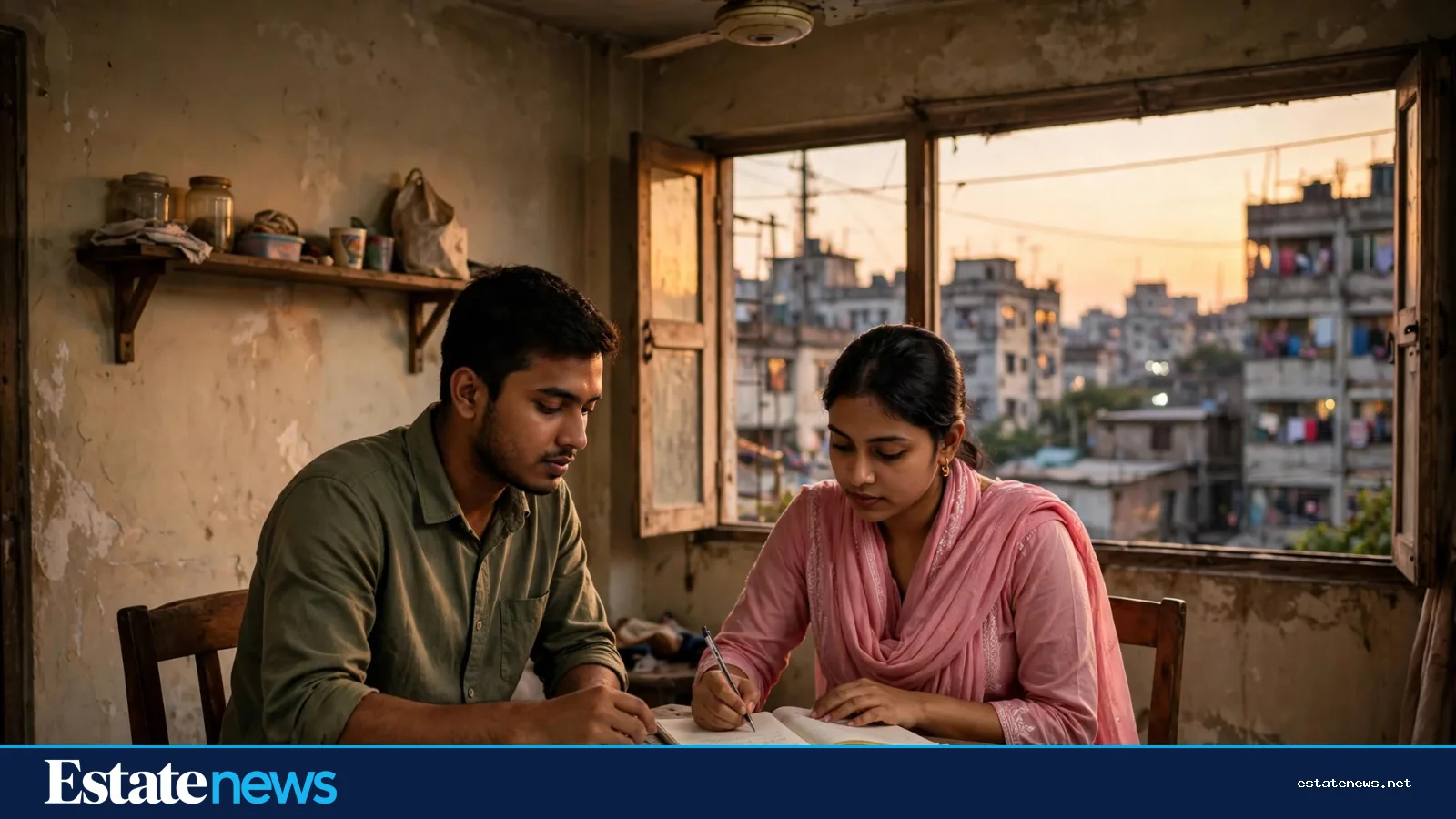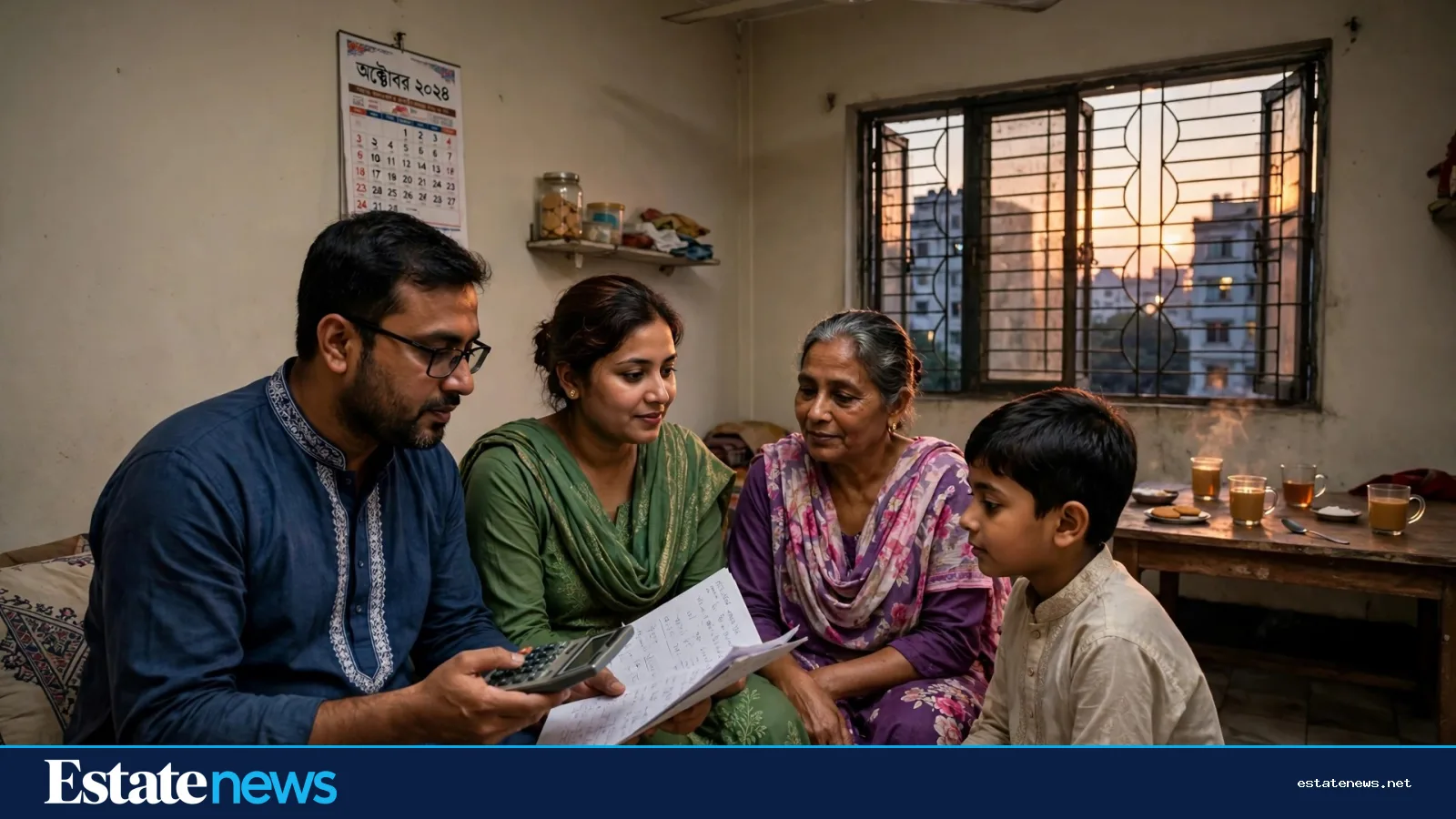

Every flat purchase in Dhaka starts with the same piece of arithmetic. Banks lend up to 70 percent of a flat's price, under the debt-equity rule, and the buyer finds the other 30 percent. The ceiling on a single home loan runs up to Tk 4 crore where the bank's classified housing-loan ratio is 5 percent or below. The numbers sound clean on paper. In a household budget they are the hardest part of buying a home, because the 30 percent has to exist in cash before the bank will move.
Take a Tk 50 lakh flat. The buyer's share is Tk 15 lakh, and the loan covers Tk 35 lakh. On a Tk 70 lakh flat, the share rises to Tk 21 lakh against a loan of Tk 49 lakh. On a Tk 1 crore flat, it is Tk 30 lakh of the buyer's own money. These are examples, and the exact split follows the bank's valuation of the flat, not the price on the brochure. The deposit is only the start of the cash needed. Registration and related costs sit on top of it, so a family should budget beyond the 30 percent, not exactly to it.
Turning a big number into a monthly one

Tk 21 lakh looks impossible as a lump sum. It looks different as a monthly figure. A family that saves Tk 35,000 a month reaches Tk 21 lakh in five years, since 35,000 times 60 months is Tk 21 lakh. A family saving Tk 25,000 a month reaches Tk 15 lakh in the same five years, which covers the buyer’s share on a Tk 50 lakh flat. Stretch the plan to six years and the monthly figure falls further. These are plain sums with no interest counted, and a deposit account will add some interest along the way, but the discipline matters more than the rate.
The practical question is where the monthly figure comes from. Most families find it by naming the flat fund as a fixed outgoing, like rent or a loan instalment, paid on the day the salary arrives. Money left over at the end of the month rarely gets saved. Money moved first usually does. A separate account helps. So does a written date: the month the fund reaches its target, and the month the flat search begins.
What trips savers up

Two things break most down-payment plans. One is time. A family saves for two years, then spends the fund on a wedding or a car, and starts again from nothing. The other is the flat itself. A buyer falls in love with a flat priced above the plan, and the 30 percent jumps beyond reach. Both problems have the same fix: a written target figure and a rule that the fund is not touched for anything else.
The remittance families know this discipline well. Money sent from abroad arrives month after month, and the families that hold it in a separate account watch the flat fund grow. The families that mix it with daily spending find the fund never grows at all. Bangladesh Bank data shows $12.34 billion came in between 1 July and 7 November this financial year, and a large share of it is earmarked for land and flats. The money that becomes a flat is the money that is kept apart.
There is also the question of the loan that follows. Home-loan rates run roughly 9 to 13 percent, with Bangladesh Bank's policy rate at 9.5 percent after the August 2026 cut. A bigger deposit means a smaller loan, and a smaller loan means a smaller monthly instalment for years. Every lakh added to the deposit is a lakh that never pays interest.
Starting now
A family that has not started can start with a small number and raise it each year as pay rises. The first year of saving is the hardest, because the total looks small against the target. By the third year the fund has a shape of its own, and the flat stops being a dream and becomes a date. The 30 percent is not a barrier put up to keep buyers out. It is the part of the purchase that proves the buyer can carry the rest, and it is built one month at a time.
This article is for information only. It is not financial advice, and readers should confirm loan terms and rates with their own bank before deciding.