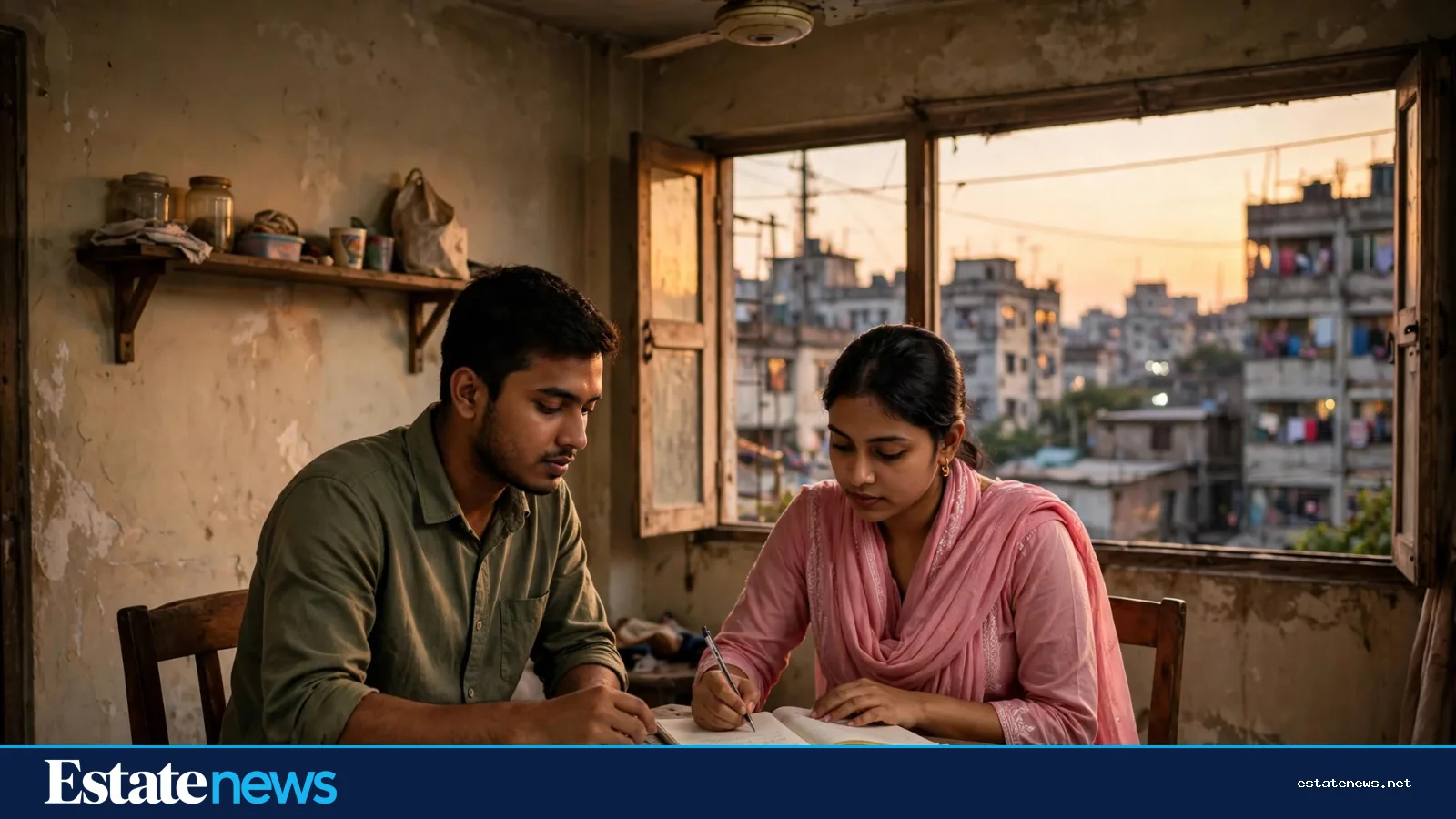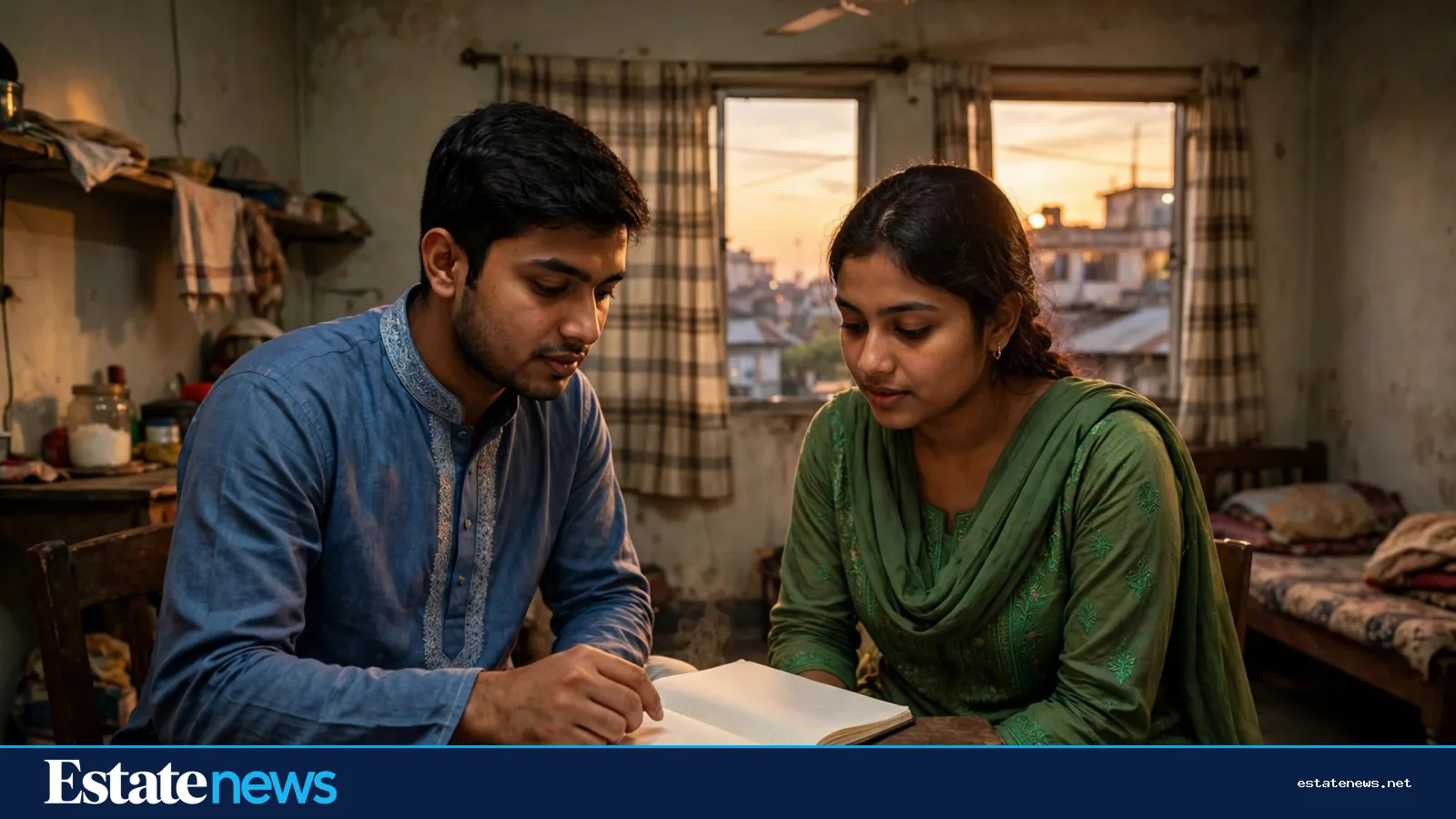
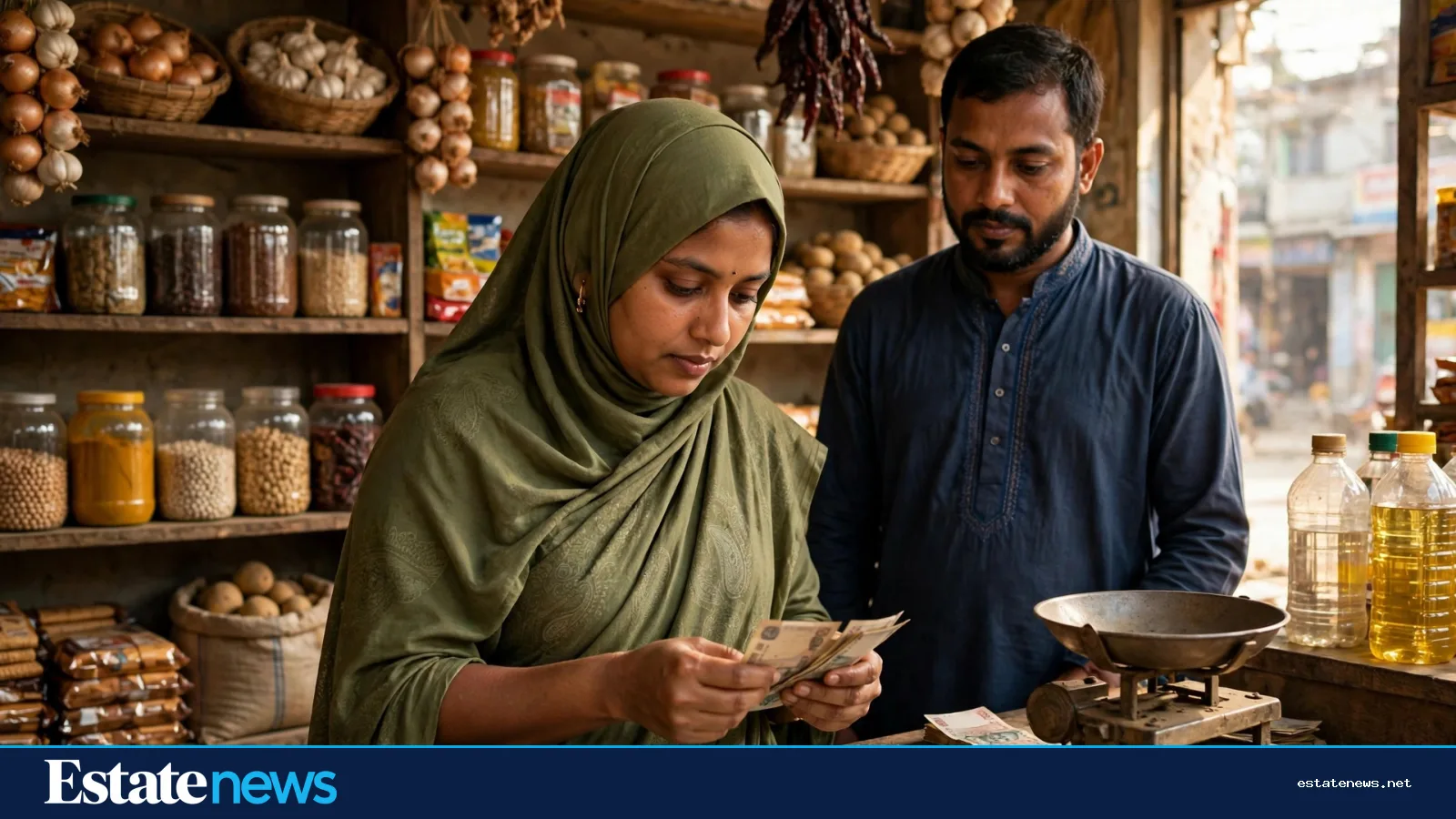
Seven percent money is rare in Bangladesh. Bank loans to small businesses commonly cost double that, and informal borrowing costs far more. A new Bangladesh Bank scheme, announced in a circular from its Financial Inclusion Department on Thursday 12 November, offers it to the people least likely to be offered anything: marginal farmers, small traders, low-income professionals, women entrepreneurs and families living on remittances.
The scheme is a Tk 1,500 crore refinance fund, paid from Bangladesh Bank's own funds, with a five-year tenure. Banks and financial institutions draw from it at 1% interest. They may lend it on at a maximum of 7%, calculated on a reducing balance, so the interest charged falls as the borrower repays. That gap, six percentage points, is the subsidy. It is also the test: whether banks pass it on, or keep the cheap money for their safest customers.
Who qualifies
The list is broad by design. Marginal and landless farmers. Small traders. Low-income professionals. Women entrepreneurs. Disadvantaged groups. Holders of Tk 10, Tk 50 and Tk 100 no-frills accounts, the basic accounts Bangladesh Bank pushed banks to open for the poor. Students with student accounts, borrowing for technical training or higher education against a guardian's guarantee. Families receiving remittances from relatives abroad.
An individual can borrow up to Tk 10 lakh. A group can borrow up to Tk 40 lakh. No property or other security is needed for loans up to Tk 5 lakh. The grace period runs up to six months, and the maximum tenure is five years, or 60 months.
The no-collateral line matters most. A rickshaw garage owner in Narayanganj or a vegetable vendor in Chattogram rarely owns land to pledge. Collateral is the wall that keeps them out of bank credit. A Tk 5 lakh loan without security is small by a bank's standards. For a household business, it is the difference between one sewing machine and three, or between a rented stall and a stall of their own.
What it means for a family's housing budget
This is not a housing scheme. No part of the circular promises a home loan. But money is fungible inside a household, and cheap credit changes housing maths in quiet ways.
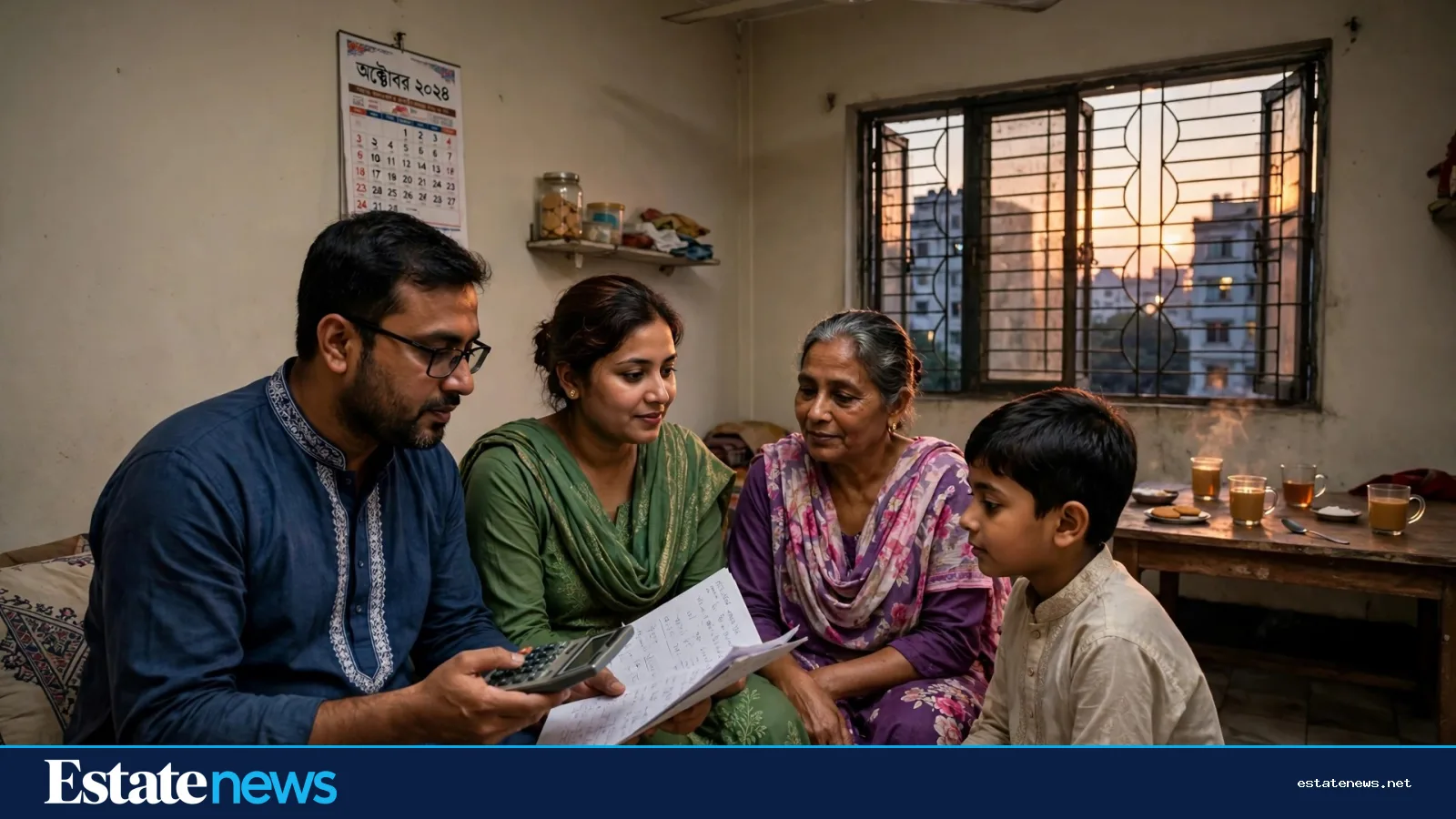
A family that borrows Tk 3 lakh at 7% to expand a small shop, instead of at 18% from an informal lender, saves roughly Tk 33,000 a year in interest on that amount. That saving is a month's rent in many Dhaka neighbourhoods. It is also the start of a down-payment fund. A woman entrepreneur who builds a steady repayment record under this scheme walks into her next loan, including a home loan, with a credit history a bank can read.


Remittance families sit in the same picture. Bangladesh received $12.34 billion in remittances between 1 July and 7 November, according to Bangladesh Bank data, up 13.6% on the same period a year earlier. Much of that money goes into land and flats. A family that can borrow working capital at 7% does not need to divert the remittance money meant for a flat booking into keeping the shop stocked. The fund and the remittance flow do different jobs, and they work better side by side.
The questions to ask your bank
Schemes like this one live or die at the branch counter. The circular sets the terms, but a borrower still has to get past the desk. Three questions are worth asking before applying.
First, is your bank actually drawing from the fund. Not every bank will, and some will move slowly. Ask the branch manager directly whether the scheme is live at that branch.
Second, what does the bank count as security above Tk 5 lakh. The circular removes the collateral demand up to that line. Above it, banks may still ask for security, and the terms will vary.
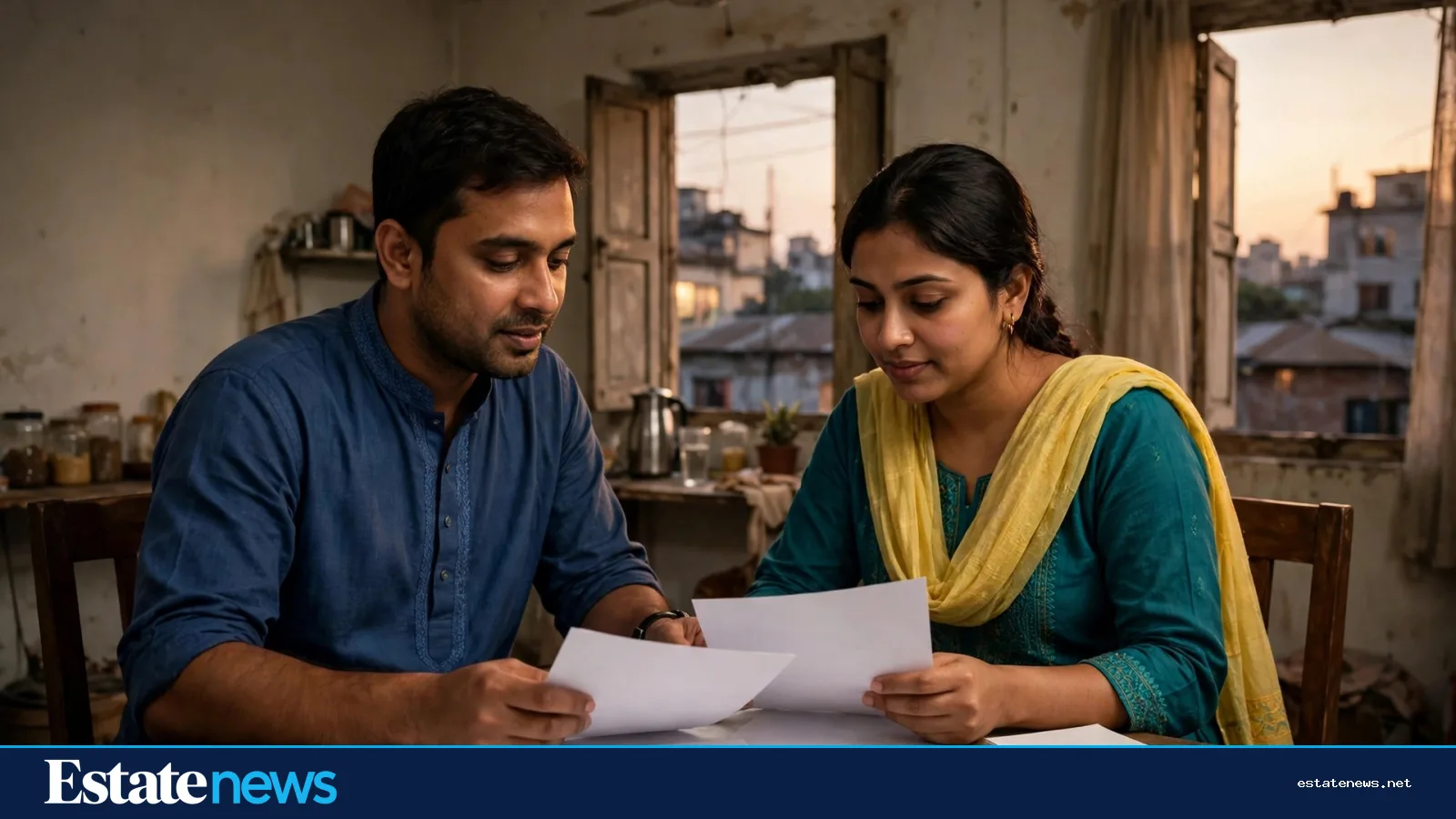
Third, what is the real monthly instalment. Seven percent on a reducing balance over five years with a six-month grace period sounds gentle, and it is, but the instalment still has to fit the household's cash flow. Ask for the repayment schedule in writing before signing.
Bangladesh Bank has put Tk 1,500 crore on the table at 1%. The next five years will show whether it reaches the farmers, traders and women entrepreneurs named in the circular, or whether it stays in the accounts of banks that were already lending. The terms are the best formal credit most small households will ever be offered. The follow-through is the story to watch.
This article is for information only. It is not financial advice. Terms are as set out in Bangladesh Bank's circular of 12 November 2026; confirm the current terms with your bank before applying.