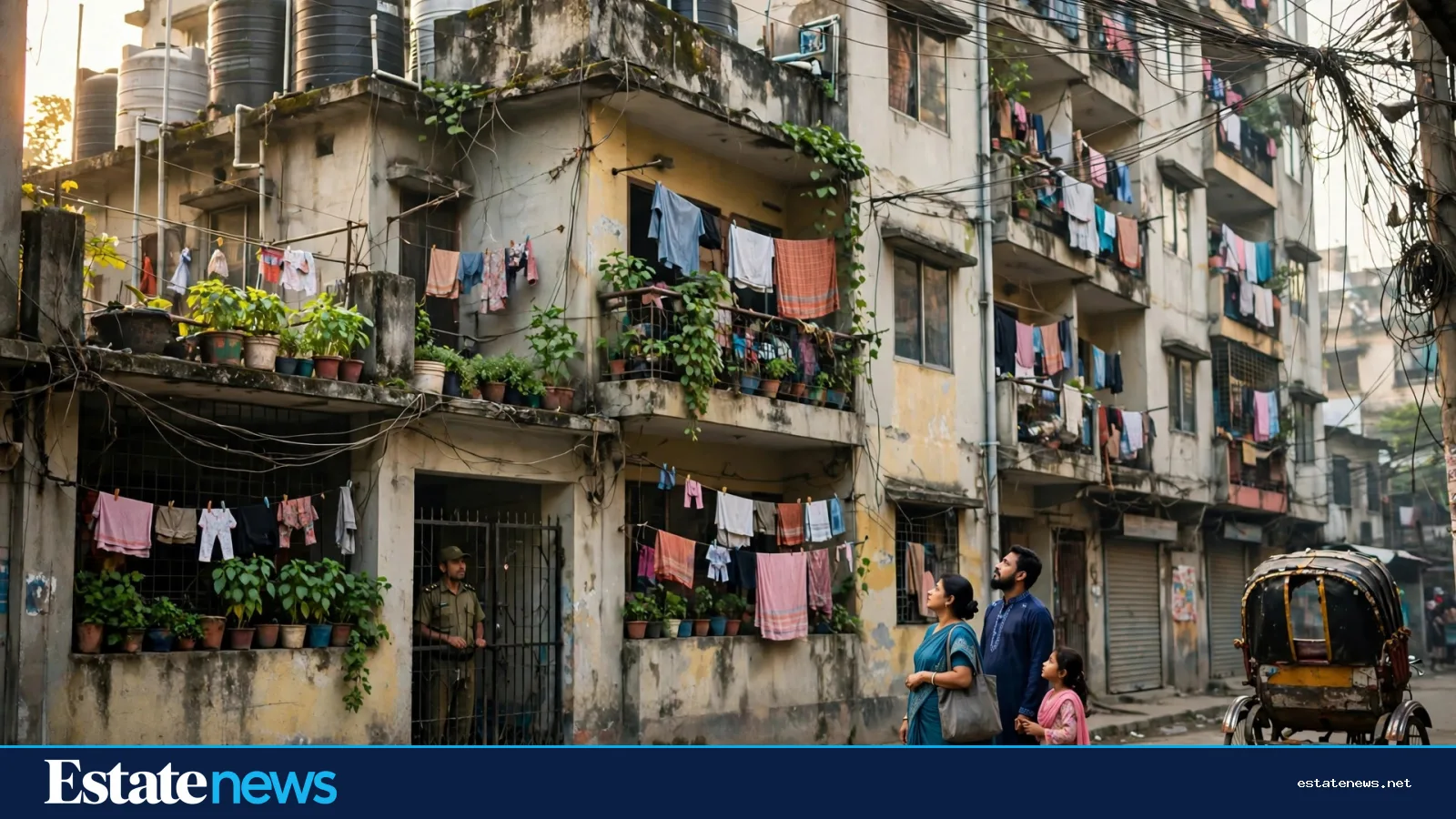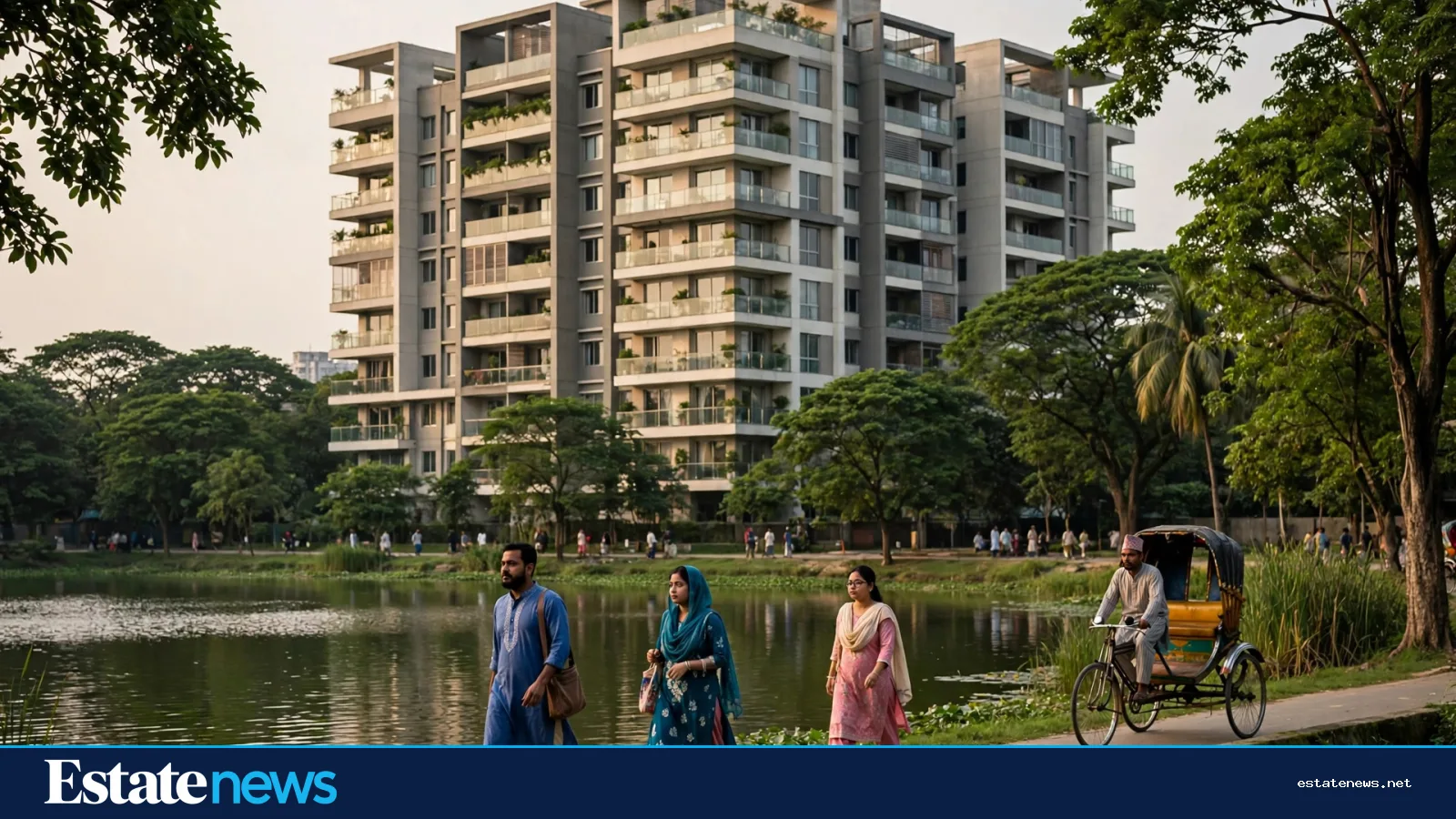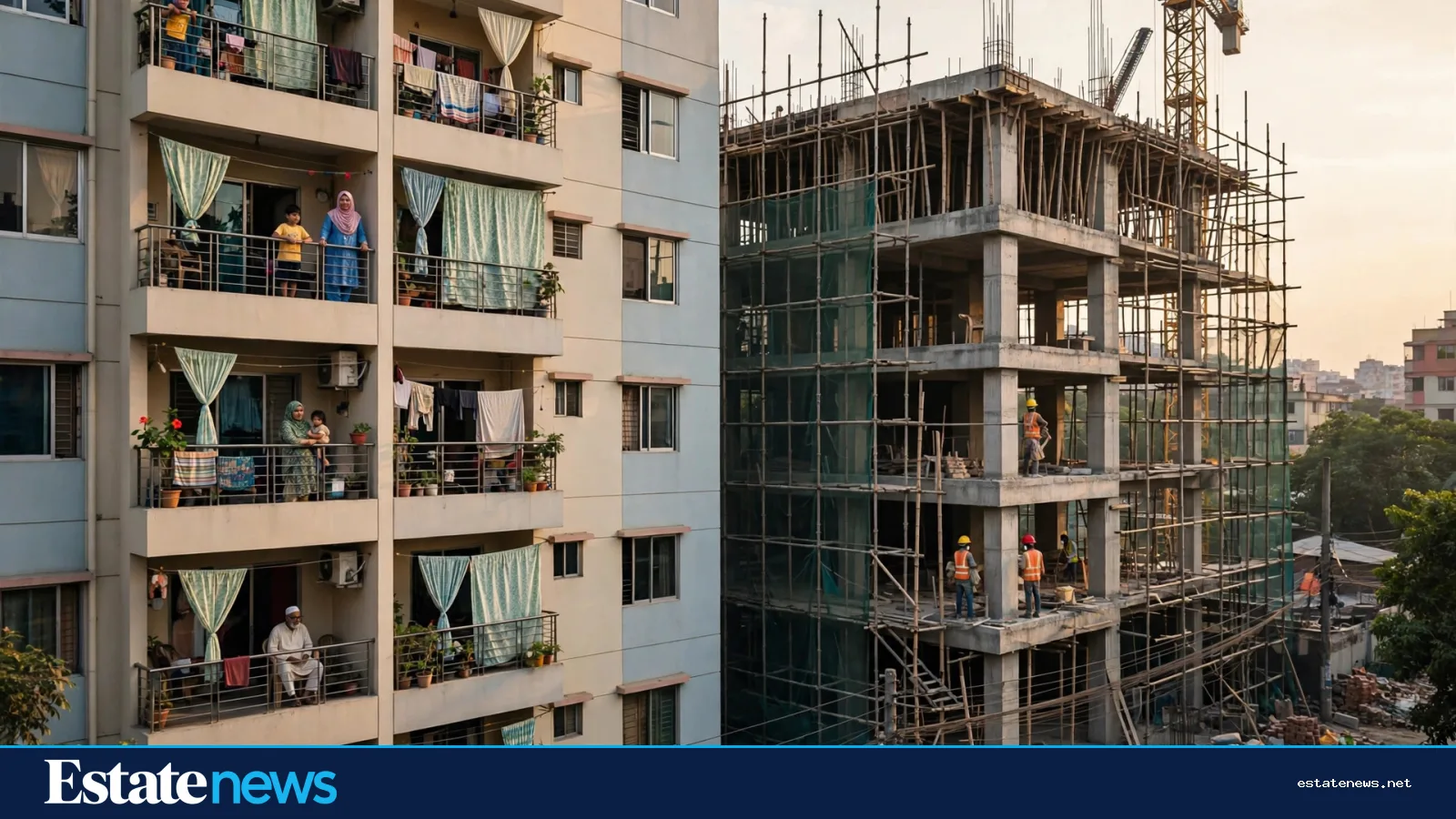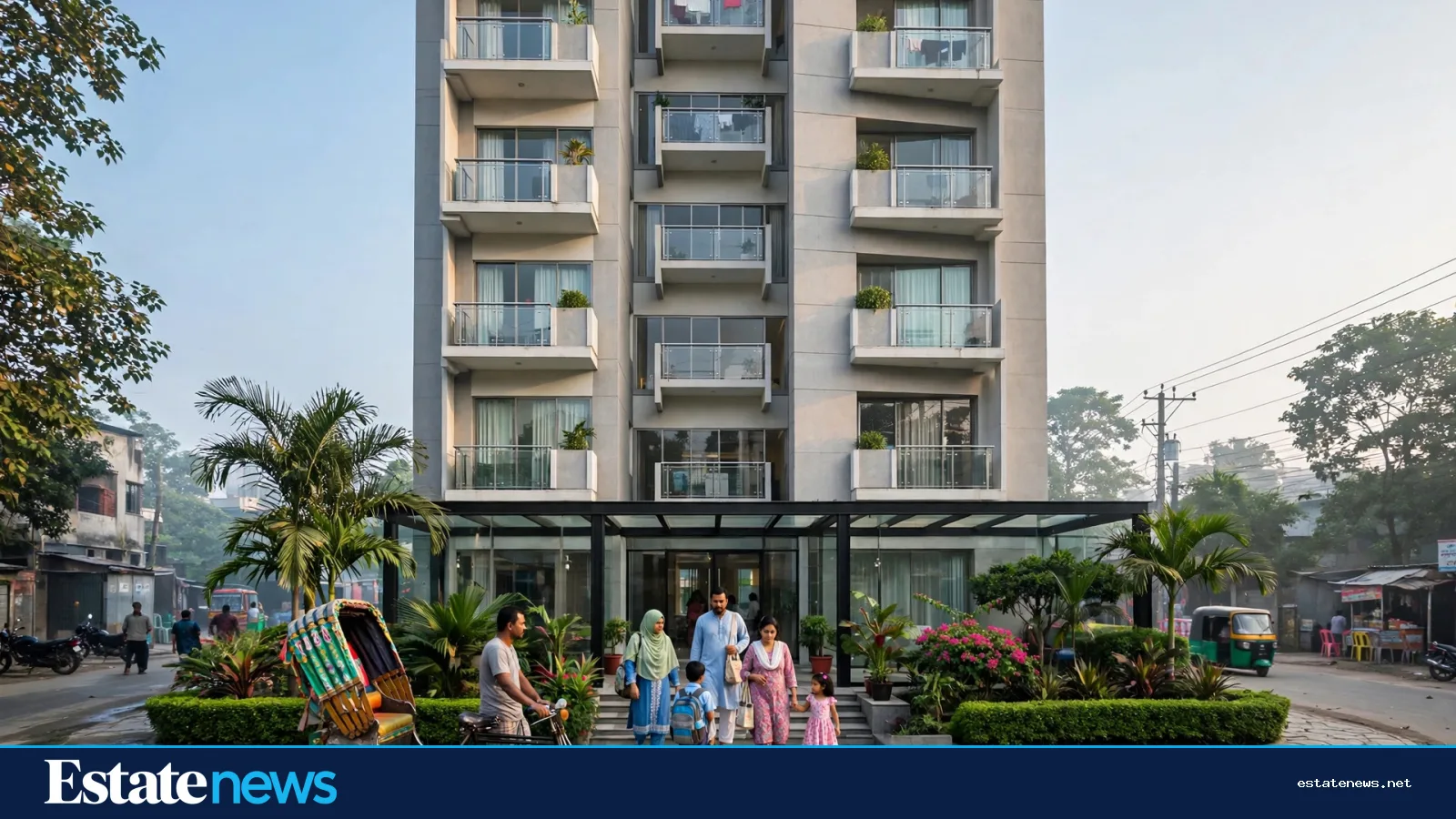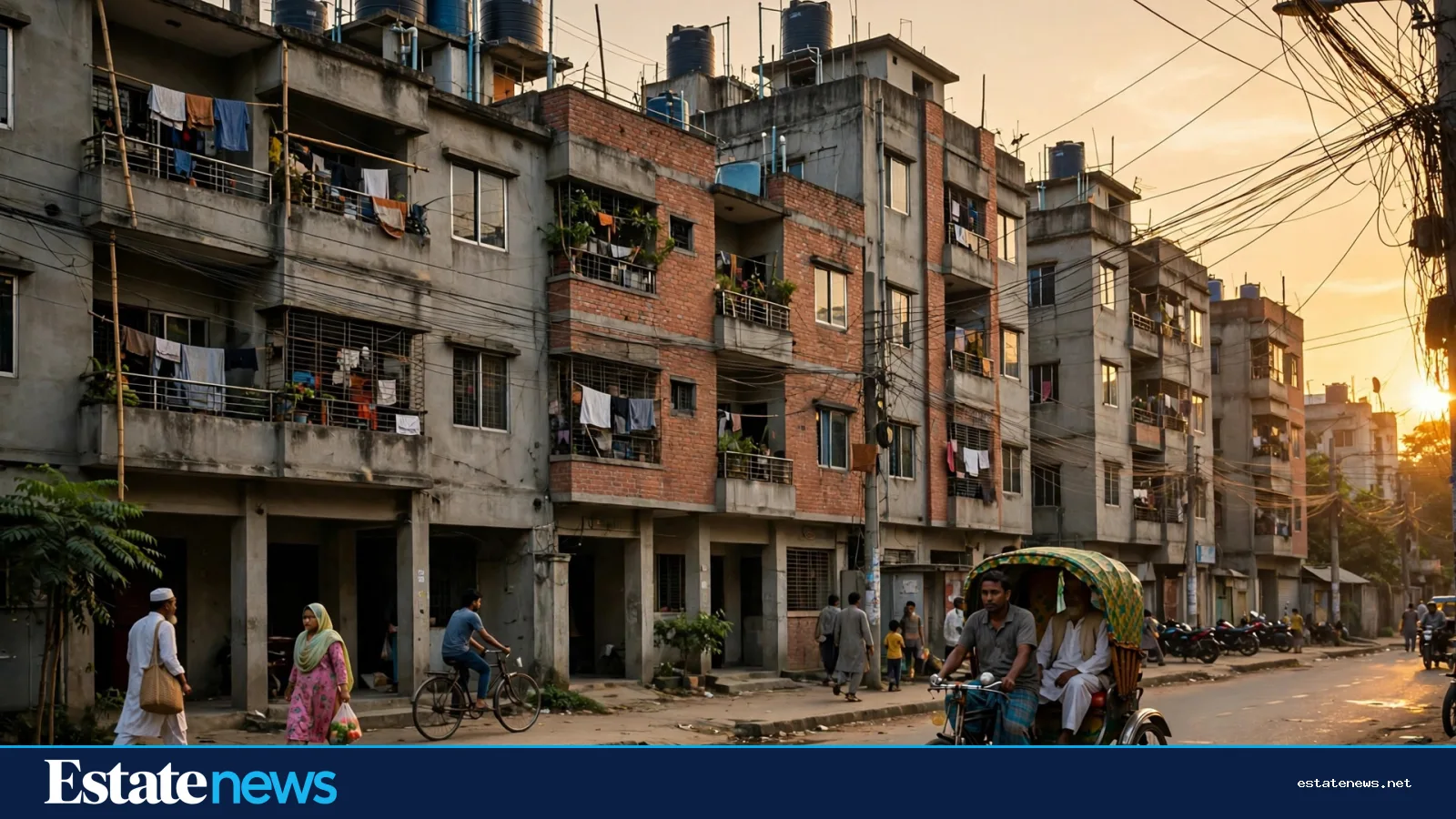
A buyer with Tk 1 crore in hand can shop in most of Dhaka. A buyer with the same money in Gulshan is still looking at the smaller end of the market. That is the plain reading of November's asking prices, taken from current public sale listings and counted as of 12 November.
The figures below are asking prices: the per-square-foot rates sellers have listed, not the prices flats finally changed hands at. Asking and transaction prices are different numbers. No public record of completed flat sales by area exists in Dhaka, so the asking median is the closest honest guide to what sellers want right now. Treat it as the starting point of a negotiation, not the value of a flat.
Gulshan still sets the ceiling

Gulshan's asking median stood at Tk 22,184 per square foot in the November sample, drawn from 11 current listings. Banani followed at Tk 15,000, from 7 listings. Bashundhara Residential Area came in at Tk 12,005, from the largest sample of 16 listings. Dhanmondi sat at Tk 10,901 from 8 listings, Mirpur at Tk 9,268 from 8, and Uttara at Tk 7,833 from 9.
The spread is the story. Gulshan asks nearly three times what Uttara asks for the same square foot. Part of that is land: Gulshan plots are scarce and the area carries embassies, corporate offices and a lake. Part of it is the age and size of the stock on the market this month. Small samples move the median, and Banani's 7 listings make its figure the least steady of the six. Read the Banani number with that in mind.
Bashundhara deserves a second look. Its median of Tk 12,005 sits above Dhanmondi, and its sample is the biggest of the six areas. The area has grown into a full residential city of its own, with schools, hospitals and shopping inside its boundary. Buyers who once compared it with Uttara on price now compare it with Dhanmondi.
What the medians do not say


A median hides as much as it shows. It says nothing about the floor, the facing, the age of the building, or whether the gas line is piped or cylinder. A ten-year-old flat in Dhanmondi with a south-facing balcony and a working lift can list above a new flat two lanes away with a dark stairwell. Location within the area matters as much as the area itself.
It also says nothing about how long a listing has sat there. A flat listed at Tk 15,000 a square foot in Banani may have been listed at that rate for six months. A flat listed at Tk 9,000 in Mirpur may sell in a fortnight. Asking data measures sellers' hopes. The time a listing spends on the market measures the gap between those hopes and what buyers will pay.
Construction costs set a floor under the whole market. Steel rod was selling at about Tk 93,500 a tonne in Dhaka retail in October, according to Trading Corporation of Bangladesh data carried by the Financial Express, and a bag of cement at about Tk 560. Those are the published-range midpoints, not a quote for any single shop. When material costs stay high, developers have little room to cut asking prices on new flats, and resale sellers watch new-flat prices before they set their own.
How to use these numbers
Use the medians as a map, not a price tag. Before you visit a flat, check where its area sits in the table and where the building sits inside the area. A listing far above its area median needs a reason: a corner plot, a lake view, a recent renovation, a floor that catches the breeze. A listing far below it needs a different kind of question: what is wrong, and has the paperwork been checked.
Then negotiate from the transaction, not the advertisement. Ask the developer or seller what similar flats in the same building actually sold for, and when. Ask the bank what it valued the flat at, since lenders value on their own survey. A seller's asking price is an opening. The bank's valuation and the last real sale in the building are the ground under it.
November's table will move again next month. New listings arrive daily, and a handful of expensive listings in a small sample can lift a median without a single sale behind it. The pattern to watch is not one month's number. It is whether the gap between Gulshan and Uttara keeps widening, and whether Bashundhara keeps climbing toward Dhanmondi. For now, the asking data says Dhaka is not one market. It is six, priced very differently, and buyers should shop accordingly.