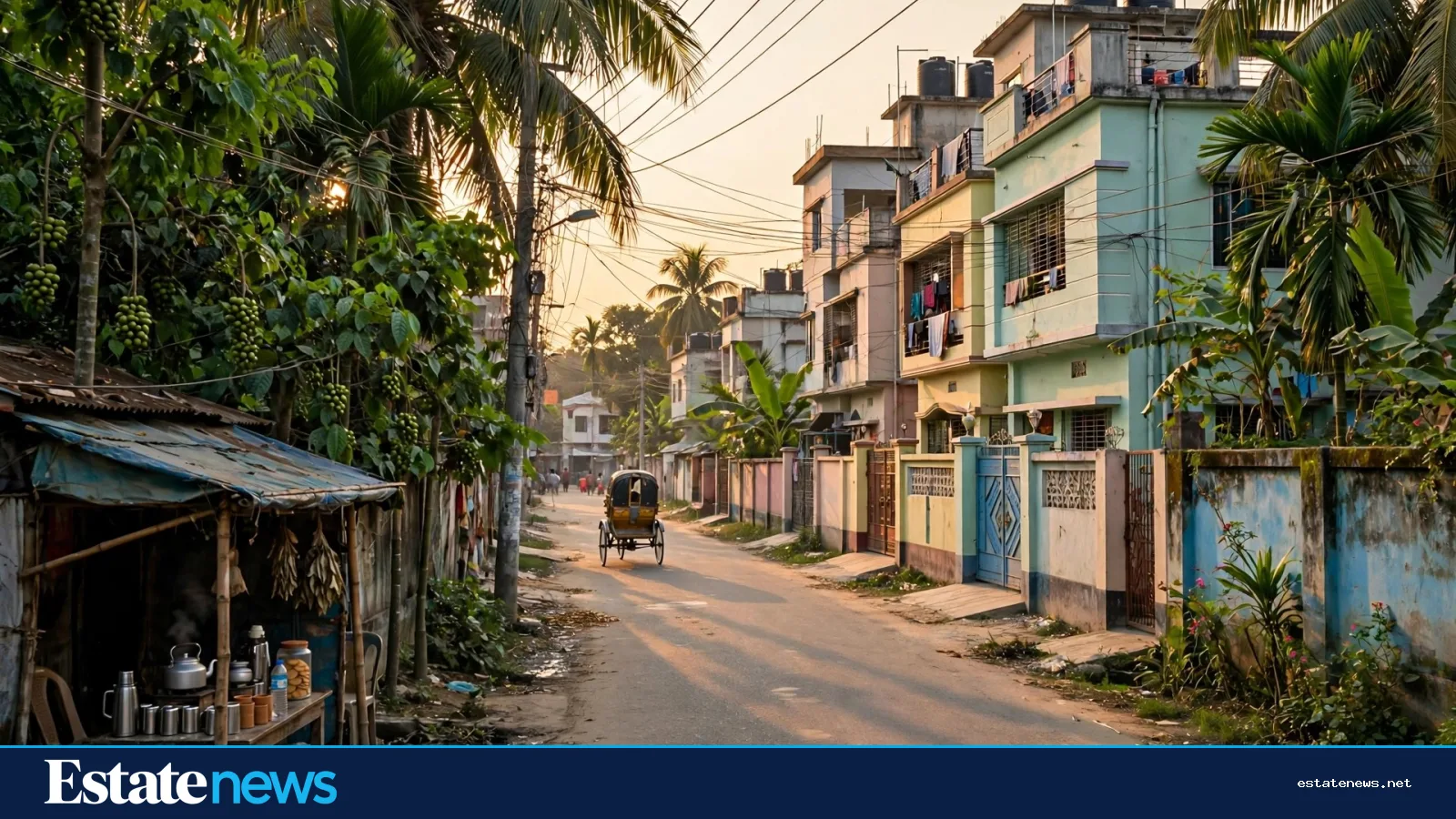
The light goes first in Sylhet. It drops behind the tea gardens and the low hills, and the lanes fill with the sound of rickshaw bells and the call to prayer. Gates open onto courtyards. Behind painted walls, houses stand two and three storeys high, their balconies strung with lights, their rooftops crowded with water tanks. Some of them are full of families. Some of them are quiet, their windows dark, waiting for owners who live six thousand miles away.
This is a city built twice. Once by the people who live in it, and once by the people who left it. Sylhet's houses are the most visible thing the Bangladeshi diaspora ever made, and they keep remaking the city, street by street, year after year.
The connection runs back to the 1950s and 1960s, when Sylheti men began travelling to Britain in large numbers for work, settling first in London's East End and then across the country. Chain migration followed. One brother sent for the next, then a cousin, then a whole village. Today, an estimated 95 per cent of British Bangladeshis trace their roots to Sylhet, according to the academic research on the community. Brick Lane in London became, in the words of one London-based writer, a small Sylhet of its own.

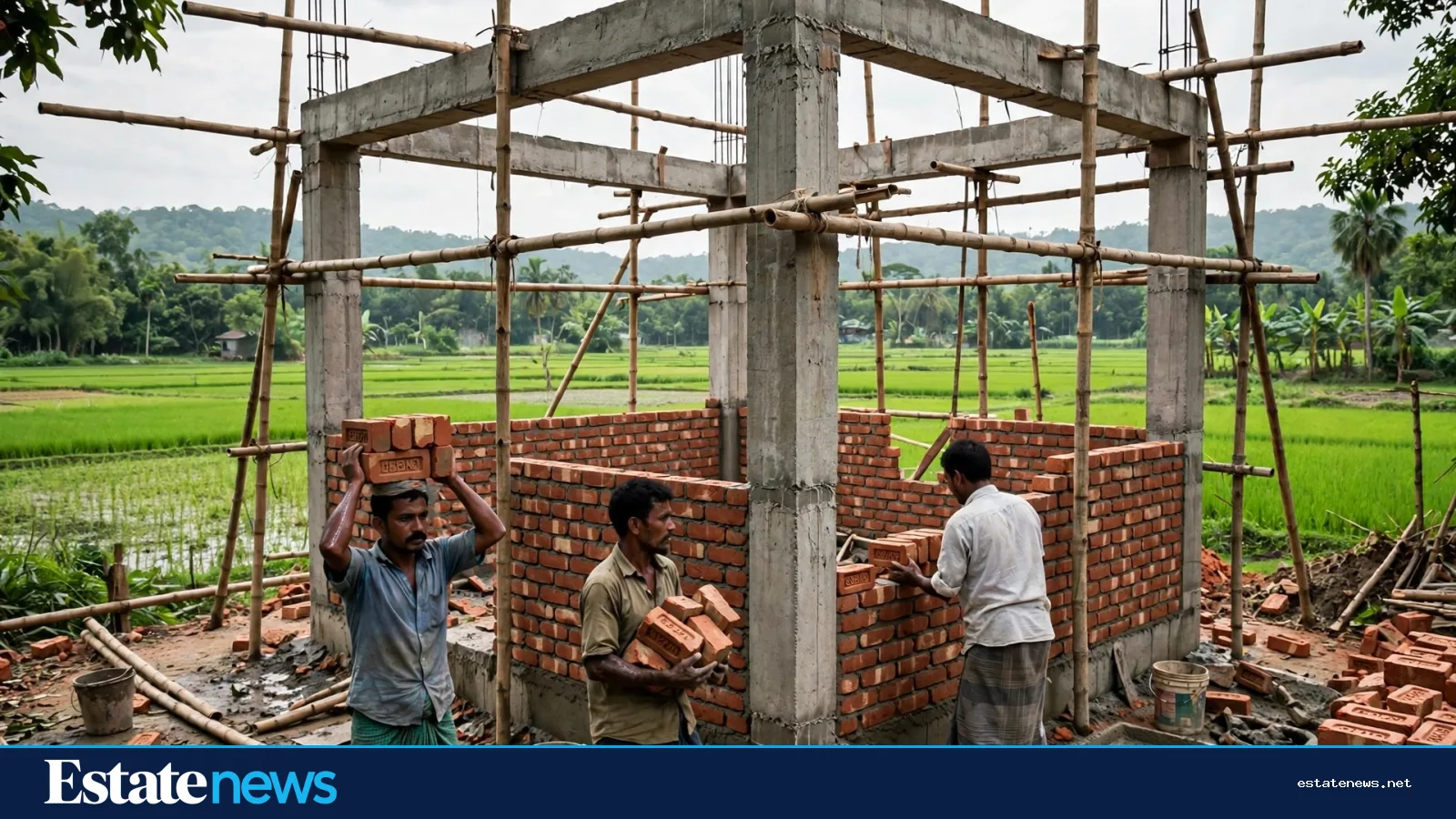
The money came home before the people did. For decades, the first thing a Sylheti family abroad did with its earnings was buy land and build a house. A Daily Star report from 2008 described the pattern plainly: in the villages of Sylhet, you did not have to travel far to find a newly built house, complete with a neat wall and an imposing entrance, belonging to the family of someone living abroad. Millions of remitted pounds and dollars went into homes, plots and apartments, and into mosques, colleges and shopping malls as well.
The house comes first
The scale of that building is hard to overstate. A study by the Bangladesh Institute of Planners, reported by The Business Standard in 2022, estimated that about 20 per cent of the inward remittance in the 2020-21 fiscal year went into housing, close to Tk 40,000 crore. The same study found that expatriates bought luxury apartments worth around Tk 8,000 crore in that year, and about half of the old flats sold across the country. In the greater Sylhet area, real estate businesspeople told the paper, about 80 per cent of new investment in housing came from expatriates.
Those are figures from one year, and they belong to that year. They still explain what a visitor sees. A family that earns in pounds builds in brick and concrete, and it builds for the long term: a house for parents, rooms for children who may come back, a gate wide enough for a car that may arrive one day.
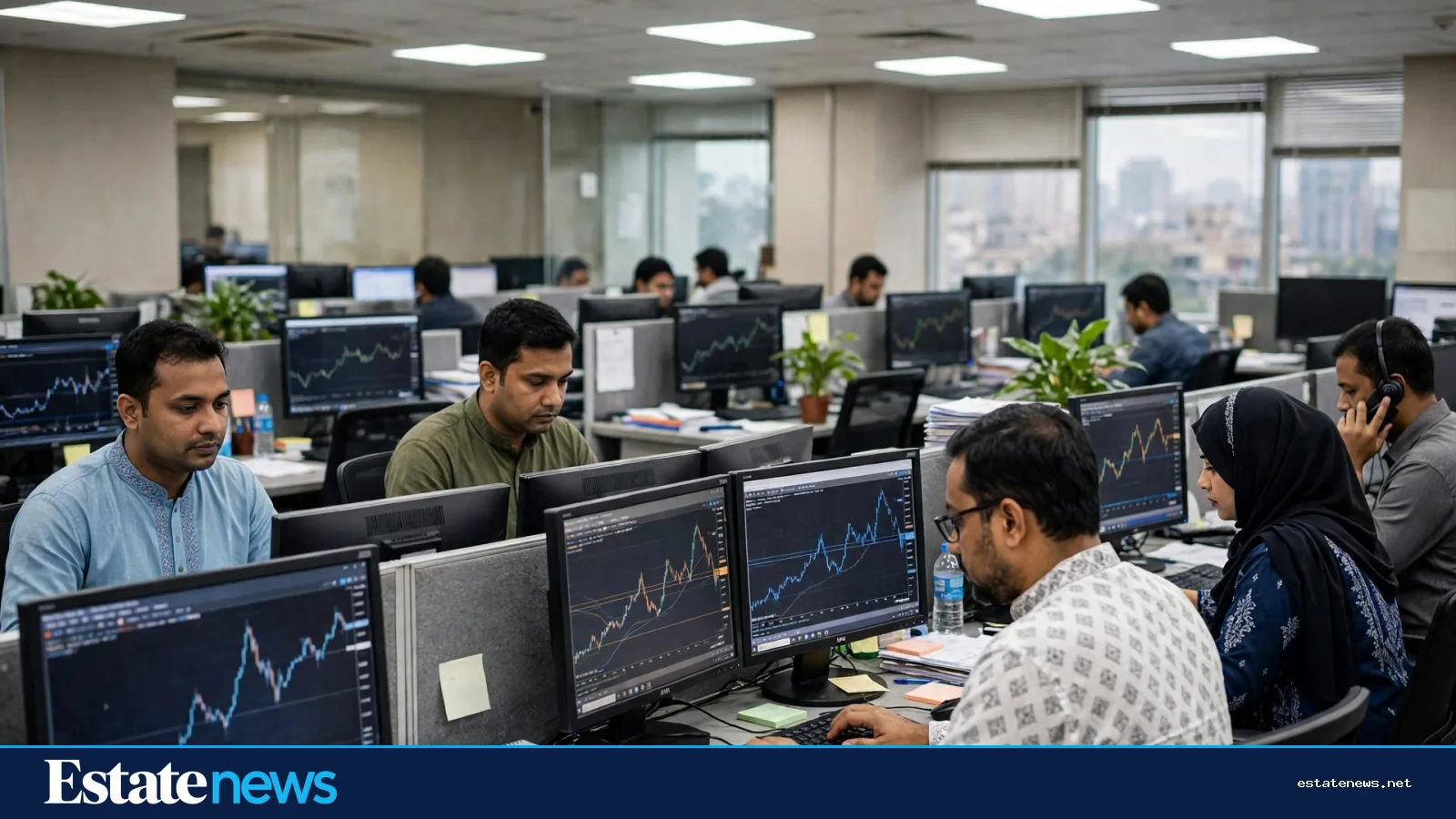
Bangladesh Bank data shows the flow behind all of it is still rising. Remittance reached $12.34 billion between 1 July and 7 November this fiscal year, up 13.6 per cent on $10.87 billion in the same stretch a year earlier. The previous fiscal year set a record of $35.59 billion. Not all of that money becomes a house. Much of it pays for food, school fees and medicine. But the share that does become a house is the share you can see from the street.
A street that changed its shape
The houses changed the look of Sylhet itself. The old tin-roofed homestead gave way to the concrete house with a boundary wall, a gate and a second floor left ready for the next generation. Researchers who studied Sylhet's housing found that the style of emigrants' houses picked up touches from Britain: different room layouts, different fittings, a different idea of what a front room is for. The house became a message as much as a shelter. It told the village that the family abroad was doing well, and it told the family abroad that home was still theirs.


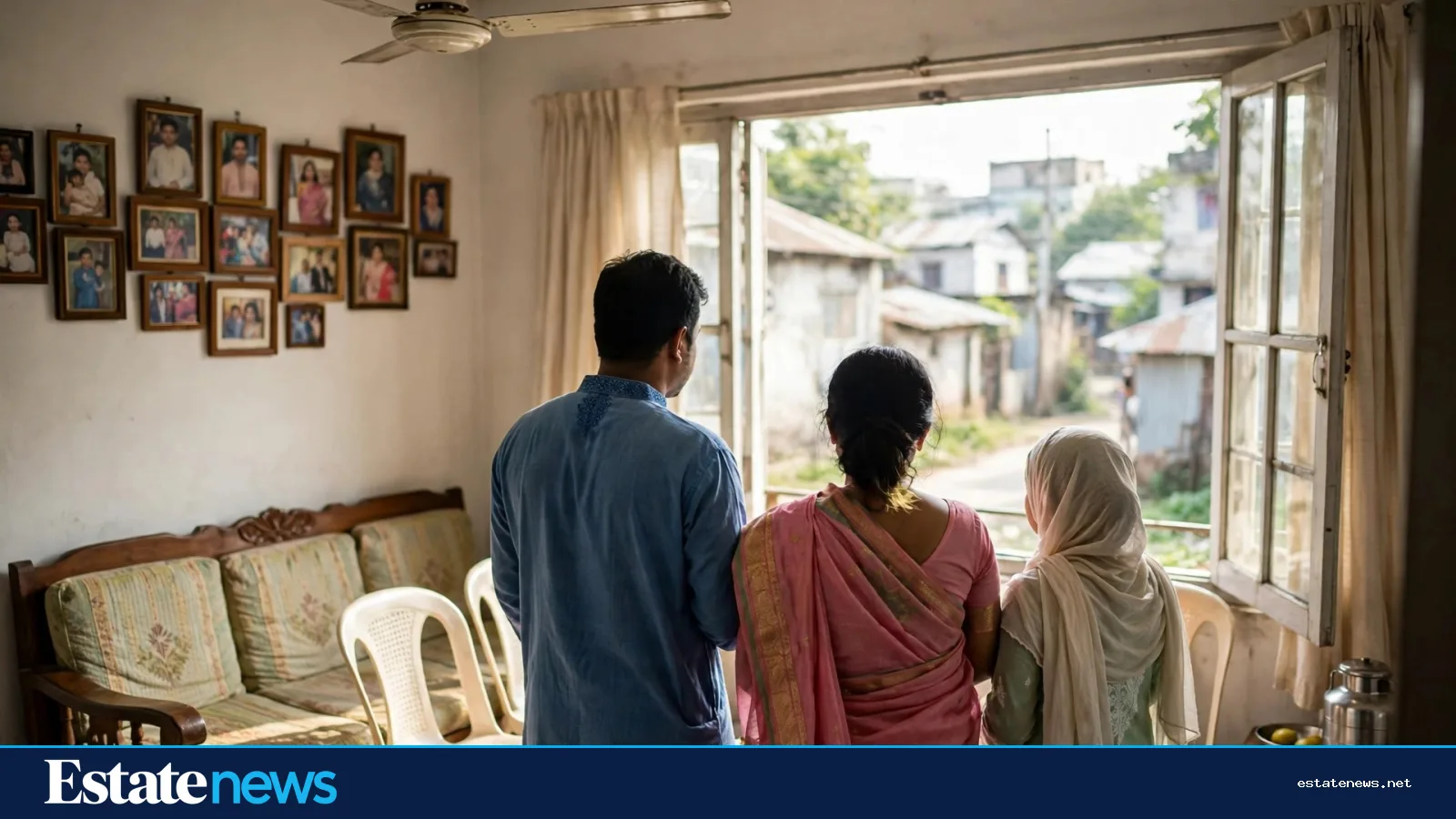
That message has a cost. Some of the grandest houses stand empty for most of the year. A London-based columnist writing in 2019 noted big houses in the Uposhohar area standing vacant, and upper floors of shopping centres unoccupied. The money built the house, but no one lives in it. Caretakers keep the keys. Relatives water the plants. The house waits for a summer visit, a wedding, a retirement that may or may not come.
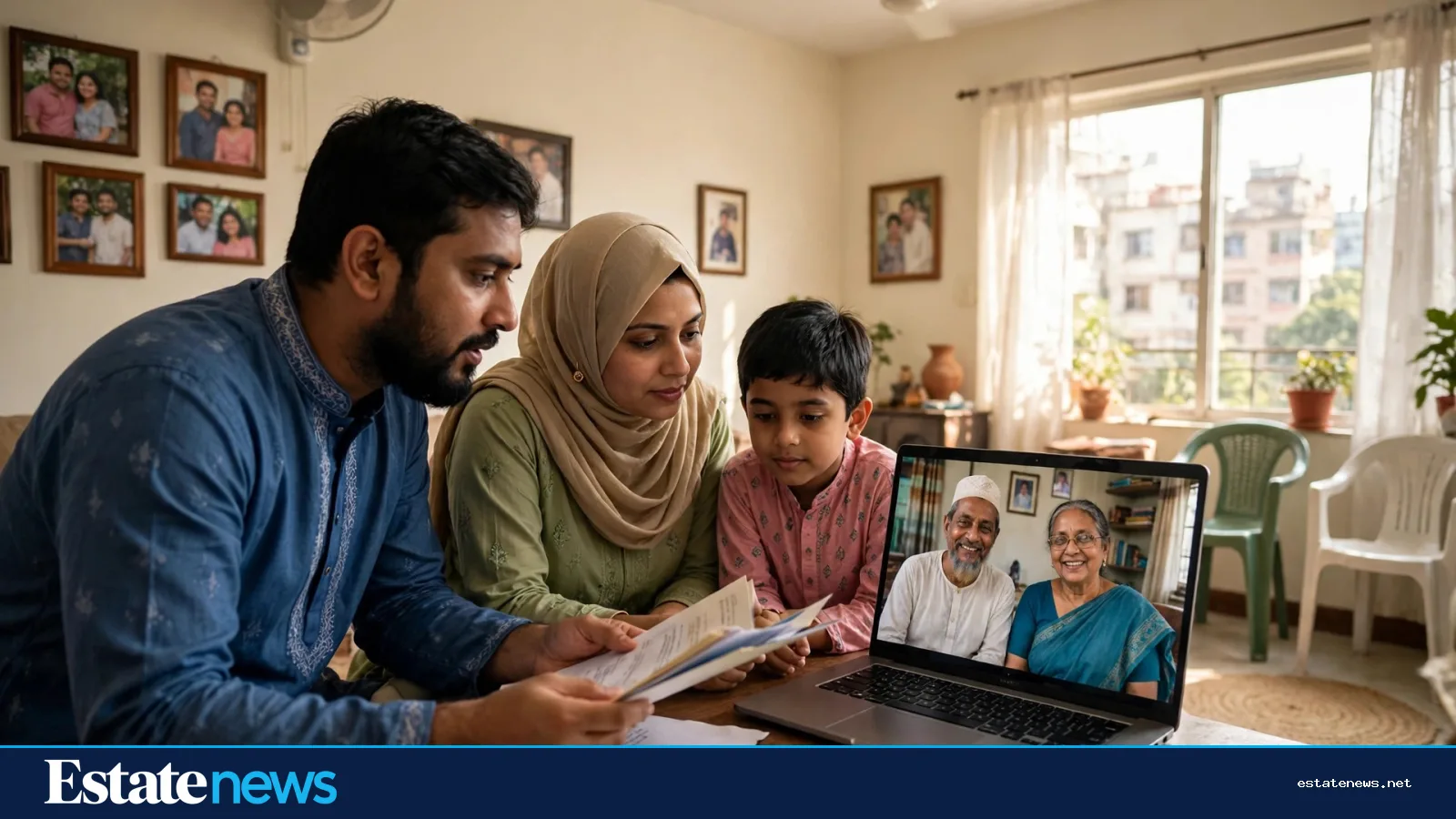
There is a harder edge to the same story. Academic research on British-Bangladeshi families has documented disputes over land and houses in rural Sylhet: papers held by one relative, a plot sold without the owner knowing, a boundary moved while the owner was abroad. These are not stories about strangers. They are stories about families, and they are the reason the paperwork around a Sylhet house matters as much as the bricks. A house built from abroad needs someone at home who can be trusted with it, and documents that hold up when that trust fails.
From houses to businesses
The pattern is shifting, and the shift matters for what Sylhet becomes next. The same 2008 Daily Star report that described the village houses also recorded a new wave: Sylheti NRBs putting money into businesses rather than only into homes. The Dhaka Regency hotel, a 300-room five-star property, was built largely with money from Sylhetis living in the UK, around 8.5 million pounds invested at the time. United Airways, a private domestic airline, was funded by Sylheti NRBs mainly from the UK. Hotels, timber yards, kitchenware, shopping malls: the money began to work instead of only standing still in walls.
That shift has not replaced the house. It sits beside it. A family still builds the house first, then asks what else the money could do. The house is the anchor. The business is the bet that comes after.
What the building leaves behind
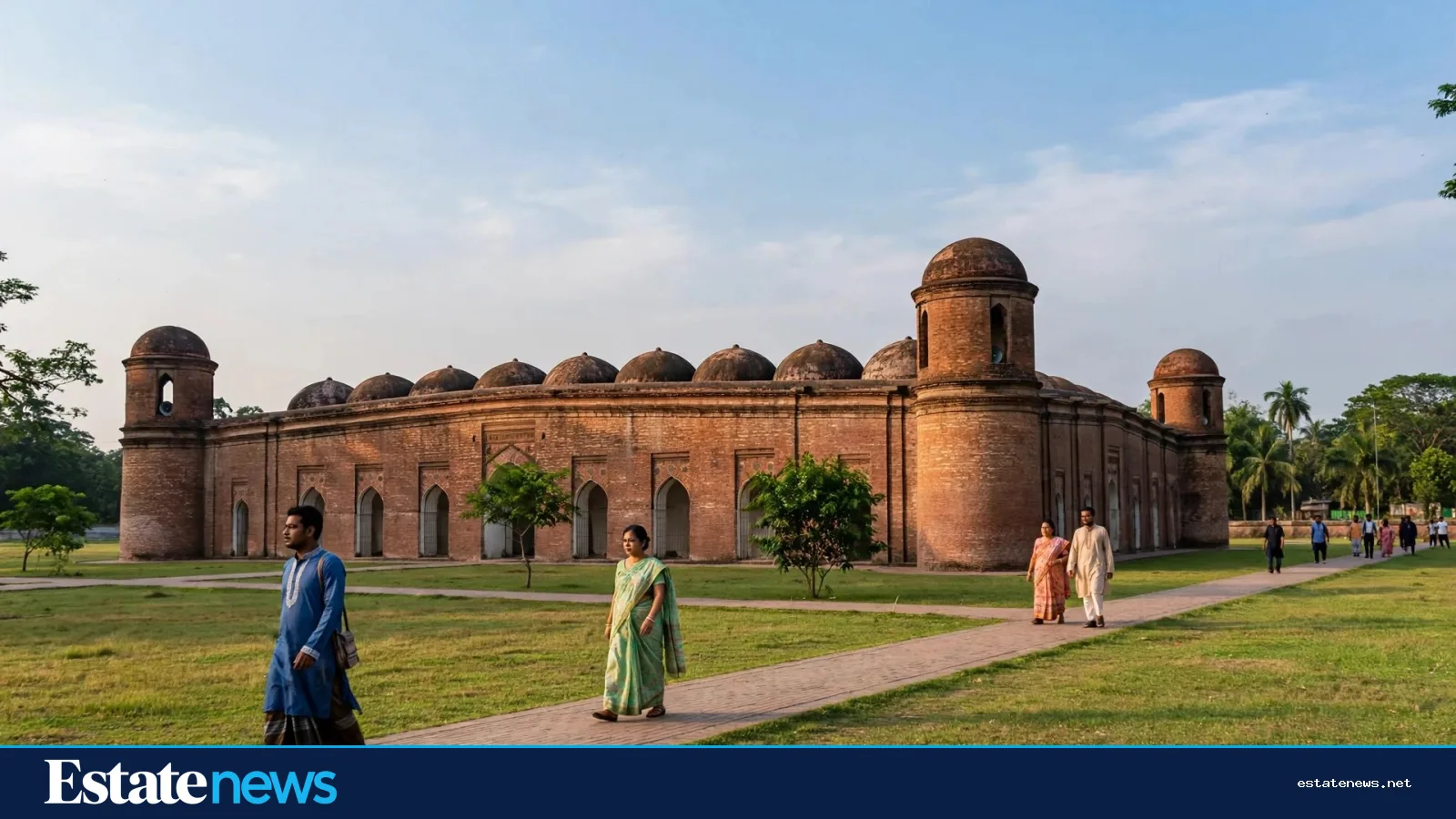
Walk through Sylhet today and the diaspora's building is everywhere, not only in houses. Mosques raised with money sent from London. Colleges and schools with wings paid for by families abroad. Markets and shopping centres built on the expectation that remittance money would keep flowing through them. The city grew around that expectation, and it grew fast.
The question now is what happens as the generations turn. The men who left in the 1960s are grandfathers. Their grandchildren were born in London, Birmingham and New York, and their tie to Sylhet is a summer holiday and a house they have never lived in. A University of Surrey study noted in 2019 that the share of Bangladeshi families in east London sending money home had fallen sharply from the 85 per cent of the 1960s and 1970s. The flow has not stopped, and the national figures show it rising, but the personal link that built Sylhet's houses is thinner with each generation.
Sylhet will keep building. The cranes are still up, the plots are still selling, and the money is still coming. What changes is who the building is for. A house built by a man who left is a promise to return. A house kept by his grandchildren is a different thing: a place to visit, an asset to manage, a root that needs tending. The city its people abroad built will have to decide, in the years ahead, whether it is a hometown or a memory. The houses, for now, stand ready for either answer.