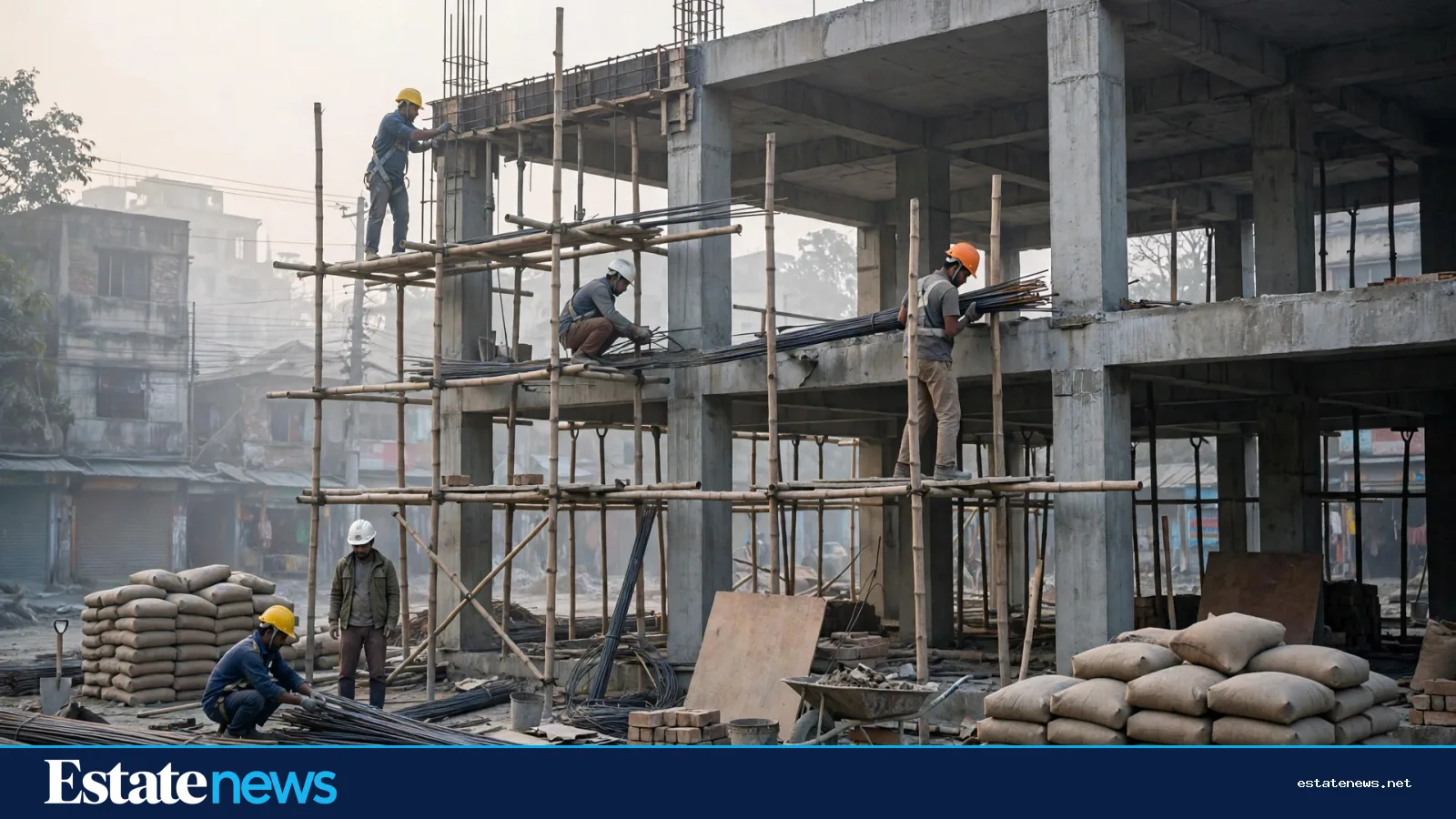
A site supervisor in Mohammadpur starts his day by looking at the sky, not the schedule. If the fog is thick, the crane waits. If the dew has soaked the shuttering, the concrete pour moves to mid-morning. Winter in Dhaka does not stop construction. It changes the order of the work, and the crews who know the season plan around it.
The cold months are popular with builders for a simple reason: the rain is gone. A monsoon pour can wash out a day's work and leave a site under water. Winter gives long dry stretches, and the work moves faster for it. Roof casting, brickwork and plastering all go ahead without the rain delays that eat the summer. The trade is shorter days and colder mornings, and every site in the city adjusts.
What the cold does to the work

Concrete is the first thing a winter morning touches. It sets more slowly in the cold, so supervisors watch the curing with more care. Water is sprinkled on fresh slabs for longer, and the covering stays on. A slab poured in a hurry on a cold morning can look fine and crack later, so the good sites slow down at exactly the moment the schedule pushes them to hurry.
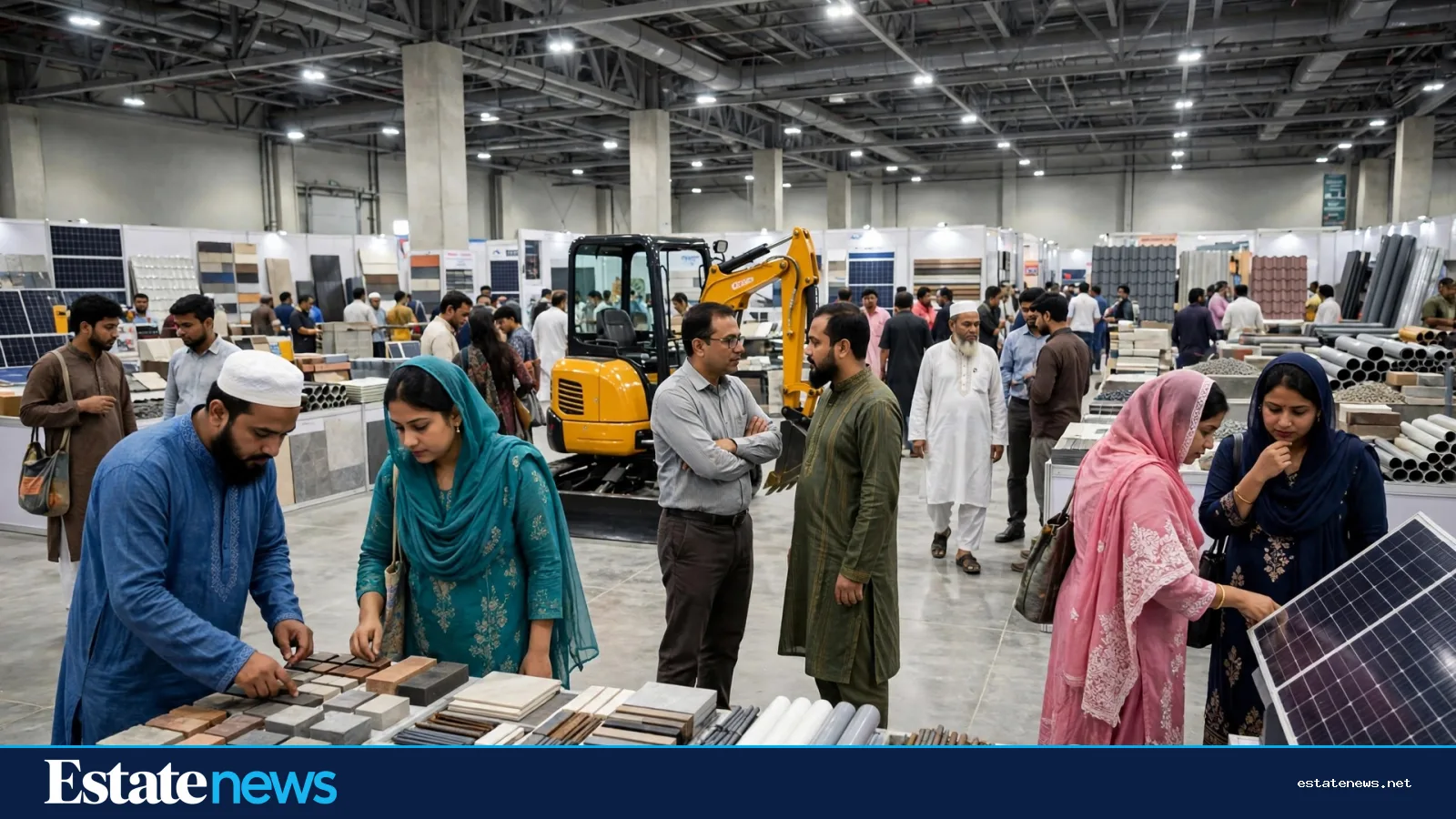
Steel and cement carry the season's other cost question. The published range midpoints that Estate News tracks put rod at Tk 93,500 a tonne, inside a range of Tk 92,500 to Tk 94,500, and cement at Tk 560 a 50-kilo bag, inside a range of Tk 540 to Tk 580, from Financial Express data of 10 October 2026. These are indicative midpoints of published ranges, not fixed prices, and a site manager ordering for a winter programme checks the current rate before placing an order. Winter demand is steady, and the yards in Tongi and Narayanganj stay busy through the season.
Brickwork and plaster also feel the cold. Mortar dries more slowly, and plaster applied to a cold, damp wall can blister. Masons who have worked Dhaka winters know to start the wet trades after the sun has had an hour on the wall. It is slower work, but the finish lasts longer for it.


Painters face the same trade. A coat put on in damp morning air can peel within months, so the painting crews wait for the dry part of the day. Tiles set in cold weather need the same patience. The adhesive takes longer to grip, and a tiler who rushes the job will be called back when the tiles start to sound hollow underfoot.
Planning the season
Developers like to finish the structural frame before the hot months, and winter is when that happens. A building that reaches its roof in January has the whole dry season for the finishing trades. Project managers use the winter to push the frame up, then slow down for the fitting work when the heat returns. Buyers who visit a site in December see the building at its busiest: bamboo scaffolding full, mixers running, and the frame rising a floor at a time.
Labour moves with the season too. Many workers come from districts outside Dhaka, and the winter months bring a steady supply of hands, since the harvest work at home is done. Site owners who treat their crews well in winter, with dry shelter and warm food, keep them through the season. The ones who do not find their workers drifting to the next site.
Winter building is not dramatic. There is no single day when a tower appears. It is a season of early starts, fog-delayed pours, careful curing and steady progress, floor by floor. The city grows fastest in the months when the sky is clear and the rain stays away, and anyone watching a frame rise through the cold can see the year's new buildings taking shape.