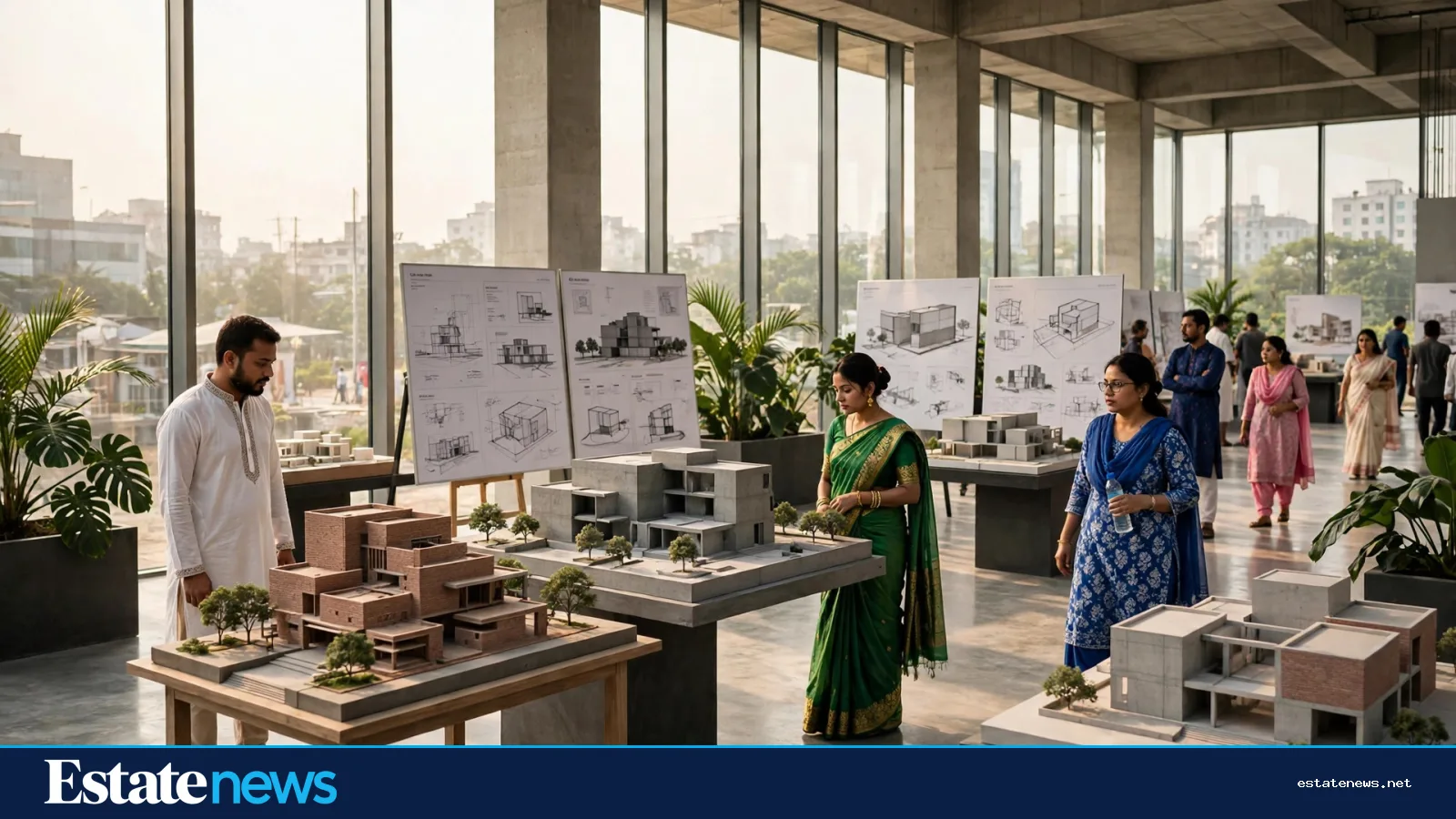
The hall at the International Convention City Bashundhara, known as the ICCB, smelled faintly of fresh card and sawdust on Thursday morning. Models stood on plain tables under the high roof. Visitors in panjabi and sari leaned over them, tracing rooflines with a finger, bending to look through a courtyard cut into a block of pale foam. Nobody was selling anything. That was the point.
The Delta Festival of Architecture runs from 12 to 14 November at the ICCB, organised by ARCHICONNECT and CEMS-Global. It opened two days after the first Delta Award ceremony, held on Tuesday 10 November in ICCB Hall 2. Seven main awards and seven honourable mentions were given. Md Didarul Islam Bhuiyan was named Architect of the Year. The late Raziul Ahsan Khandaker received the Lifetime Achievement award after his death. Adnan Zillur Morshed took the Scholar Award for his book on Shamsul Wares.
Awards do not build flats. They do something smaller and more useful. They set down, in public, what good building looks like in Bangladesh right now. A buyer walking a half-finished site in Uttara or Bashundhara cannot carry an architect with them. They can carry a few ideas from a festival hall.

Brick, shade and the courtyard idea
The Sustainability and Resilience awards went to Kobita Kunjo, by Jubair Hasan Architects, and Rupgaon, by Perceive. Interim House, by Roofliners Studio of Architecture, took an honourable mention in the same category. The names matter less than the category itself. Resilience, in the Delta jury's framing, is not a gadget on the roof. It is a building that stays cool in April, drains in the monsoon and still works when the power cuts out.
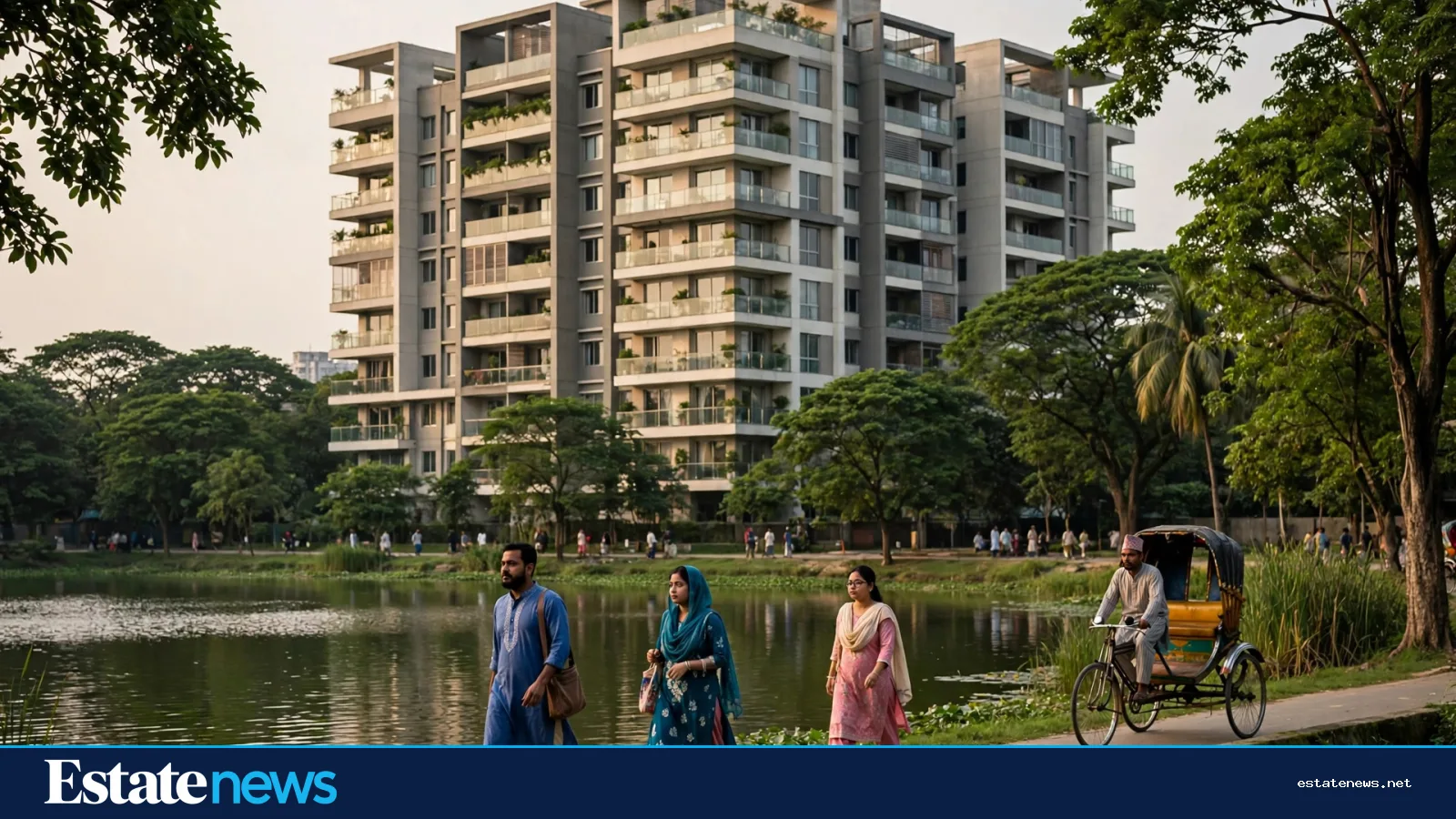
Dhaka buyers know the test. A flat that faces west without shade turns into an oven by three in the afternoon. A ground floor with no drainage plan takes water in the first heavy rain of June. A courtyard, a deep veranda, a shaded stairwell: these are old answers, and they keep showing up in new award-winning work because the climate has not changed its mind.
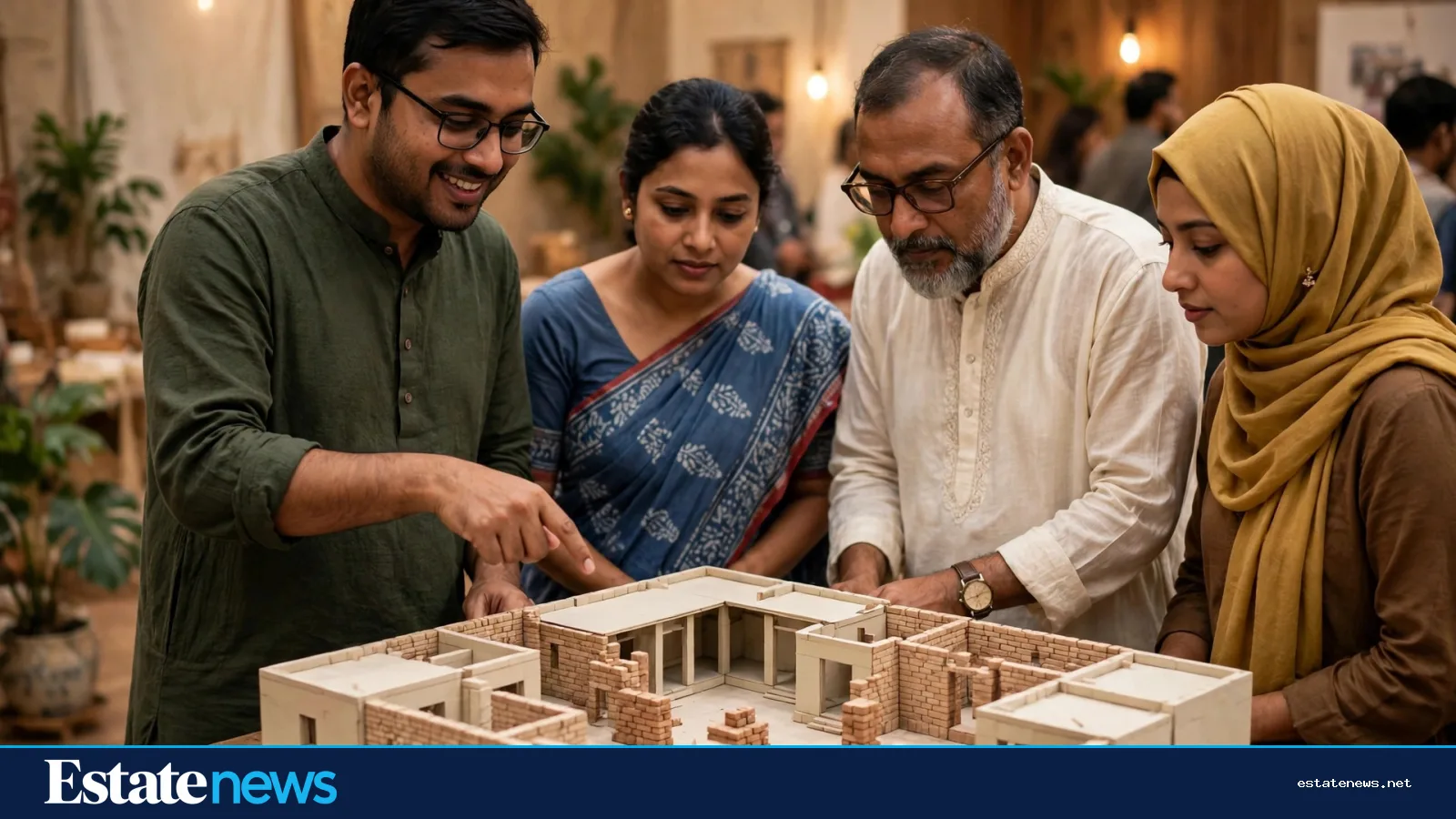
Walk your next site visit with that in your head. Ask where the afternoon sun falls. Ask where the rainwater goes. Ask whether the stair and lift core gets any daylight at all. The answers tell you more about the next twenty years of living there than the marble in the lobby.
Public space counts as housing
The Contextual and Social Impact awards went to Meer Manzil, by Indigenous, and to Chawk Bazar Public Spaces and Park, by FORM.3 Architects. Honourable mentions in the category went to ARA's Office in Hazaribagh, by Atelier Robin Architects, the Stha-Kalpa Office, Al Falah Jame Mosque, by DWm4 Architects, and the RAJUK Kancha Bazaar, by Tarique Hasan and Associates Ltd.
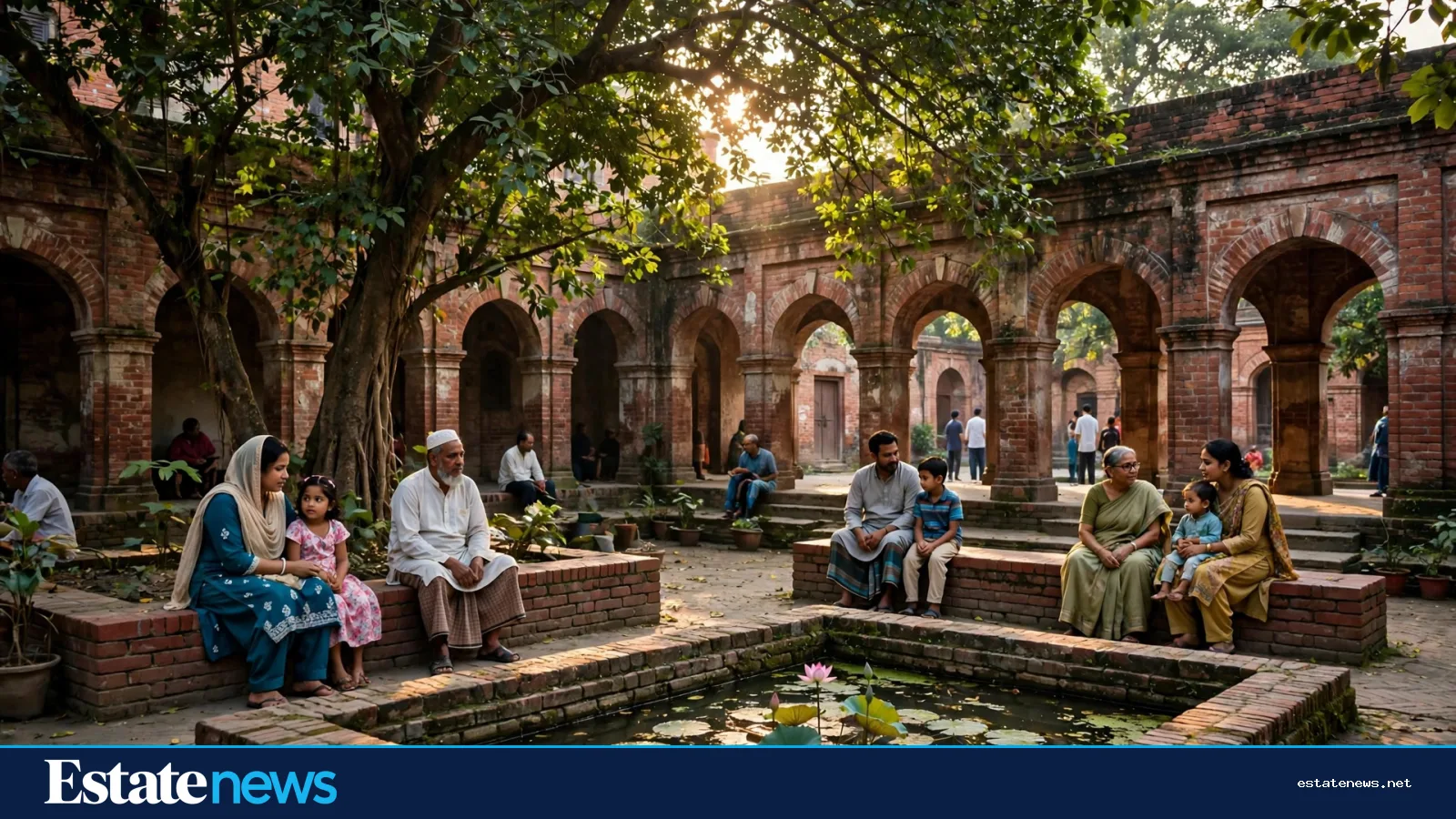
A park in Chawk Bazar and a bazaar on the same list as houses and offices looks odd until you live in old Dhaka. There, the street outside the door is part of the home. Children play in it, neighbours meet in it, vendors set up in it. A building that turns its back on that street makes the whole neighbourhood poorer, even if the flats inside are fine.
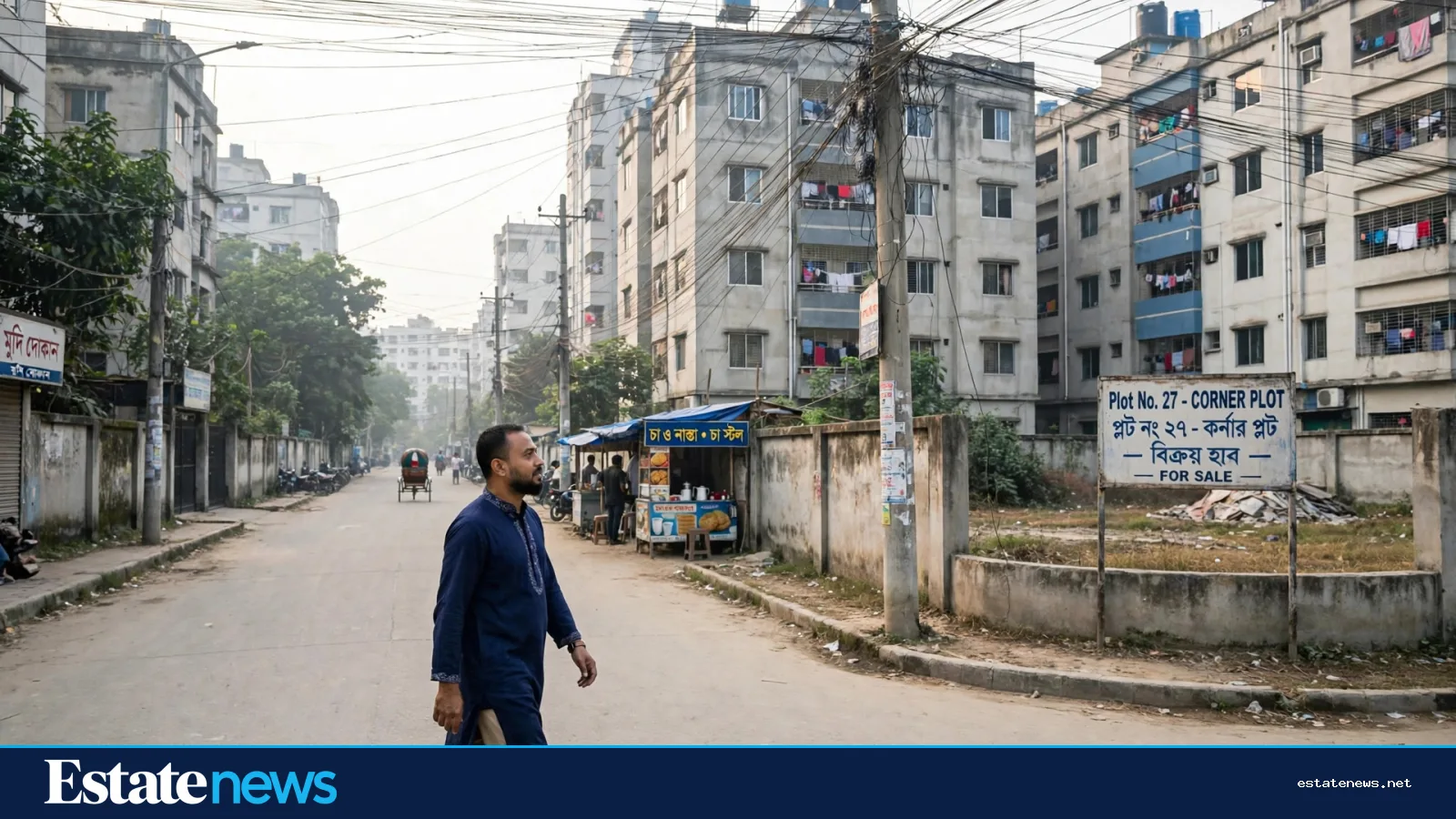
Buyers in the new areas should read this the same way. A project with a usable open space at its centre, a walkable edge, a place for a tea stall and a bench, will age better than a project that spent everything on the gate. Ask the developer what happens at ground level. If the answer is parking and a wall, you have learned something.


What to look for on your next site visit
Festivals end. The checklist stays. Four things from the Delta winners travel well to any site visit in Dhaka.
Look at the plan before the finishes. A flat with cross ventilation and a shaded balcony will cost less to cool every summer for as long as you live there. Tiles and fittings can be changed. The direction a flat faces cannot.
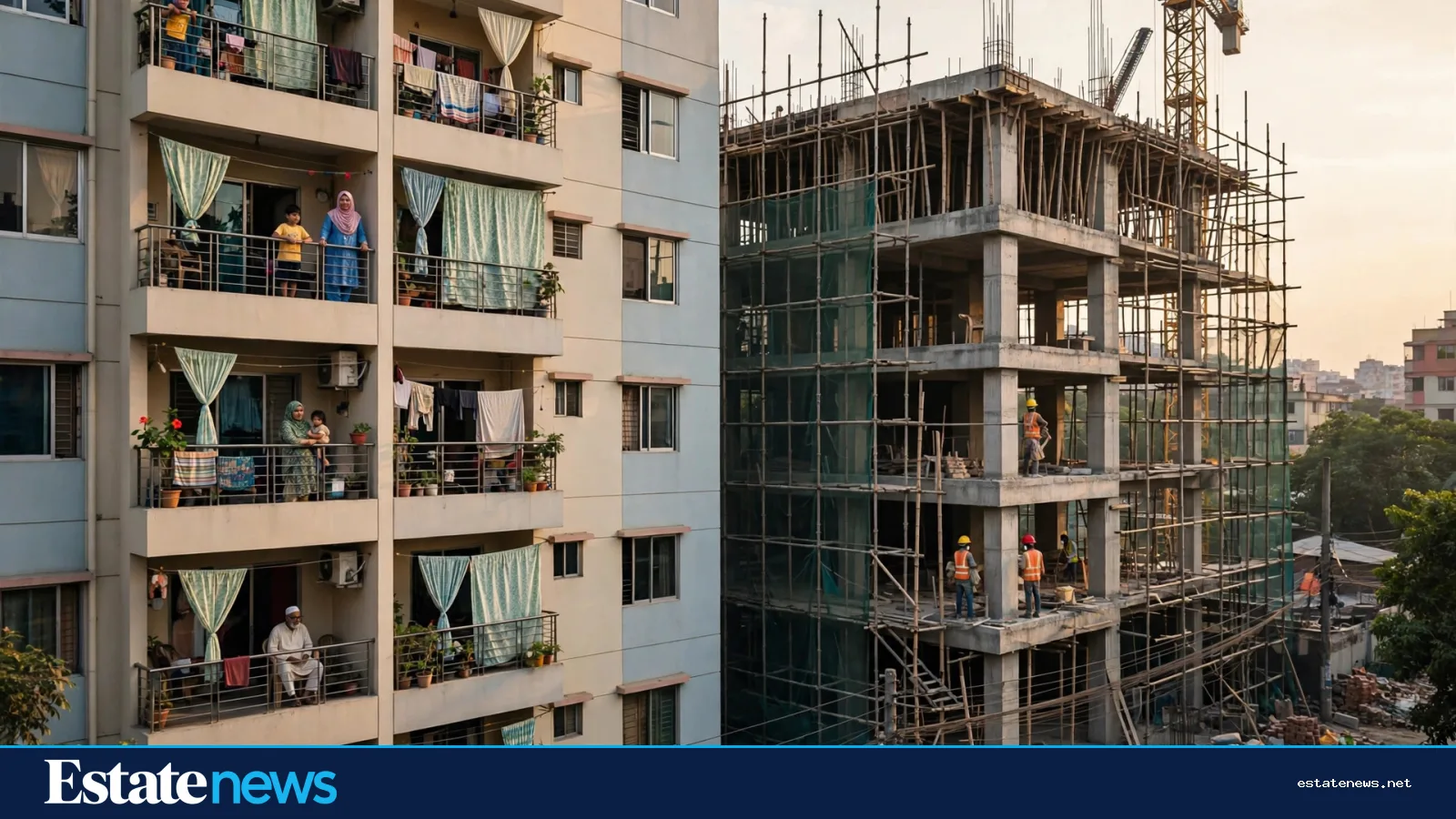
Look at the shared spaces as if you will use them daily, because you will. A corridor with daylight, a stair that does not feel like a shaft, a roof you are allowed to use: these decide whether a building feels like home or like a hotel you cannot leave.
Look at how the building meets the street. A ground floor that gives something back, a shop, a shaded walkway, a bench, keeps the area alive. Dead ground floors make dead streets, and dead streets push prices down over time.
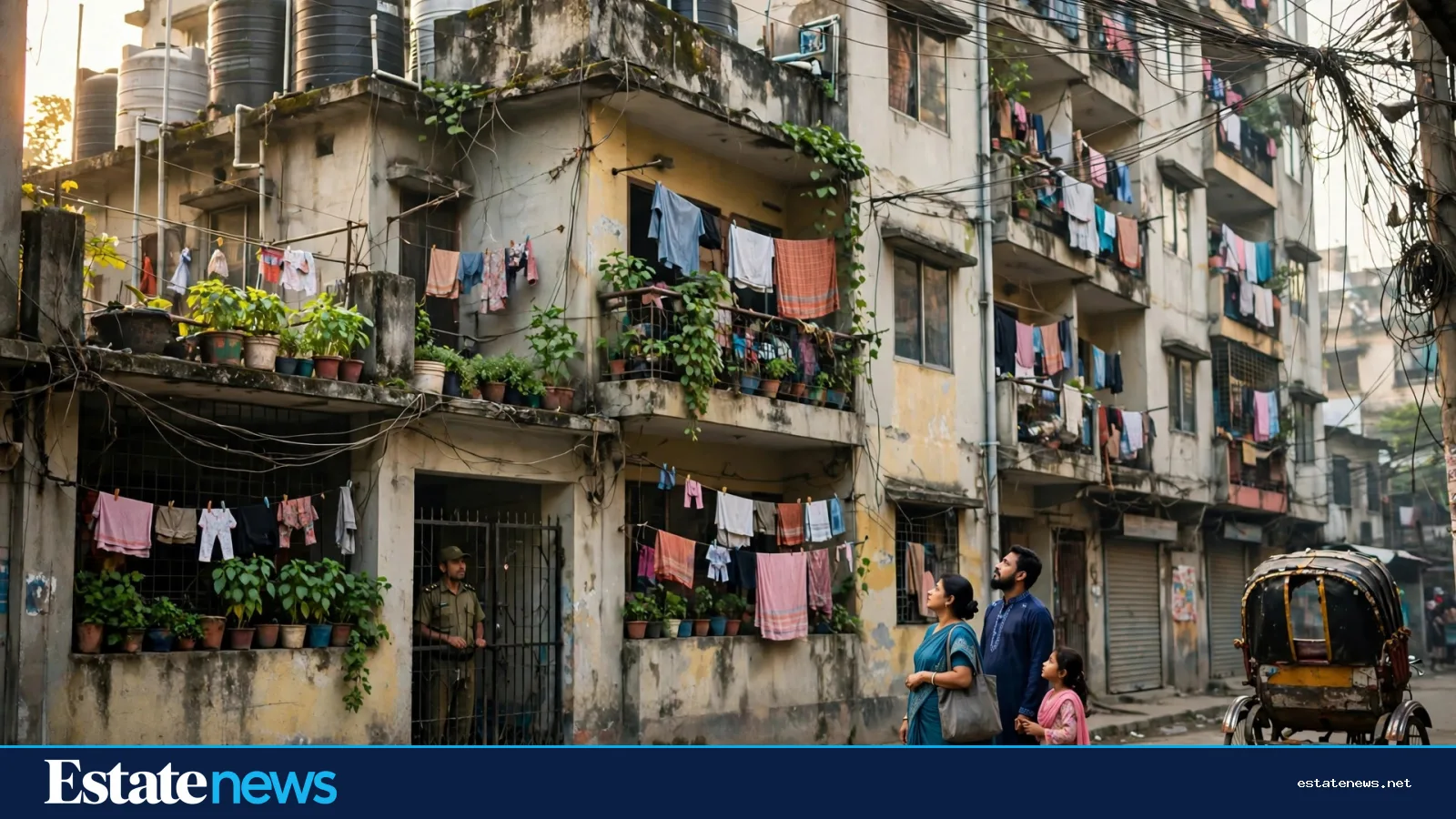
Look at the materials with a maintenance eye. Brick, concrete and timber that age gracefully beat surfaces that look smart on handover day and stain by the second monsoon. Ask what the facade will look like in five years, and who cleans it.
A first award, and a standard to hold
The Delta Award is new. One ceremony does not make a tradition, and the festival still has to prove it can return next year with the same care. But a first edition that puts a Chawk Bazar park beside a house, and a scholar's book beside a lifetime's work, has chosen its ground well. It says Bangladeshi architecture is not a copy of something from elsewhere. It is a response to heat, rain, tight plots and crowded streets, made by people who live with those facts.
The Lifetime Achievement award, given after Raziul Ahsan Khandaker's death, and the Scholar Award for Adnan Zillur Morshed's book on Shamsul Wares, do quiet work of their own. They remind a young architect sketching in a Dhaka studio that the profession here has a past worth reading, and that writing about buildings counts as building too. A festival that honours memory alongside new work is telling its visitors that good design did not start this year.
For buyers, that is the useful part. The festival runs alongside six expos at the ICCB covering building, real estate, power, solar, lighting and water. Go and look at the models. Stand in front of a courtyard scheme and picture your own family in it. Then take that picture to your next site visit, and see which developer's flat comes closest.
The best building in Dhaka is not the tallest one. This week, in a hall full of small models and patient visitors, the city got a clearer idea of what the best one might look like instead.