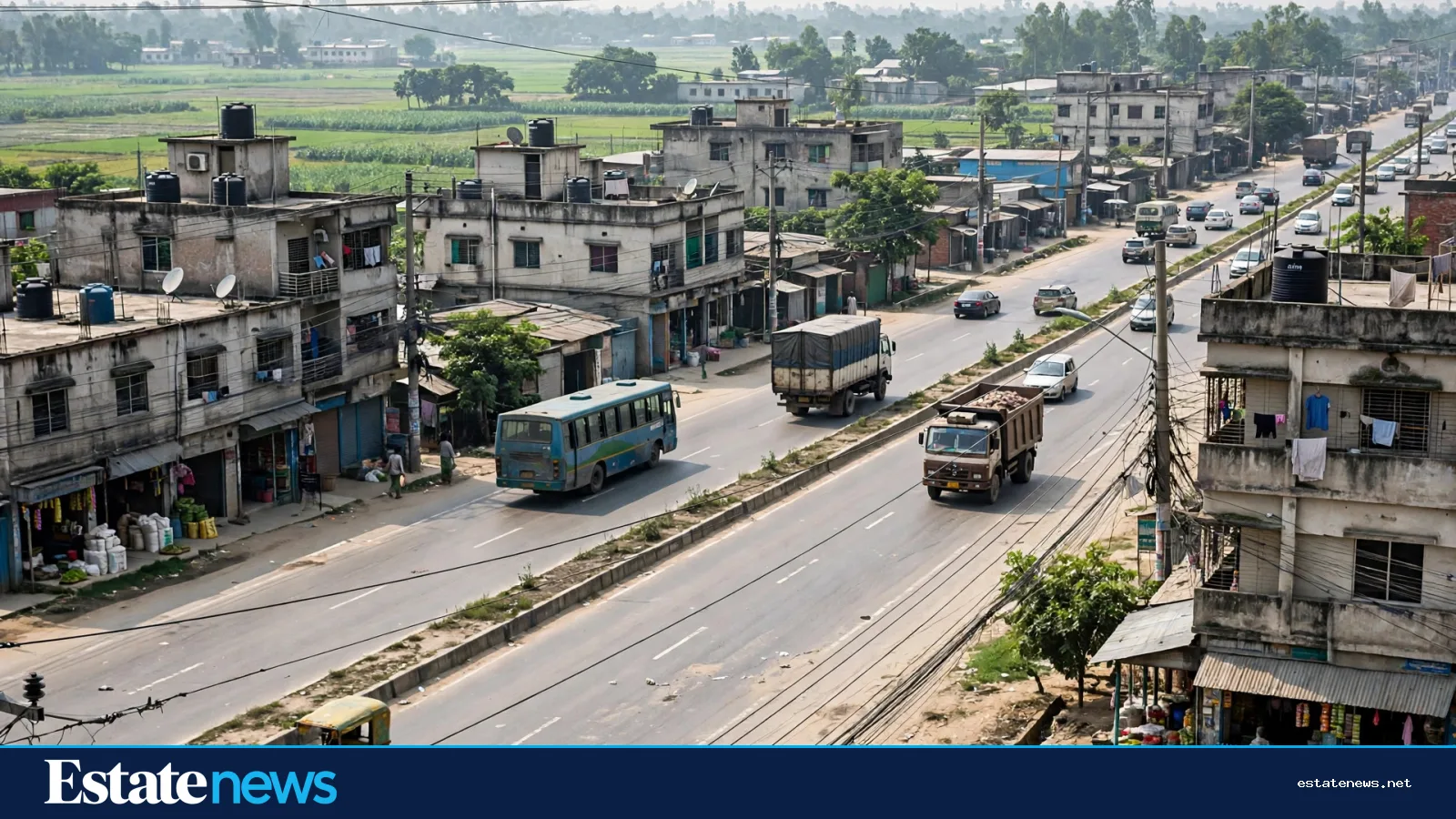
Drive out of Dhaka towards Chattogram and the city does not end so much as thin out, then gather again. Narayanganj comes first, its river port and old industrial quarters giving way to new housing blocks. Further along, Cumilla sits as a divisional city with its own buyers, its own builders and its own reasons to grow. Then Feni, a junction town where the road meets traffic from the north and the coast. Near the far end, the Chattogram approach fills with warehouses, workshops and the homes of the people who work in them.
None of this happened by decree. It happened because the highway made the distance manageable, and because land near Dhaka kept getting dearer. A family that cannot find a flat it can afford inside the capital looks a little further out. A factory that needs room for a shed and a truck yard looks further still. The corridor towns caught both movements, and their skylines show it.
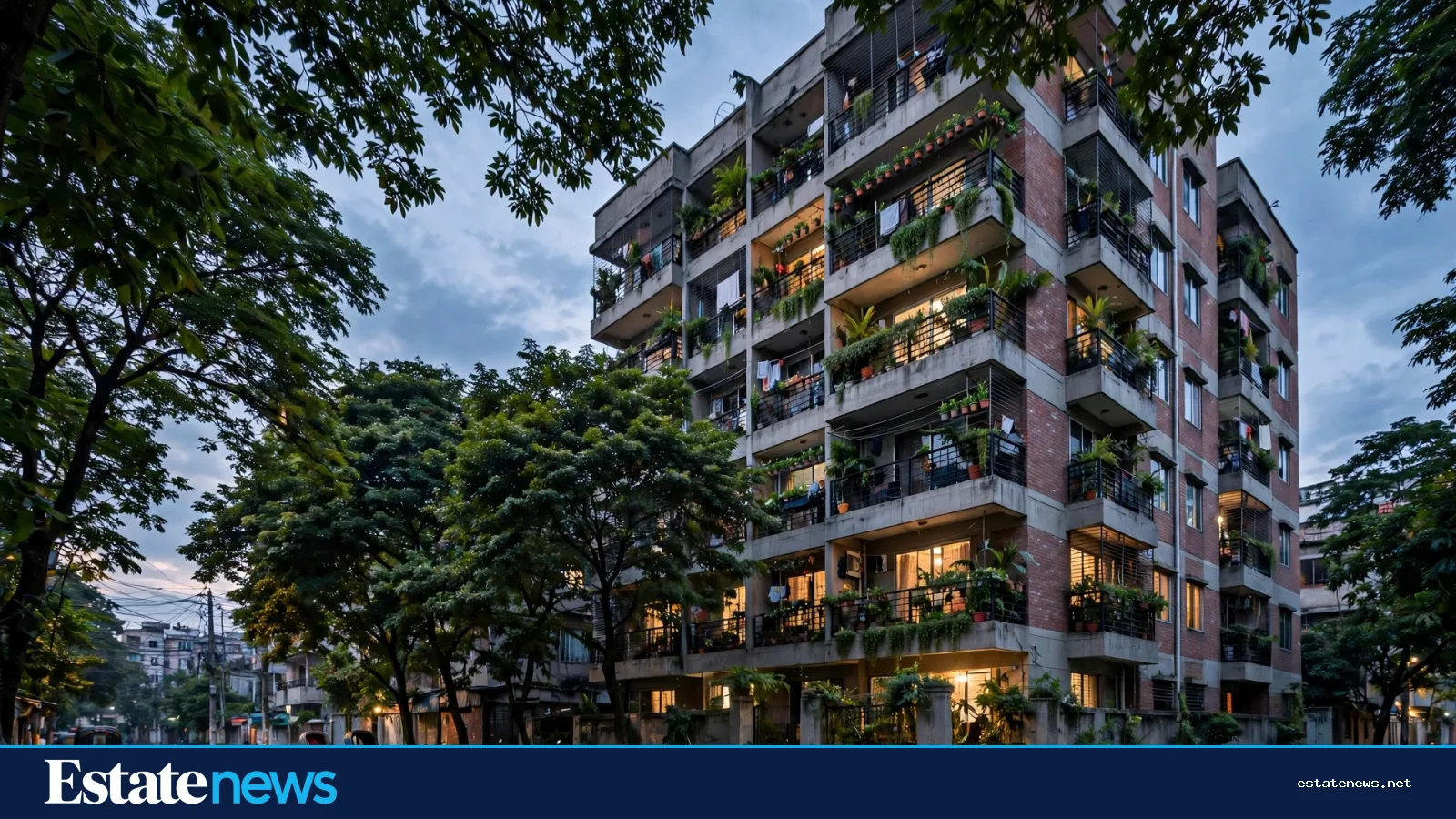
Narayanganj has always been close to Dhaka, close enough that a commuter can live there and work in the capital. Its older neighbourhoods grew around the river and the jute mills. What is newer is the housing that has risen along the highway exits: mid-rise blocks, rows of shops at ground level, flats above. The town's appeal is simple. It is near, it is cheaper than Dhaka, and its streets already have schools, bazaars and clinics. Buyers who work in the capital's eastern factories and offices treat it as a first home rather than a compromise.

Cumilla finds its own buyers
Cumilla is different. It is far enough from Dhaka that few people commute daily, so its housing market runs on its own economy: trade, government offices, education and the money families send from abroad. The town has long been a commercial centre for the surrounding districts, and that shows in its newer buildings. Flats go up near the main roads, shops fill the ground floors, and the people buying them often already live in the district.
The pattern repeats in Feni, smaller and quieter, where the highway is the main street of the town's ambitions. A junction town lives on movement. Trucks stop, traders set up, and homes follow the work. The housing here is modest in scale, mostly low and mid-rise, and it serves people whose lives are tied to the road itself: transporters, traders, and families with members working in Chattogram or abroad.


What the port end brings
Approaching Chattogram, the corridor changes character again. The port pulls in logistics, and logistics pulls in land. Warehouses, container yards and workshops line the road, and around them grow the homes of drivers, supervisors and small business owners. This is housing built for a working population, close to the job, with the highway as its lifeline.
There are limits to how far this growth can go on its own. Water supply, drainage and waste collection in the corridor towns have not always kept pace with the buildings. A town that adds a thousand flats in a few years needs more than the flats. It needs the pipes and the roads behind them. Buyers who visit these towns notice the difference between a block with reliable water and one without, and that difference decides which buildings fill up and which stand half empty.
The corridor also raises a question Dhaka has never quite answered. Should the towns along the highway keep growing as dormitories for the two big cities, or should they grow into places with their own jobs and their own centres? Cumilla already leans towards the second answer. Narayanganj, tied so closely to Dhaka, leans towards the first. Feni sits in between, watching the traffic.
For the people who live in these towns, the daily commute is the real test of corridor life. Buses run the highway from early morning, and the journey to Dhaka depends on the hour, the weather and the state of the road. A family that buys in Narayanganj accepts that trade: a longer day in exchange for a home of its own. A family that buys in Cumilla makes a different trade, choosing a town where work, school and home can all sit within a short ride. Neither choice is wrong. They are different lives, priced differently, and the corridor now offers both.
What is certain is that the road no longer just connects two cities. It has become a string of towns, each filling in the gaps along its edge, each with its own buyers and its own reasons. The Dhaka to Chattogram drive now passes through a housing market in its own right, one town at a time.