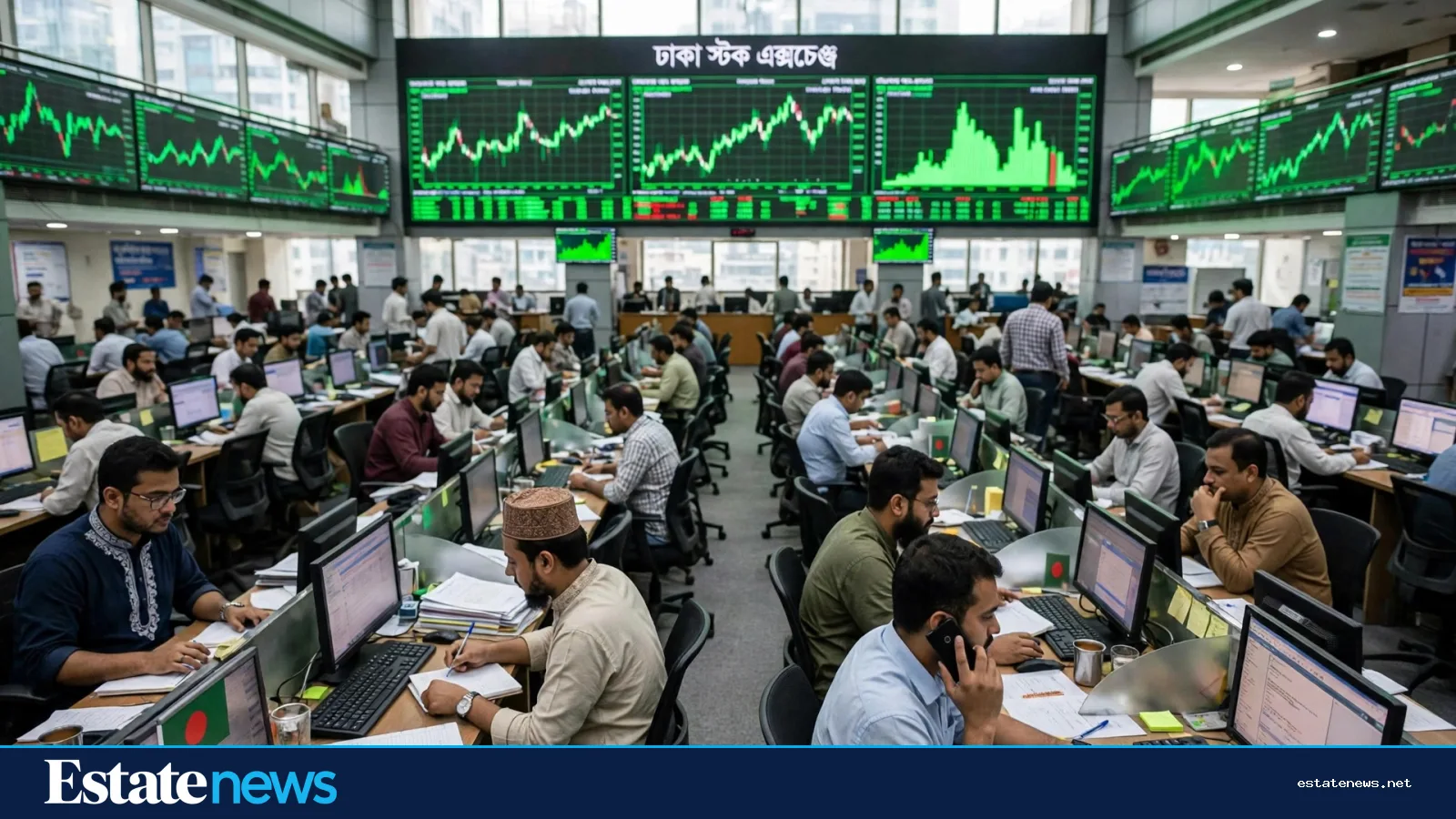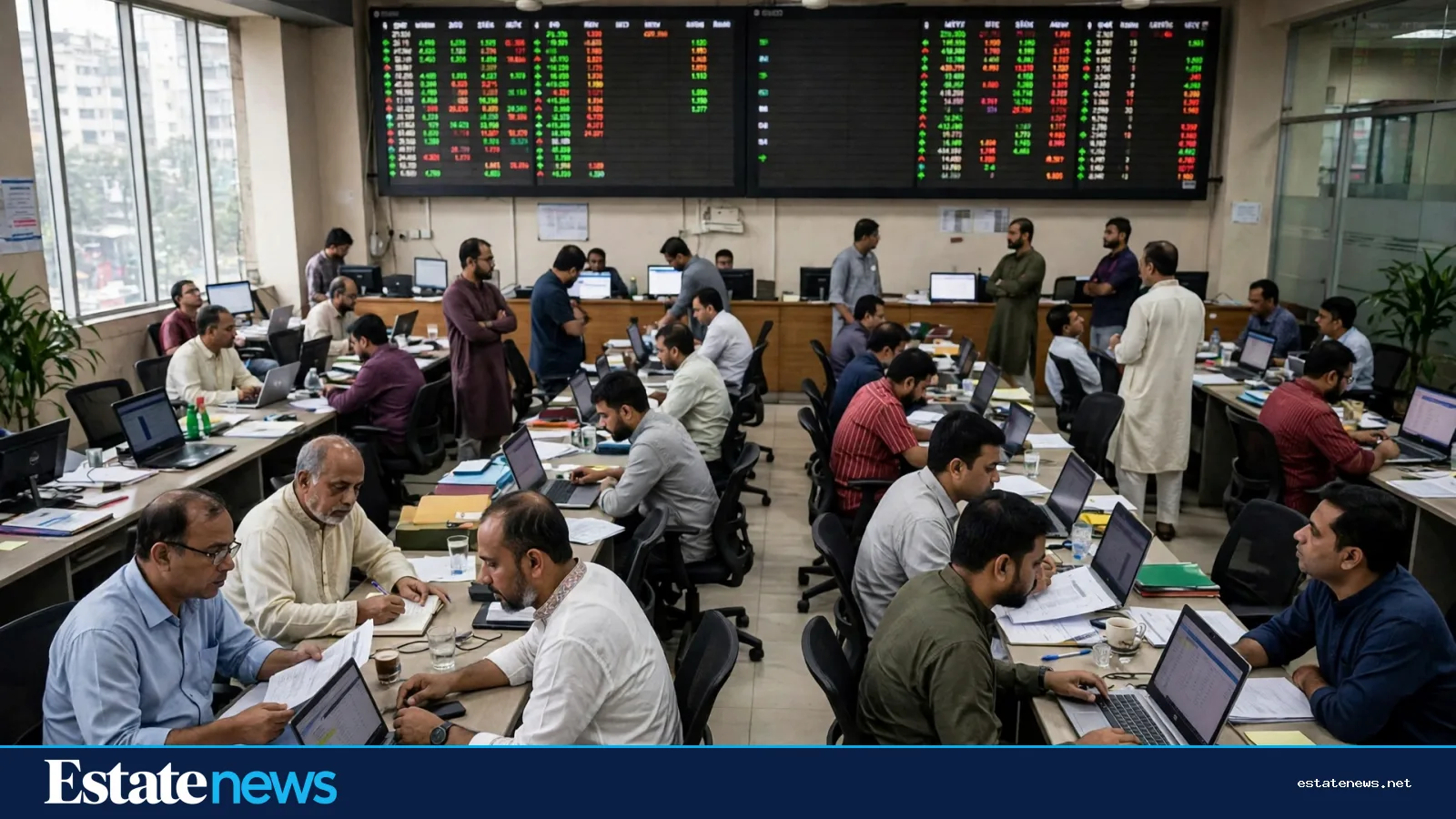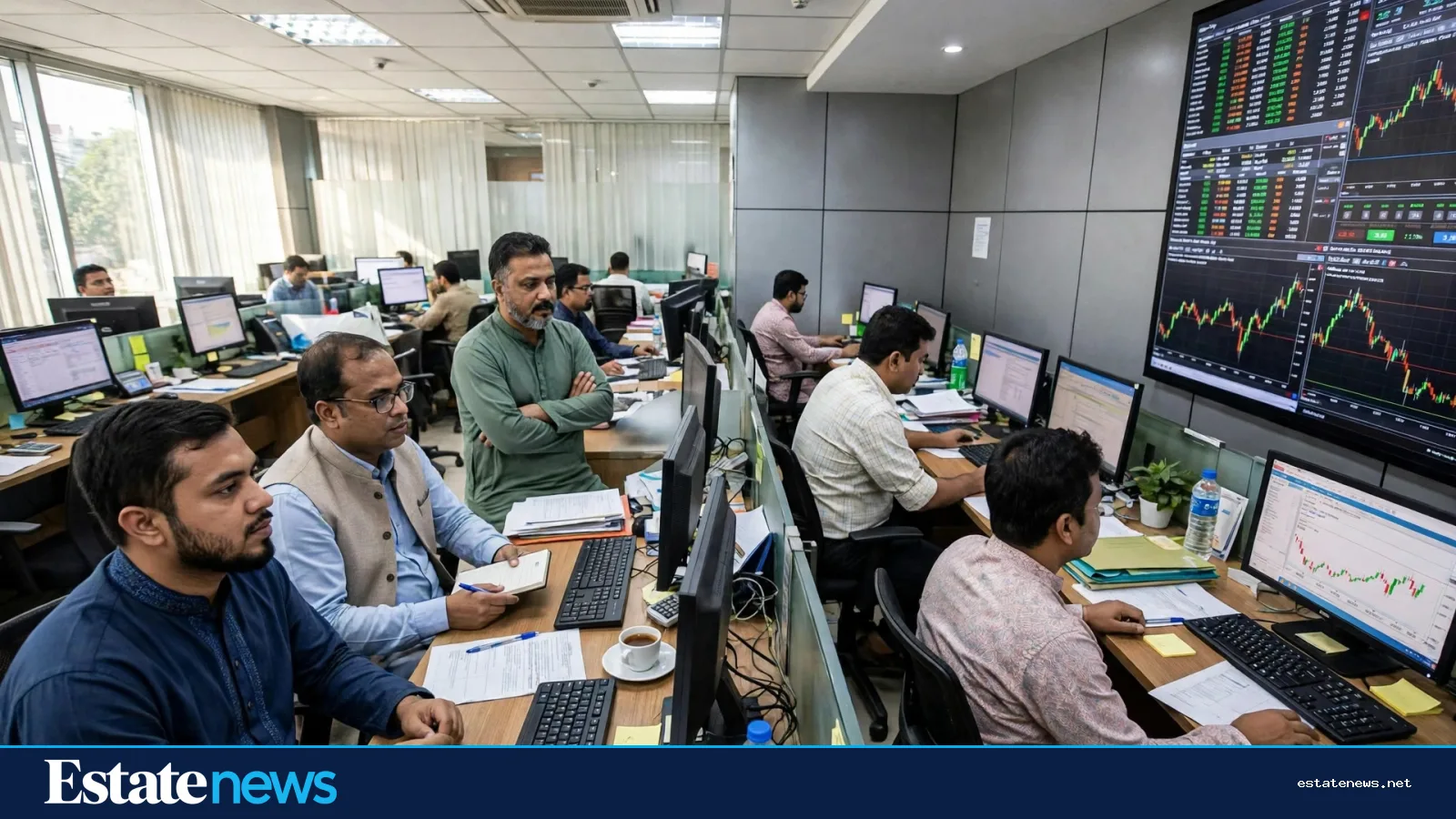
The Dhaka Stock Exchange ended Thursday 5 November 2026 on a higher note. The DSEX closed at 5,413.04, up 71.41 points, or 1.34 percent, from 5,341.63. Turnover stood at Tk 645.43 crore, up 23.6 percent from Tk 522 crore. The DS30 rose 31.01 points to 2,068.63, and the DSES rose 10.83 points to 1,047.71. Of 395 issues traded, 249 advanced, 81 declined and 65 stayed unchanged.
It was the second straight daily gain, and it came after a four-session losing streak. The index had hit a five-month low on 2 November. Two good days do not erase a weak run, but they change the mood on the trading floor, and the mood matters when families are deciding whether to hold shares, sell a plot or take a loan for a flat.
One move behind the rise is regulatory. The Bangladesh Securities and Exchange Commission eased restrictions on selected frozen BO accounts, according to TBS on 5 November. That is a narrow step, not a broad reform, and it was aimed at specific accounts. Even so, traders read it as a sign that the regulator is willing to loosen where it can, and that reading helped buying on the day.

Why a stock market move reaches a flat buyer
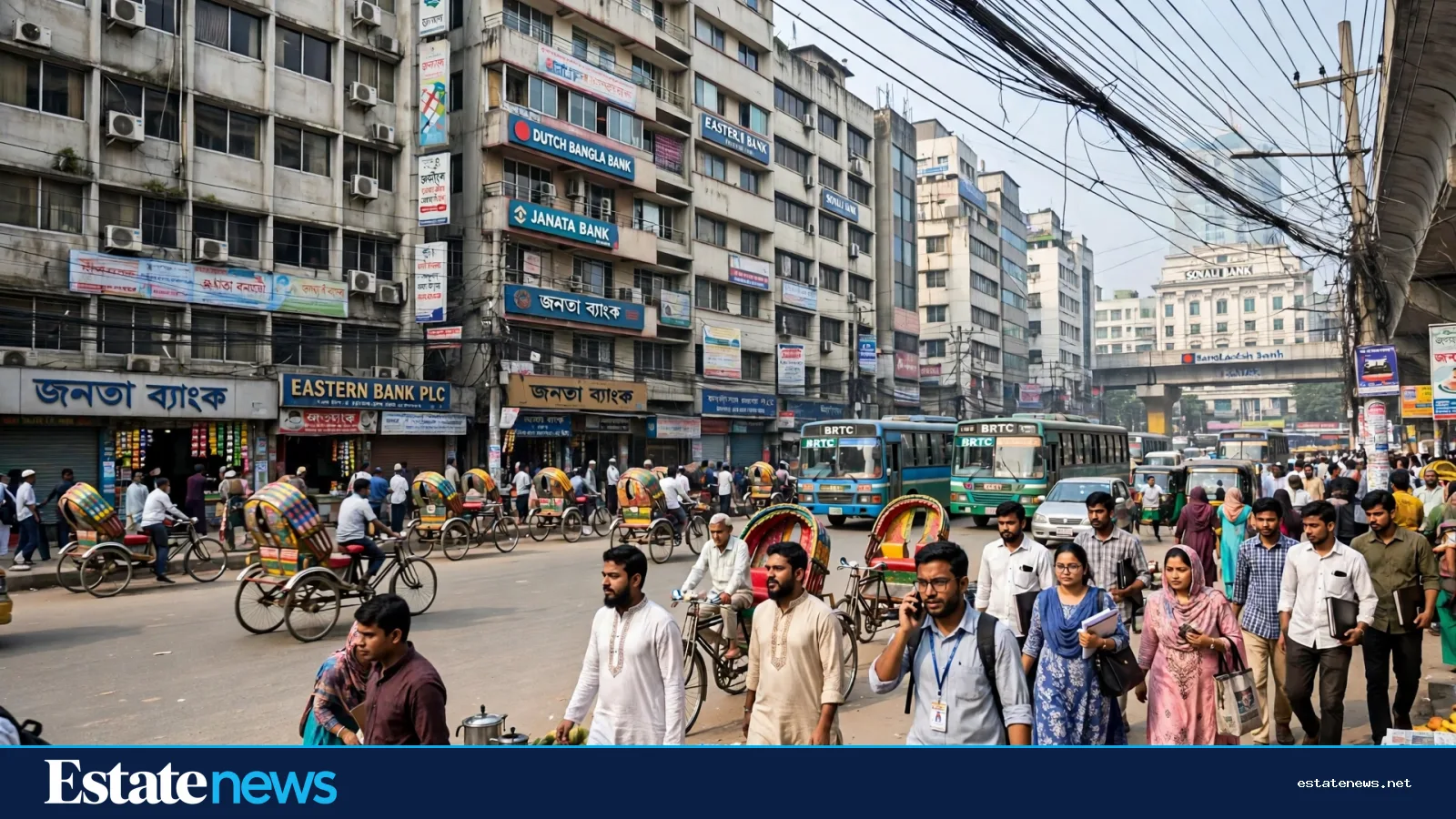
A homebuyer in Dhaka rarely watches the DSEX before breakfast. The link is indirect, and it works through three channels. The first is wealth. A family that holds shares feels richer when the market rises, and a family that feels richer is more willing to commit to a flat. The effect is small for most households, since few Bangladeshi families hold large share portfolios, but it is real for the trading families of Motijheel and the business households of Banani and Gulshan.
The second channel is the listed developers and building-materials companies. When their shares rise, raising money gets easier, and a developer with easier finance can keep a project moving. BSRM, the steel maker, reported a strong year to 30 June 2026, with BSRM Ltd consolidated profit of Tk 7.03 billion, up 14.49 percent from Tk 6.14 billion, and revenue of Tk 109.95 billion, up 13.77 percent, according to the Financial Express and TBS. A market that rewards that kind of result gives builders room to plan.
The third channel is confidence. A falling market makes every big decision feel riskier. A rising one does the opposite. Nobody should buy a flat because the DSEX rose for two days. Plenty of buyers, though, will quietly take a rising market as one more reason to go ahead with a decision they had already been weighing.


What two days do not prove
The honest reading is narrower than the cheerful one. The DSEX is still close to its five-month low. Turnover, at Tk 645.43 crore, is better than Tk 522 crore, and it is still far from the levels of a busy market. A two-day rise after four days of falls is a pause, not a turn. It could hold. It could fade on Monday.
Homebuyers should treat the market as background, not as a signal to rush. The numbers that decide a flat purchase are the buyer's own: monthly income, savings, the loan instalment, the registration cost and the service charge. The DSEX does not change any of those. What it changes is the air around the decision, and the air in Dhaka this week is a little less heavy than it was on Monday.
Borrowing costs are the other number to watch, and they sit outside the stock market. A home loan is priced by the bank, not by the exchange, and the rate a buyer is offered depends on the bank, the loan size and the buyer's income record. A rising market does not cut a loan rate by itself. Buyers who are comparing loans should still ask three banks for a written offer, and read the processing fee and the early repayment terms before they sign.
The week in one frame
October gave the wider economy two solid numbers: exports of $3.99 billion and remittance of $2.87 billion, as reported in the 6 November market wrap. Those are the flows that pay for imports, support the taka and, in many families, pay for a flat. A stock market that steadies beside them is welcome. It is not the story itself.
For Dhaka homebuyers, the useful takeaway from Thursday is simple. The market stopped falling, turnover picked up, and the regulator loosened one restriction. None of that makes a flat cheaper. All of it makes the week feel less like a slide. If a buyer has done the sums, checked the papers and found a flat that fits the budget, two green days are no reason to wait. If the sums do not work, two green days are no reason to buy.