Families paying for medical treatment abroad can now move twice as much money without waiting for the central bank. Bangladesh Bank has doubled the limit for overseas medical treatment remittances to $30,000, up from $15,000, and authorised dealer banks can release the money without prior approval from the central bank, according to TBS. The circular was issued on 9 November.
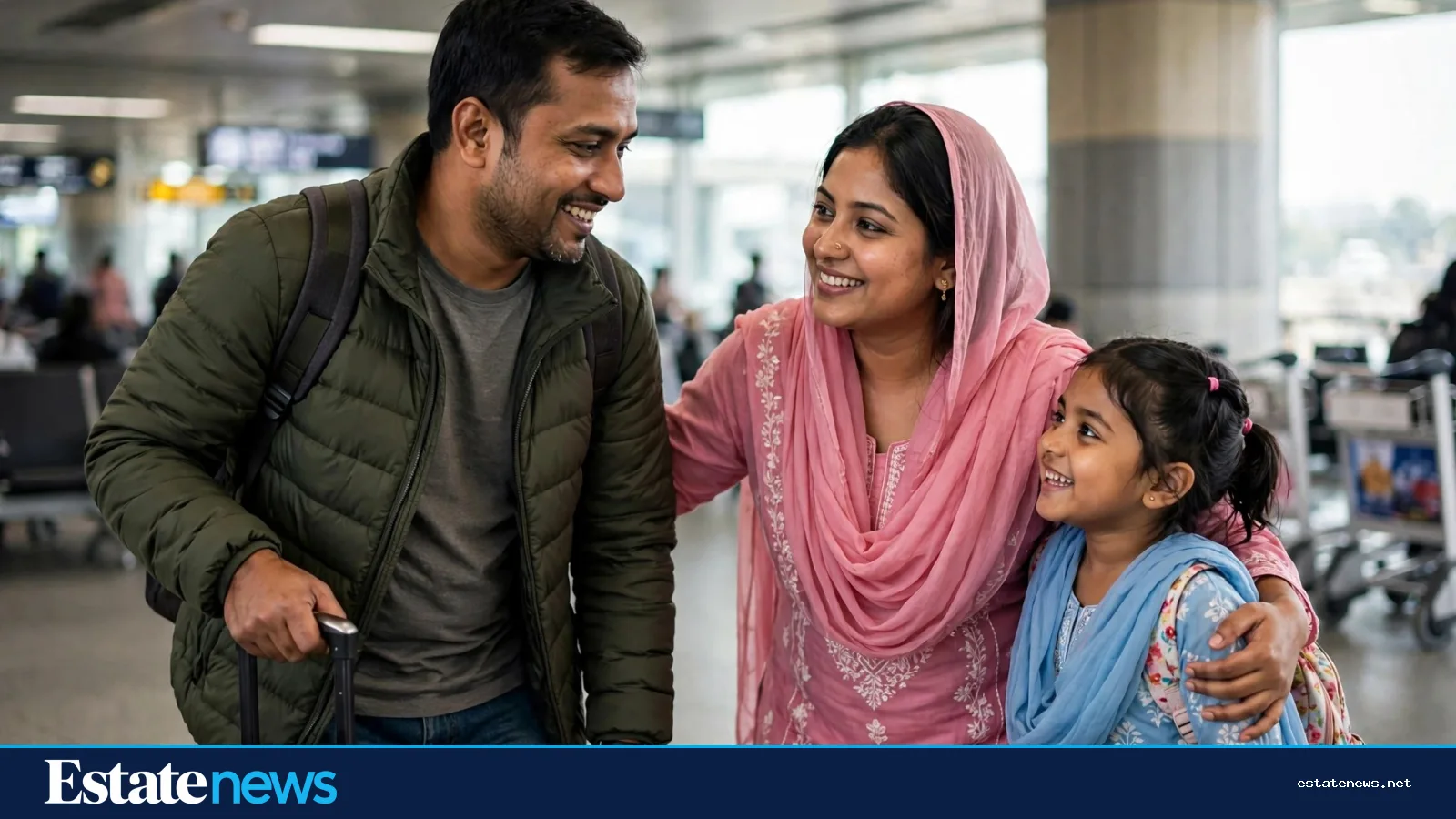
The change is aimed at the part of the process that hurts most when a family is already under strain. A patient waiting for treatment abroad, or a family arranging a hospital admission in Bangkok, Singapore or Chennai, does not need a second wait at a regulator's desk. Under the new rule, the bank itself can release up to $30,000 once it is satisfied the payment is genuine.
The same circular eases a second kind of payment. Authorised dealer banks can now remit funds for secondary and higher secondary education abroad without prior central bank approval, subject to verification that free education is not available for the student. A family sending a child to school overseas will still have to show the bank its papers. It will no longer have to wait for the central bank to clear the payment first.

What families should still check
A higher limit is not an open door. The bank still has to verify the treatment or the schooling, and it will ask for documents: a hospital estimate or admission letter, a doctor's referral, an invoice from the institution abroad. Families should gather those papers before they go to the bank, and they should ask the bank, in writing, what it needs for the specific payment. Different banks ask for slightly different documents, and a missing letter can cost days.
The exchange rate matters too. A $30,000 payment is a large sum in taka, and the rate the bank applies on the day will decide the final cost. Families should ask for the rate before authorising the transfer, and they should ask what charges sit on top of it. A bank that quotes a good rate and a heavy fee is not cheaper than a bank that quotes a fair rate and a light one.
There is also the question of timing. Treatment abroad is often paid in stages, an advance, a payment on admission, and a final settlement. A family should ask the bank whether the $30,000 limit covers one payment or the full course of treatment, and what happens if the hospital's bill runs past it. Knowing the answer before the first payment is made is cheaper than learning it halfway through.


Why this touches housing decisions
A medical bill abroad and a flat at home draw on the same household pot. Many Dhaka families are paying for both at once, a home loan instalment in Dhaka and a hospital bill in another country, and a rule that lets the hospital bill move faster takes pressure off the rest of the budget. It does not make the flat cheaper. It makes the month easier to plan.
The same holds for education. A family that sends a child to school abroad is often the same family saving for a larger flat, or paying off the one it already owns. Saving for a flat while paying rent in Dhaka starts with safety, not speed, and a family that knows its overseas payments will clear without a long wait can plan its savings with more confidence.
A note of caution
The new limit covers genuine treatment and education, and banks will still check that the money is going where the family says it is going. Anyone offering to move money abroad outside the banking channel, or promising to arrange treatment without paperwork, should be treated with suspicion. The banking route is slower than a middleman's promise, and it is the only route that leaves a record a family can rely on if something goes wrong.
For families with a treatment or a school admission already planned, the practical step is simple. Call the bank, ask what documents it needs under the new circular, and get the answer in writing before the payment date. Bangladesh Bank reviews its rules and procedures regularly, so a family should confirm the current position with its own bank rather than relying on last year's practice. The rule changed on 9 November. The paperwork did not disappear with it, but the wait for approval has, and for a family counting days before a hospital admission, that is a change worth having.
This article is informational only and is not financial advice. Families should confirm the current rules and rates with their own bank before making a payment.