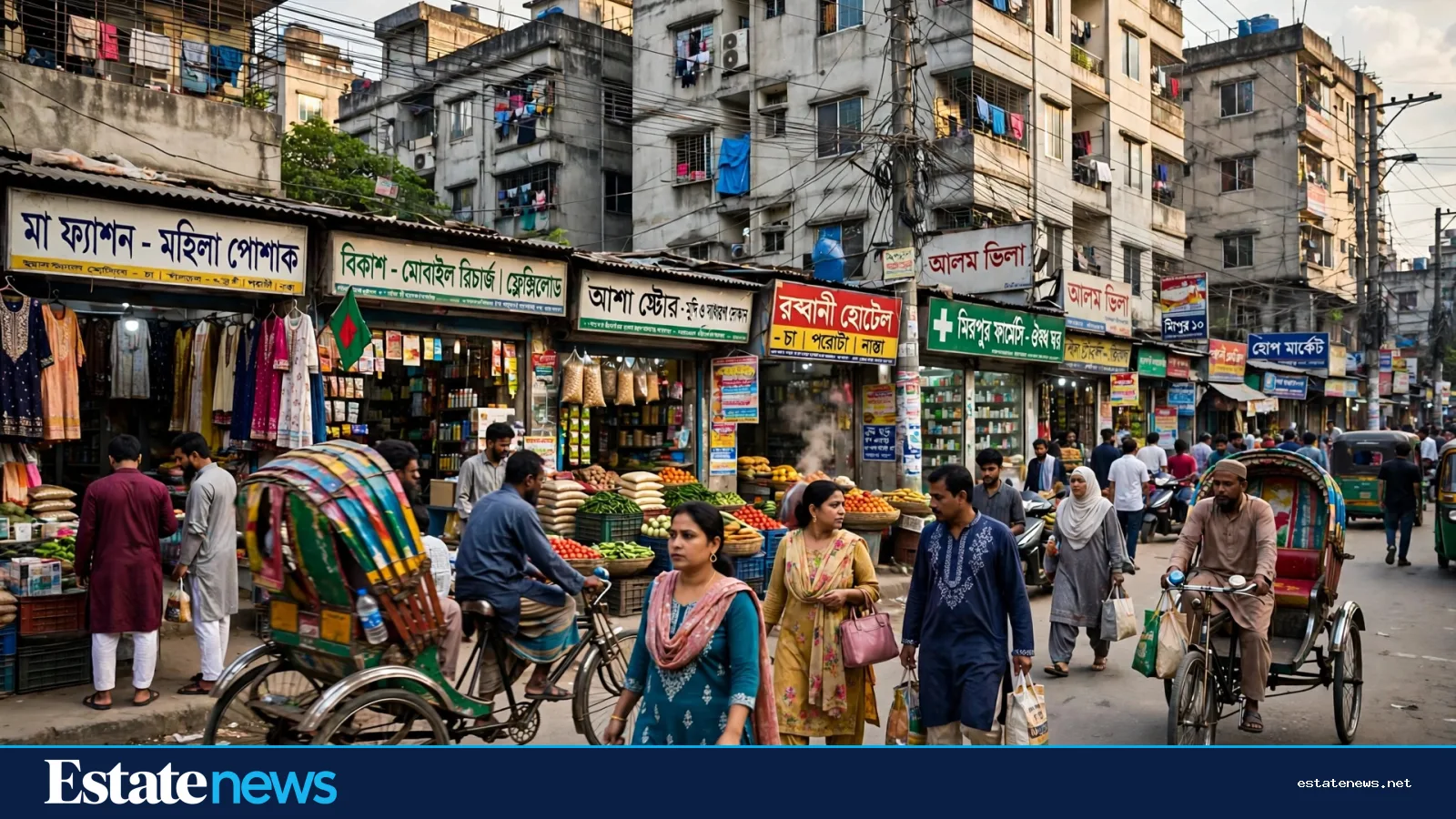
Ask a Dhaka property broker where the middle class is buying, and the answer is almost always one of two names. Mirpur, in the west, where the city grew house by house over forty years. Uttara, in the north, where the city was drawn sector by sector on a plan. Both sell flats to the same buyer: a family with a steady income, a home loan, and one chance to get the choice right.
The two areas feel different from the first visit, and the difference is not a small one. It shapes the mornings, the school run, the commute and the resale value, long after the price is forgotten.
Mirpur: the neighbourhood that is already there

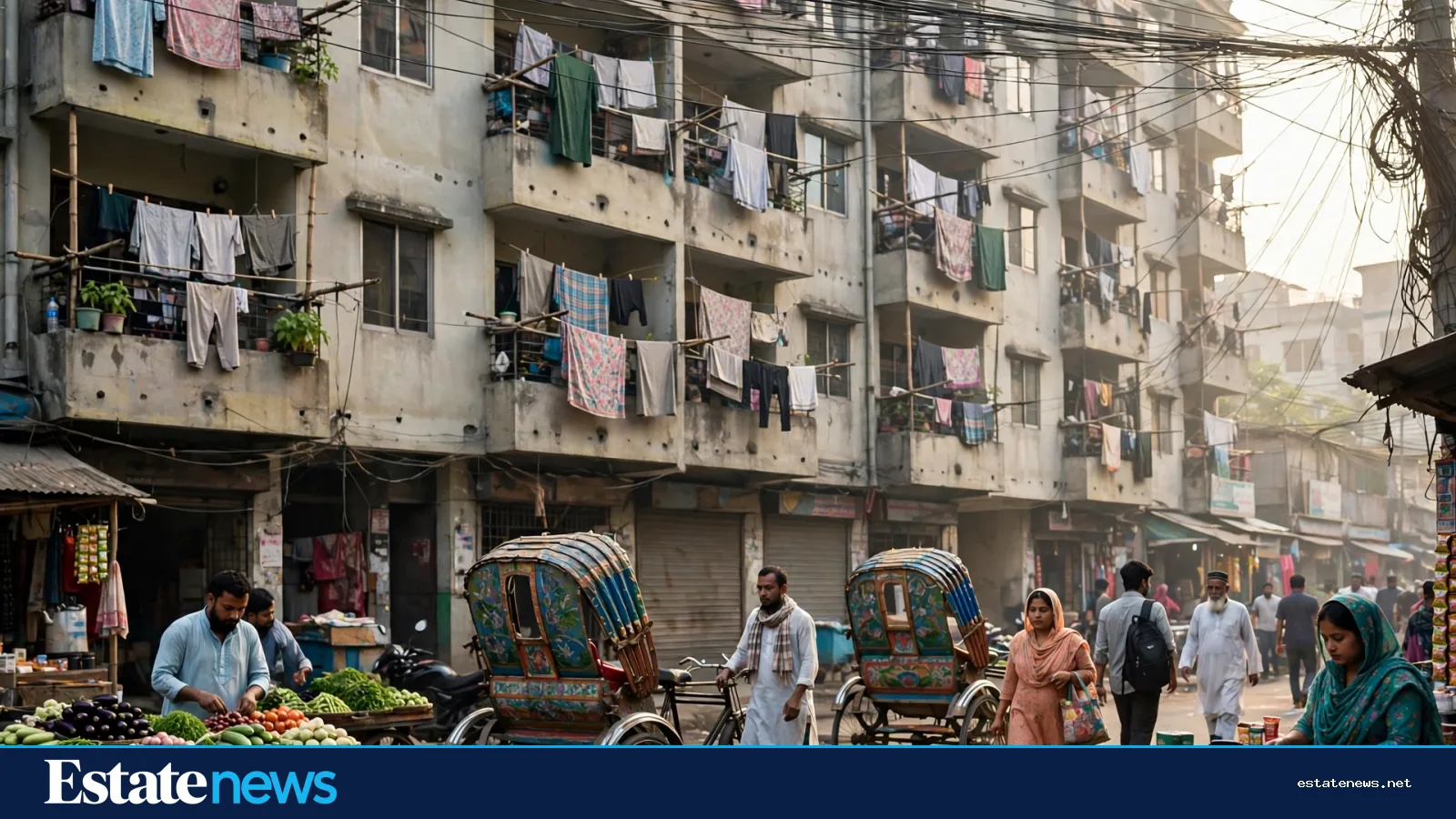
Mirpur's case is simple. Everything a family needs is already on the street. Schools, colleges, hospitals, bazaars, mosques and parks sit within walking distance in most parts of Mirpur 1, 2, 6, 10 and 11. The metro rail runs through it. The bus network is thick. A family moving to Mirpur does not wait for the neighbourhood to arrive, because it arrived decades ago.
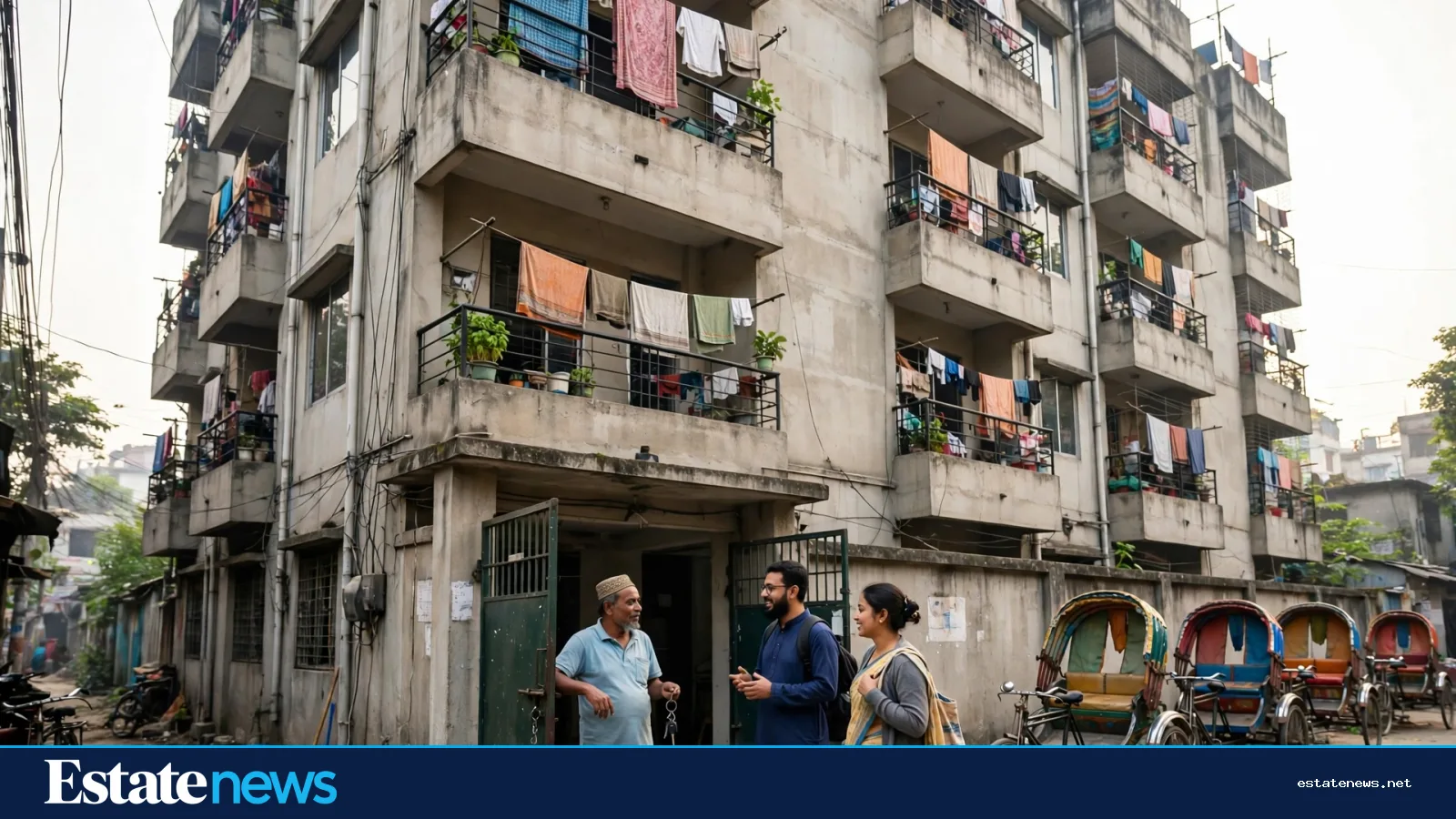
The trade is space and order. Mirpur's lanes are narrow, its plots are small, and its buildings grew without a master plan. Parking is a daily negotiation. Waterlogging still troubles parts of the area in a heavy monsoon. The flats themselves are often older, and older flats mean older lifts, older wiring and a building committee that may or may not maintain them well.
Asking prices in Mirpur for a standard middle-class flat typically sit below Uttara's newer stock, and the gap is the area's main selling point. A buyer who wants the largest flat for the money, in a place where life is already running, will usually look at Mirpur first. The check that matters most there is the building itself: its age, its maintenance record, and whether the lift and the water system have been kept up.
Uttara: the plan, the roads and the wait


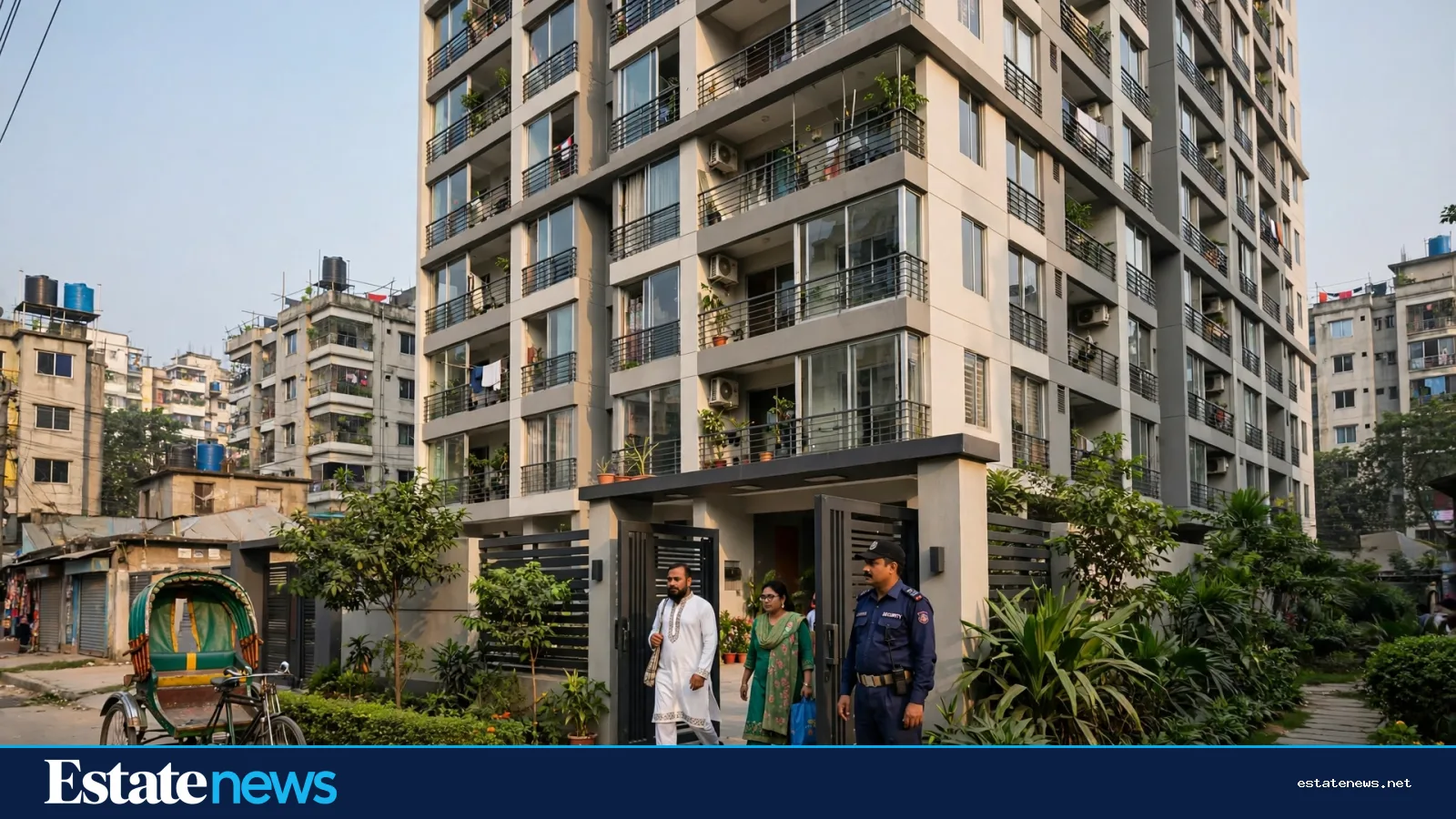
Uttara's case is the opposite. The sectors are laid out, the roads are wide, the lakes and parks are part of the plan, and the newer towers in sectors 3, 4, 6, 7, 9 and 13 come with the fittings middle-class buyers now expect: two lifts, a generator, a parking bay, a community space. The airport is close. The metro rail reaches the area. For a buyer coming from outside Dhaka, Uttara reads as the organised version of the city.
The trade is distance and cost. Uttara is far from old Dhaka, and the trip to Motijheel or Dhanmondi at rush hour is a long one. The newer flats carry higher asking prices than comparable flats in Mirpur, and the service charges in the newer towers run higher too. Some sectors still feel half-settled, with empty plots and unfinished blocks beside finished ones. The neighbourhood is arriving, but in parts of Uttara it has not fully arrived.
The check that matters most in Uttara is the sector and the project. A flat in a finished block in a settled sector is a different buy from a flat in a tower on a half-built road. Visit at night, when the street lights and the emptiness tell the truth about a sector, and ask the residents how long the water and gas have been steady.
How a family should choose
The choice comes down to three questions, and the answers are different for every family. Where does the earner work, and how long is the commute willing to be? Where do the children go to school, and is that school in Mirpur, in Uttara, or somewhere in between? And how much of the budget should go to the flat, and how much to the life around it?
A family with roots in old Dhaka, parents in Mirpur, and a job in the west of the city will find Mirpur hard to beat. A family moving to Dhaka for the first time, working near the airport or in the north, and wanting a new building with new fittings, will find Uttara hard to beat. A family with a tight budget and a need for space will lean Mirpur. A family with a little more to spend and a wish for order will lean Uttara.
Neither area is the wrong answer. The wrong answer is buying in either one without visiting at rush hour, without talking to the residents, and without checking the building's papers and its lift, water and gas. Mirpur and Uttara will both still be there next month. The flat a family buys should fit the life they actually live, on the streets they will actually walk, in the mornings that start the day. That is the test, and it has nothing to do with which end of the city is fashionable this year.