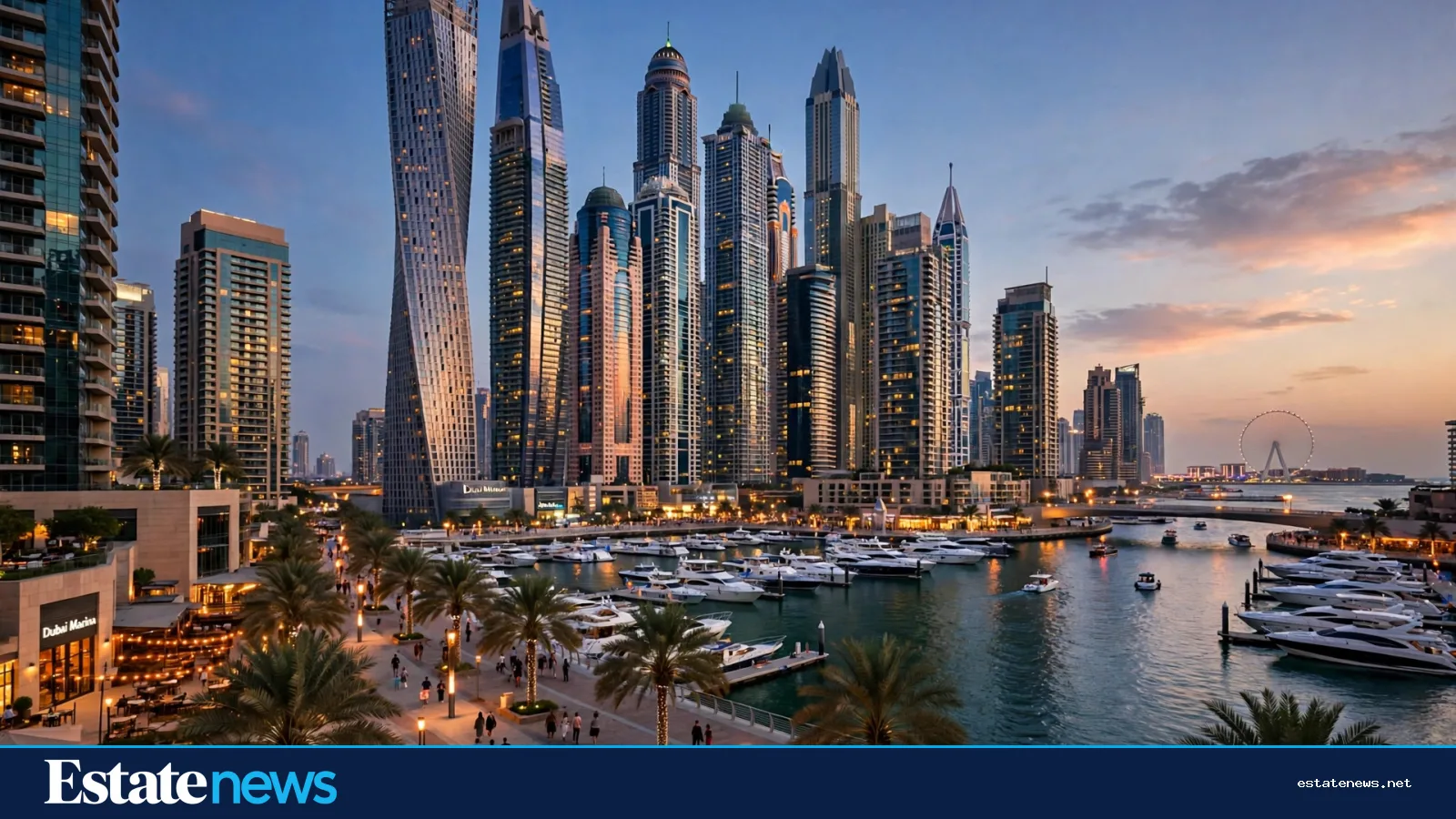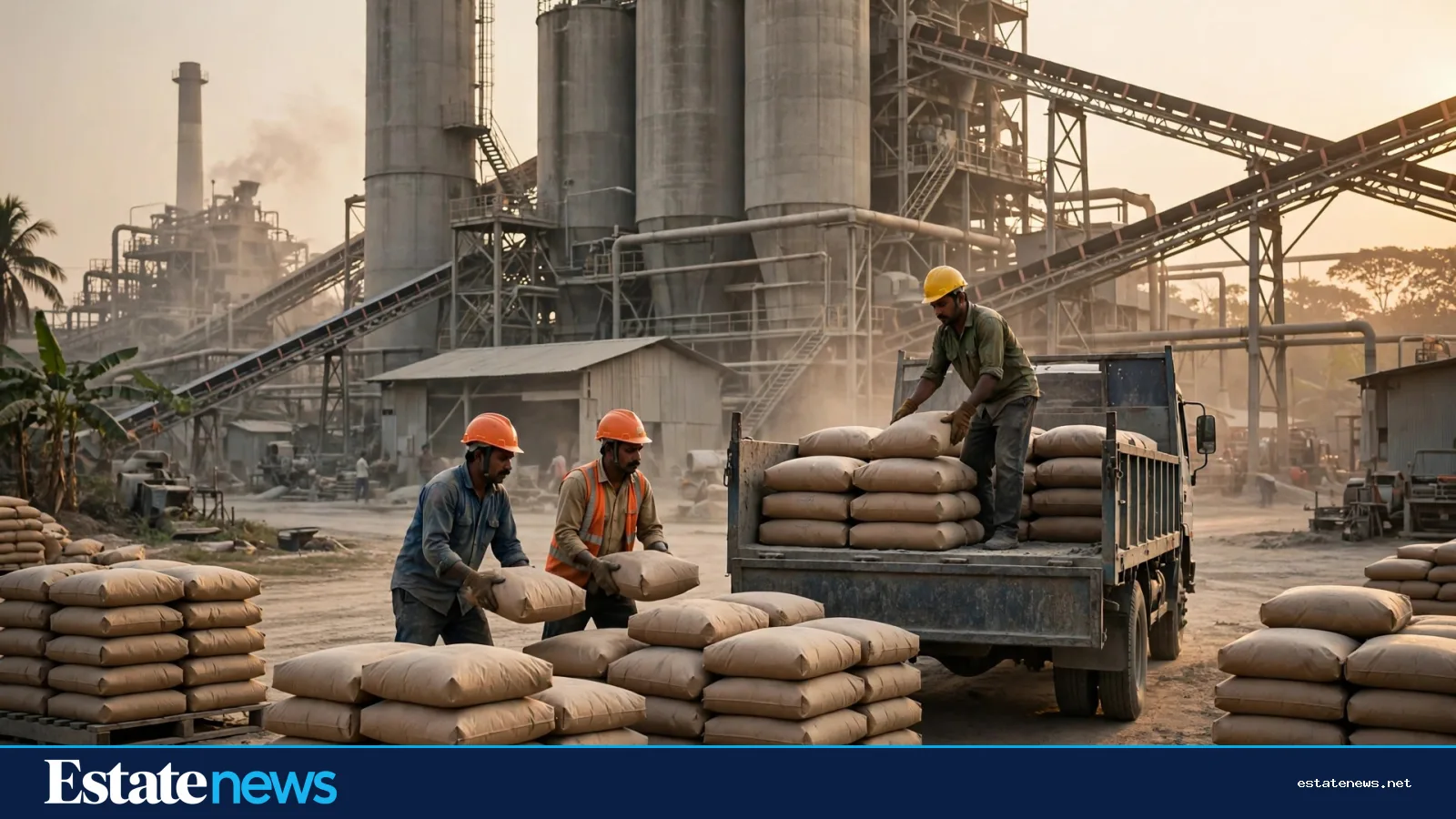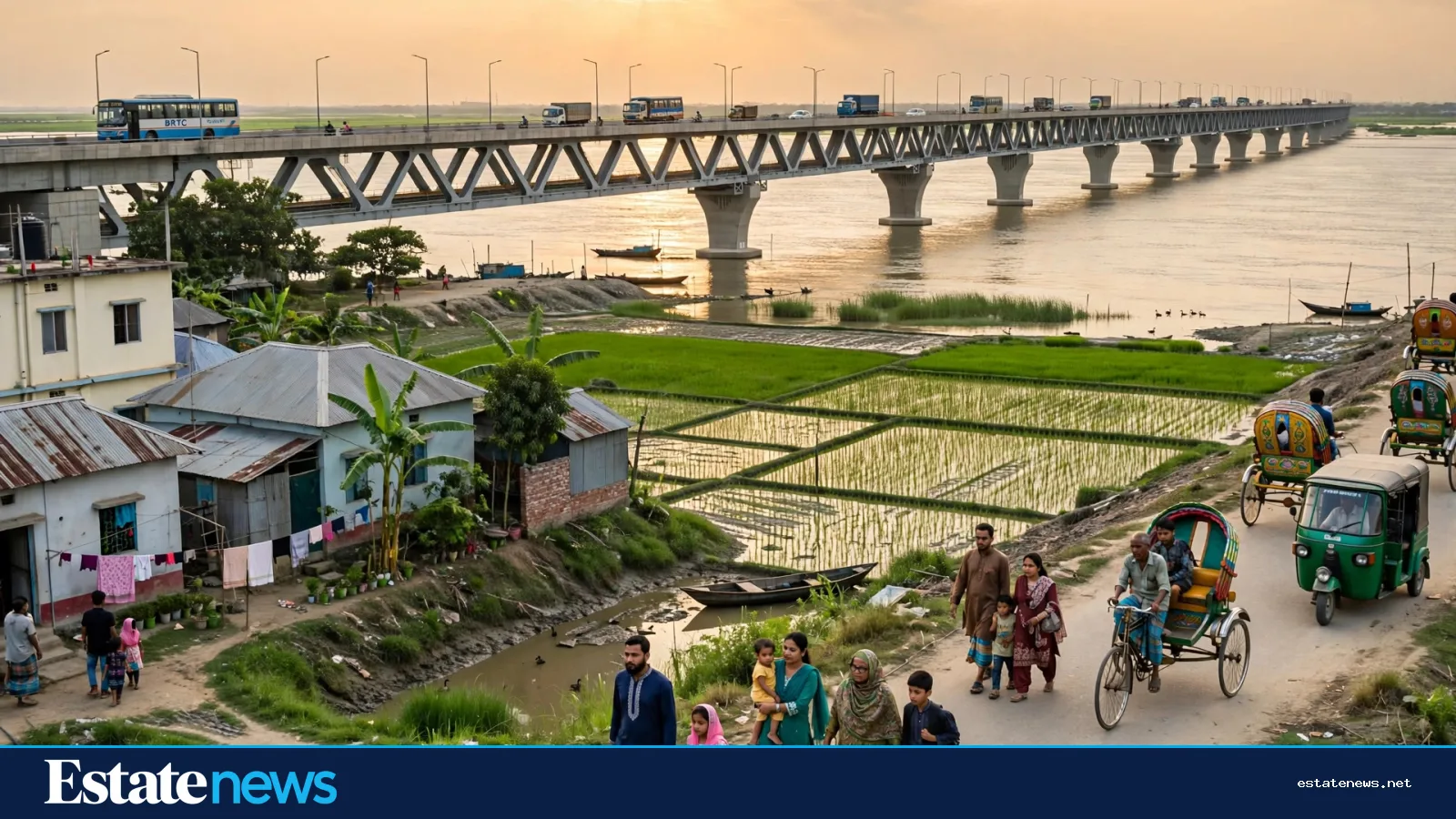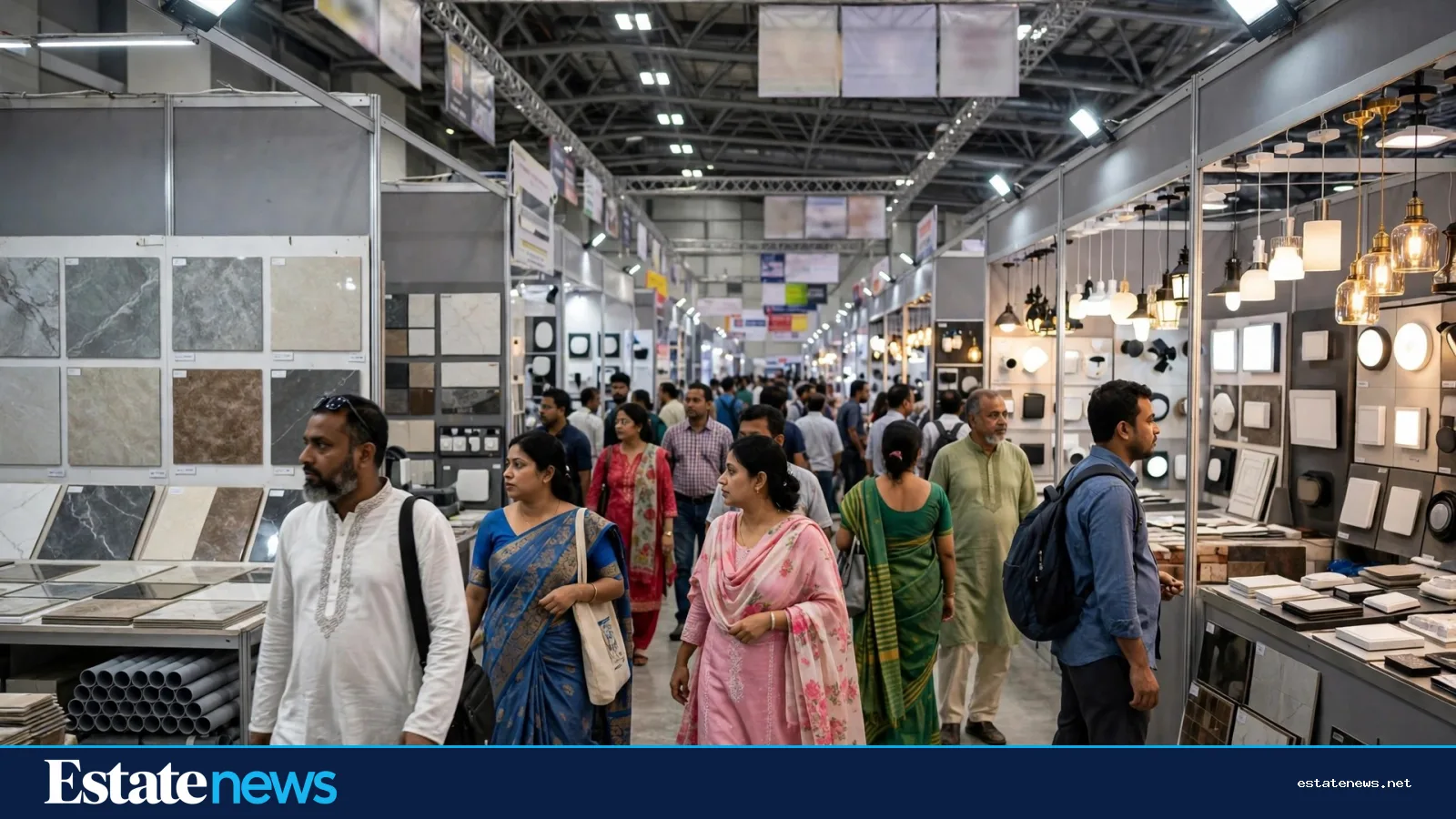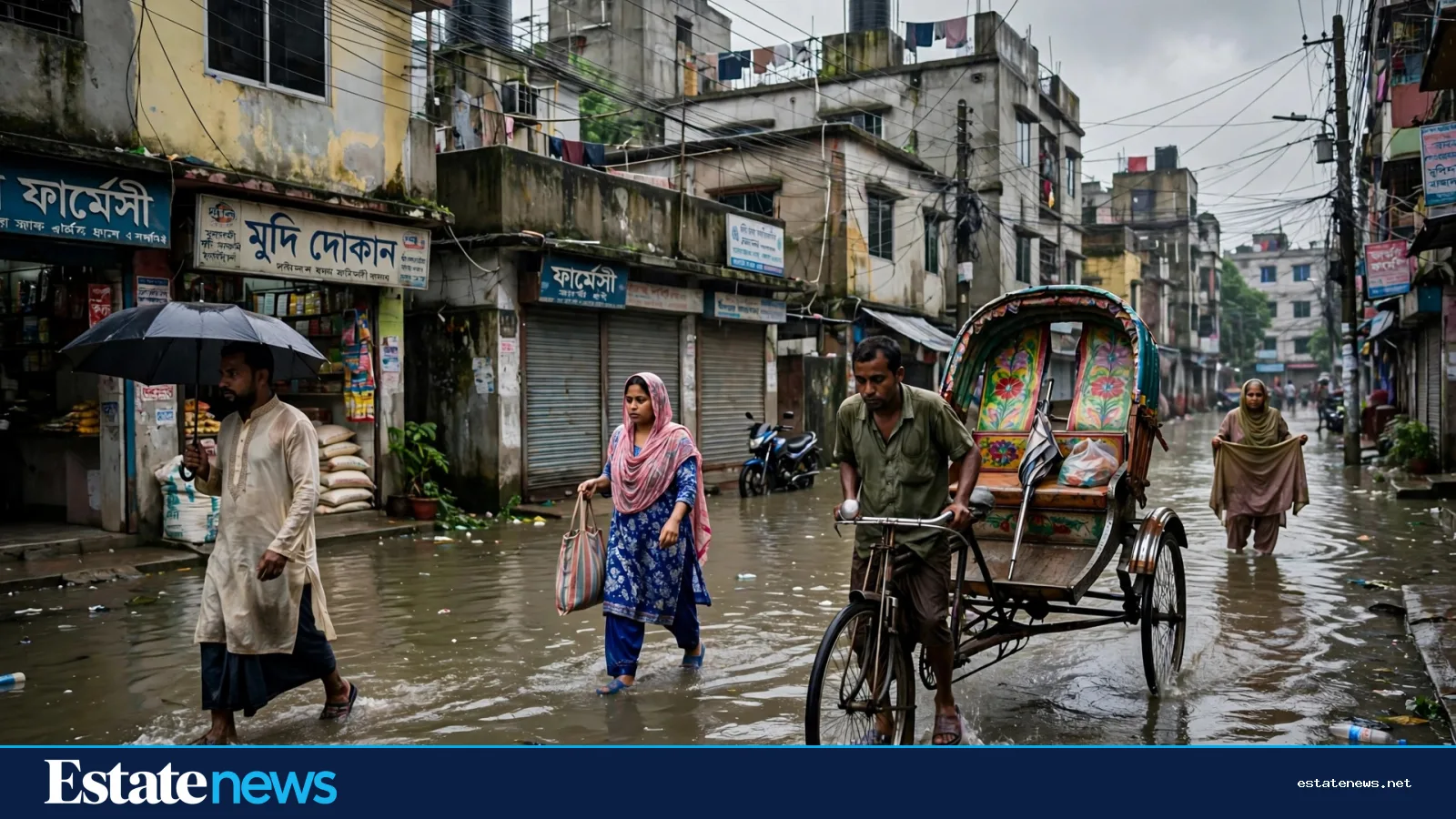
The climate talks in Antalya have a phrase on their agenda that sounds abstract until you live in Dhaka. Climate-resilient cities. COP31 runs from 9 to 20 November in Antalya, Türkiye, co-led by Türkiye and Australia, and its Action Agenda lists resilient cities alongside clean energy, food security and zero waste. For a city that floods in the monsoon, bakes in April and breathes bad air in winter, resilience is not a conference theme. It is a drainage line, a window that opens, and a roof that does not turn a top floor into an oven.
Bangladesh arrives at the talks with its own numbers. The country's third climate plan, NDC 3.0, submitted in September 2025, targets emissions 20.31 percent below business-as-usual by 2035. Carrying out the mitigation measures between 2026 and 2035 needs about US$116.18 billion, of which $25.95 billion is unconditional, meaning Bangladesh will fund it itself, and $90.23 billion is conditional on international climate finance. The gap between those two figures is the negotiation in a single line: the plan exists, and most of its cost depends on money that has not yet arrived.
Heat, water and air, in that order

A Dhaka flat buyer meets climate change in three ways, and the order matters. Heat comes first. A top-floor flat under a bare concrete roof can run several degrees hotter than the floor below it, and the cost lands in the electricity bill and in sleep. A roof with shade, a light-coloured finish, or a layer of soil and plants changes the temperature of the rooms below it. Cross-ventilation, windows on two sides that let air move through, does the same work for free. When buyers visit a flat, they check the tiles and the fittings. The window positions deserve the same attention.
Water comes second. Dhaka's streets waterlog in heavy rain, and a ground-floor flat pays for it in damp walls, ruined furniture and a lift that stops working. The questions to ask are plain: how high is the plinth above the road, where does the rainwater go, and does the building have a working pump. A housing society that clears its drains before the monsoon has already done more for resilience than a brochure promising a green building.


Air comes third, and it is the hardest to fix from inside one flat. Dhaka's air turns unhealthy in the dry months, and construction dust adds to it. A flat near an open plot or a lake breathes better than one facing a construction site, and that difference is worth weighing when two flats cost the same. Trees on the plot, a setback that lets air move, and a balcony that catches a breeze are not decoration. They are the building's lungs.
Who pays for a resilient flat
The hard part of the COP31 agenda is the bill. A resilient building costs more to build: better drainage, thicker insulation, a pump that works, a roof that is finished properly. The buyer pays that cost in the flat price, or the owner pays it later in repairs and electricity. The climate finance in Bangladesh's plan is meant to close that gap for public works and for the poorest households. For a private flat buyer, the honest arithmetic is smaller and closer to home: spend a little more on the roof, the drainage and the ventilation now, or spend it every year on power, pumps and damp repairs.
There is a second bill, and it falls on the city. Dhaka's drains, its waterlogging and its heat are problems no single building can solve. The COP31 agenda asks cities to plan for them together, with money from national budgets and from international funds. Bangladesh's $116.18 billion figure covers the whole country, not one city, and most of it is conditional. The talks in Antalya will decide how much of that money moves, and how fast.
For now, the useful part of the agenda for a Dhaka buyer is a checklist, not a slogan. Ask about the roof. Ask about the plinth and the pump. Ask where the windows face and whether air moves through the flat. A building that answers those questions well is already a climate-resilient building in the sense that matters: it keeps a family cooler, drier and healthier. The solar rooftop guide shows one part of the same answer, what a housing society gains from its roof, and the air quality piece sets out what construction dust means for the air a buyer will breathe.