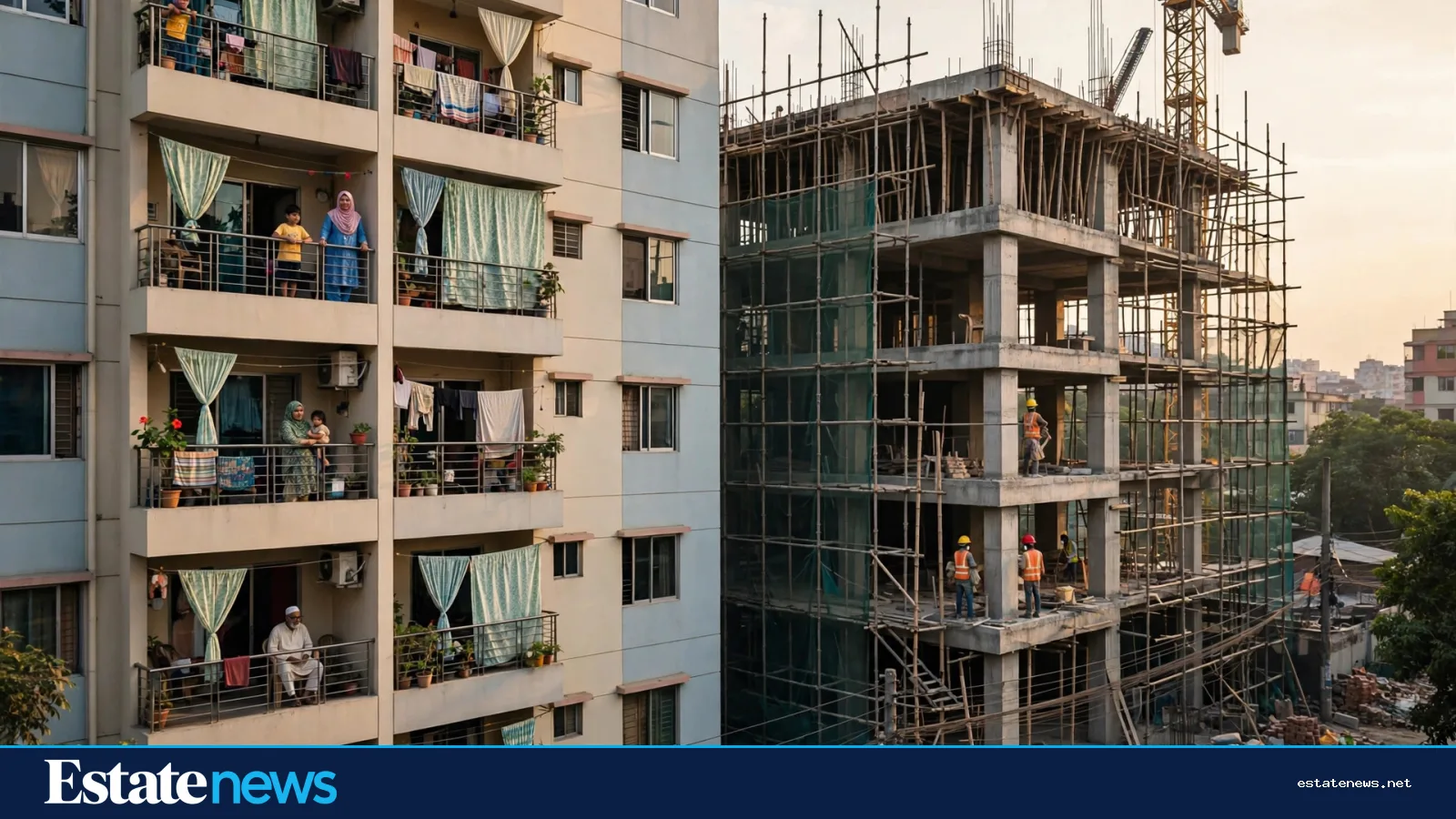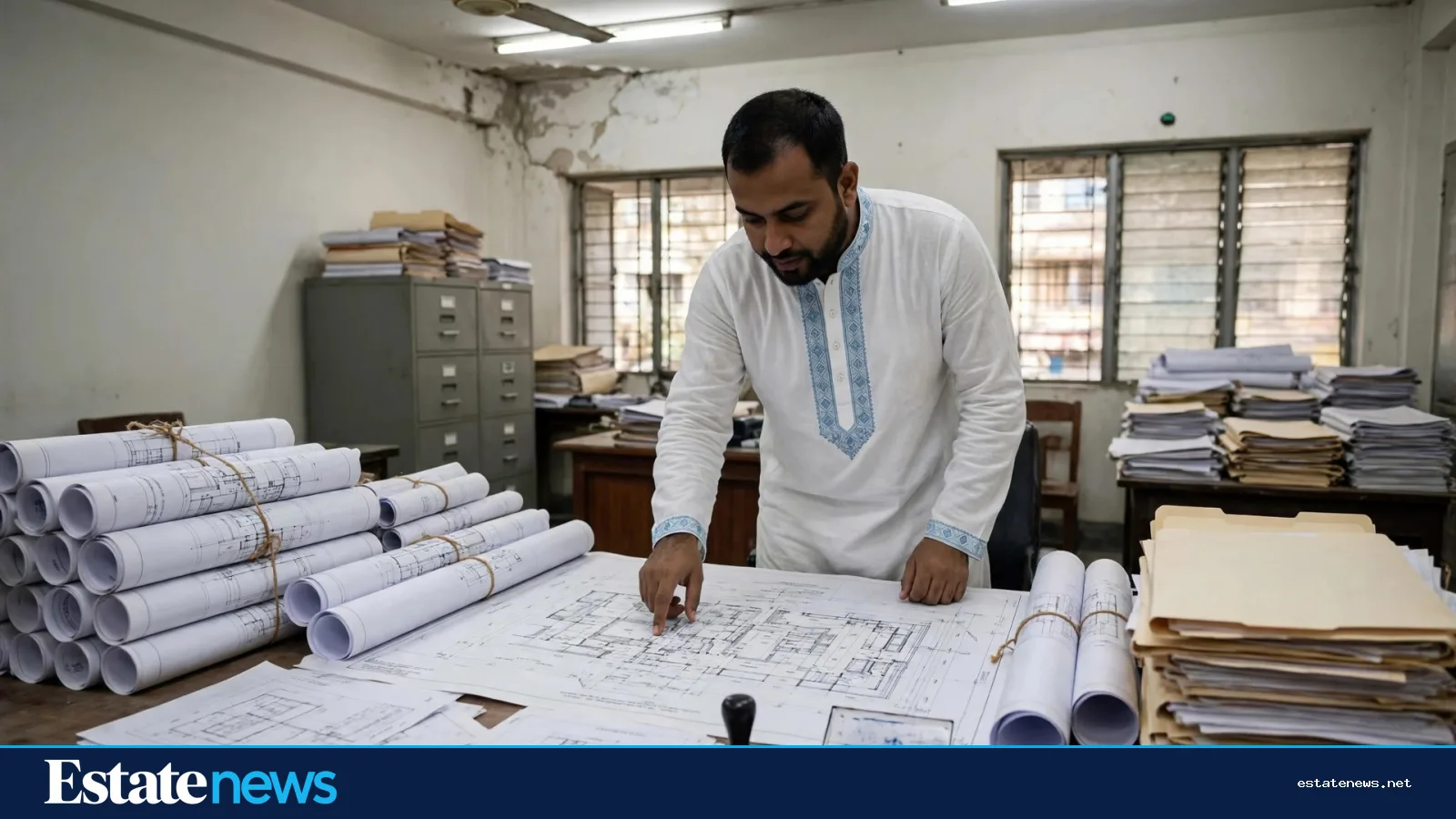
Every legal apartment building in Dhaka starts the same way: on paper, on a desk, waiting for a stamp. The Rajdhani Unnayan Kartripakkha, RAJUK, is the authority that approves building plans in the capital, and no developer can lawfully start construction without its approval. Yet most buyers never see the process. They see the finished flat, the brochure and the sales office. The approval file sits in a drawer somewhere, and the buyer is expected to take it on trust.
That trust is worth checking. A building raised without approval, or raised differently from the approved plan, can leave its buyers with a flat that is hard to sell, hard to register and hard to defend. Knowing how the approval works is the cheapest protection a buyer has.
Before the plan is drawn

The process starts with the land, not the building. The owner or developer must hold clear title to the plot, and the land records must match the ground. That means the deed, the mutation record and the survey records should all describe the same plot, in the same name, with the same boundaries. Where the records disagree, the disagreement must be settled before a plan is submitted, because RAJUK will not approve a building on land whose ownership is in doubt.
With the land settled, an architect prepares the plan. The drawings show the building's size, height, number of floors, setbacks from the plot boundary, staircases, lifts, parking and open space. The plan must follow the building rules that apply to that plot, including how much of the land can be built on and how tall the building can rise. A good architect designs inside those rules. A careless one draws first and argues later.
Submission and scrutiny
The developer then submits the plan to RAJUK with the supporting documents: proof of ownership, the land records, the architect's drawings and the other papers the authority requires. RAJUK's officials examine the submission against the rules. They check the plot size, the floor area, the setbacks, the height and the services. Where something does not match, they raise a query or ask for a correction. The developer answers, amends the drawings and resubmits. This exchange can run for several rounds.


The process is slow, and the industry knows it. REHAB president Ali Afzal said at the Abashan Mela that building plan approvals take two years instead of the promised 30 days. That gap is the single most repeated complaint in Dhaka's housing business, and it shapes everything else: developers plan their launches around it, buyers wait for it, and projects slip because of it. The promise and the practice are far apart, and buyers should know that before they believe a launch date.
The stamp, and what comes after
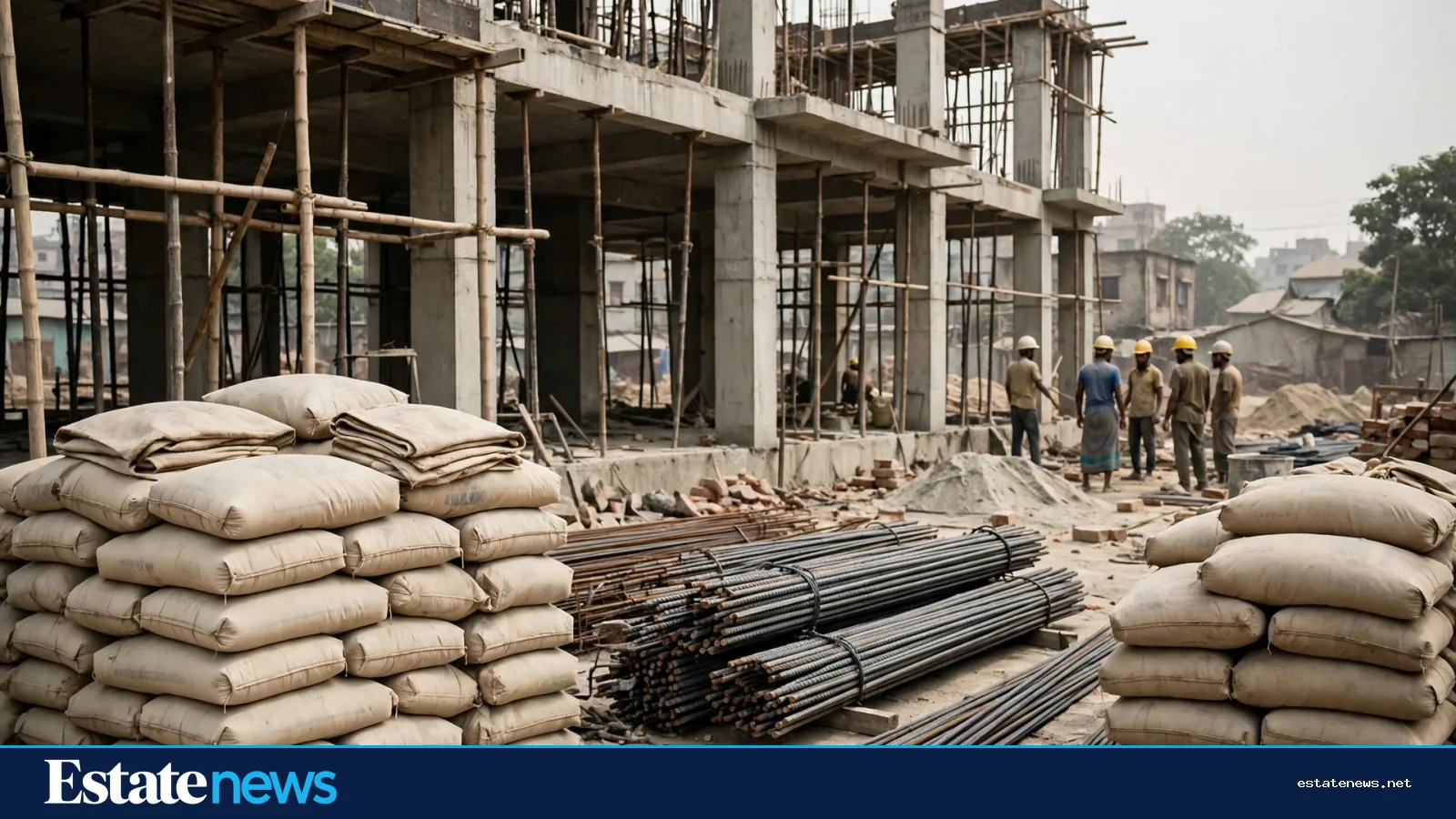
When the plan satisfies the rules, RAJUK approves it and the developer can begin construction. The approval is not a blank cheque. The building must be raised as drawn. If the developer adds floors, extends balconies or changes the use of space beyond the approved plan, the building no longer matches its approval, and the buyers inherit the problem. That is why the approved plan matters long after the stamp is given: it is the document the finished building is measured against.
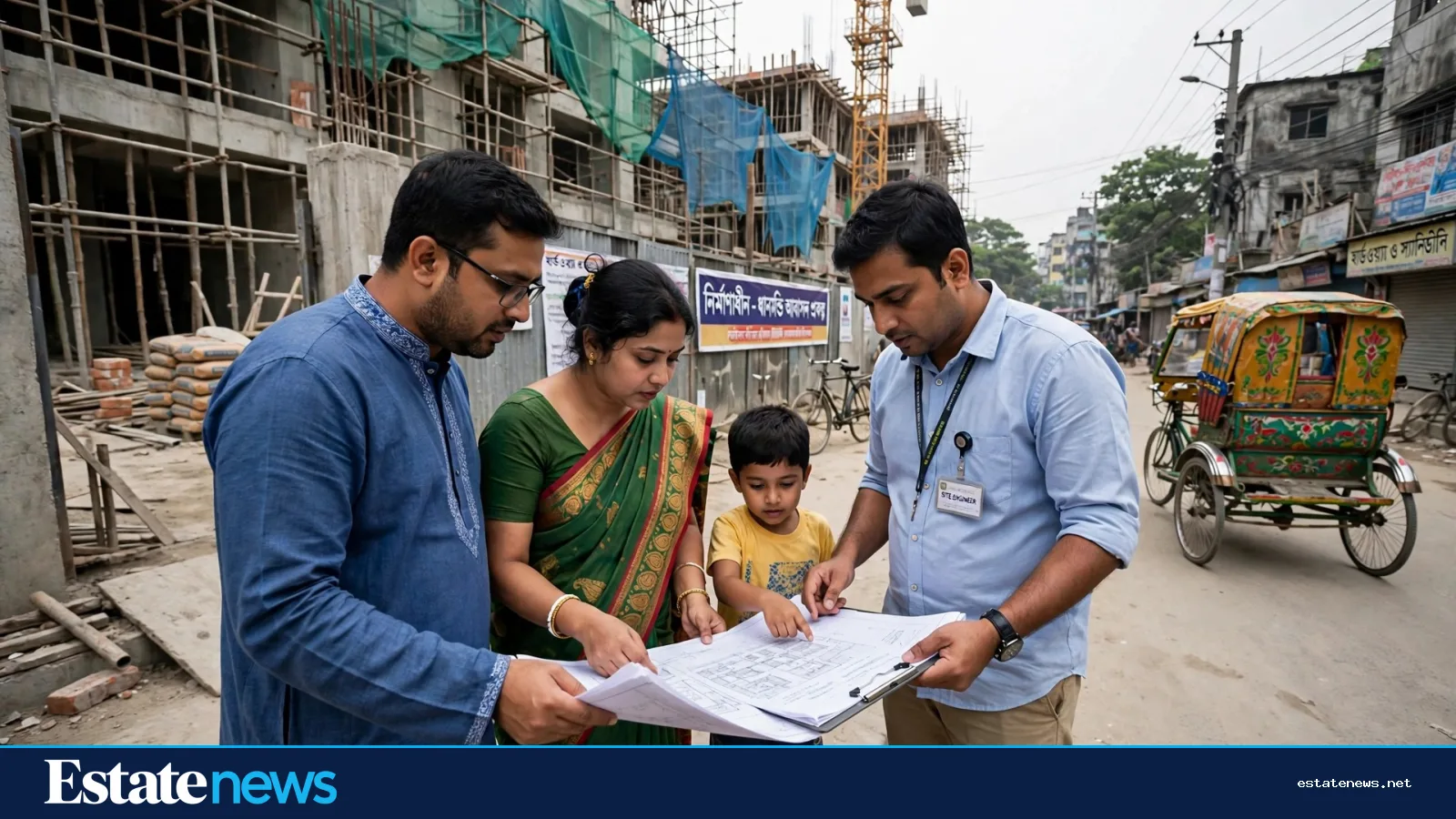
Buyers have a simple way to protect themselves. Before booking a flat, ask to see the RAJUK approval for the project, and check that the approval covers the building you are buying into. Ask whether the flat you are buying matches the approved plan, including its size and floor. Ask the developer when the approval was given and whether any part of the project was changed afterwards. A developer with a clean approval will show it. One that will not show it is telling you something.
There is one more check worth making. The approval belongs to a specific plot and a specific building. A developer with several projects cannot show the approval for one building and use it to sell another. Each project carries its own file, its own drawings and its own stamp. Match the paper to the plot, and the plot to the building you are standing in front of.
RAJUK approval will never be the most exciting part of buying a flat. Nobody frames the stamp and hangs it in the living room. But it is the part that decides whether the flat you buy is a lawful home or a long argument. Spend an afternoon on the paperwork before you spend years paying for the flat. It is the cheapest afternoon in the whole purchase.