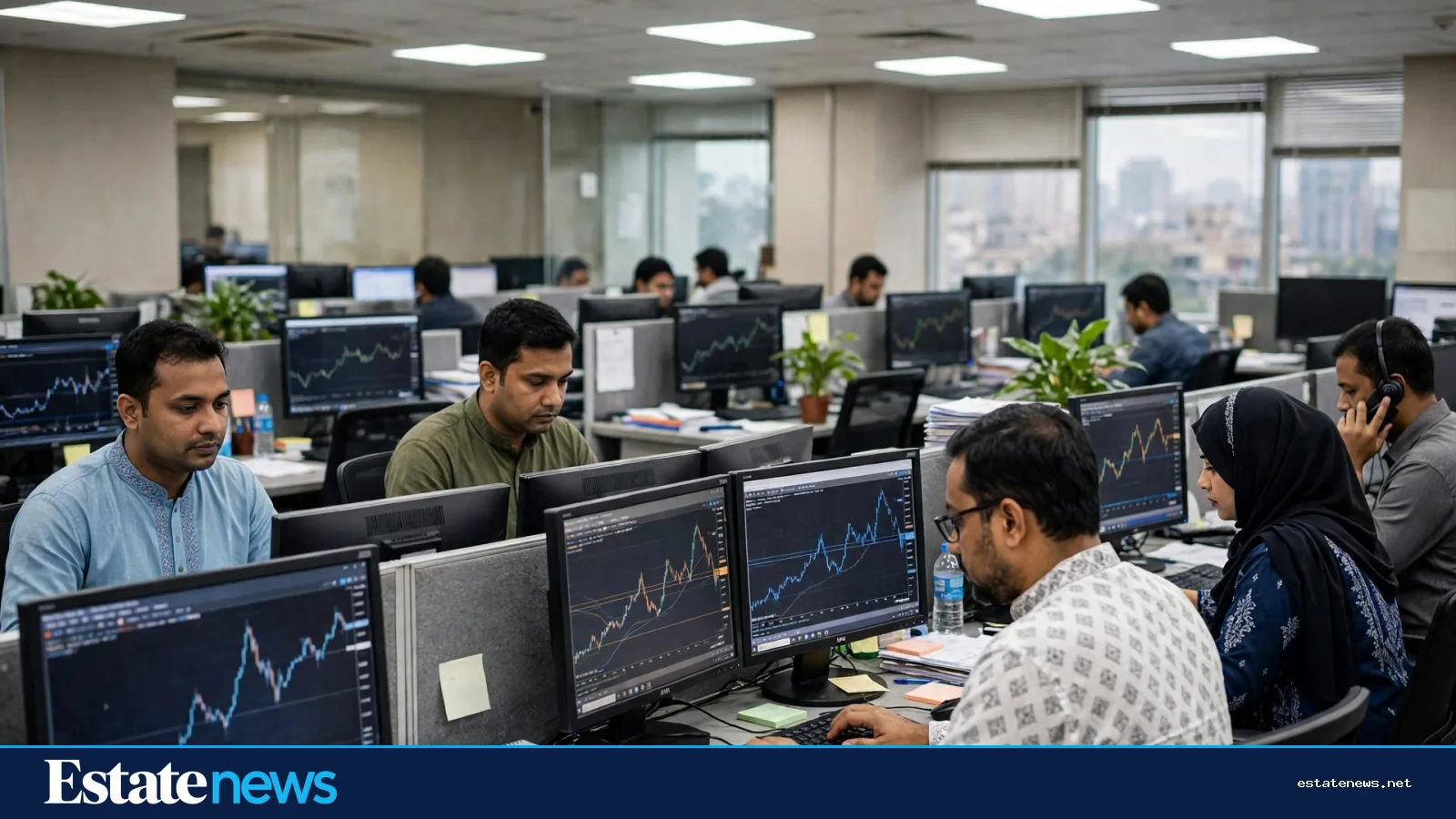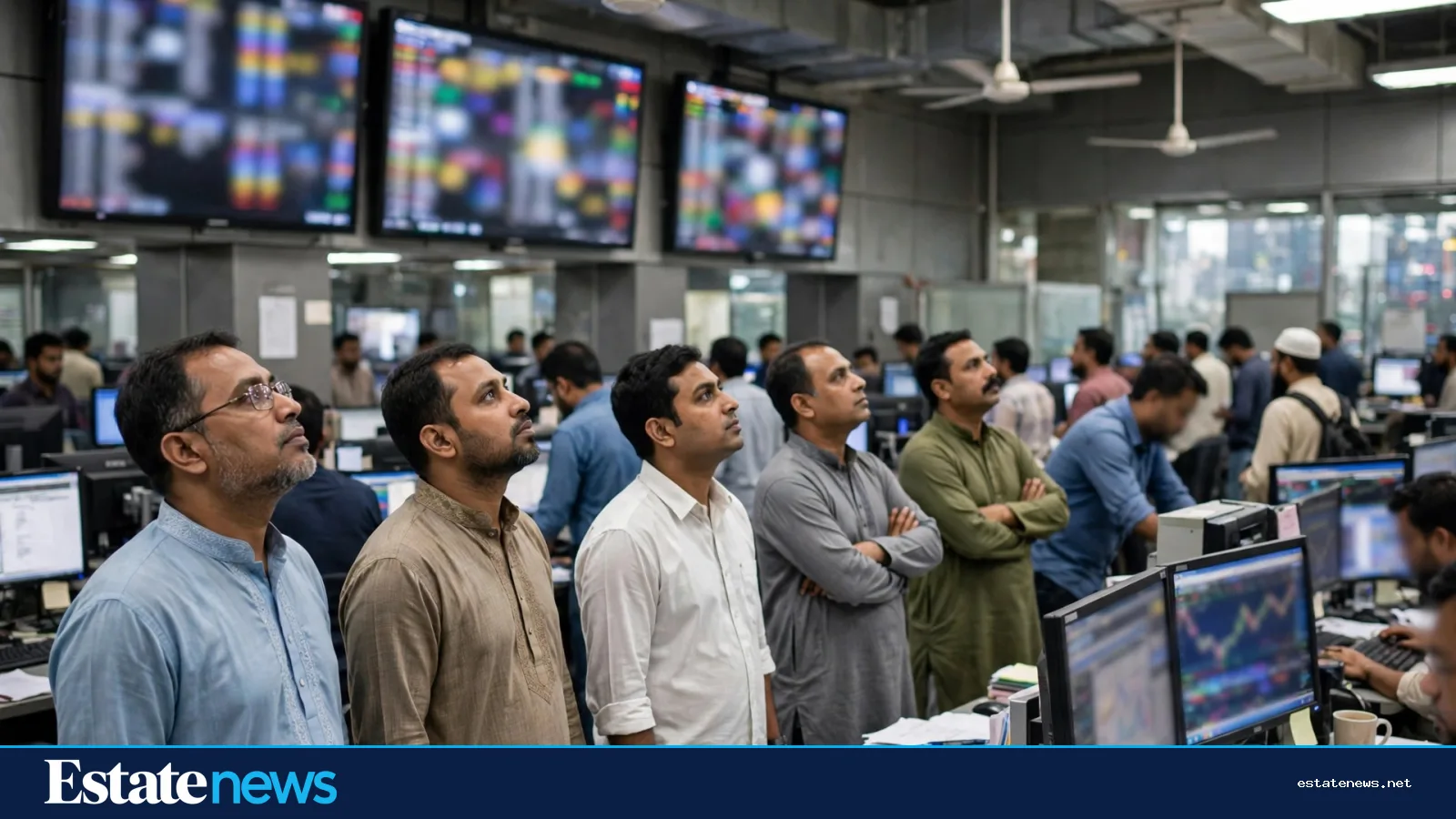
The stock market is closed for the weekend, and the week ended the way it began: quietly. The DSEX finished Thursday, 12 November, at 5,444.9, down 0.15 points on the day. Turnover was Tk 699.01 crore, down 7.7 percent from Tk 757.66 crore the day before. Foreign investors were net sellers of Tk 4.89 crore. A total of 381 issues traded on the Dhaka Stock Exchange.
Read plainly, the week gave the market little to cheer and little to fear. The index had gained 8.32 points on Wednesday to 5,445.06, its second straight gain, with turnover of Tk 757.7 crore, the highest since 23 September. Thursday gave almost all of that back in spirit, if not in points. The index barely moved. The money moving through the market fell instead. That is a market waiting for a reason to move, not a market in trouble.
The backdrop is worth remembering. The exchange has had a better month than its reputation suggests. The floor-price restrictions that froze trading for so long were fully released on 9 June this year, and the market has been finding its feet since. This week, the securities regulator also moved on a long-running file. On 13 November, the Bangladesh Securities and Exchange Commission conditionally unfroze 93 BO accounts belonging to seven individuals, frozen since 21 August 2024. The order, signed by BSEC Chairman Masud Khan, allows only regular secondary-market trading. No share transfers, no block-market deals, no fund withdrawals. The market took the news in its stride.

Remittance keeps its pace
If the stock market spent the week standing still, remittance kept walking. Bangladesh Bank data shows remittance of $1.409 billion in the first ten days of November, up 27.1 percent on $1.109 billion in the same period last year. On 10 November alone, $126 million came in. The cumulative figure for the financial year so far, from 1 July to 10 November, stands at $12.874 billion, up 14.4 percent on $11.258 billion a year earlier.
Those are strong numbers, and they matter for more than the families receiving the money. Remittance is the steadiest source of foreign currency the country has. It pays for imports, it steadies the exchange rate, and it puts cash into households that spend it on homes, shops and small businesses. October brought in $2.87 billion, up 12.1 percent year on year. September brought $2.77 billion. August brought $2.97 billion. July brought $2.86 billion. The financial year 2025-26 set a record of $35.59 billion, up 17.34 percent. This year's early pace suggests the record is not a one-off.
The 2.5 percent cash incentive on remittances sent through formal channels stays in place under the budget for FY2026-27. It is a small number with a large effect. For a family receiving money from abroad, it is the difference between the informal hundi route and the bank. For the country, it is the difference between money the central bank can see and money it cannot.
The dollar, and what the central bank did


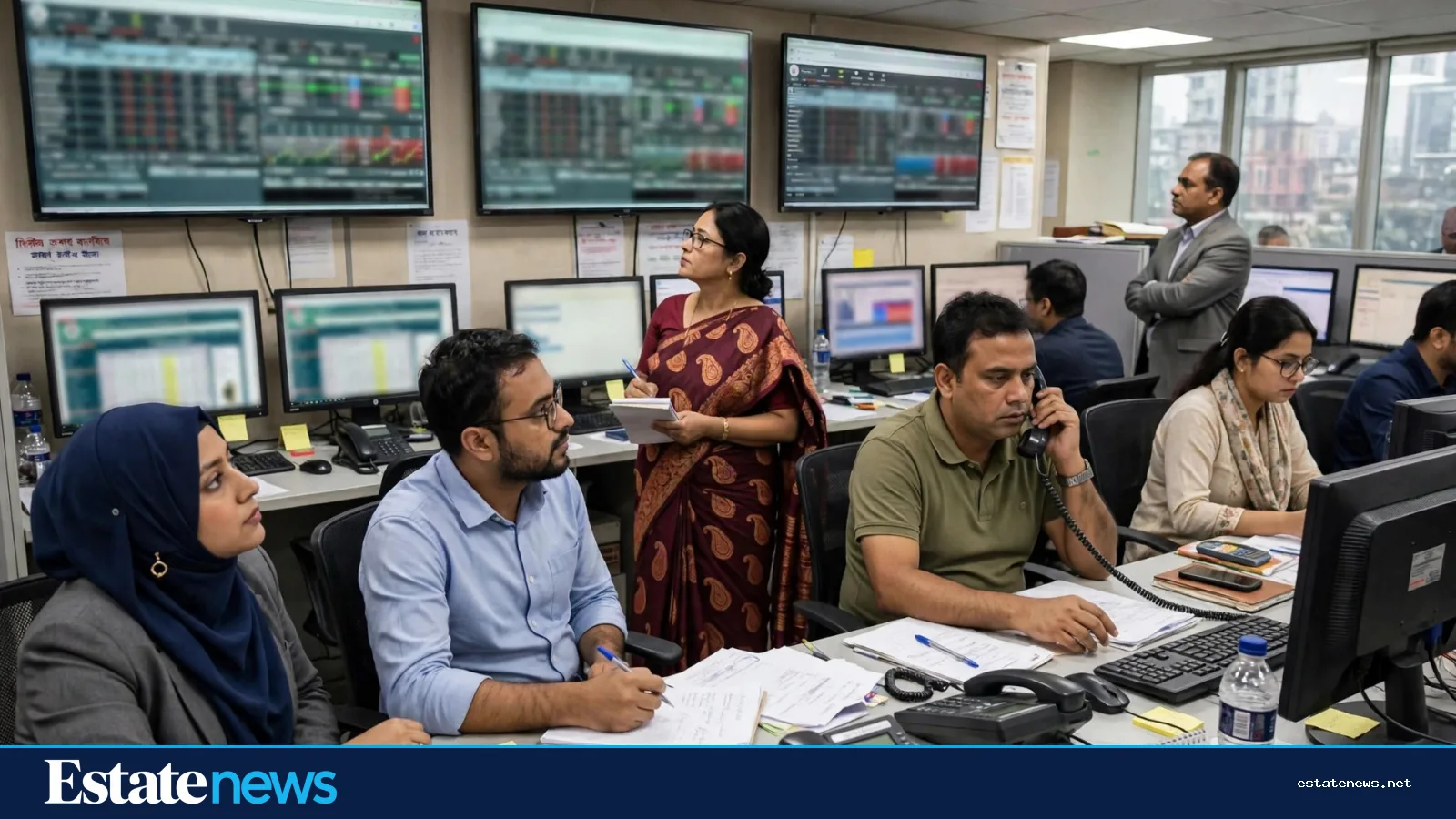
The taka's week was shaped by one number: $205 million. That is how much Bangladesh Bank sold on 12 November, at Tk 124.74, to steady the market. Remittance houses had been paying above Tk 125.30 in the morning. After the auction, purchases came in at Tk 124.90 to Tk 124.95, about Tk 0.35 to Tk 0.42 cheaper per dollar. The weighted average interbank rate stood at Tk 124.75, up from Tk 124.65, and Tk 1.47 higher than Tk 123.28 a month earlier.
The central bank also told banks not to resell the auction dollars in the interbank market, a reminder that the sale was meant to meet real demand, not to feed trading. Bangladesh Bank had also sold $100 million on 4 November. The two sales tell their own story: demand for dollars stays strong, and the central bank is willing to meet it, week by week, rather than let the rate run.
Reserves stood at $29.82 billion after the 12 November sale, on the BPM6 measure. Gross reserves were $34.99 billion, with BPM6 reserves at $30.12 billion on 10 November. The numbers are comfortable by recent standards, and the remittance flow is the reason they stay that way.
What to watch next week
The market opens Sunday with the same questions it closed with. Can turnover build on the 11 November high, or was that a one-day spike? Does the BSEC order bring any of the frozen accounts' owners back to active trading? And does the remittance pace hold through the rest of November, when the flow often eases after the early-month rush?
For households, the week's numbers carry a quiet message. The exchange rate has steadied around Tk 124.75 to the dollar. Remittance is arriving at a record pace. The stock market is neither running away nor falling apart. None of that makes a headline on its own. Together, it is the picture of an economy holding its balance while it waits for the next push.
This article is for information only and is not financial advice.