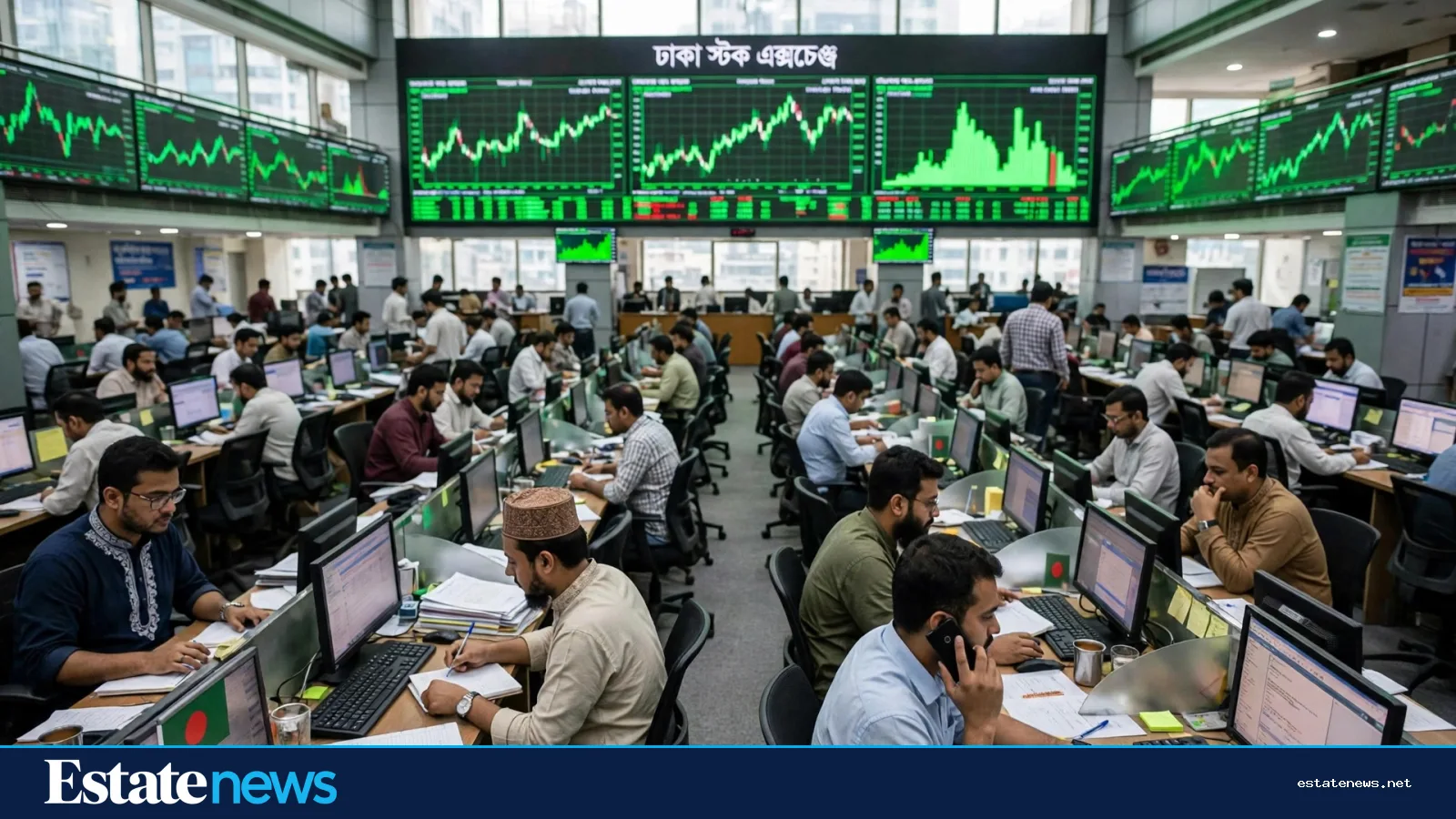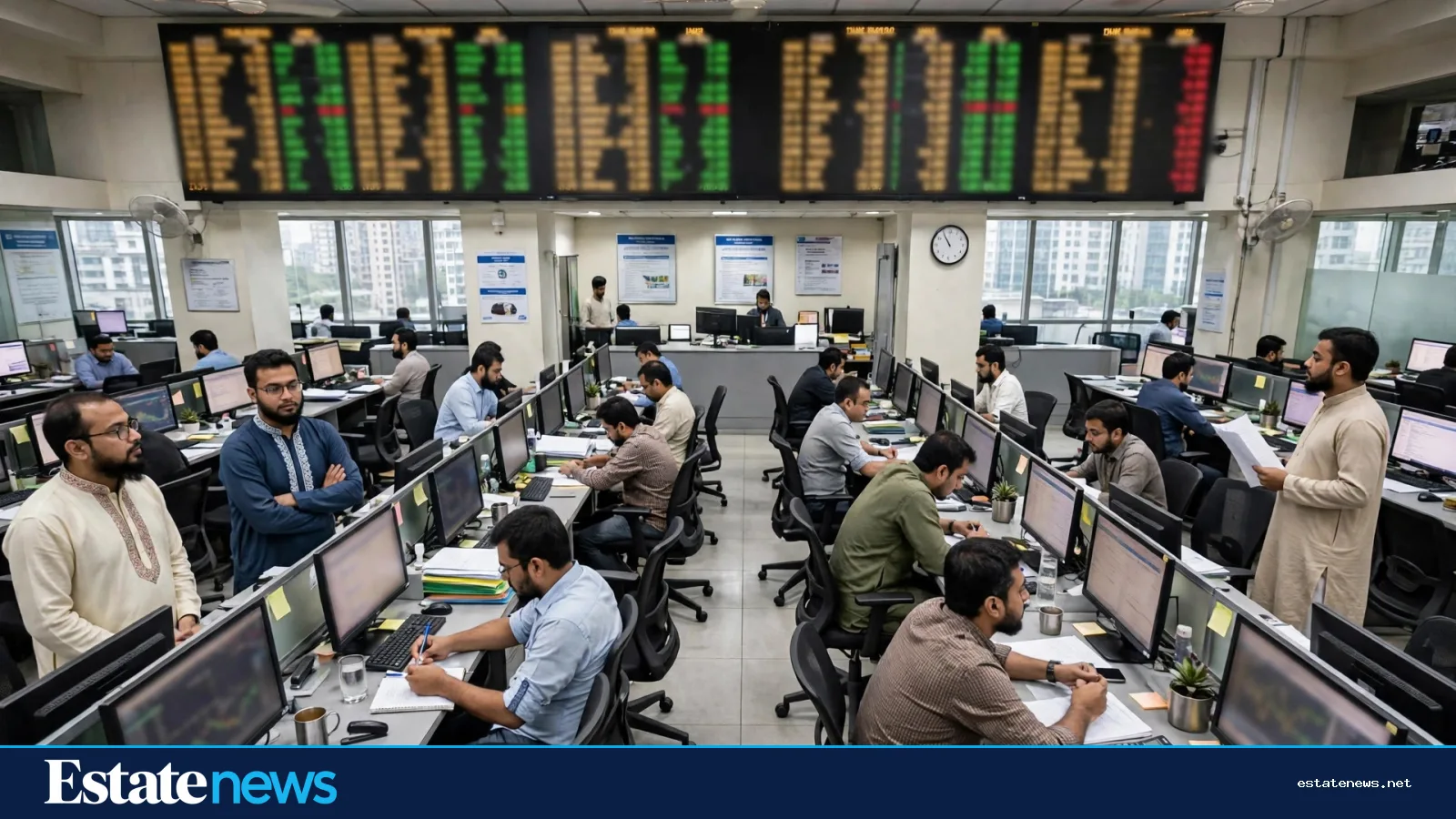
Dhaka's stock market gave investors a small piece of good news this week. The DSEX, the Dhaka Stock Exchange's main index, closed the week at 5,445.06, up 0.6 per cent, and in doing so it broke a losing run that had lasted six weeks. Wednesday's turnover reached Tk 757.7 crore, a sign that buyers were willing to come back, at least for a day.
A single week does not make a trend. Six weeks of losses are not erased by one rise. But after a month and a half of steady selling, the turn matters, and it gives the market something it has lacked: a week that ended higher than it began.
Reserves hold above $30 billion

Bangladesh Bank's reserves stood at $30.12 billion on the BPM6 measure, with gross reserves at $34.99 billion as of 10 November. The gap between the two figures is a matter of method: the BPM6 figure follows the IMF's standard, while the gross figure counts more of the central bank's holdings. Either way, the reserves position held above the $30 billion mark that markets watch closely.
The central bank has been active in the currency market. On 14 November it sold $200 million in a foreign exchange auction, a step that supplies dollars to banks and steadies the taka. For households, the reserves number matters in a practical way: it is the cushion that lets the country pay for imports, from fuel to food, without a scramble.
Exports keep growing, garments lead
Exports reached $17.04 billion in the first four months of the financial year, July to October, up about 6 per cent on the same period last year. Garments, the country's largest export, brought in $13.75 billion of that total. The figures keep Bangladesh's export story on its familiar track: steady growth, led by the garment factories that employ millions.
The export number connects directly to housing. Factory orders support wages, wages support rents and home purchases, and the industrial areas around Dhaka and Chattogram keep drawing workers who need homes. When exports grow, the demand for housing in those corridors grows with them, slowly and without headlines.
Remittance keeps flowing in


Money sent home by Bangladeshis working abroad reached $12.874 billion between 1 July and 10 November, up 14.4 per cent on the same period last year. In the first ten days of November alone, $1,409 million arrived, up 27.1 per cent. Remittance is the second pillar of the household economy, after garments, and it is the one that most directly touches homebuying: many families use money from abroad for a down payment, a plot, or a flat for the family back home.
The remittance figure is supporting data in this week's wrap, not the headline. It has been strong for months, and it continues to be strong. That steadiness is the story.
A conference on the debt
Bangladesh opened a two-day conference on 15 November in Cox's Bazar on the subject of the country's debt, running through 16 November. The timing is no accident. Bangladesh's external borrowing has grown, and the question of how it is managed, and what it is spent on, has become part of the economic conversation. A conference does not settle a debt question. It puts the numbers on the table, and the discussion that follows will matter more than the opening speeches.
For property readers, the debt discussion is not abstract. Government borrowing shapes interest rates, and interest rates shape home loans. A country that manages its debt well can keep borrowing costs steadier. A country that does not will see the cost of money rise, and homebuyers will feel it first.
What the week adds up to
Put the pieces together and the week looks like this: stocks up after six weeks down, reserves steady above $30 billion, exports growing, remittance strong, and a public conversation beginning about debt. None of these numbers is dramatic on its own. Together they describe an economy that is holding its ground rather than surging ahead.
That is a fair reading of the week, and a useful one for households. A market that stops falling is not yet a market that is rising. A reserve cushion that holds is not yet a reserve cushion that grows. The wrap will keep watching both, week by week, and reporting the figures as they are.
Read more: Bangladesh Market Wrap, 7 November (https://estatenews.net/markets/bangladesh-market-wrap-7-november-stocks-end-the-week-higher-exports-near-4-billion-and-remittance-stays-strong) | October exports and remittance both rose (https://estatenews.net/markets/oktobre-rptani-ar-remitzans-dutoi-badl-karkhana-theke-pribarer-ghr-prznt-ze-taka-pounnchacche) | Bangladesh Market Wrap, 1 November (https://estatenews.net/markets/bangladesh-market-wrap-1-november-a-week-of-lower-stocks-but-busier-trading-and-what-it-means-for-households)