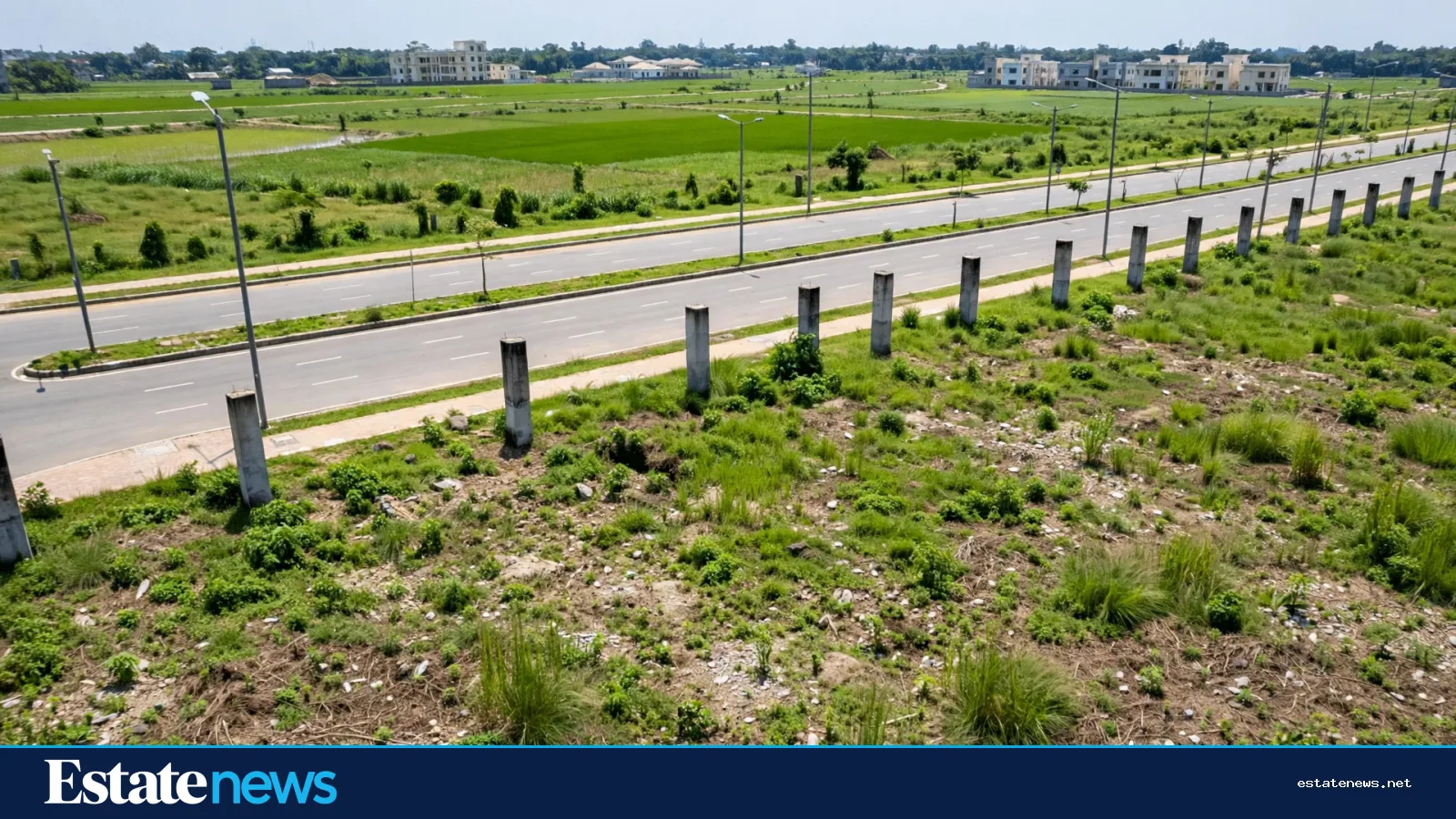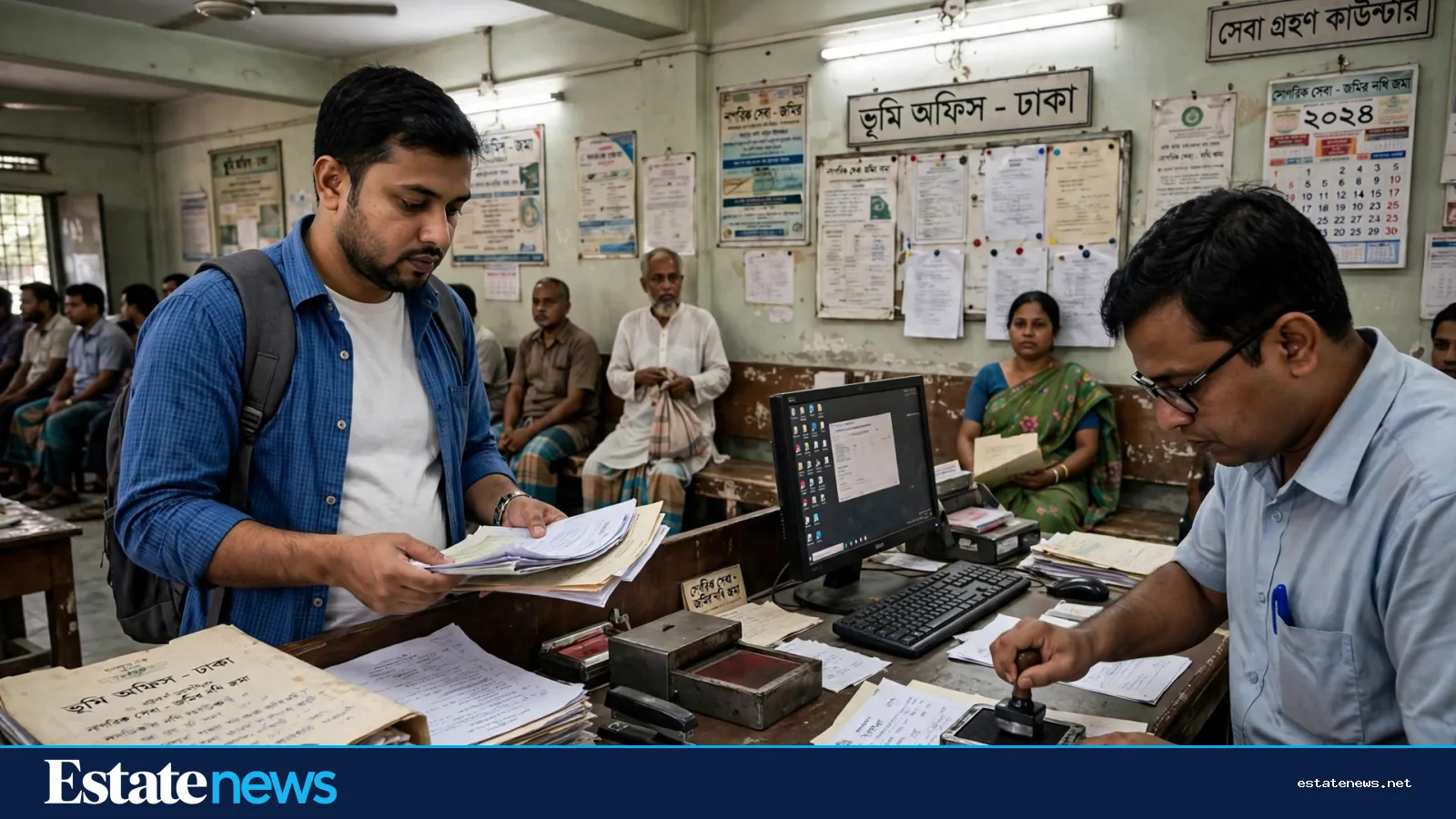
The deed is registered. The keys are in your hand. The flat is yours. Except, in the government's record, it is not yet. The khatian, the record of rights for the land the building stands on, still carries the seller's name. Changing that name is mutation, known in Bangla as namjari, and it is a separate step from registration. Many buyers skip it for years, and find out what it was for only when they try to sell.
Mutation is the correction of the record of rights after a change of ownership. The legal basis is section 143 of the State Acquisition and Tenancy Act 1950, which obliges the revenue authorities to keep the record current when land changes hands by sale, gift, inheritance or court decree. In practice the work is done by the Assistant Commissioner (Land), the AC Land, of the upazila or circle where the land lies. For a flat buyer, mutation covers the buyer's share of the land under the building, and it ends with a new mutation khatian in the buyer's name and a holding number under which land tax can be paid.
Where it starts: the e-mutation portal

Mutation is now applied for online, through the Ministry of Land's e-mutation portal at mutation.land.gov.bd. The applicant selects the division, district, upazila or circle and mouza, then enters the applicant's details, NID and mobile number, and the khatian and dag numbers with the share being mutated. The application number comes by SMS, and the file can be tracked online.
Before applying, check the existing record on the Ministry of Land's records portal to confirm the seller's name, khatian and dag numbers. A mismatch between the deed and the record is the most common reason applications stall.
The papers to gather
Assemble the documents before applying. The registered sale deed in the buyer's name. The earlier deeds in the chain, the baya deeds, showing how the seller acquired the land. A copy of the current khatian. Receipts for land development tax paid up to date. The applicant's NID, verified through the system. A passport-size photograph. For inherited land the warish certificate is needed, and for a court decree the decree itself. Names matter here. If a name is spelled one way on the deed and another way on the NID, the file will slow down. Match them first.
The fee, and what happens after filing
The official fee for mutation is Tk 1,170 in total, made up of a Tk 20 court fee, a Tk 50 notice fee, a Tk 1,000 record-correction fee and Tk 100 for the mutation khatian. That breakdown was confirmed by the Ministry of Land in February 2026. Fees are paid online through the portal, and land offices no longer take cash for mutation. One recent report cited a slightly different figure, so it is worth confirming the amount shown inside the application itself before paying.


Once filed, the Union Land Office, or the city land office for urban land, reports on the file. It checks the record, the possession and the chain of title. The AC Land may then call a hearing, a short sitting where the previous owner, neighbouring landowners or anyone else with an interest can raise an objection. Most straightforward purchases pass without a contested hearing. If an objection is raised, the AC Land hears it and passes a reasoned order. An adverse order can be reviewed by the same officer within thirty days or appealed to the Collector within thirty days.
The ministry's service target is about 28 days, though real timing varies by office and file, so ask the local land office for its current figure. When the order is passed, the applicant pays the fee and downloads the new mutation khatian and the QR-coded DCR, the duplicate carbon receipt that proves the fee was paid and the process is complete.
What the finished mutation gives you
A completed mutation produces three things: the new mutation khatian in the applicant's name, the DCR, and a holding number under which the buyer can pay land development tax in their own name. Without it, the tax account stays in the seller's name, and the buyer cannot show an up-to-date tax record of their own. Since the Land Crime Prevention and Remedy Act 2023, a person without the latest operative khatian and proof of up-to-date land development tax cannot sell, gift, transfer or register a deed for the land. The record, in other words, has teeth.
Mutation does not create title. A khatian carries only a presumption of title, not title itself; the deed creates the ownership and mutation records it. Nor does it fix a bad deed. If the chain of title is weak, the AC Land will refuse the application, a signal to go back to the deed rather than push the mutation harder.
Apply soon after registration, while the deed, the tax receipts and the seller are all within reach. Keep the mutation khatian and the DCR with the deed, in the same folder. A buyer who does this has a file a bank, a future buyer and the land office can all read. A buyer who does not has a deed that says one thing and a record that says another.
This article is general procedural guidance, not legal advice. Confirm current fees and requirements on mutation.land.gov.bd or at the local land office before applying.
Read more: Mutation explained — https://estatenews.net/policy/mutation-explained-the-paperwork-that-makes-you-the-owner-in-the-governments-records | Title search before you buy land — https://estatenews.net/policy/title-search-before-you-buy-land-in-bangladesh-deed-chain-mutation-records-and-how-a-lawyer-checks-ownership | Apartment registration cost in Bangladesh — https://estatenews.net/policy/apartment-registration-cost-in-bangladesh-a-buyers-guide