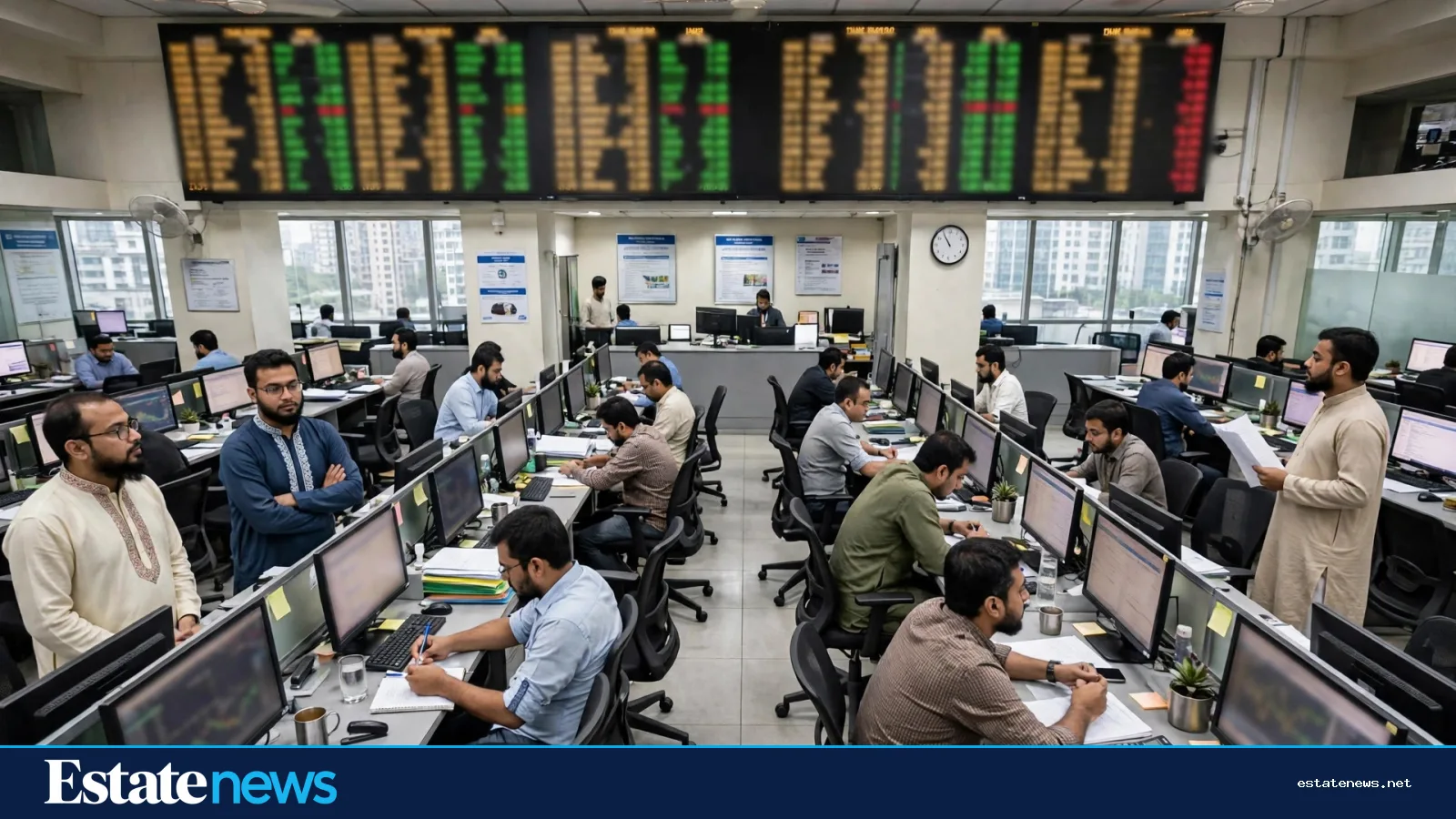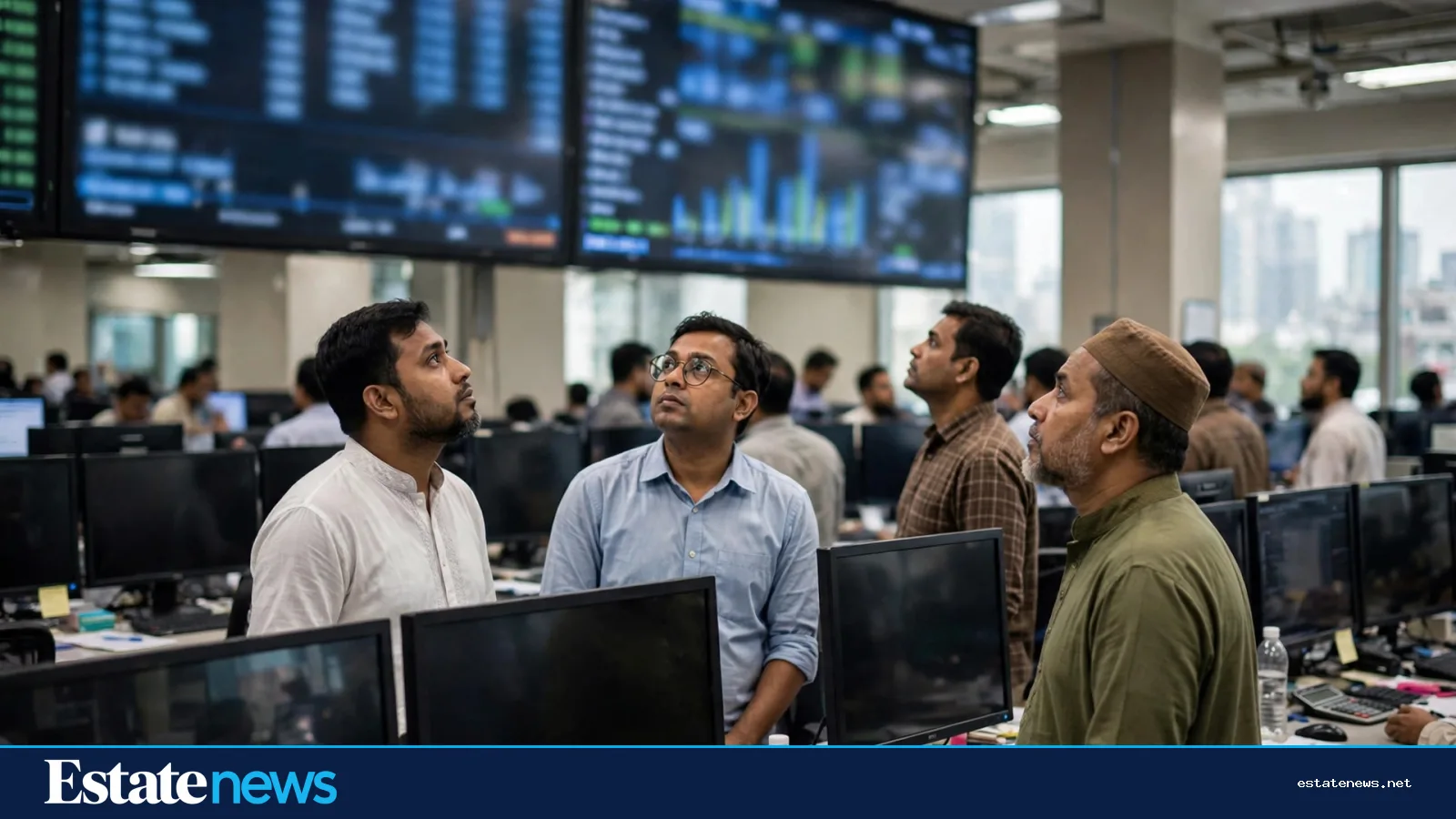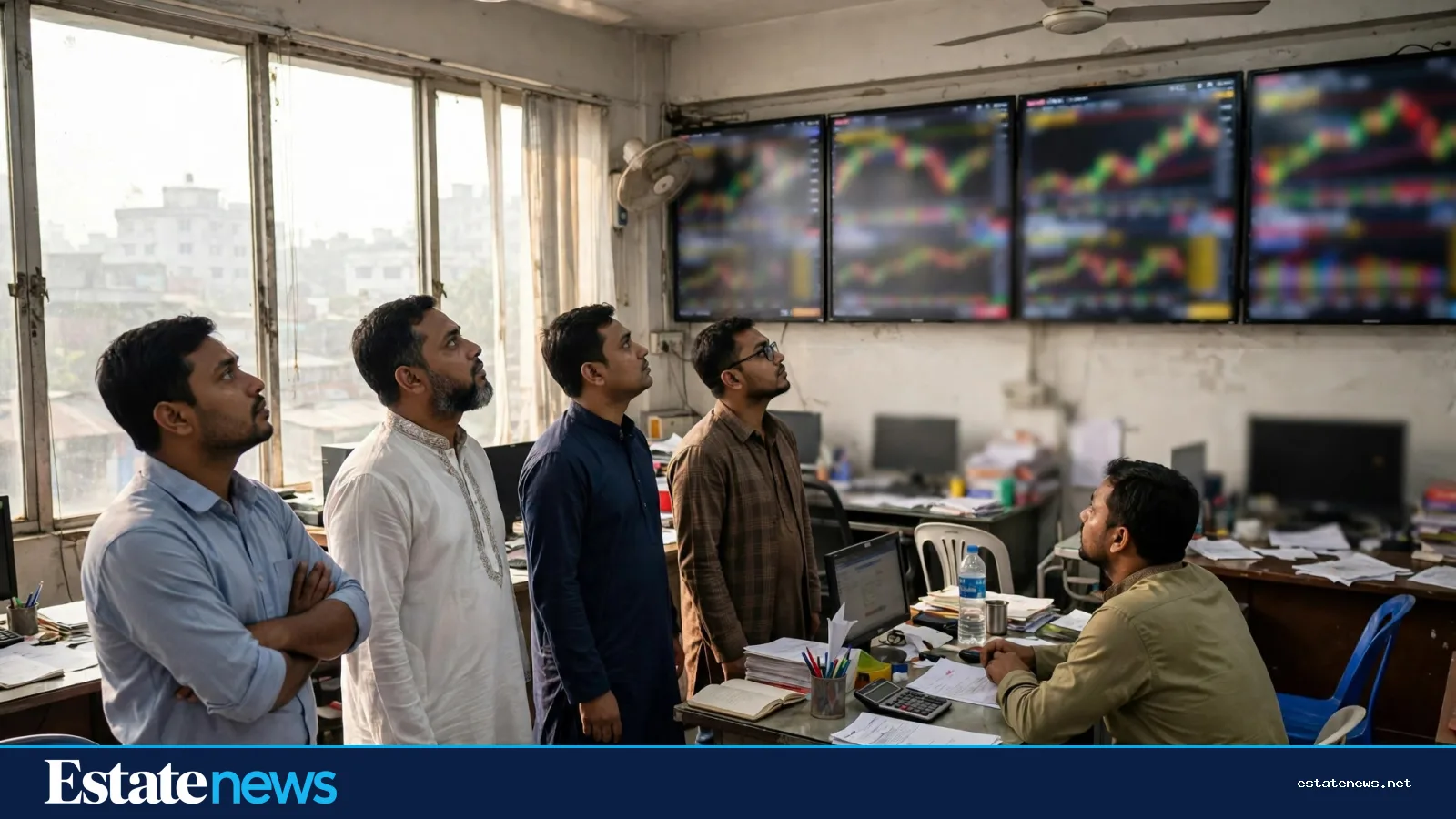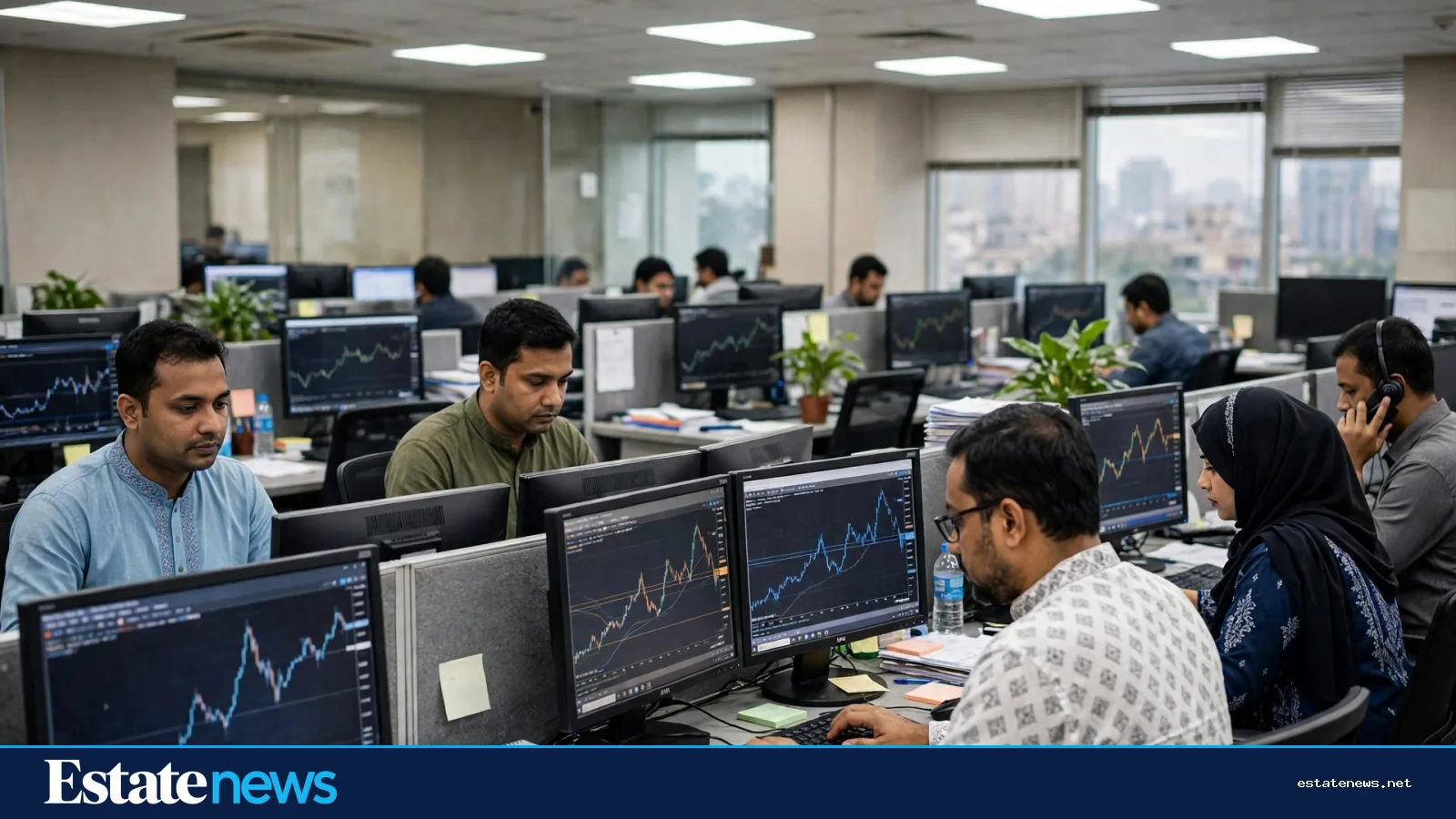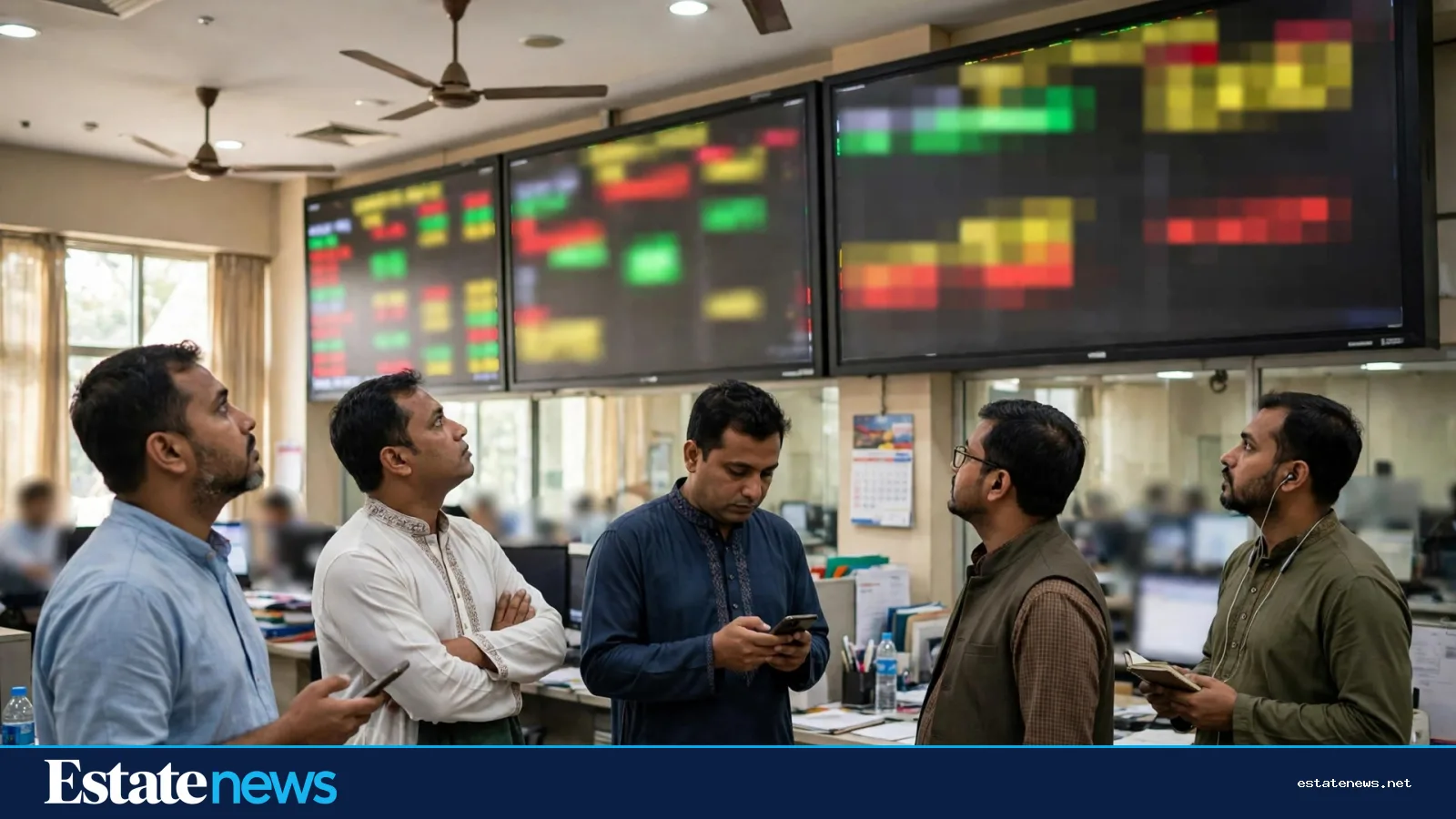
Sunday is the first trading day of the week in Dhaka, and this one started with a small, steady gain. The DSEX, the Dhaka Stock Exchange's broad index, rose 15.65 points, or 0.29 percent, to close at 5,460.56, up from 5,444.91 at the end of last week, according to The Business Standard. It was not a surge. It was the second green week in a row, and after the six-week losing streak that ended only last week, that counts.
The blue-chip DS30 did better, climbing 18.71 points, or 0.91 percent, to 2,078.11. The Shariah index, DSES, added 7.56 points, or 0.71 percent, to 1,064.86. Turnover rose to Tk 739 crore, up 5.8 percent from about Tk 699 crore the previous session. More money changed hands, and the bigger stocks led the way. That combination usually means institutions were buying rather than retail traders chasing a rumour.
The freeze that thawed

The market had a clear reason to move. The Bangladesh Securities and Exchange Commission has been easing its restrictions on frozen beneficiary owner, or BO, accounts. The commission decided on 3 November to relax the freeze, and on 13 November it conditionally lifted the freeze on 93 BO accounts belonging to seven individuals, TBS reported. A BO account is the account through which an investor holds shares, so a freeze locks that investor out of the market entirely.
Ninety-three accounts is a small number against the millions of BO accounts in the country. The signal is bigger than the number. For months, the freeze hung over the market as a reminder that the regulator could lock accounts without warning. Lifting it, even conditionally and even for a few accounts, tells investors the direction of travel. Money that was sitting on the sidelines has a reason to come back in.
Why property buyers should care
A flat and a share portfolio are different assets, and most Dhaka families will never choose between them in the same month. The link is subtler. When the stock market falls for six weeks, households feel poorer, even if they own no shares. Business owners see their listed wealth shrink. Bankers grow cautious about lending against shares. The mood spreads to property, where a buyer who feels poorer waits another quarter before booking.


A steadier market works the other way. A family with a portfolio that has stopped falling is more willing to commit to a down payment. A business owner whose shares are rising can borrow against them. Developers notice the change in the questions buyers ask at a fair stall. None of this shows up in a single Sunday's trading. It shows up over a month, if the green weeks keep coming.
The comparison matters for a different reason too. Property in Dhaka is slow money. A flat takes months to buy and years to sell. Shares are fast money, and their price is printed every trading day. When the DSEX rises, a buyer weighing a Tk 1 crore flat against a share portfolio can see the alternative earning something again. When it falls, property's slow, steady rental income looks better by contrast. The rally does not settle that argument. It keeps it alive, which is healthy for both markets.
What to watch this week
Two numbers will tell whether Sunday was a start or a pause. The first is turnover. Tk 739 crore is an improvement, but a market that is really turning over shows rising turnover for several sessions in a row, with the broad index and the blue chips moving together. The second is breadth: whether the gain spreads beyond the big stocks to the mid-sized companies, including the banks and the building-materials firms whose fortunes track construction.
There is also the question of what else the regulator does. If more frozen accounts are released, and if the easing continues in an orderly way, confidence should build. If the process stalls, Sunday's gain will fade into the same pattern of the last few months, one green week followed by a slide.
For now, the facts are simple. The index is at 5,460.56. The blue chips are up almost a percent. Turnover is rising. And a market that spent six weeks falling has now put together two green weeks. Property investors do not need to trade on that. They need to notice it, because the mood of the stock market has a habit of arriving at the property market a few months later. This article is informational only and is not financial advice.
Read more: DSEX Breaks Its Six-Week Losing Streak: What the Rebound Means for Property Investors — https://estatenews.net/markets/dsex-breaks-its-six-week-losing-streak-what-the-rebound-means-for-property-investors | BSEC Unfreezes 93 Brokerage Accounts: What the Order Means for the Market — https://estatenews.net/markets/bsec-unfreezes-93-brokerage-accounts-what-the-order-means-for-the-market | Bangladesh Market Wrap, 15 November: DSE Rebound, Reserves Above $30 Billion and the Debt Conference — https://estatenews.net/markets/bangladesh-market-wrap-15-november-dse-rebound-reserves-above-30-billion-and-the-debt-conference