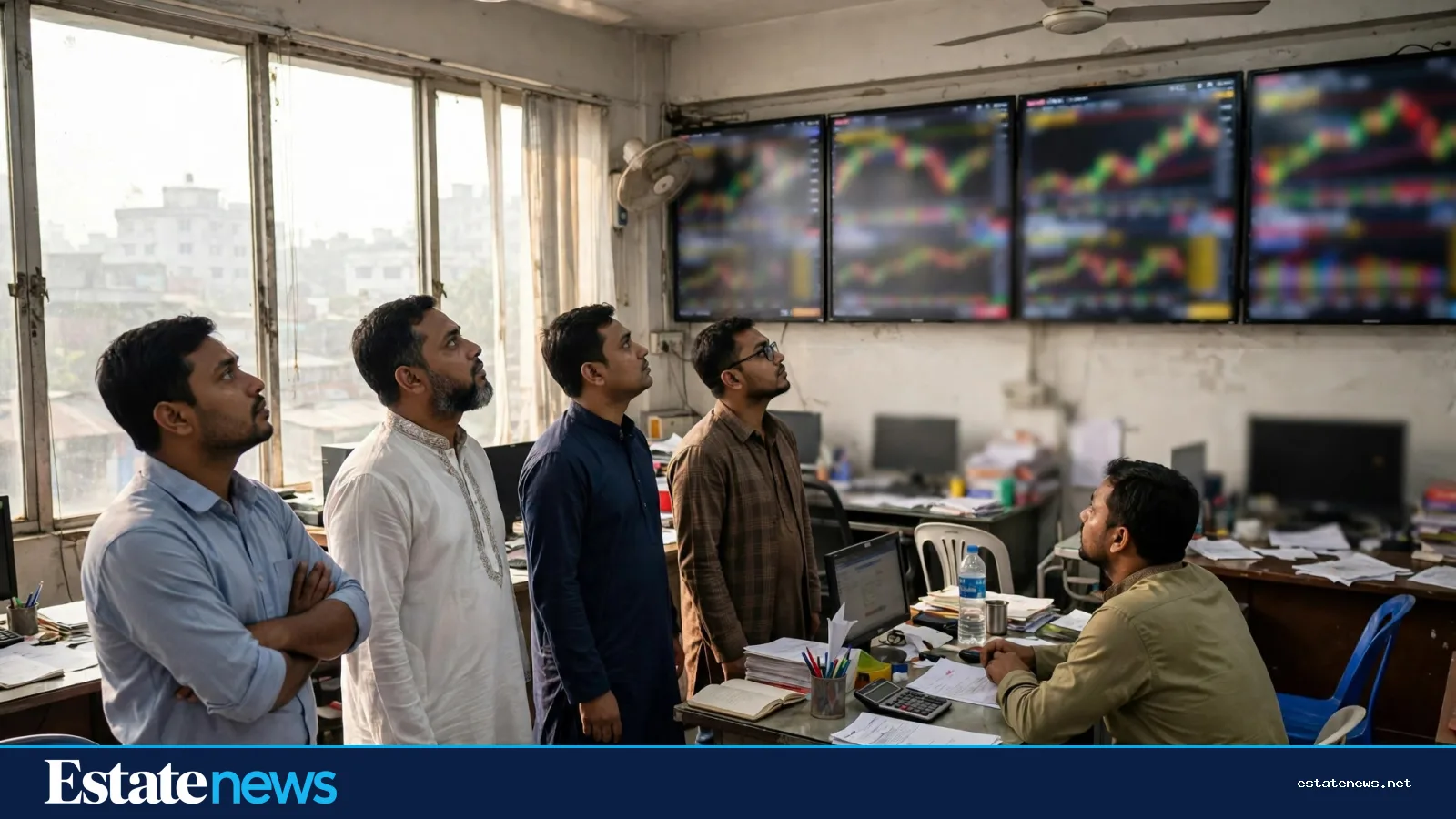
Ninety-three brokerage accounts that have sat frozen for more than two years can trade again. The Bangladesh Securities and Exchange Commission has conditionally unfrozen the accounts, which belong to seven individuals including Abul Khayer Hiru and his family, in an order signed by BSEC Chairman Masud Khan on 13 November. The accounts were frozen on 21 August 2024. The order was reported by The Business Standard, with an update in the early hours of 14 November.
The word that matters in the order is conditional. The accounts are not free in the ordinary sense. Their holders can buy and sell shares in the regular secondary market, and that is all they can do for now.
What the accounts can and cannot do

The order draws a clear line around the accounts. No share transfers. No transmissions. No block-market transactions. No withdrawal or transfer of funds. No trading in shares that sit under pledge, lien or lock-in. The Central Depository Bangladesh Ltd, which keeps the records, has been told to verify before executing anything, and the Dhaka and Chattogram stock exchanges have been told to comply and to file monthly reports by the 10th of each following month.
For the market, the mechanics are straightforward. The holders can trade, so the shares in those accounts can move again. But the money cannot leave, and shares cannot be shifted out through transfers or the block market. The freeze is lifted at the trading desk and kept in place everywhere else. It is a halfway house, and it reads like one: the regulator is letting the market function while keeping the funds where it can see them.
A market that has seen this before
This is not the first time the regulator has reopened a large batch of suspended accounts. Earlier, 617 suspended BO accounts were reopened, and turnover rose 17 percent in that week, according to greenwatchbd. The comparison is worth keeping in mind, though the two cases are not the same size. Ninety-three accounts are a smaller group, and the conditions attached this time are tighter.


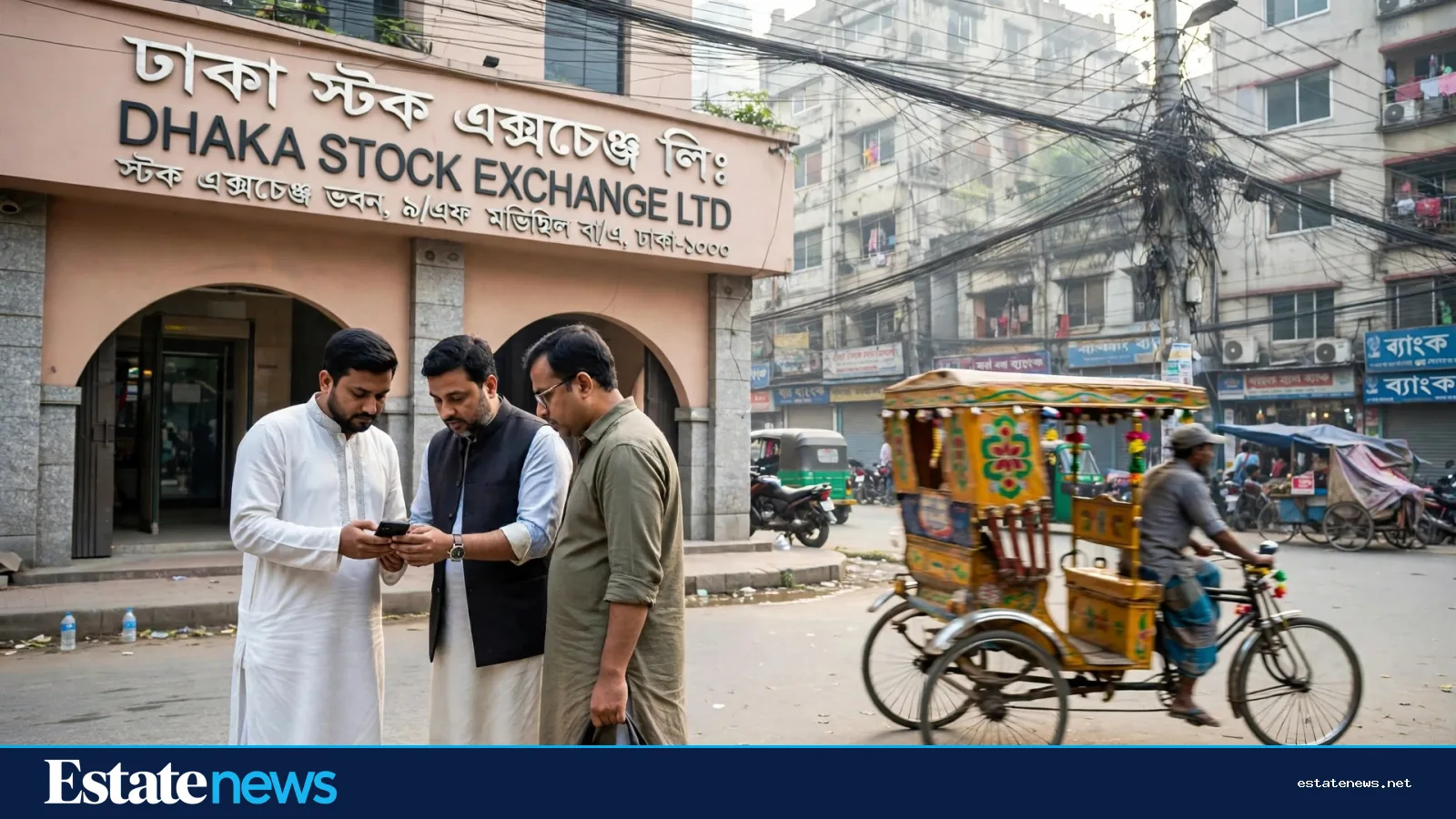
The timing lands on a quiet week for the market. The Dhaka Stock Exchange closed on Thursday 12 November for the weekend, with the DSEX at 5,444.9, down 0.15 points on the day. Turnover stood at Tk 699.01 crore, down 7.7 percent from Tk 757.66 crore the day before, and foreign investors were net sellers of Tk 4.89 crore. A total of 381 issues traded. The day before, the index had gained 8.32 points to 5,445.06, its second straight gain, with turnover of Tk 757.7 crore, the highest since 23 September.
What ordinary investors should take from it
For ordinary investors, the order changes little on its own. Nobody else's account is affected, and no rule has changed for the rest of the market. What it does show is the regulator's current approach: frozen accounts are being worked through one batch at a time, with trading restored first and the movement of money and shares held back until later.
There is a practical point here for anyone watching the market for a signal. A single order unfreezing 93 accounts will not set the direction of the index. Turnover, foreign flows and company results do that, week by week. But the direction of the regulator's work is now visible. Accounts frozen in the aftermath of August 2024 are being reopened under conditions, with the depository and the exchanges reporting monthly. Investors who hold shares in companies connected to those accounts may see trading pick up, and they should expect the usual caution: the conditions mean the shares can be bought and sold, but the money behind them stays put.
The next thing to watch is the monthly reporting. The exchanges and the depository must file their reports by the 10th of each following month, so the first report under this order will show whether the conditions are holding and whether trading in these accounts has settled into a normal pattern. Until then, the order stands as it was written: trading open, everything else closed, and the market left to judge the difference.
There is also a lesson in the order for brokers. The conditions put the work of checking on the depository and the exchanges, and the monthly reports create a paper trail that did not exist while the accounts were simply frozen. A broker that handles one of these accounts will need to check the conditions before every trade, not once at the start. For investors watching from outside, that is reassuring. The accounts are back in the market, but they are back under watch, and the watch has a deadline attached to it.