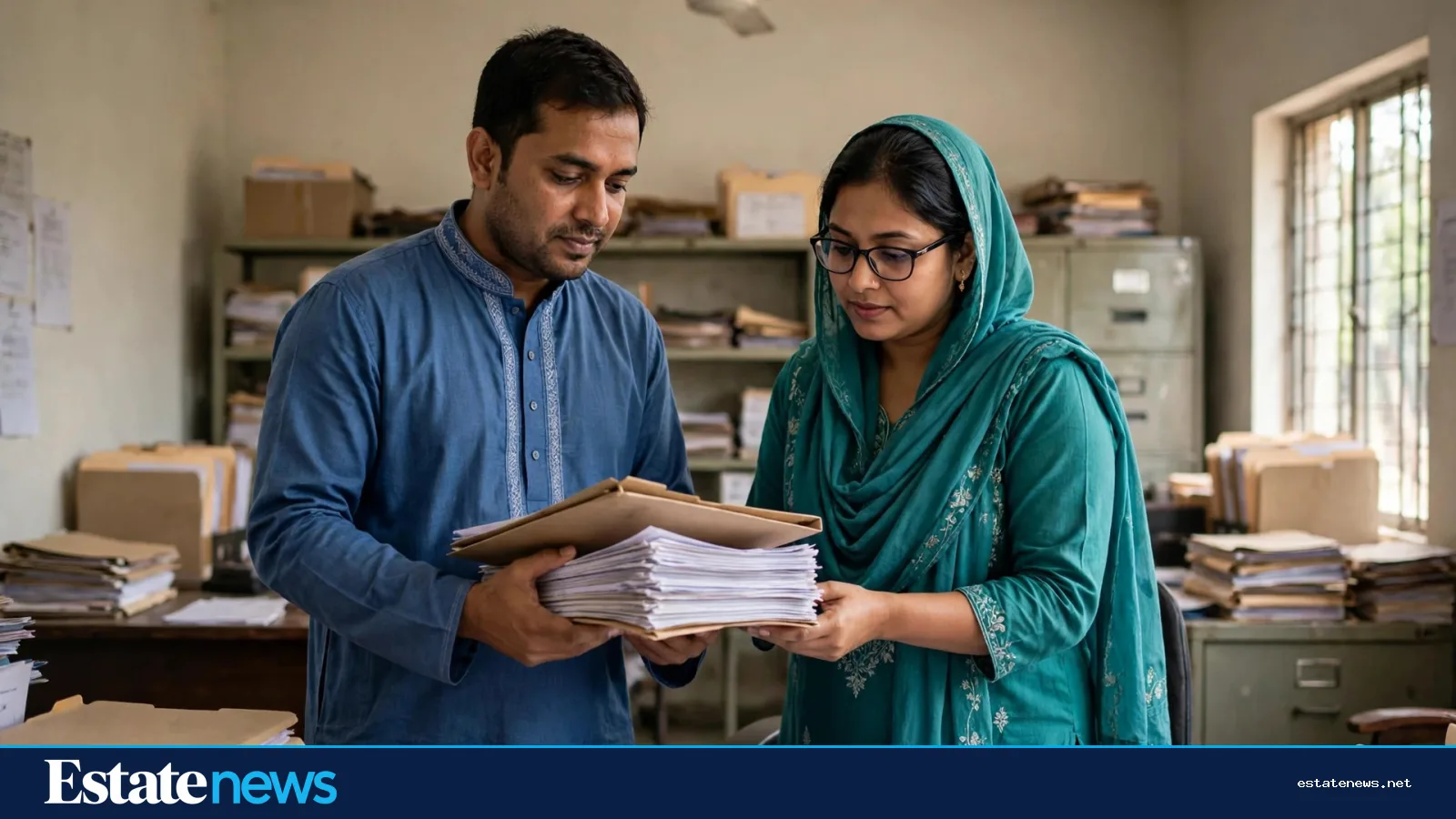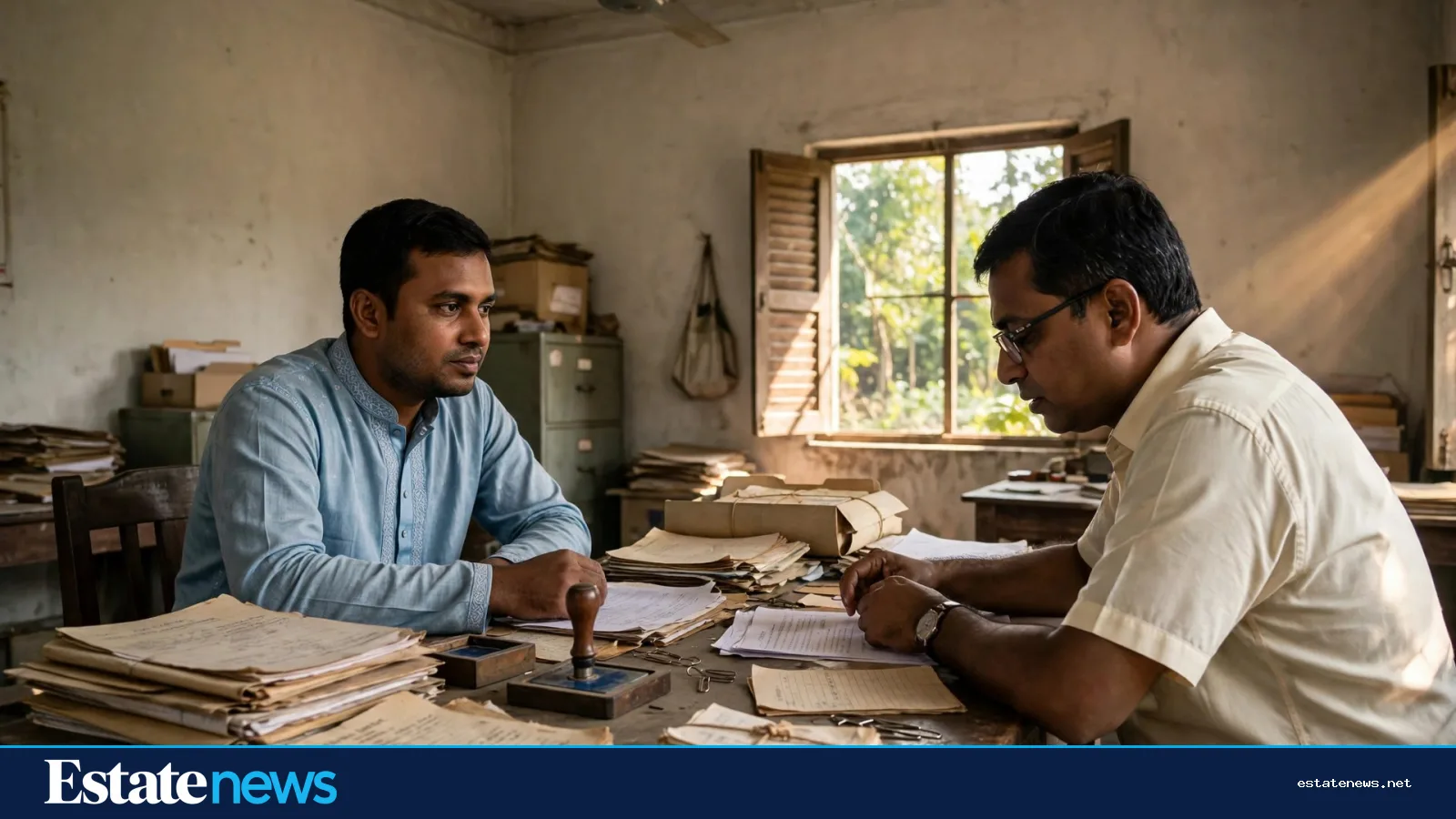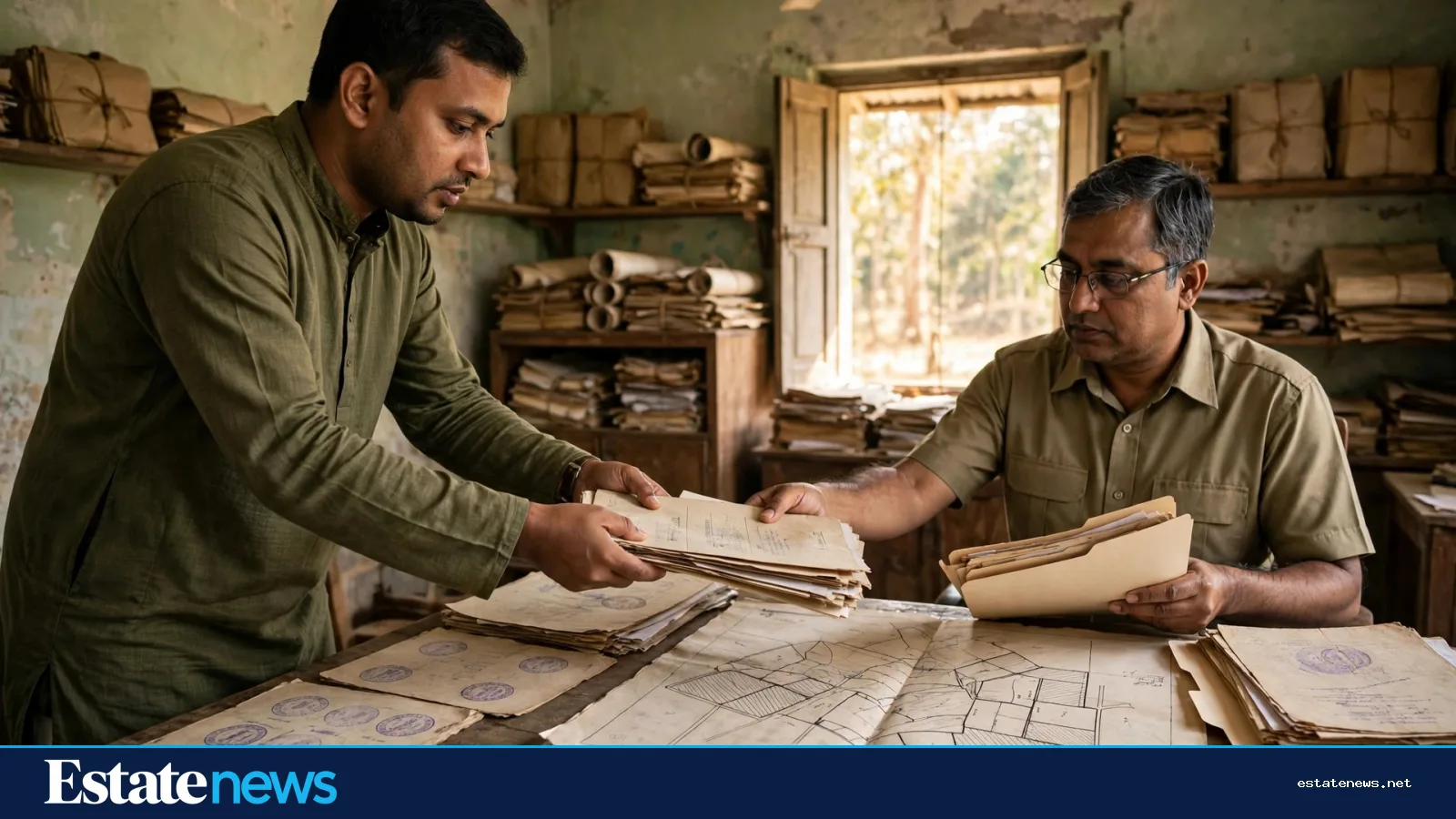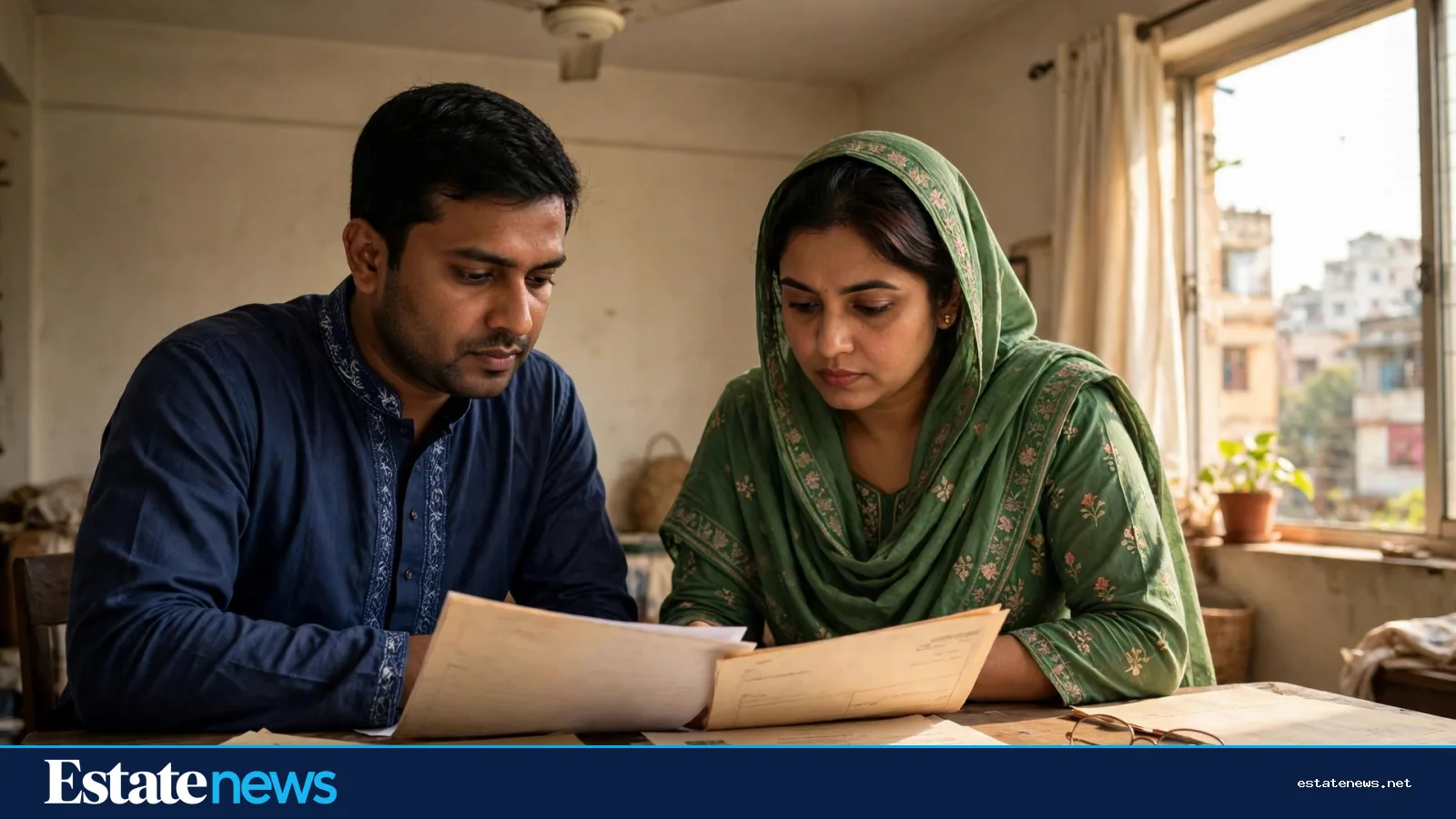
A new flat from a developer comes with a sales team, a brochure and a brand name on the gate. A resale flat from an owner comes with none of that. What it comes with is a lived-in home, a real neighbourhood, and a stack of papers that the buyer has to read for themselves.
That is the trade. Resale flats are often cheaper per square foot than new ones in the same area, and they can be moved into at once, without waiting for construction. But the buyer takes on a job the developer usually handles: proving that the flat is really the seller's to sell, and that nothing is owed on it.
The checks are not complicated, but they are not optional either. Each one answers a simple question, and together they answer the only question that matters: if I pay, will this flat be mine, cleanly and without surprise?

The chain of ownership
Start with the deed chain. A flat changes hands more than once in its life, and each sale should be documented in order: the original deed from the developer or the landowner, then each sale deed after it, down to the current seller. Read them in sequence. The names should link up, one to the next, without a gap.
A gap is a warning. If one link in the chain is missing, or if a sale was recorded in one name and the next deed names someone else, stop and ask. Sometimes the explanation is innocent, a name spelled differently on two documents. Sometimes it is not. A lawyer who handles property work can read a chain in an hour and tell you which it is.
Check the seller's identity against the deed. The person selling should be the person named in the papers, or someone holding a proper power of attorney that can be verified. A relative selling on behalf of an owner, a partner selling without the other partner's consent: these are the situations where trouble starts.
Mutation and the record
Mutation is the quiet record that matters most. When a flat changes hands, the new owner's name should be recorded in the mutation record, the khatian, with the land office. Ask to see it. The seller's name should be there, and it should match the deed.
If the mutation was never done, the buyer inherits the job, and the job can be slow. A khatian with an error, a wrong plot number or a misspelled name, needs correction before the sale, not after. The correction process runs through the land office and, in disputed cases, the courts, and it is far easier to have the seller fix it while the seller still wants the sale.
Ask, too, about the land itself. A flat carries a share of the land it stands on, and that share should be clear in the deed. The building's land should be free of mortgage or lien, and the seller should be able to show it. A bank can confirm whether a loan is outstanding against the property, and a buyer who needs a home loan will find the bank asking these questions anyway.


Dues, bills and the building
A flat carries running costs, and a buyer can inherit unpaid ones. Ask for proof that the holding tax is paid up to date. Ask for the service charge record from the building's management or owners association, and check whether anything is outstanding. Ask about utility bills, gas and water, and whether the connections are in the seller's name and clear.
Visit the building and talk to the people who run it. The caretaker and the building manager know more about a flat than any brochure. They know whether the lift works, whether the water runs on the upper floors, whether the generator covers the lift during load shedding, and whether the seller is a member in good standing. A building with an active, functioning owners association is a different purchase from one where nobody collects the service charge.
Check the flat itself with the same care. Look at the walls after rain, if you can. Run the taps. Try the lift. Ask the neighbours about water, gas and noise. A resale flat shows its age honestly, and an hour spent looking is worth more than a day spent reading.
Approvals and the building's standing
Ask to see the building's approval from RAJUK, and check that the flat as built matches the approved plan. Extra rooms, enclosed verandas and converted common areas are common in Dhaka, and they can become a problem when the flat is sold or when a loan is sought. A bank will not lend against a flat whose built area does not match its papers.
Ask whether the building has an occupancy certificate or completion certificate, and whether the flat's share of common areas is recorded. Ask about any dispute involving the building: a case in court, a complaint to RAJUK, a disagreement among owners. The seller may not volunteer these. The building's management usually will, if asked directly.
The agreement and the payment
When the checks are done, the agreement should record what was checked. A baina, or earnest money agreement, should name the price, the payment schedule, and the date of registration, and it should be registered where the law requires. Pay by bank transfer, in stages tied to the registration, and keep every receipt.
Never pay the full price before registration. Never accept a promise to fix the papers after payment. The seller's incentive to fix a problem ends the day the money is in hand.
A resale flat, bought well, is often the smartest purchase in Dhaka: a real home, in a real neighbourhood, at a fair price, ready to move into. Bought in a hurry, it is the most expensive lesson a buyer can learn. The difference is a few days of checking, and the willingness to walk away when a check fails.