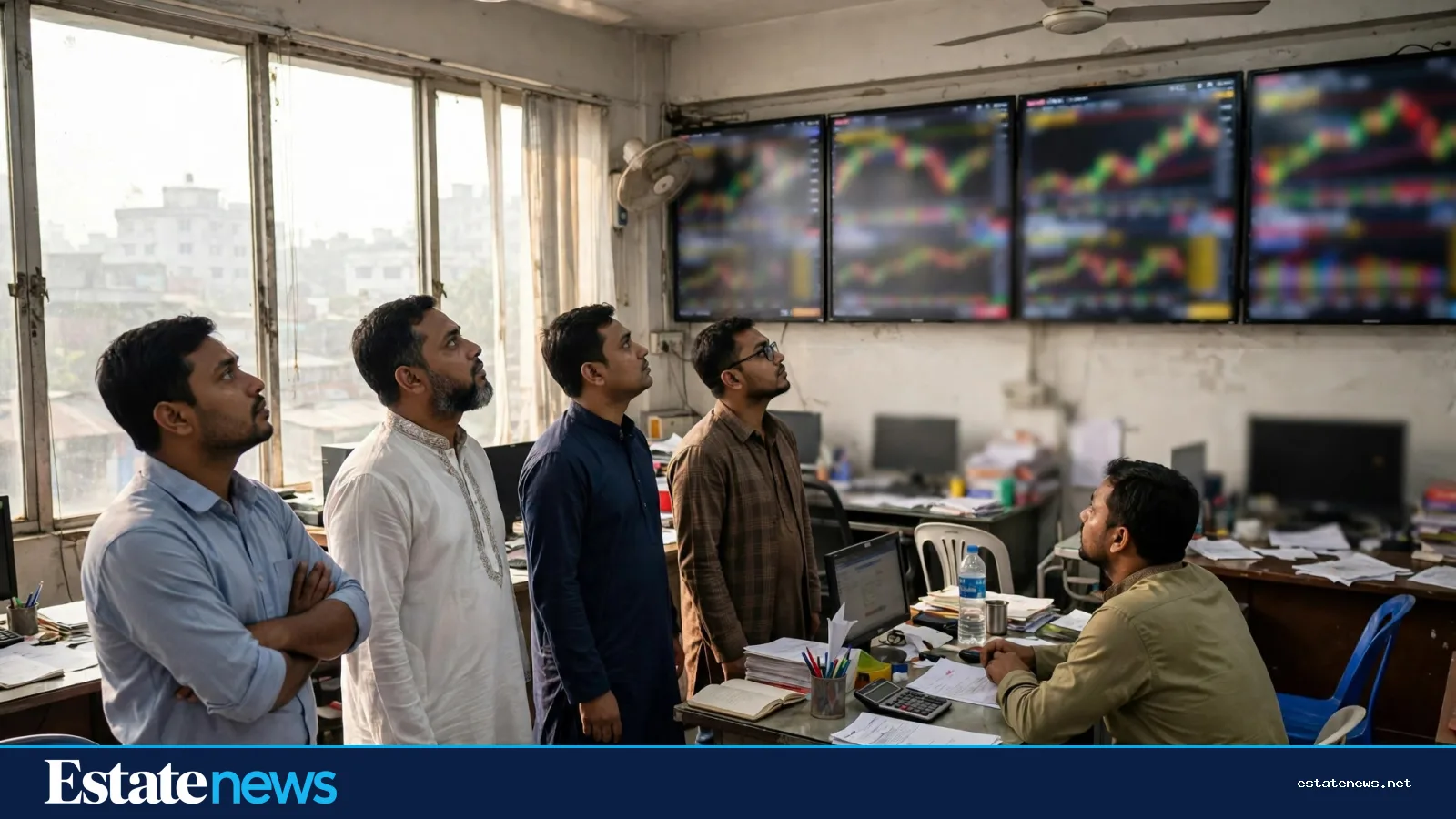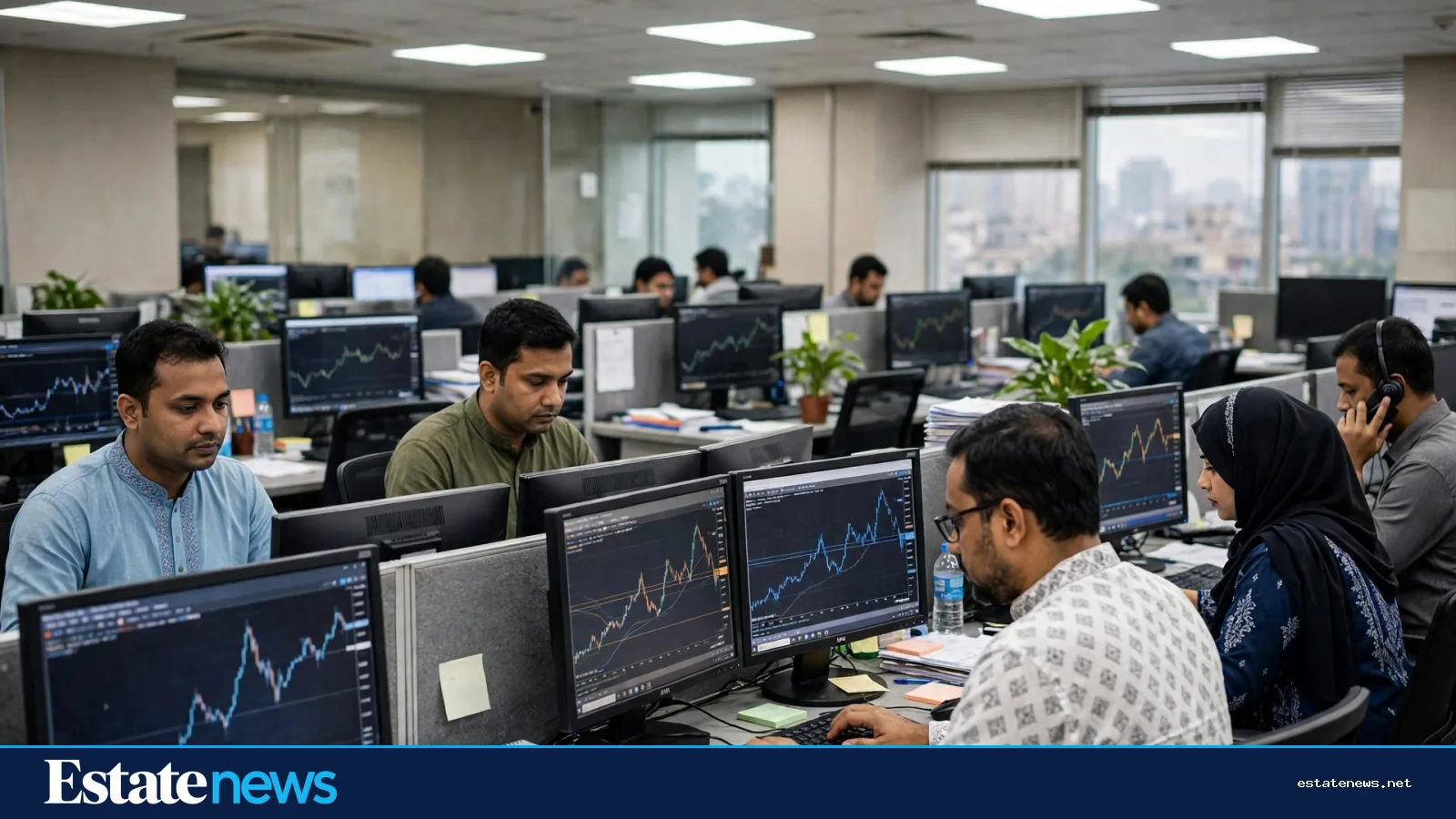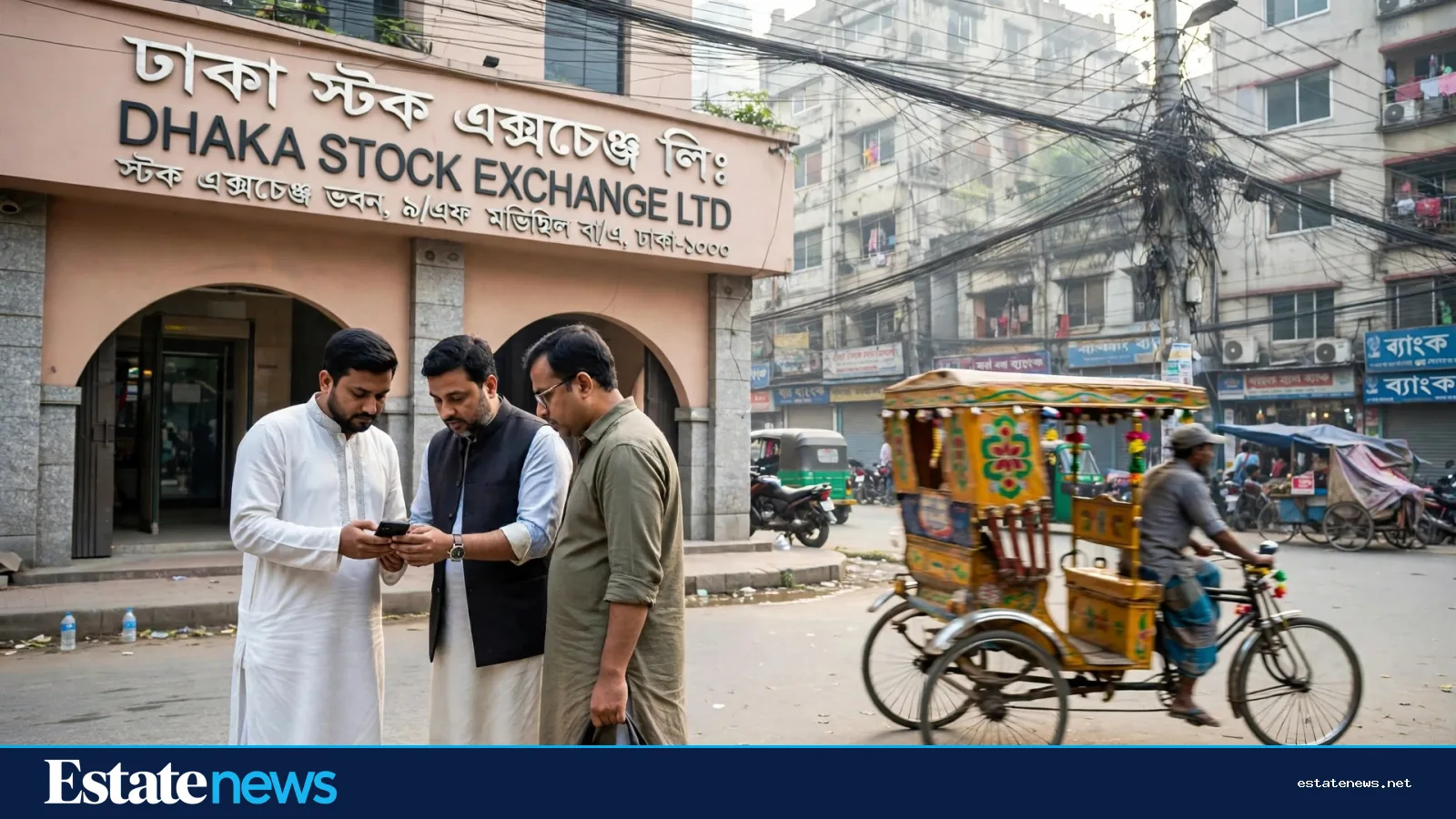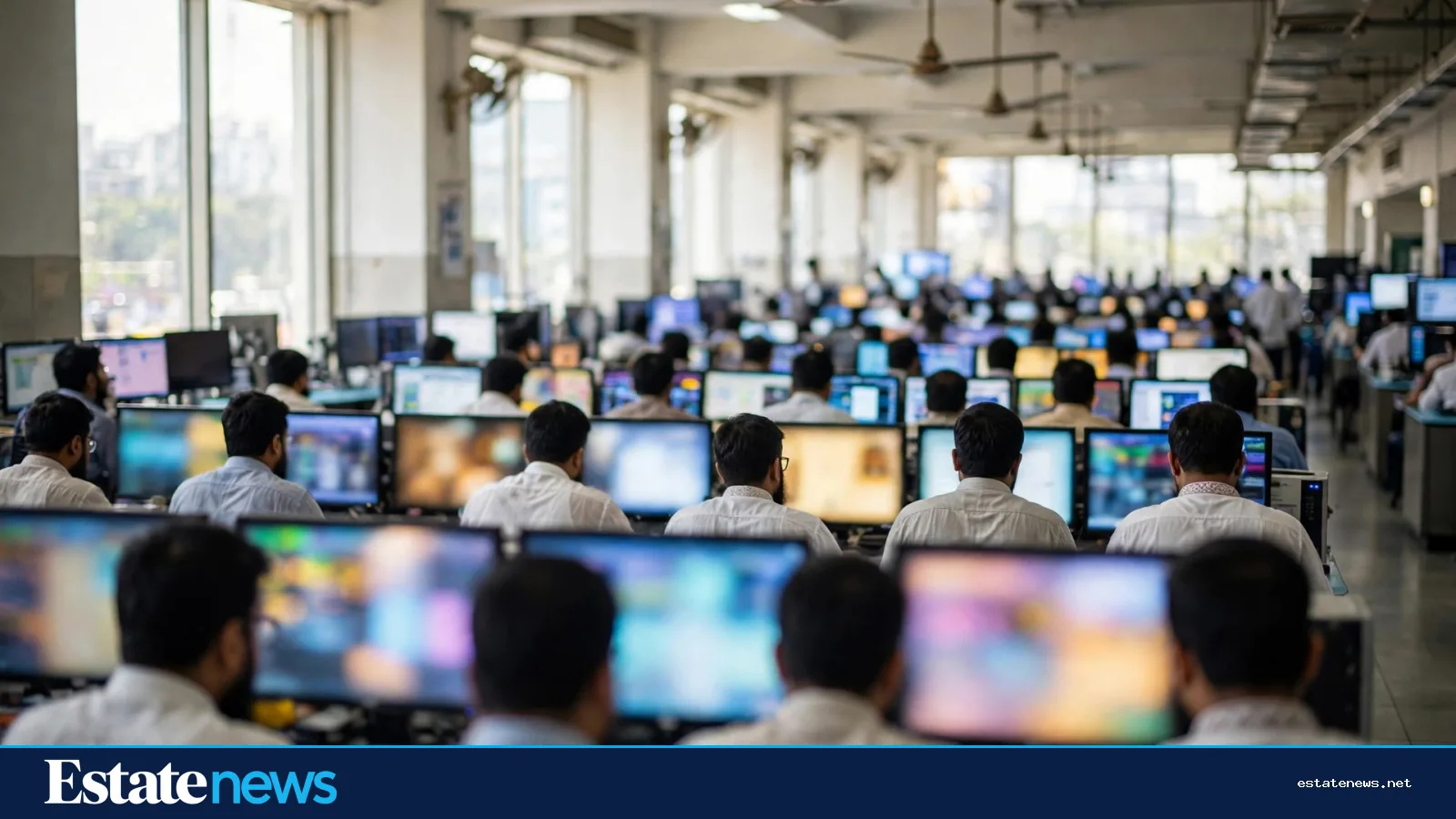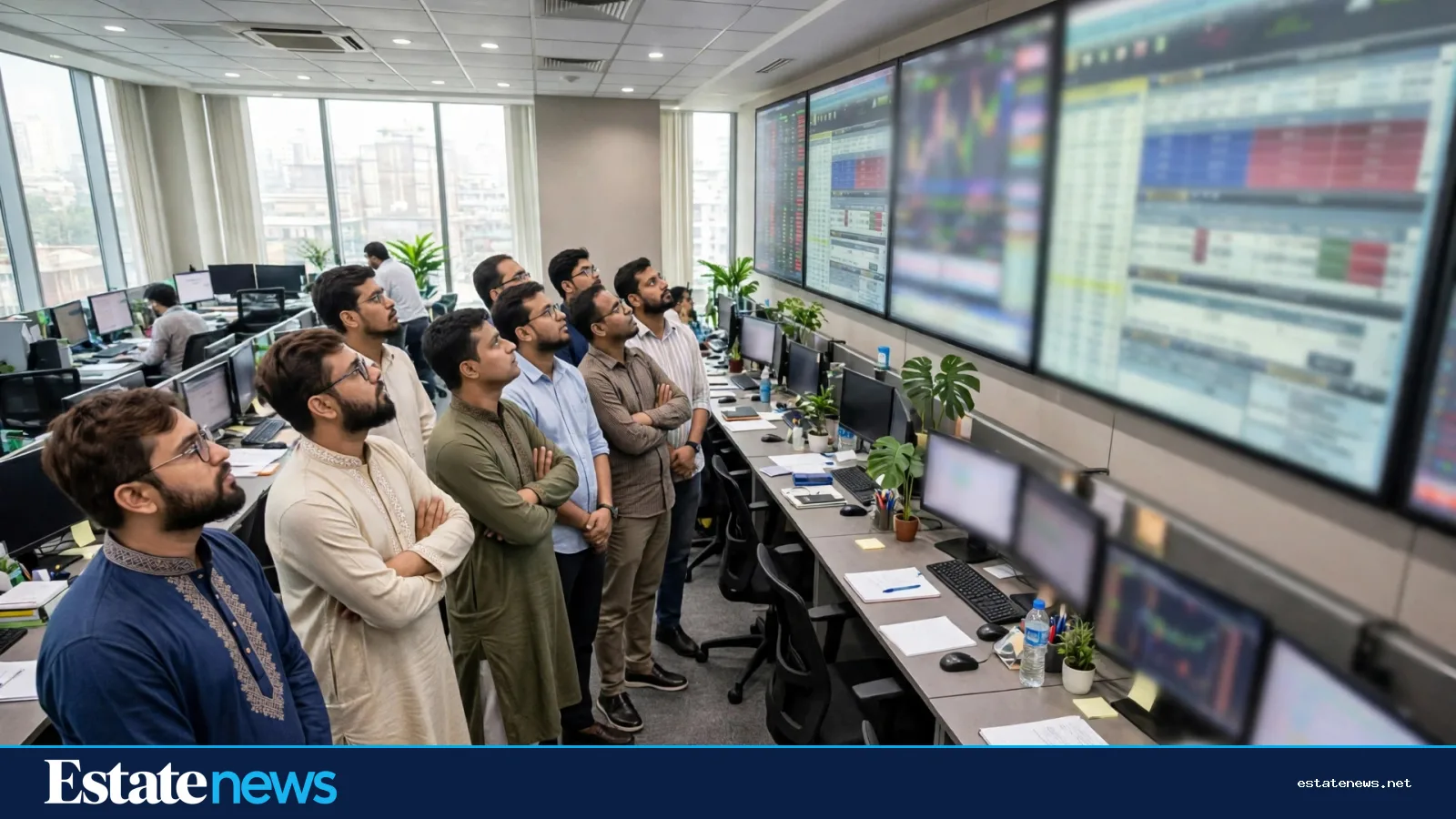
Bangladesh's stock market spent nearly three years in a waiting room. MSCI, the index provider whose lists decide where large foreign funds can put money, stopped routine changes for Bangladesh in February 2023. The reason was price restrictions on the Dhaka market, including the floor-price regime that kept shares from falling below a set level. Foreign funds could not trust the prices, so MSCI stopped updating the list.
That freeze ended with MSCI's November 2026 Frontier Markets Index Review, announced on 11 November. Six Bangladeshi companies join the MSCI Bangladesh Standard Index and four leave. The changes take effect at the close of trading on 30 November, and apply from 1 December. The count of Bangladeshi stocks in the MSCI Frontier Markets Standard Index rises to nine from seven.
Who is in, and who is out

The six additions are Beximco Pharmaceuticals, BRAC Bank, City Bank, Eastern Bank, LafargeHolcim Bangladesh and Prime Bank. The four removals are Beximco Ltd, Renata, Robi Axiata and United Power.
Three of the additions are banks. That is not an accident. Banks are the largest, most traded companies on the Dhaka Stock Exchange, and foreign funds buying Bangladesh start with the names they can enter and exit in size. BRAC Bank and City Bank have long been the market's most liquid stocks. Eastern Bank and Prime Bank add depth to the same group.
LafargeHolcim Bangladesh is the addition that property readers should notice. It is the country's largest cement maker, and cement sales track construction activity more closely than almost any other listed figure. Its inclusion puts a building-materials company back on the list foreign funds watch. When a global index holds a cement stock, it is holding a bet on the country's building cycle.
The removals cut across sectors. Renata is a pharmaceutical maker. Robi Axiata is a telecom operator. United Power generates electricity. Beximco Ltd is a conglomerate. None of the four was removed for any failing of its own. Index reviews are arithmetic: companies enter and leave as their size, liquidity and free float change against MSCI's thresholds.
Why the freeze lifted now


The floor-price restrictions that caused the freeze were fully released on 9 June 2026. That cleared the way for MSCI to resume normal reviews. It took five more months for the November review to arrive, which is how index calendars work: reviews happen on fixed dates, and Bangladesh had to wait for the next one.
The timing also reflects a market that has steadied. The DSEX closed at 5,444.9 on 12 November, flat after two small gains. Turnover was Tk 699.01 crore, down from Tk 757.66 crore the day before. Nothing dramatic, and that is the point. Foreign investors net sold Tk 4.89 crore on the day. A market that foreign funds can read plainly, gains and falls included, is a market an index provider can work with.
What it changes, and what it does not
Inclusion in an MSCI index does not send money by itself. Funds that track the Frontier Markets index will buy the new constituents in proportion, and that buying is real. But the amounts depend on Bangladesh's weight in the index, which stays small, and on how much money tracks the index at all. IDLC Securities research made the honest point this week: inclusion does not automatically mean higher prices or a set amount of foreign investment.
What changes is the plumbing. A Bangladeshi stock in the MSCI index is visible to every fund manager who screens frontier markets. Its price is checked daily by people who never look at Dhaka otherwise. That visibility helps when a company raises money, and it helps the market as a whole when the next review comes round.
For property investors, the link runs through two channels. One is the banks. If foreign buying supports bank stocks, banks' cost of capital eases at the margin, and home-loan pricing follows bank funding costs over time. The other is cement. LafargeHolcim's inclusion is a small, public signal that global index money is willing to hold a Bangladeshi construction stock again. Neither channel moves flat prices next week. Both are worth watching over the next year.
The freeze lasted from February 2023 to November 2026. Its end is not a boom. It is a door reopening. What walks through it depends on what Bangladeshi companies and the market do next.
This article is for information only. It is not financial advice, and index inclusion is not a recommendation to buy or sell any stock.