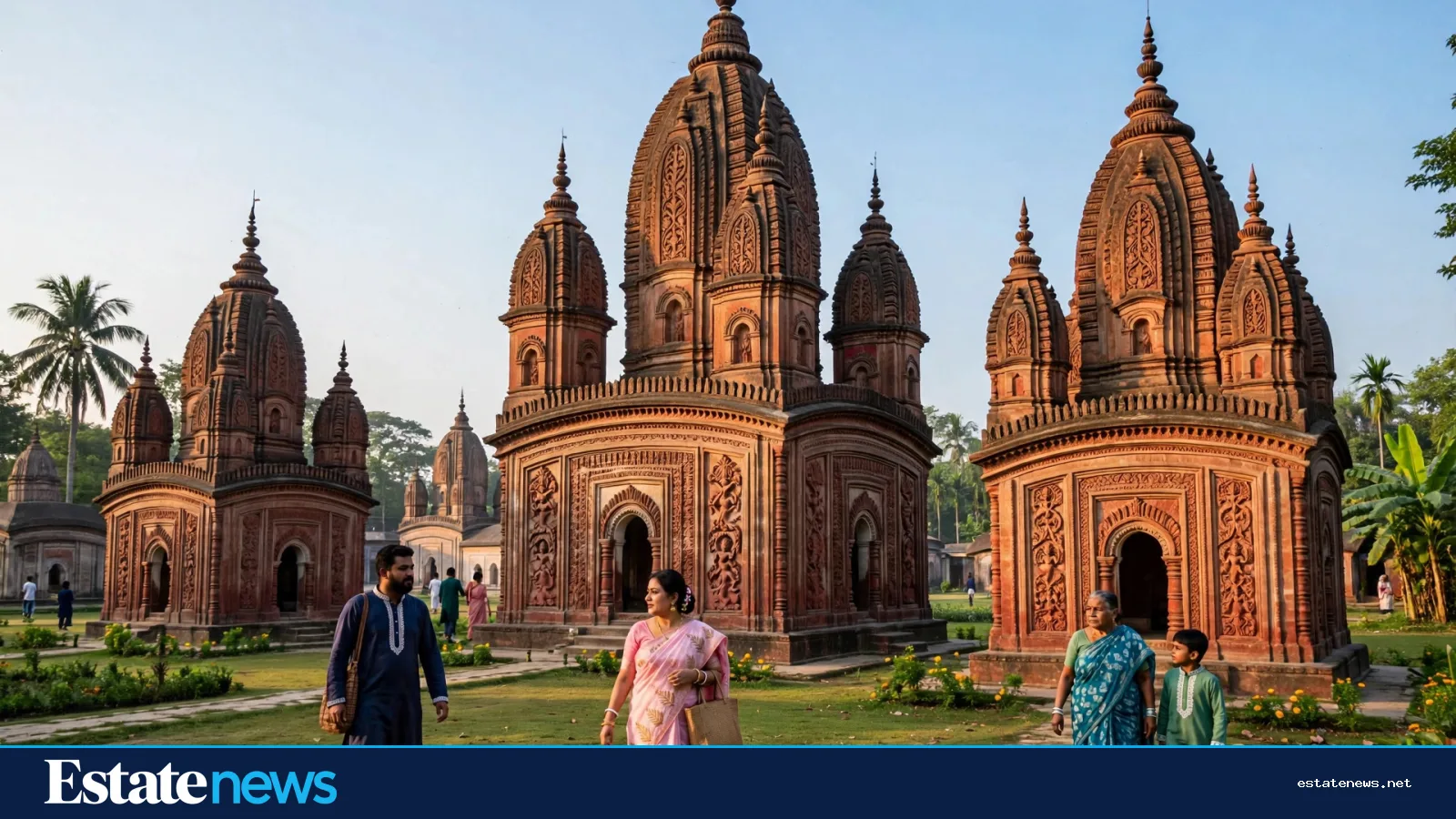
Drive 23 kilometres east of Rajshahi city, or 16 kilometres west of Natore, and the road opens onto something no other village in Bangladesh can claim. Puthia holds 14 temples in one small place, built by a single family over generations. It is a temple town in miniature, and it still belongs to the village around it.
The family was the Puthia Raj family. Their story starts with Bhatsacharya, who was given the zamindar title by the Mughal Emperor Jahangir. Over the years the estate grew into the second-largest and wealthiest zamindari in the subcontinent. That wealth went into brick, terracotta and stone. The temples of Puthia are what a rich family builds when it wants its devotion to outlast it.
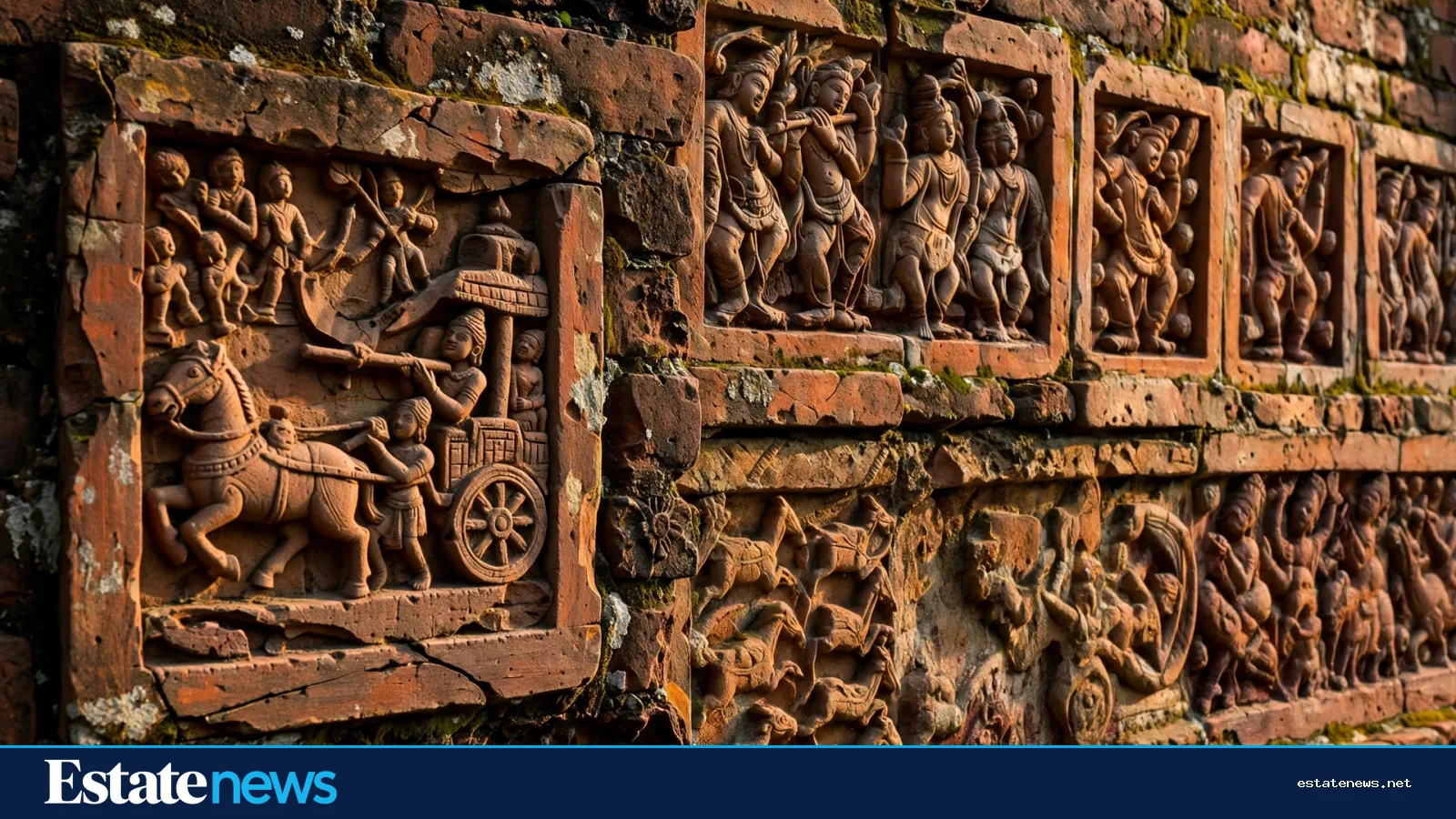
The best-known of them is the Bara Govinda temple, also called the Pancharatna Govinda temple, for its five spires. Its walls are covered in terracotta plaques showing scenes from the Ramayana and the life of Radha and Krishna. The temple was built in the 1800s, and the dates most often cited for it run from 1823 to 1895. Sources differ on the exact years, so the range is the honest way to give it. What does not vary is the work itself. The plaques were made by hand, fired in kilns, and set into the walls one by one. Two centuries of rain and sun have worn their edges, but the stories are still there for anyone who stops to read them.

The plaques repay a slow look. A single panel can hold a whole scene: a procession, a battle, a moment from a story every child in Bengal once knew. The artists worked in clay, not marble, and clay was the honest material of the delta. It was cheap, it was local, and in the right hands it could carry as much feeling as stone. Puthia's plaques are among the finest examples of that craft left in the country. Stand close and you can see the fingerprints of the work: the small choices of a craftsman deciding how a face should turn, how a horse should run.
The largest Shiva temple in the country
Across the complex stands the Bhubaneshwar Shiva Temple, built in 1823 by Rani Bhubonmoyee Devi, the widow of Raja Jagat Narayan Roy. It looks over Shiv Sagar lake, and it is the largest Shiva temple in Bangladesh. Inside sits a very large black basalt Shiva linga. The temple's size was a statement. A widow building the biggest Shiva temple in the land was not hiding her grief. She was putting her husband's name, and her own, into stone where the whole district would see it.
The Dol Govinda temple is older, built in 1778. It belongs to an earlier generation of the family, when the estate was still growing and the temples were smaller and simpler. Walk from Dol Govinda to Bara Govinda and you walk through the family's history: from modest devotion to the full display of wealth and craft that the 1800s made possible.
A palace, and a place on the world list


The temples are not the only building in Puthia. The Puthia Rajbari, the family's palace, was built in 1895 by Maharani Hemanta Kumari Devi in the Indo-Saracenic style, the grand manner that mixed Indian and European forms. It stands as the family's other monument: not a place of worship, but a place of rule. Together, palace and temples tell the whole story of a zamindar family at the height of its power.
The complex is on UNESCO's tentative list, the waiting room for World Heritage status. That matters, because it puts Puthia on the map for visitors and for conservation money. It also matters because the temples need care. Terracotta weathers fast in the Bangladeshi climate. Every monsoon takes a little more of the plaques. The Department of Archaeology looks after the site, and the question every year is whether the care keeps pace with the decay.
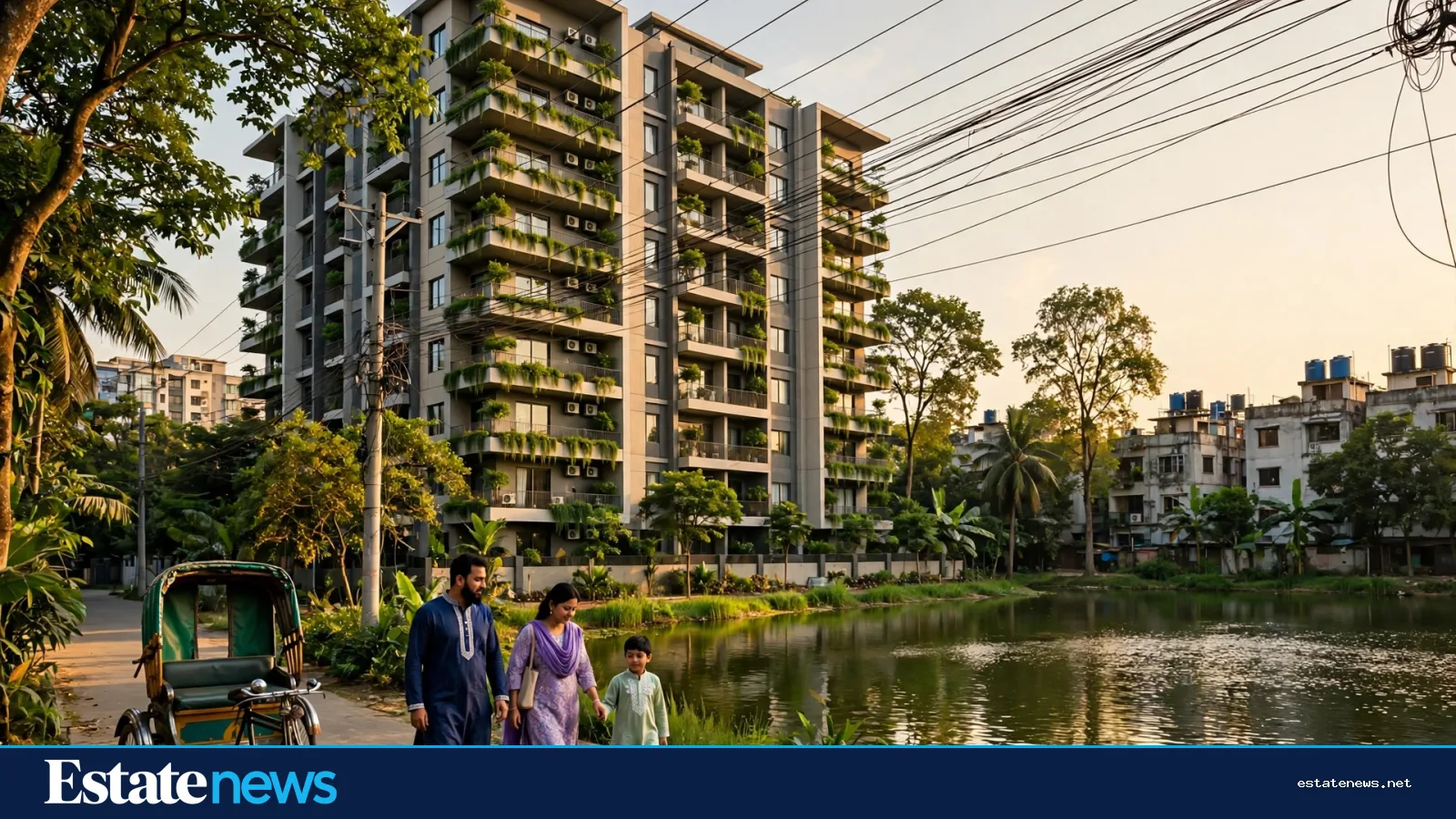
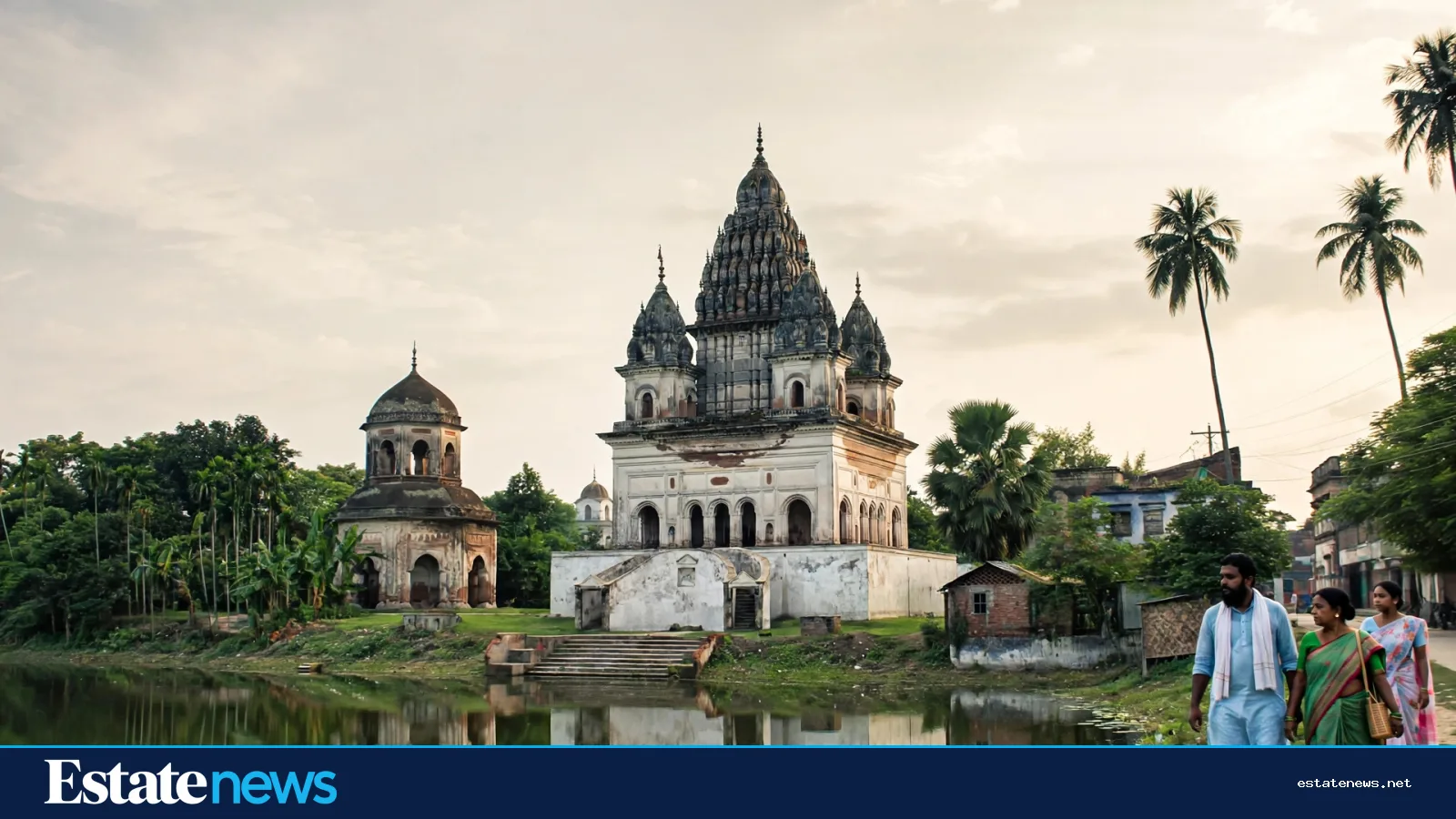
The lake is the other half of Puthia. Shiv Sagar sits beside the Shiva temple, its water still in the morning, and the temples double themselves in the reflection. The lake is not decoration. It is part of the temple's design, the way water belongs beside a shrine in this part of the world. Villagers wash at its steps. Children play near its edge. The sacred and the everyday share the same water, and that is how Puthia has always worked.
A village that lives with its temples
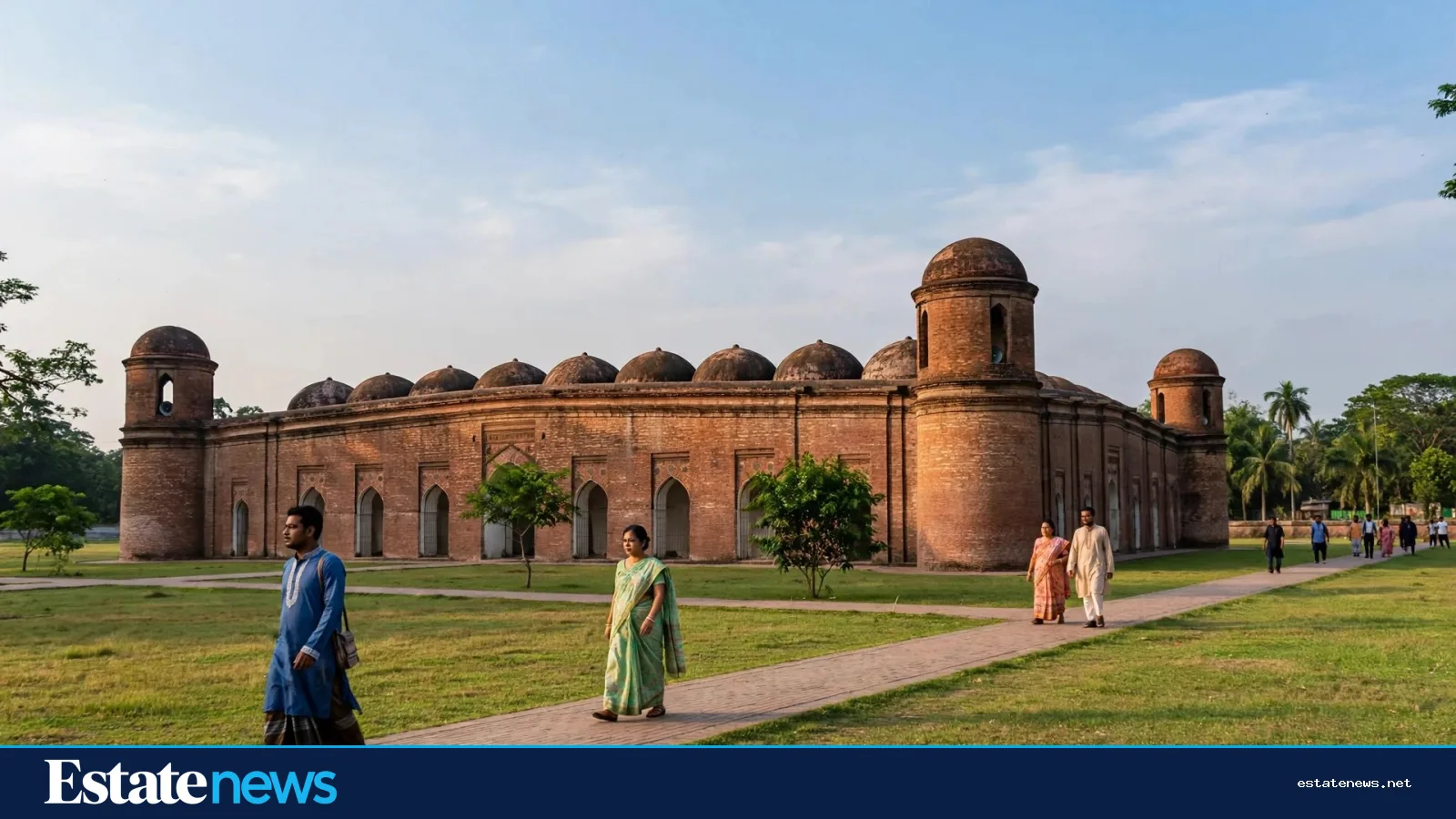
Puthia is not a museum. People live here, farm here, send their children to school past temple walls. The temples are part of the daily route, not a separate attraction fenced off from life. That is both the place's charm and its risk. A living village keeps the temples alive, but it also means the buildings take the wear of daily life: the damp, the dust, the odd repair done in the wrong material.
What Puthia needs now is the same thing every old building in Bangladesh needs: steady, patient care rather than a grand gesture. The plaques need cleaning and shelter from the worst of the rain. The palace needs its roof kept sound. The lake needs its banks kept clear. None of that is glamorous. All of it is what keeps a 200-year-old temple standing for the next 200 years.
Visitors come to Puthia for the temples and stay for the quiet. There is no crowd here, no ticket queue, no guide shouting for attention. You walk from temple to temple on your own, under trees, past the lake, and the place gives you time to look. Rajshahi city is half an hour away. The contrast is the point. In a country building fast, Puthia is a reminder that Bangladesh already built beautifully, in clay and brick, and that some of its best work is sitting quietly in a village, waiting to be noticed.