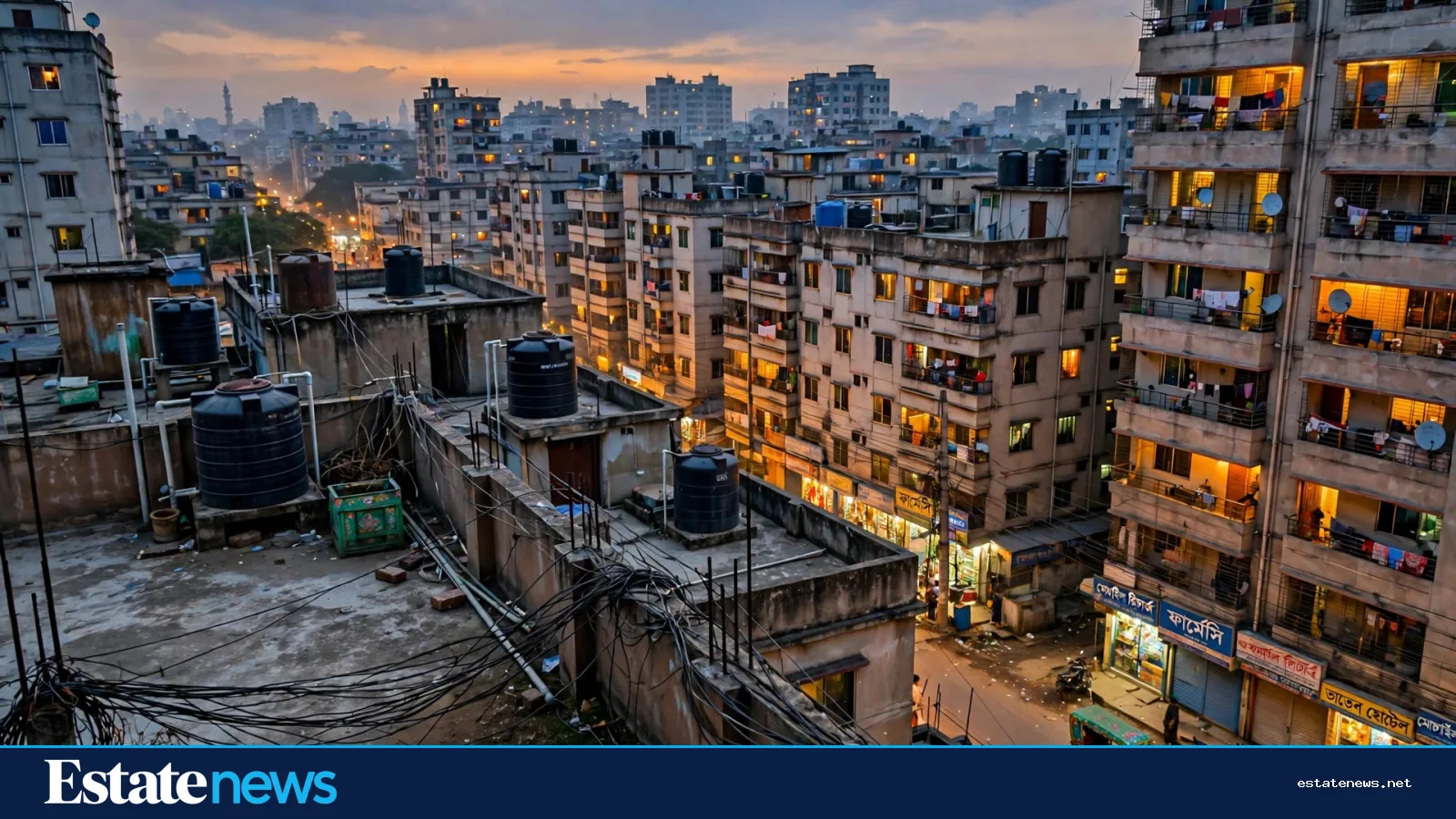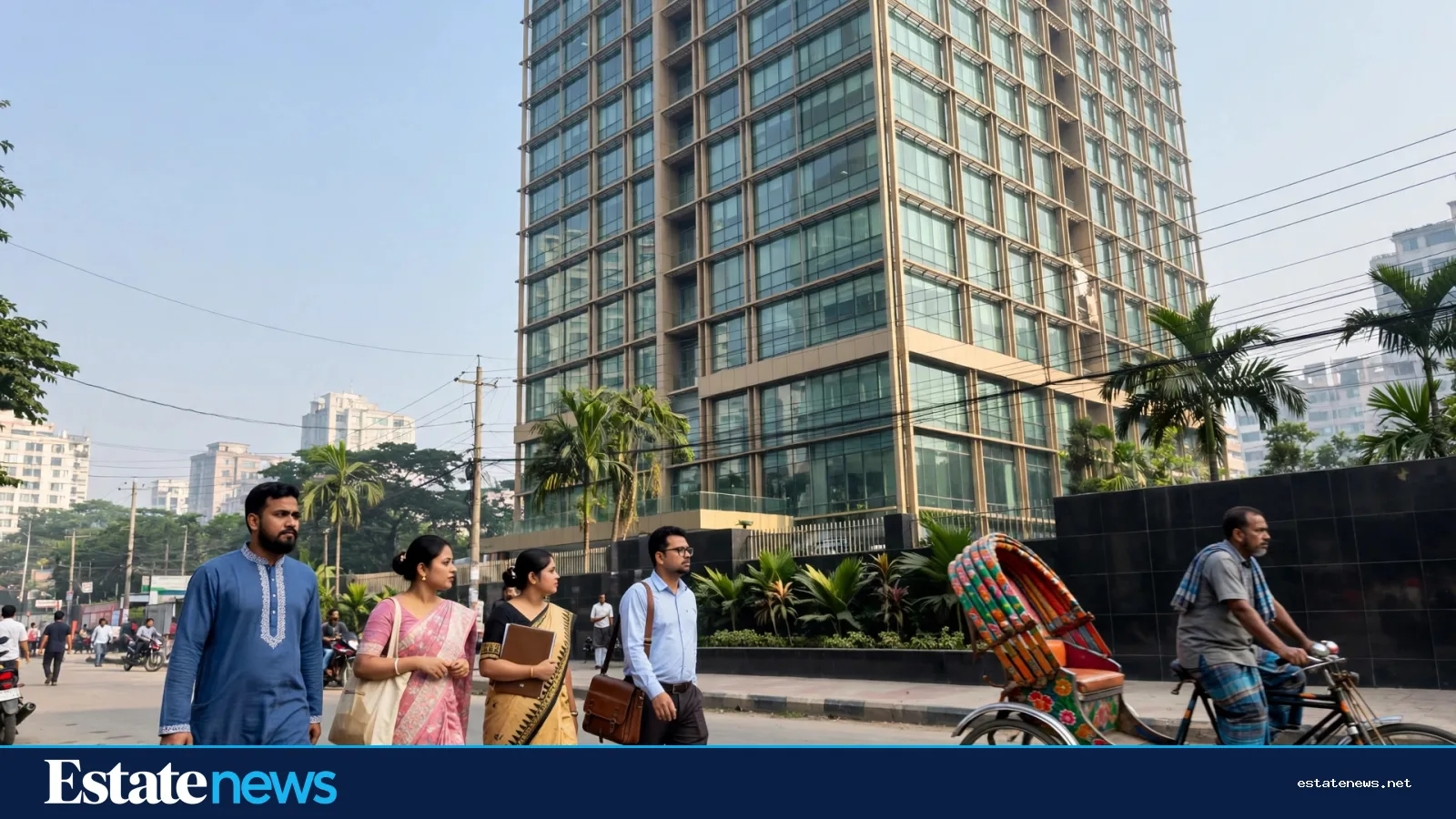
Bangladesh is preparing to borrow abroad in its own name. The government has given approval in principle for borrowing of up to about $1 billion through sovereign bonds, and the work of issuing them is set to begin in early January. The plan covers dollar bonds, the Japanese and Chinese markets, domestic Islamic securities and an equity fund. It is the biggest change in how Bangladesh raises money in years, and it has reached the point where home-loan borrowers should start paying attention.
The timeline came from Tanvir Shahriar Ghani, Special Assistant to the Prime Minister, who said the government intends to enter the market within two to three months. The details were discussed at the International Debt Conference Bangladesh 2026, held in Cox's Bazar on 15 and 16 November, where around 100 delegates from 30 countries gathered with the Finance Division and the Asian Development Bank to talk about public debt management. Day two of the conference covered sukuk and Islamic finance, the IMF and World Bank debt sustainability framework, and alternative financing. The bond plan sat at the centre of that conversation.
Why the government wants to borrow abroad
A sovereign bond is a government IOU sold to investors, in dollars or another currency, at an agreed interest rate. For Bangladesh, the attraction is straightforward. The country's external debt repayments have been running ahead of the money coming in from development partners. In July to September of the current financial year, development partners disbursed $660 million, while Bangladesh paid $1.35 billion in external debt repayments. A bond issue would open a new channel, one the government controls directly, instead of waiting on project loans.
The scale of the debt explains the urgency. The World Bank puts Bangladesh's outstanding foreign debt at $113.43 billion at the end of 2025. At the conference, Finance Minister Amir Khosru Mahmud Chowdhury said public debt stood under 39 percent of GDP at the end of the last financial year, and that Bangladesh aims to be a trillion-dollar economy by 2034. The World Bank has warned that public debt to GDP could reach 45.2 percent by 2027-28, near the 55 percent threshold the IMF considers sustainable. The IMF, in its 2025 Article IV review, classified Bangladesh at moderate risk of debt distress. None of this is a crisis. It is a country borrowing more, and needing to borrow smarter.
The link to your home loan
Home-loan rates in Bangladesh sit around 14 to 15 percent, as Estate News reported on 14 November. That rate is not set by the bond market. It is set by what banks pay for deposits, what Bangladesh Bank charges them, and how much risk they see in a borrower. A sovereign bond does not change any of those things overnight. Anyone who tells a flat buyer that a $1 billion bond issue will cut home-loan rates next month is guessing.


What the bond can do, over time, is change the conditions around those rates. If the government borrows abroad at a lower rate than it pays at home, it borrows less from domestic banks, and that leaves more room for banks to lend to households and businesses. If the issue succeeds, it also gives the market a benchmark: a price for Bangladesh risk that every other borrower, including banks, is measured against. A good first issue makes the next one cheaper. A badly priced first issue does the opposite.
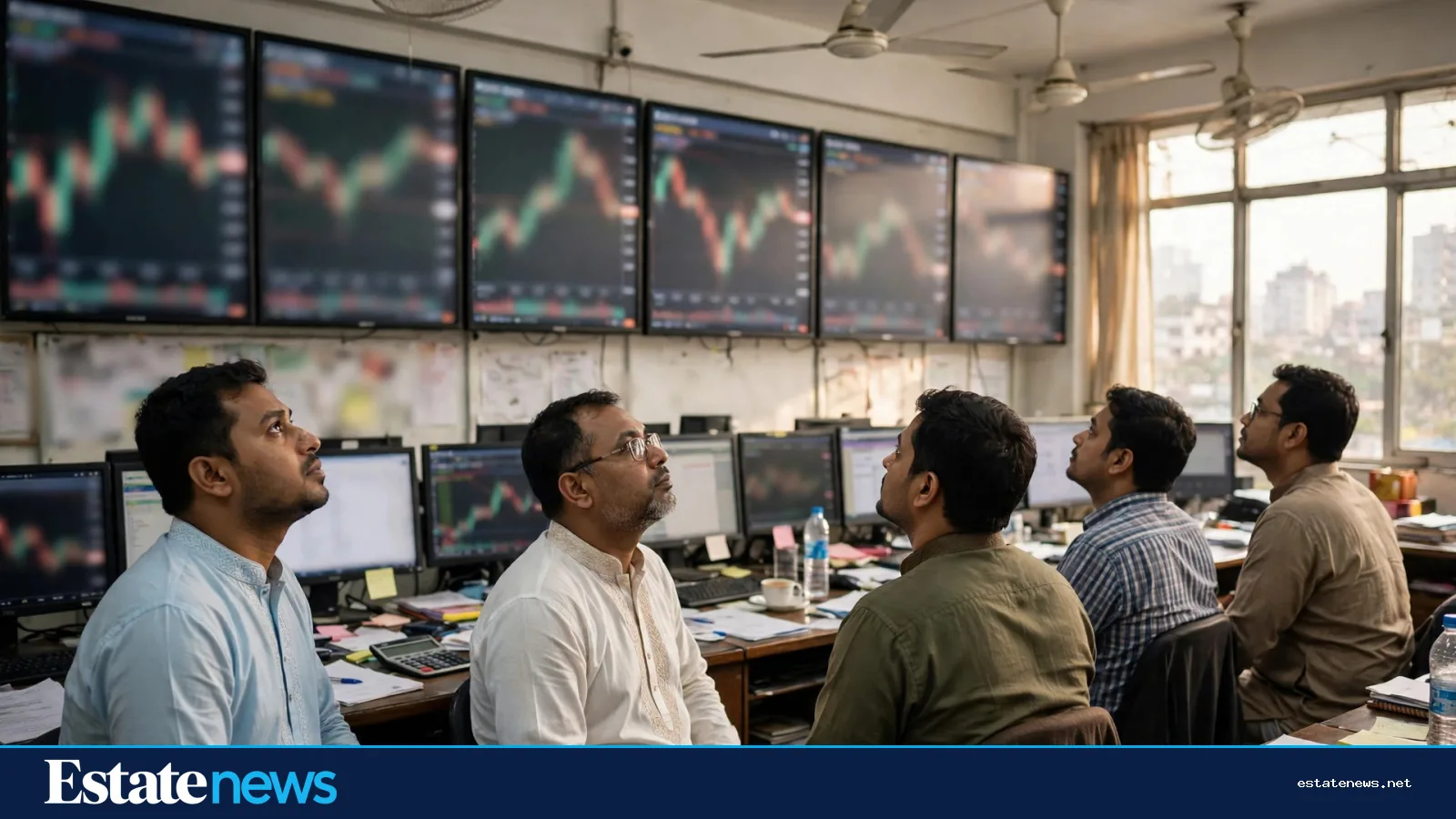
There is a second link, quieter but just as real. A sovereign bond brings foreign investors into contact with Bangladesh's economy in a new way. If they like what they see, more money follows, into banks, into companies, into the housing finance market. If the issue struggles, the signal runs the other way. The bond is not only a loan. It is a test of how the world prices Bangladesh.
What to watch before January
Four things matter between now and the first issue. First, the choice of market. Dollar bonds, Japanese yen and Chinese yuan each carry different rates, different investors and different currency risks. Borrowing in a currency that later strengthens against the taka makes the loan more expensive to repay. Second, the credit rating and the pricing. A debut issue is judged harshly, and the rate Bangladesh accepts will be quoted back to it for years. Third, the use of the money. Borrowing to repay old debt is different from borrowing to build something new, and investors will ask. Fourth, the domestic side of the plan, the Islamic securities and the equity fund, which will show whether the government can deepen its own capital market at the same time.
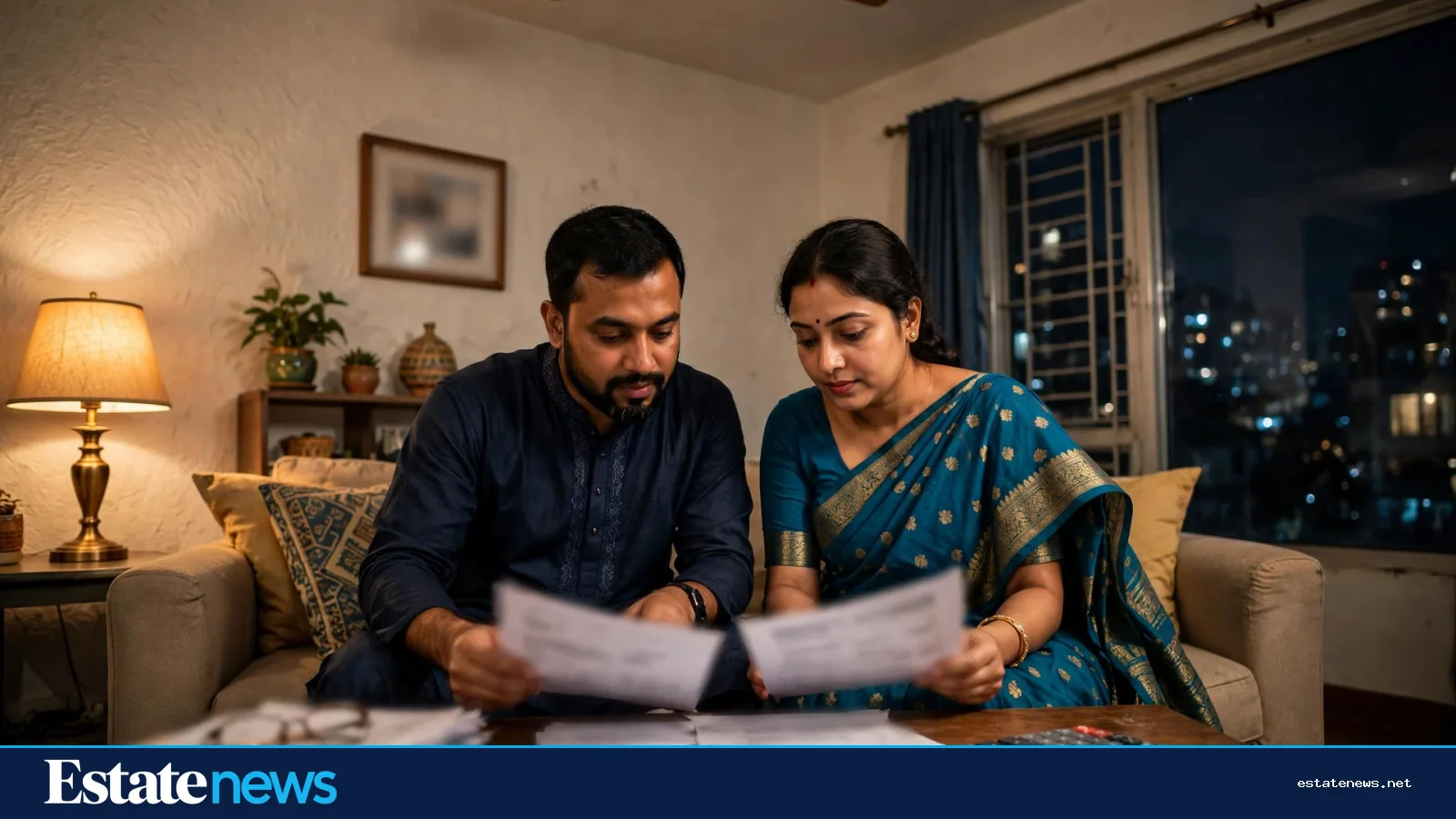
Flat buyers do not need to follow all of this daily. They need to know that the cost of their loan sits at the end of a long chain, and that the chain now has a new link in it. The bond plan will not decide next month's EMI. It could, over a year or two, decide how much room banks have to compete on rates. That is worth watching, and worth understanding before the first bond is sold.
This article is for information only and is not financial advice. Home-loan decisions should be made after speaking to a bank or a licensed financial adviser.
[Read more: Bangladesh's Public Debt Conference: What the First Global Gathering Signals](https://estatenews.net/policy/bangladeshs-public-debt-conference-what-the-first-global-gathering-signals) | [Home Loans at 14–15%: Why Bangladesh Pays More Than Its Neighbours](https://estatenews.net/finance/home-loans-at-14-15-why-bangladesh-pays-more-than-its-neighbours) | [The Dollar at Tk 124.75: What the Exchange Rate Does to a Family's Flat Budget](https://estatenews.net/finance/the-dollar-at-tk-12475-what-the-exchange-rate-does-to-a-familys-flat-budget)