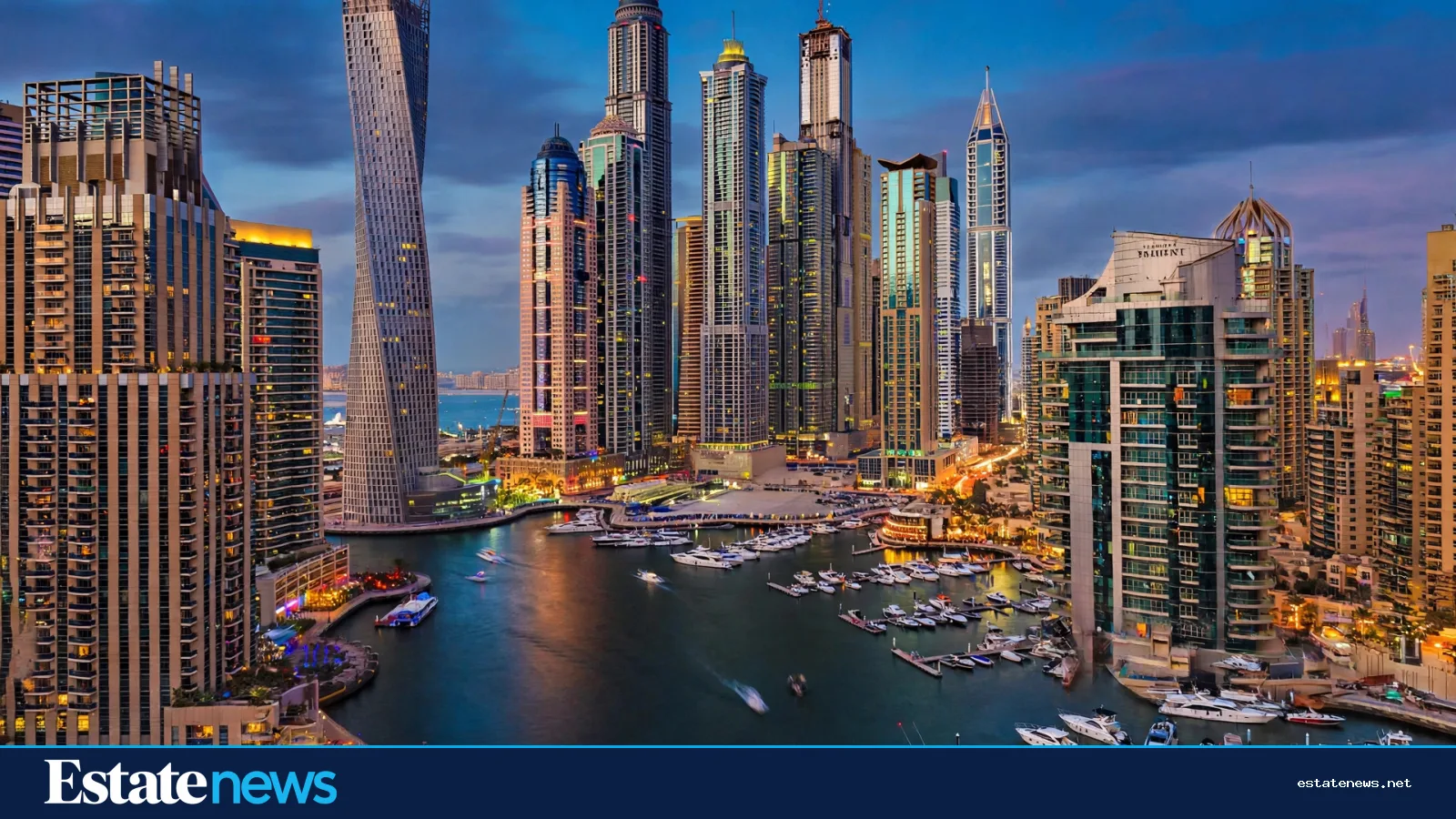
Dubai kept its crown as the world's busiest market for $10 million homes in the third quarter of 2026, but the crown is sitting a little looser than it was. The emirate recorded 86 sales of homes worth $10 million or more between July and September, worth $1.57 billion in total, according to Knight Frank's Global Super-Prime Intelligence for the third quarter, reported by The National on 13 November. That put Dubai ahead of Hong Kong, with 78 deals worth $1.58 billion, and New York, with 62.
The ranking hides the direction of travel. Transactions fell 34 percent by number and 28 percent by value against the second quarter, the second consecutive quarterly decline, and the lowest quarterly count since the third quarter of 2024. Across the 12 cities Knight Frank tracks, sales of $10 million-plus homes fell 19 percent on the quarter to 470. The top end of the world's housing market is cooling, and Dubai, for all its lead, is cooling with it.
Palm Jumeirah still sets the pace

Inside Dubai, Palm Jumeirah did the heavy lifting. The island recorded 27 deals worth about Dh2.01 billion, including the quarter's largest sale at Dh260 million, according to Knight Frank. Thirteen deals across the city crossed $25 million, and 73 fell between $10 million and $25 million, the firm said. The island's pull has not faded. What has changed is the pace, and the price.
Knight Frank recorded a 5 percent quarterly fall in prices across Dubai's ten prime neighbourhoods, the first such fall since 2020. That is a sharp turn for a market that spent five years climbing, and it changes the maths for anyone who bought at the peak and is now deciding whether to hold or sell. Over the rolling twelve months, Dubai still recorded 525 sales worth $9.25 billion, a reminder that the slowdown is a cooling, not a collapse.
The rest of the world is cooling too


The other cities tell the same story in different keys. Singapore recorded 44 deals worth $613 million in the quarter. London managed 42 deals, down from 46, and the value of those deals halved to $722 million. The pattern is consistent: fewer deals, smaller totals, and buyers taking longer to decide. Higher rates, dearer money and a world that feels less certain have reached the very top of the market, the part that was supposed to be immune.
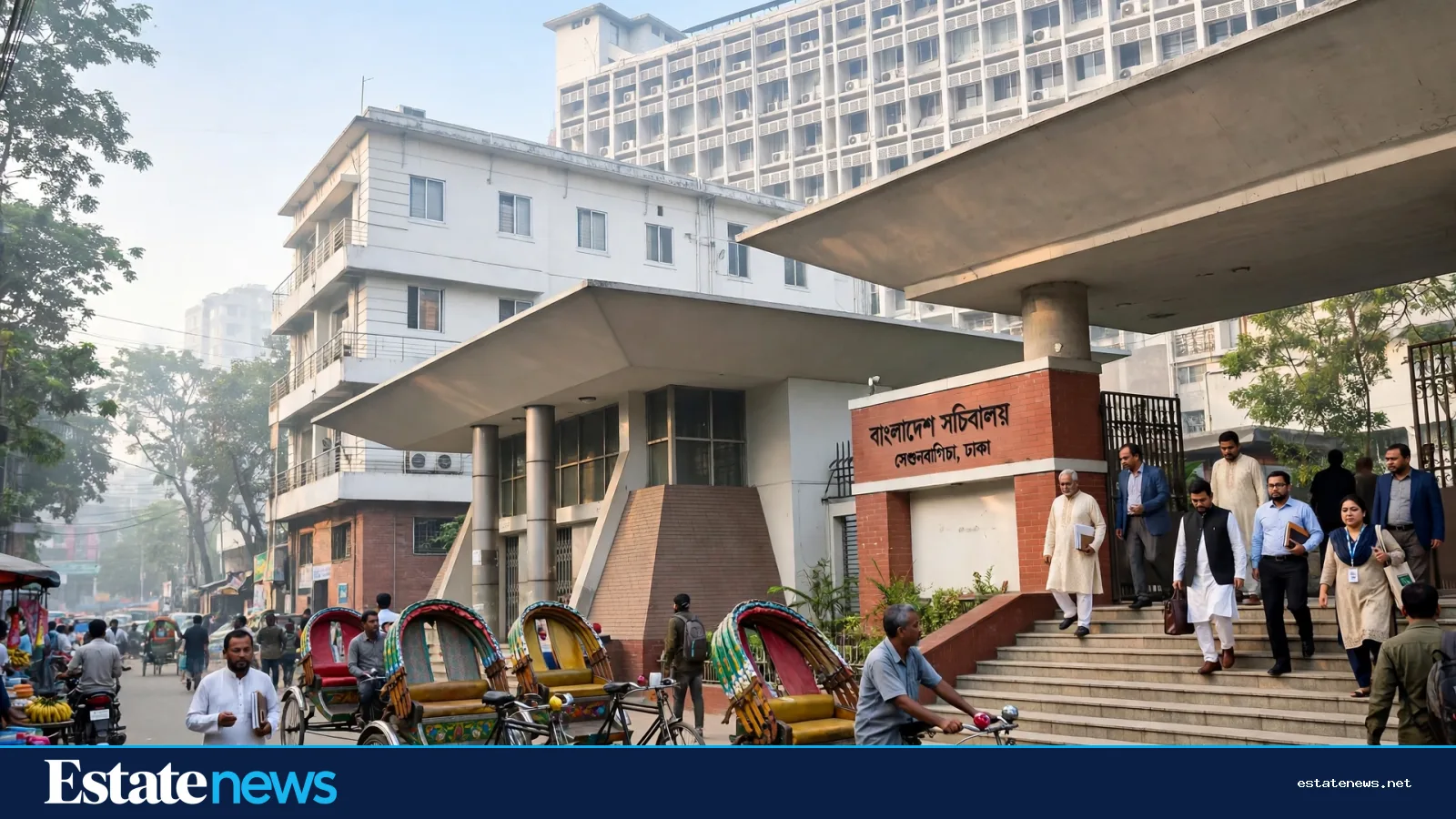
For Bangladeshi readers, the Dubai numbers connect to a story closer to home. Dubai is where many Bangladeshi investors and non-resident Bangladeshis have parked money in property, and where many families weigh renting against buying. The top end cooling sits beside a softer rental market: Dubai rents fell 7 percent year on year in the third quarter, according to CBRE, as covered in "Dubai Rents Fall 7% as Offices Boom: What CBRE's Split Market Means for Bangladeshi Investors". The median flat in Dubai now costs AED 1,722 a square foot, as covered in "Dubai's Median Flat Now Costs AED 1,722 a Square Foot".
What the cooling means for a buyer
Put those pieces together and the buy-versus-rent question in Dubai looks different than it did a year ago. Prices at the top are easing, rents are falling, and the number of big deals is shrinking. None of that makes Dubai a bad market. It makes it a market where the buyer has more room to negotiate, and where the rent a flat earns matters more than the price it might fetch next year. A flat that pays for itself in rent is a different proposition from one that depends on the next buyer paying more.
The wider lesson travels well. Singapore's housing model, covered in "Singapore's Housing Model: What Dhaka Can Borrow and What It Can't", shows what a state-led system can do, and Dubai shows what a market-led one does when the cycle turns. Dhaka's own market has its own cycle, its own rates and its own buyers, and it will not follow Dubai's path step for step. But the signal from the world's super-prime capitals is the same in every city: the top end has stopped running, and the next chapter belongs to buyers who can afford to wait.