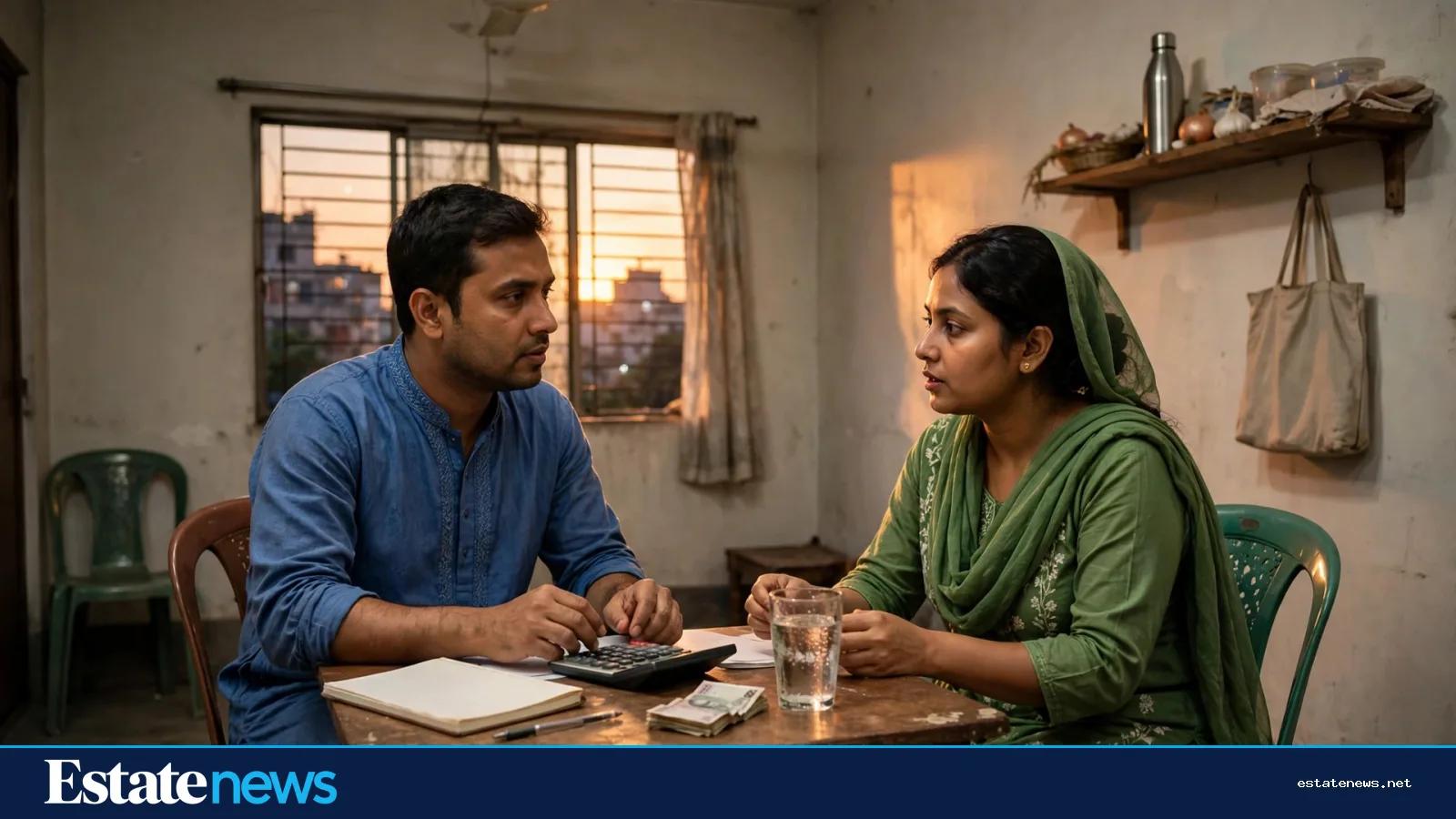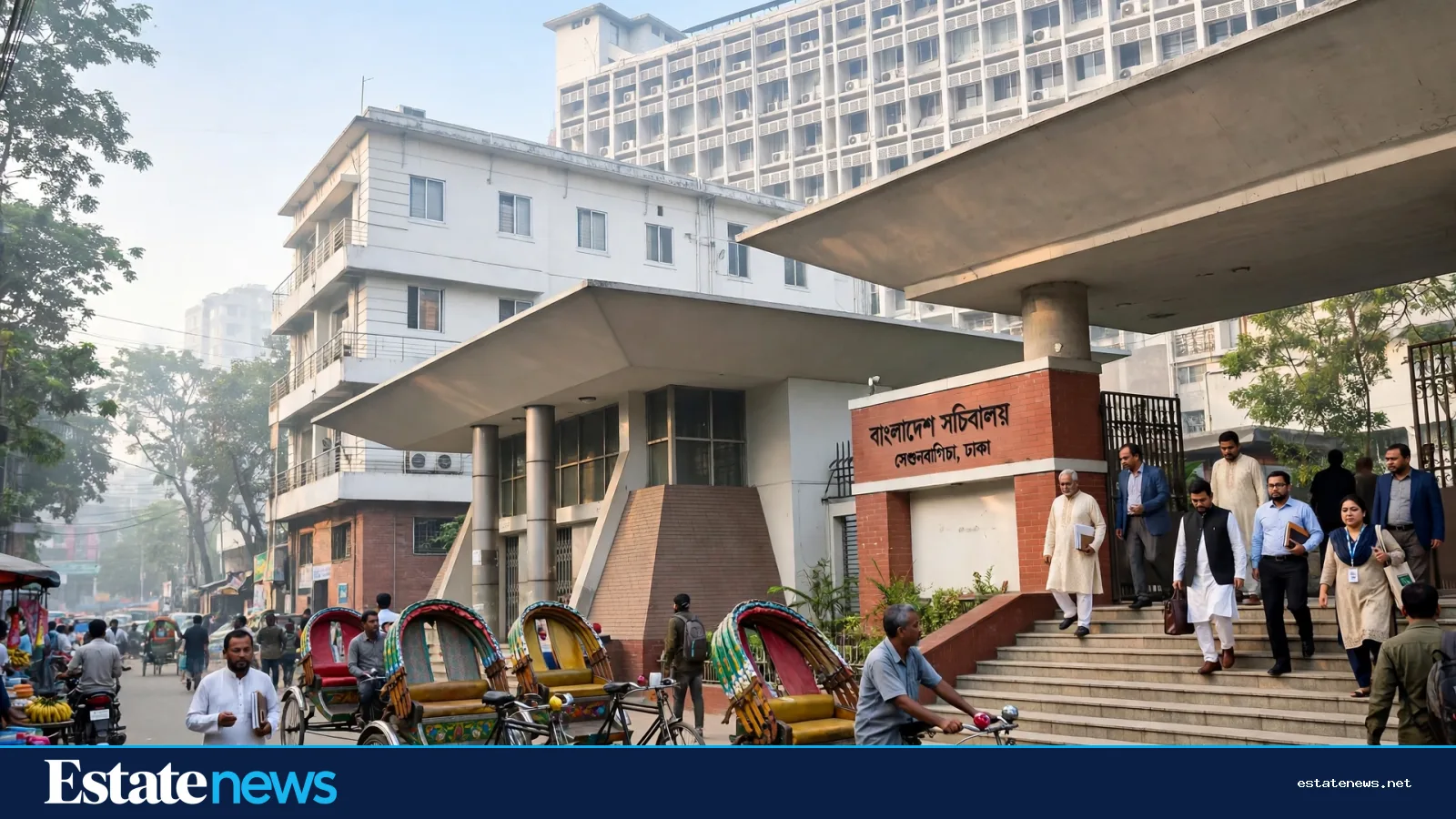
Fifty days is a long time to wait for a piece of paper. In Dhaka's building trade, it is often longer. A developer who has bought land, lined up buyers and hired a contractor can still spend weeks moving a file from one desk to another, and every week of waiting is a week of interest on borrowed money and a week of buyers asking when work will start. On 17 November, the government said it wants that wait cut to 14 days.
Commerce Minister Khandakar Abdul Muktadir put the target to an eight-member World Bank delegation at the Secretariat on Monday, according to reports in The Business Standard, the Financial Express and The Daily Star. The delegation was led by Jean Pesme, the World Bank's division director for Bangladesh and Bhutan. Bangladesh asked for the bank's support to improve the business climate, digitise government services and diversify exports. The approval target sits at the centre of that request: key business approvals down from 50 to 55 days to 14.
It is a target, not a done deal. Nothing was signed on Monday that changes a single approval tomorrow. What was agreed is the direction, and a coordinated three-year action plan is being drawn up. The plan is timed to the run-up to LDC graduation in November 2029, when Bangladesh loses the trade preferences that come with least-developed-country status and has to compete on speed and cost instead.

Why 14 days matters to a building site
For a developer, the approval clock starts long before the first brick. Land has to be bought, plans drawn, and finance arranged, and each step waits on the one before it. Estate News looked at how Dhaka's developers fund a project before the first brick is laid, and the picture was the same in every case: money is committed early, and the returns arrive late. A shorter approval wait does not change the cost of steel or the price of land. It changes the dead time in between, the weeks when a site sits idle and the loan still ticks.
The reform push is wider than one ministry. The government named leather goods, non-leather footwear, shipbuilding, ship recycling and light engineering as the sectors it wants to grow beyond garments. It is also pursuing economic partnership agreements with Japan and South Korea, and free trade agreements with the UAE, Malaysia, Singapore and the European Union. The thread running through all of it is the same: Bangladesh wants to sell more than clothes, and it wants the paperwork to keep up.
On the same day, a second piece of the puzzle fell into place in Dhaka. The government and the Asian Development Bank launched "PPP Monitor: Bangladesh" at the Bangladesh PPP Forum, an assessment of the public-private partnership framework across more than 500 indicators in eight infrastructure sectors. The full report is due in early 2027. Finance and Planning Minister Amir Khosru Mahmud Chowdhury and Invest Bangladesh chairman Ashik Chowdhury attended the launch. The monitor is meant to support the upcoming Invest Bangladesh Act, 2026.


What a PPP monitor has to do with a flat
Public-private partnerships sound far removed from a family buying a flat in Mirpur. They are not. The roads, water lines, drainage and power connections that make a new neighbourhood liveable are usually public works, and in Bangladesh they are often built slowly or not at all. A framework that lets private money build infrastructure faster, with clear rules, is what turns a plot on the edge of the city into a place people can actually live.
Chattogram port shows how that works in practice. Estate News reported on how the port is turning landlord, tendering out terminals and pricing the Bay Terminal, and the lesson from the port is that private operators move faster when the terms are clear. The PPP Monitor is an attempt to write those terms down for the whole country, sector by sector, so that a developer or an investor can see what the rules are before committing money.
None of this will show up in a flat price next month. The 14-day target is a promise about process, and the PPP Monitor is a report that arrives in early 2027. What matters now is whether the three-year action plan turns into changes a builder can feel: a form that can be filed online, a decision that arrives on a stated date, a file that does not sit on a desk because nobody owns it.
For a buyer, the practical advice is unchanged. Before signing, check the RAJUK approval for the building, as Estate News set out in "RAJUK Approval Step by Step: How a Building Plan Gets Its Stamp". An approval that took 14 days and an approval that took 50 are the same document once they are stamped. The difference is what the wait cost the builder, and in the end, what it costs the buyer.
If the reform works, the next few years will see developers starting work sooner and finishing sooner, and the city's housing supply catching up with its demand a little faster. That is the promise. The test will be the first file that actually comes back in 14 days.