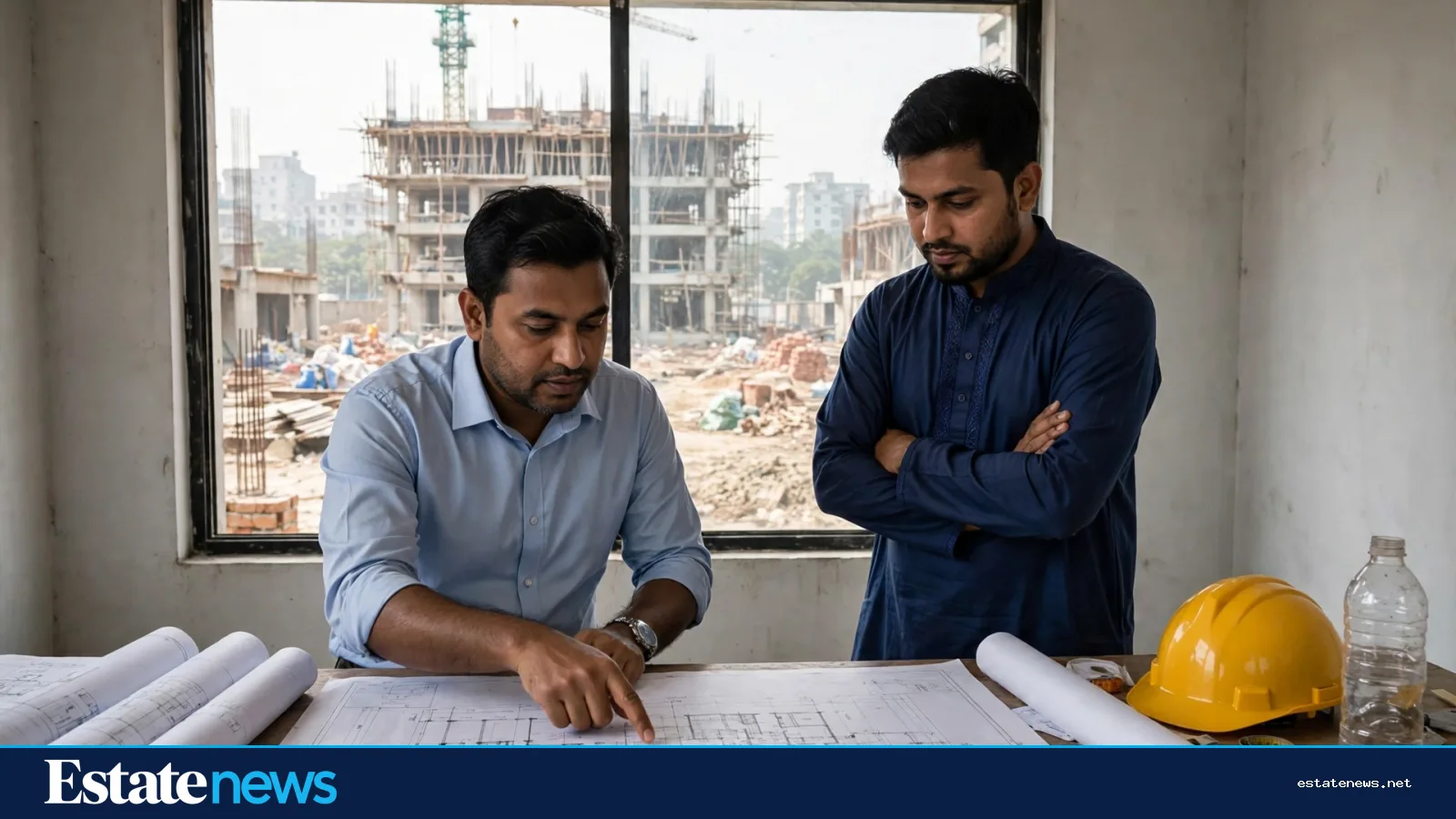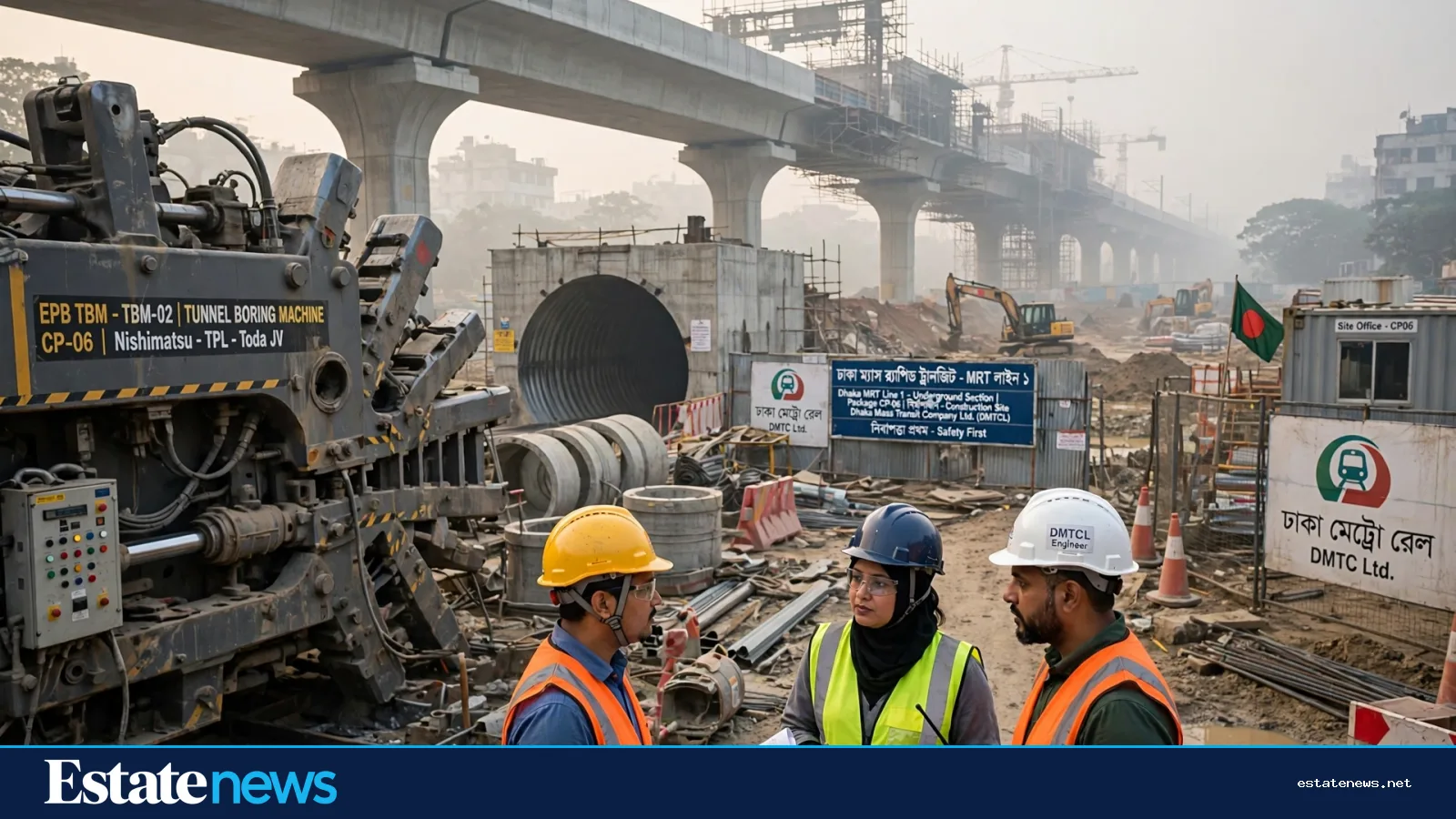
Winter is when Dhaka builds. The monsoon is over, the ground is dry, and the city's construction sites run at full speed until the heat returns. Every one of those sites runs on steel, and the price of a tonne of rod sets the mood for the whole season. This winter, builders are watching that price the way farmers watch the sky.
The last verified figures come with dates, and the dates matter. Rod was selling at Tk 92,500 to Tk 94,500 a tonne in early September 2026, and the site's own tracker puts the midpoint for higher-quality rod at Tk 93,500 a tonne, based on Trading Corporation of Bangladesh data published by the Financial Express on 10 October 2026. Cement was Tk 540 to Tk 580 a bag in the same Financial Express report, a midpoint of Tk 560. These are the last verified numbers. No fresh November price from a reputable dated source was available when this piece was written, so these figures are presented as last verified, not as today's prices.
That caution is not pedantry. Rod prices move fast, and a number quoted without a date is worse than no number at all. A builder who budgets on a September price and buys in December can find the gap in his own pocket. The tracker figures are published ranges with midpoints shown, and they are indicative only. They are a guide to the level of prices, not a quotation for a purchase.

The names on the rods
The market has its majors, and their names are on almost every site in the country. BSRM, KSRM, GPH Ispat, RSRM and AKS are the rod brands builders ask for by name, and on the cement side the familiar names are Shah, Bashundhara, Crown, Premier and LafargeHolcim Bangladesh. These are the companies whose mills set the tone. When one of them moves its price, the market follows. When one of them faces a cost shock, the whole trade feels it.
That shock arrived in June. The Daily Star reported on 8 June 2026 that steel makers were asking the government to withdraw a power tariff hike for industrial users, warning that it would raise rod production costs by up to Tk 3,560 a tonne. At the time, 60-grade rod, the grade most used in construction, was selling at Tk 91,000 to Tk 92,000 a tonne at retail, and the manufacturers warned it could rise to at least Tk 97,000 a tonne if the tariff stayed. The tariff, the manufacturers said, had already gone up by around 17 percent for industrial consumers.


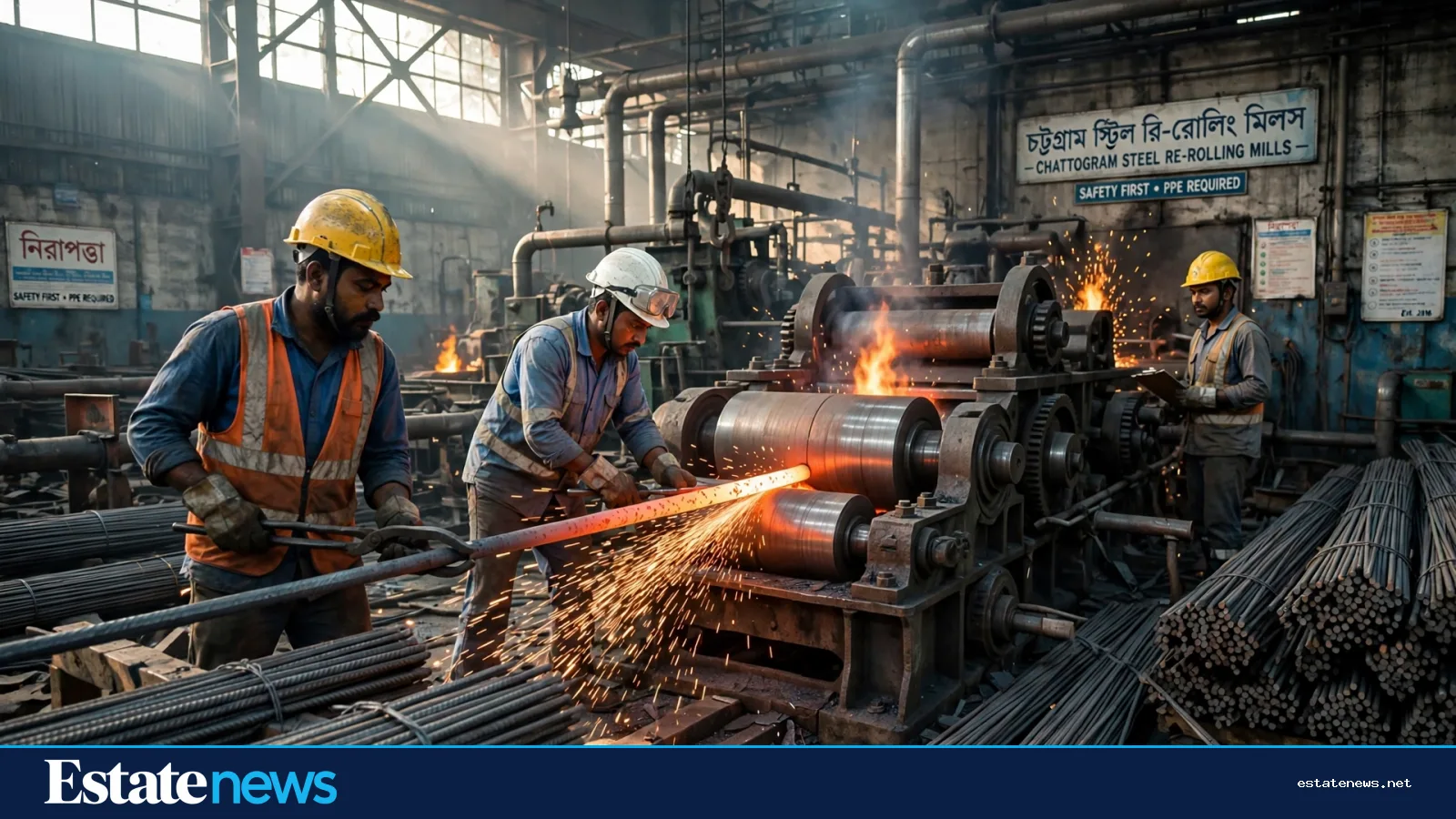
The warning frames this winter's question. Power is the mills' largest running cost after scrap, and a higher tariff feeds straight into the rod price. The mills are concentrated around Chattogram, where the re-rolling plants turn scrap and billets into the rods that hold up Dhaka's buildings. When their costs rise, the rise travels up the road to every site in the capital.
What the winter means for a buyer
For a developer, the winter season is a race between the price of materials and the pace of construction. Estate News reported on steel, cement and the cost of building on 15 November, and the message was the same: materials set the budget, and the budget sets what a developer can promise. A buyer who has booked a flat in a building under construction has a stake in this too. If rod prices jump mid-project, the developer absorbs the cost or slows the work, and either way the buyer feels it.
The same logic runs through how Dhaka's developers fund a project before the first brick is laid, a subject Estate News examined in detail. Construction finance is arranged in stages, and a sharp move in materials prices can force a developer back to the bank. That is why the steel majors' market matters beyond the mills. It is the first place a cost shock shows up, and the last place a buyer looks.
There is a limit to what the steel market can tell anyone. It can say what rod cost in September and October. It cannot say what a flat will cost in March. Flat prices move with land, labour, finance and demand as well as materials, and a single winter's rod price is only one ingredient. A buyer who hears that steel is up and concludes that flats must follow is making a leap the evidence does not support.
What the steel market does tell a builder, plainly, is to lock in supply early in the season and to budget with a margin. Winter is the peak building season because the weather allows it. The mills know that, and they price for it. A developer who orders late pays the winter price. A developer who orders early pays the autumn one. That, more than any single figure, is what BSRM, KSRM and GPH Ispat are telling Dhaka's builders this year: buy early, budget honestly, and do not quote a price you cannot hold.