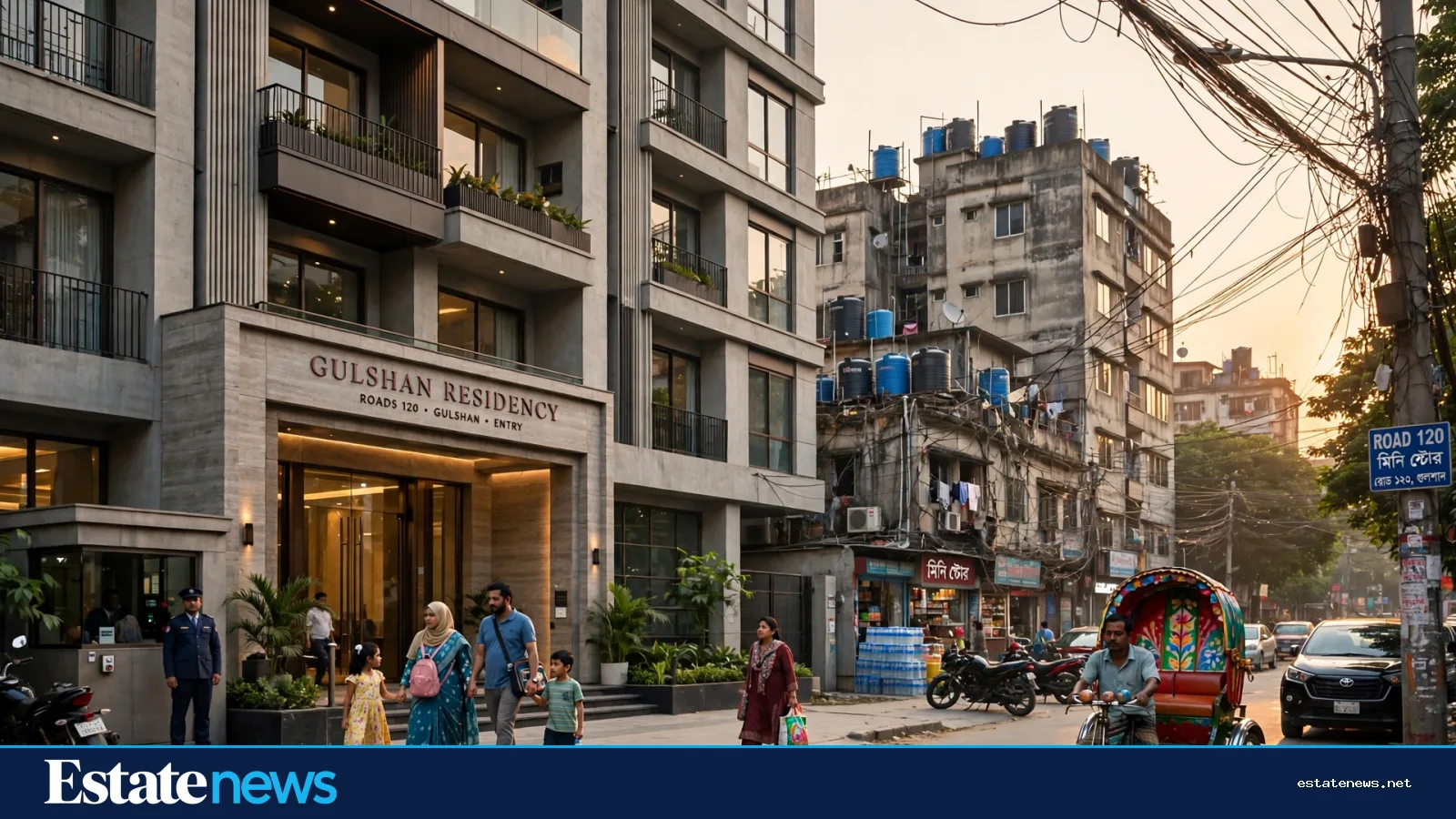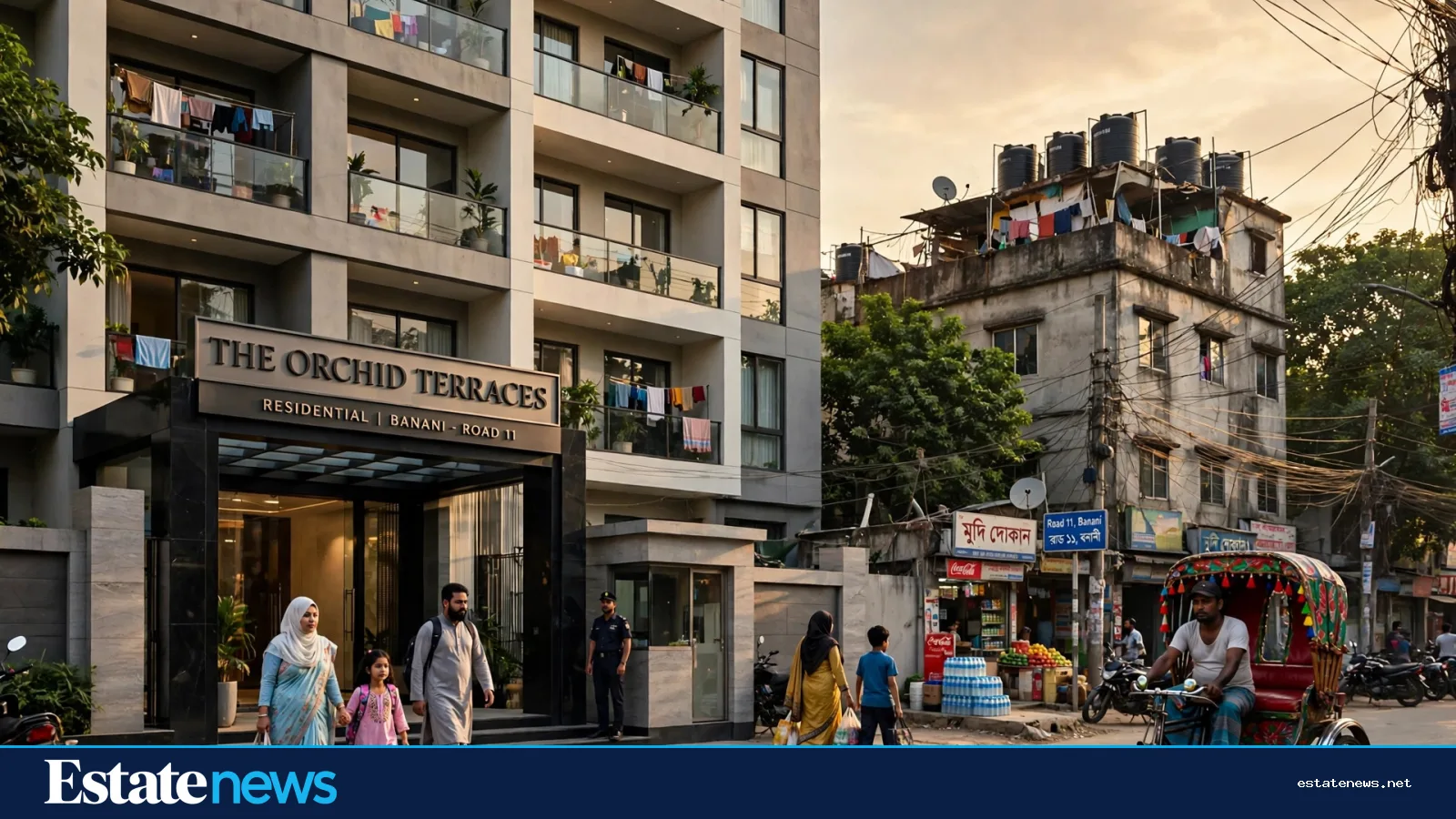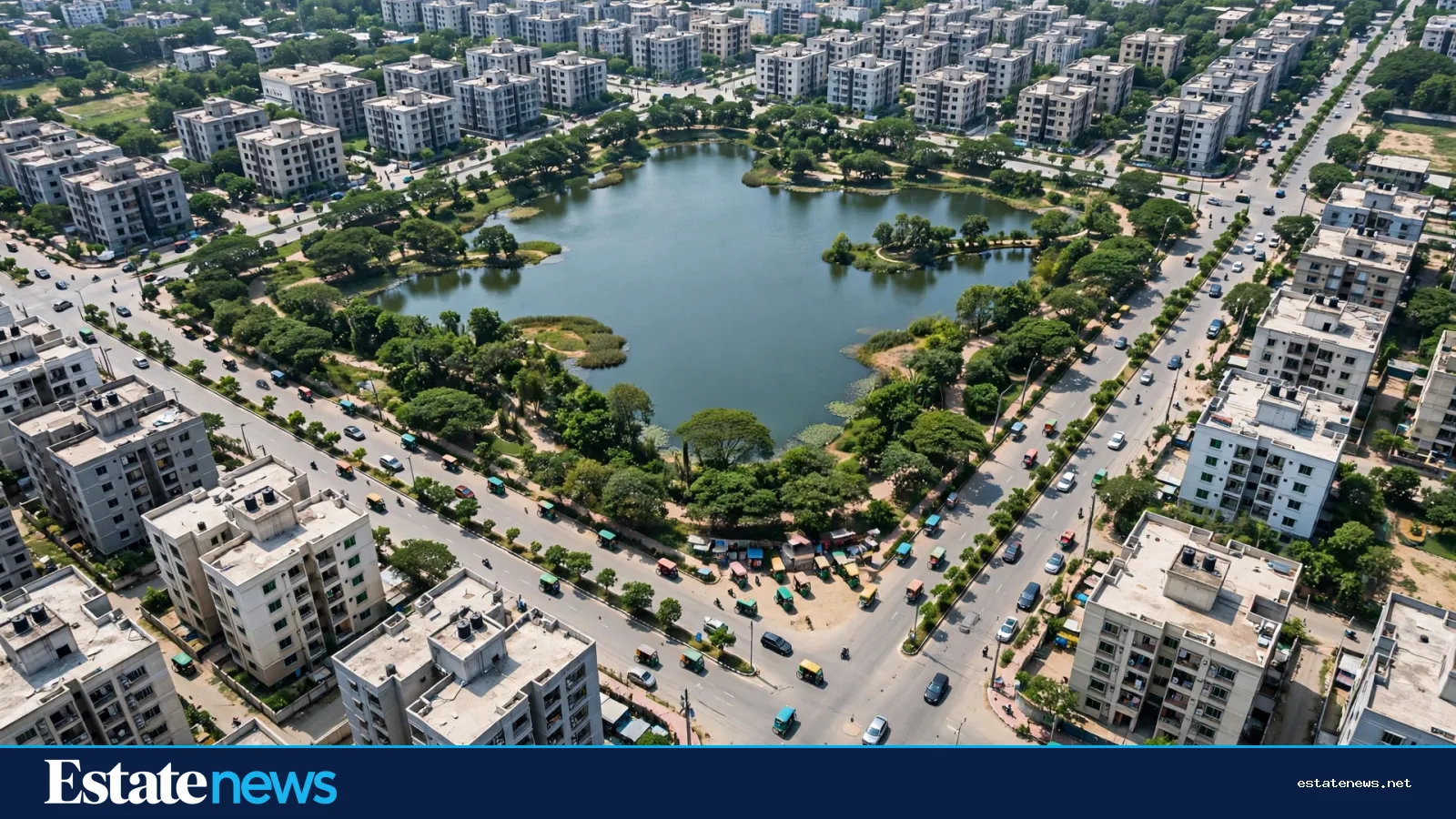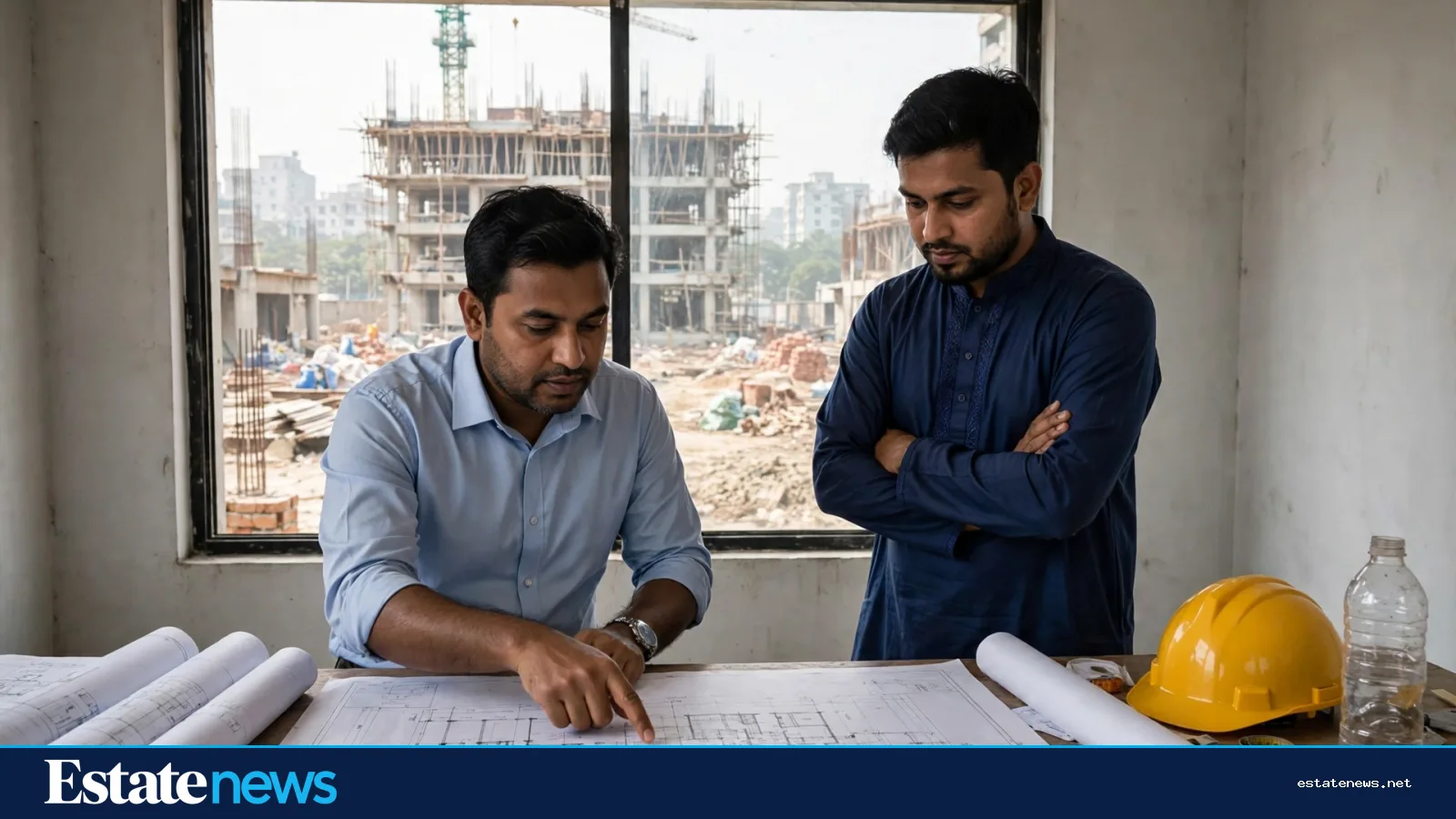
Most apartment blocks in Dhaka start with two people who need each other. One owns a plot of land in a good neighbourhood and cannot afford to build on it. The other is a developer who can build but does not own the land. The joint venture is the deal they strike, and it shapes a large share of the flats that come up for sale in the city every year.
The shape of the deal is simple to describe and hard to get right. The landowner contributes the land. The developer contributes the money, the design, the approvals and the construction. When the building is finished, the flats are divided between them in an agreed share. The landowner usually takes some flats and the developer sells the rest. That is the whole idea. Everything else is detail, and the detail is where buyers need to pay attention.
A plot in Dhanmondi or Uttara can be worth more than the building that will stand on it. The landowner knows this. The developer knows it too. The share each side takes is the negotiation, and it turns on the value of the land, the size of the building the rules allow, and the cost of putting it up. A corner plot on a wide road allows more flats than a narrow plot on a lane, and that changes the arithmetic for both sides. None of this is written down in a public rulebook. It is worked out deal by deal, plot by plot.

What the developer puts in first
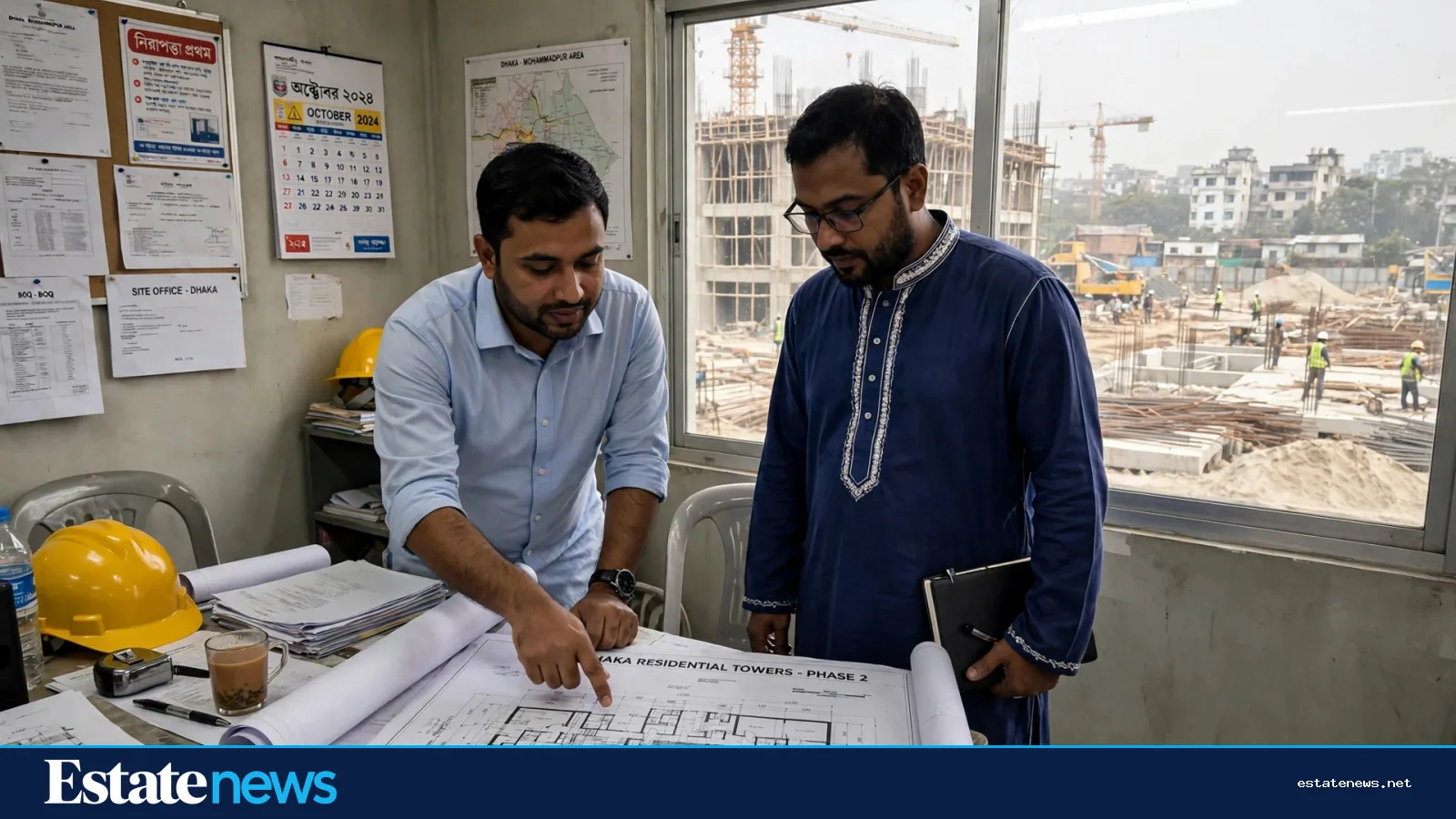
The developer's contribution starts before a single brick is laid. There is the design and the architect, the RAJUK approval, the soil test and the structural drawings. Then there is the money: the developer funds the construction, usually in stages, and recovers it by selling flats, often before the building is finished. Estate News examined how Dhaka's developers fund a project before the first brick is laid, and the pattern was consistent. The developer carries the construction risk, and the buyers' booking money and instalments are part of how that risk is carried.
That is why the booking money terms matter so much to a buyer. A flat bought in a joint venture project is bought from the developer's share, and the agreement a buyer signs is with the developer, not with the landowner. Estate News's Bangla guide to booking money set out what the agreement should say about refunds and timelines, and the same questions apply here. Who is the seller on paper? What happens if the project stalls? What does the agreement promise about the handover date, and what happens if it slips? These are not formalities. They are the buyer's protection.


Home loans sit on top of all this. Banks in Bangladesh currently lend for home purchases at rates between 9.72 and 15 percent, and the policy rate stands at 9.50 percent after the quarterly monetary policy statement of 30 September 2026. A buyer who takes a loan for a joint venture flat is borrowing against a building that does not exist yet, and the bank will look at the developer's record, the approvals and the agreement before it lends. A clean joint venture agreement makes that conversation easier. A messy one makes it harder.
The questions a buyer should ask
A joint venture is not a warning sign. Some of Dhaka's best-known buildings were built this way, including the gated projects that pair a developer with a landowning institution. The ABC and Ispahani joint venture at Moghbazar, covered by Estate News in the profile of ABC Real Estates, is one recent example of the model working at scale. The point is not to avoid joint ventures. It is to read the paperwork with the same care the two partners read it.
Start with the land. Is the title clean, and is the chain of ownership clear? A buyer can ask to see the deed and the mutation papers, and the land title checks Estate News has set out before apply here in full. Then the approvals: is there a RAJUK approval for the building as designed, and does the plan on paper match the building going up? Then the agreement: does it name the seller, the payment schedule, the handover date and what happens if the date passes?
Estate News published a Bangla explainer on joint ventures that walks through the same checks in Bangla, and a Bangla guide to booking money that covers the refund terms. The two pieces belong together. A buyer who reads both will know what to look for before paying the first instalment.
This is a guide, not legal advice. A buyer who is unsure about a joint venture agreement should have a lawyer read it before signing. The cost of that reading is small next to the price of a flat. The landowner and the developer will have had their own lawyers. The buyer should have one too.